
5 Questions You Must Ask an Indianapolis Restoration Contractor Before Hiring Them
Water damage strikes without warning. A burst pipe in the middle of the night or a flooded basement after heavy spring rains can turn your Indianapolis home into a disaster zone within hours. When you’re facing thousands of dollars in potential damage and the health risks of mold growth, choosing the right restoration contractor becomes one of the most important decisions you’ll make. Who to Call for Emergency Water Damage Restoration in Carmel.
The Indianapolis metro area faces unique water damage challenges. From the heavy clay soil that causes hydrostatic pressure on foundations to the freeze-thaw cycles that crack pipes every winter, local conditions create specific vulnerabilities. Add in the combined sewer systems in older neighborhoods that back up during heavy rains, and you need a contractor who understands these local factors. Complete Water Damage Repair for Historic Homes in Meridian-Kessler.
Before you sign any contract or let a restoration crew into your home, ask these five critical questions. Your answers will determine whether you’re hiring a true professional or taking a costly gamble. Professional Sewage Cleanup and Sanitization Services in Greenwood.
1. Are You IICRC Certified and What Specific Training Do Your Technicians Have?
Professional water damage restoration follows strict industry standards. The Institute of Inspection Cleaning and Restoration Certification (IICRC) sets these standards through their S500 guidelines for water damage restoration. These guidelines cover everything from proper moisture mapping to safe handling of contaminated water. IICRC certification standards.
Ask for specific certifications. A legitimate contractor should have technicians certified in Water Damage Restoration (WRT) and Applied Structural Drying (ASD). For sewage backups or contaminated water, they need Applied Microbial Remediation Technician (AMRT) certification. Safe and Permanent Mold Remediation for Homes in Broad Ripple.
Local Indianapolis contractors must also comply with Indiana Residential Code requirements for structural drying and moisture content levels. The code requires that all affected materials be dried to within 4 percentage points of normal moisture content for that material type.
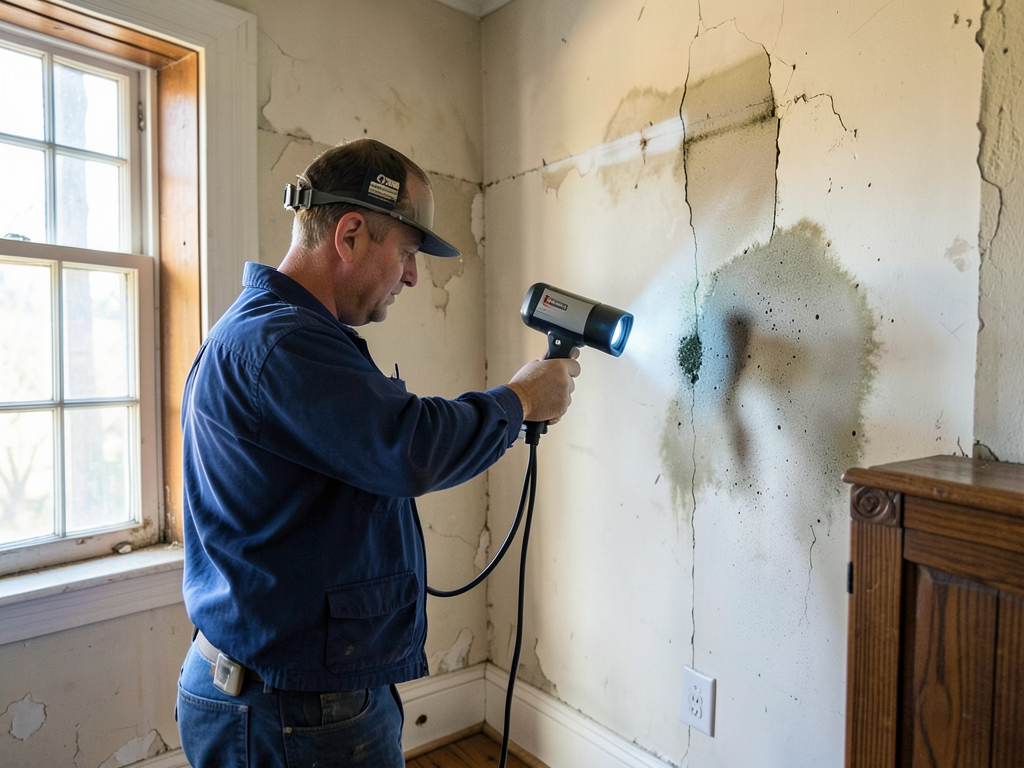
A technician using thermal imaging to detect hidden moisture in wall cavities behind lath and plaster in a historic Meridian-Kessler home.
2. What’s Your Average Response Time in Indianapolis and Surrounding Areas?
Water damage follows a predictable timeline. Within the first 24 hours, drywall swells and breaks down. Metal surfaces tarnish. Furniture swells and cracks. Dyes and inks from cloth and paper goods spread and stain. A musty odor appears. Emergency Water Removal Services in Noblesville That Respond 24-7.
After 48 hours, mold and mildew grow and spread. Doors and windows swell and warp. Metal begins to rust and corrode. Wood flooring swells and warps. Serious biohazard contamination is possible.
Ask specifically about their Indianapolis response times. A reputable company should arrive within 60-90 minutes anywhere in Marion County and the immediate suburbs. For areas like Carmel, Fishers, or Greenwood, response times might extend to 90-120 minutes depending on traffic and time of day.
Test their answer. Ask about specific scenarios like a frozen pipe burst at 2 AM on a Wednesday versus a sump pump failure during a Saturday afternoon thunderstorm. Their response times should be consistent regardless of when disaster strikes.
3. Do You Carry Both General Liability and Pollution Liability Insurance?
Water damage restoration involves significant risks. A contractor working in your home needs proper insurance coverage. General liability insurance covers property damage and bodily injury. But water damage work requires additional pollution liability coverage.
Ask to see their insurance certificates. Verify that policies are current and that coverage limits meet industry standards. For water damage work in Indiana, contractors should carry at least $1 million in general liability and $500,000 in pollution liability coverage.
Don’t just take their word for it. Call the insurance provider to verify coverage. Many homeowners have discovered too late that their contractor’s insurance had lapsed or that they were working under insufficient coverage.
Also ask about worker’s compensation coverage. If a technician gets injured in your home and the company lacks proper coverage, you could be held liable for medical expenses and lost wages.
4. How Do You Handle Insurance Claims and Documentation?
Professional water damage restoration companies work directly with insurance providers. They should handle the entire claims process, from initial documentation to final billing. This service alone can save you thousands of dollars and weeks of frustration.
Ask about their documentation process. Do they use industry-standard software like Xactimate for estimating? This software is what insurance adjusters use, ensuring your estimate matches what the insurance company expects to see.
Professional contractors should provide detailed moisture maps, daily humidity readings, and photographic documentation of all damage. They should also create a scope of work that itemizes every step of the restoration process.
Ask if they offer direct insurance billing. This means they bill your insurance company directly rather than requiring you to pay upfront and seek reimbursement. This service protects you from having to front thousands of dollars during an already stressful time.
5. What’s Your Process for Dealing with Contaminated Water and Sewage Backups?
Not all water damage is created equal. The IICRC classifies water into three categories. Category 1 is clean water from broken pipes or rainwater. Category 2 is grey water with some contamination from washing machines or dishwashers. Category 3 is black water containing pathogens, chemicals, or other hazardous materials.
Sewage backups and flooding from the White River or other local waterways fall into Category 3. This water contains bacteria, viruses, and other pathogens that can cause serious illness. Proper handling requires specialized equipment, training, and disposal procedures.
Ask about their specific procedures for Category 3 water. Do they use EPA-registered disinfectants? What personal protective equipment do technicians wear? How do they dispose of contaminated materials? EPA guidelines for hazardous waste disposal.
Professional contractors should follow EPA guidelines for hazardous waste disposal and use industrial-grade HEPA air filtration during the cleanup process. They should also test for airborne contaminants after the cleanup is complete.
Understanding the Indianapolis Water Damage Landscape
Indianapolis faces unique water damage challenges that require local expertise. The city’s heavy clay soil, common throughout Central Indiana, creates hydrostatic pressure against foundation walls. This pressure forces water through even the smallest cracks during heavy rains.
Older Indianapolis neighborhoods like Fountain Square and Irvington have combined sewer systems that date back to the early 1900s. During heavy rainfall, these systems can back up into basements, creating Category 3 contamination situations that require immediate professional attention.
The freeze-thaw cycles that affect Indianapolis every winter create another major risk. When temperatures fluctuate above and below freezing, water trapped in pipes expands and contracts, eventually causing pipes to burst. This is especially common in homes with copper plumbing in unheated areas like crawl spaces or exterior walls.
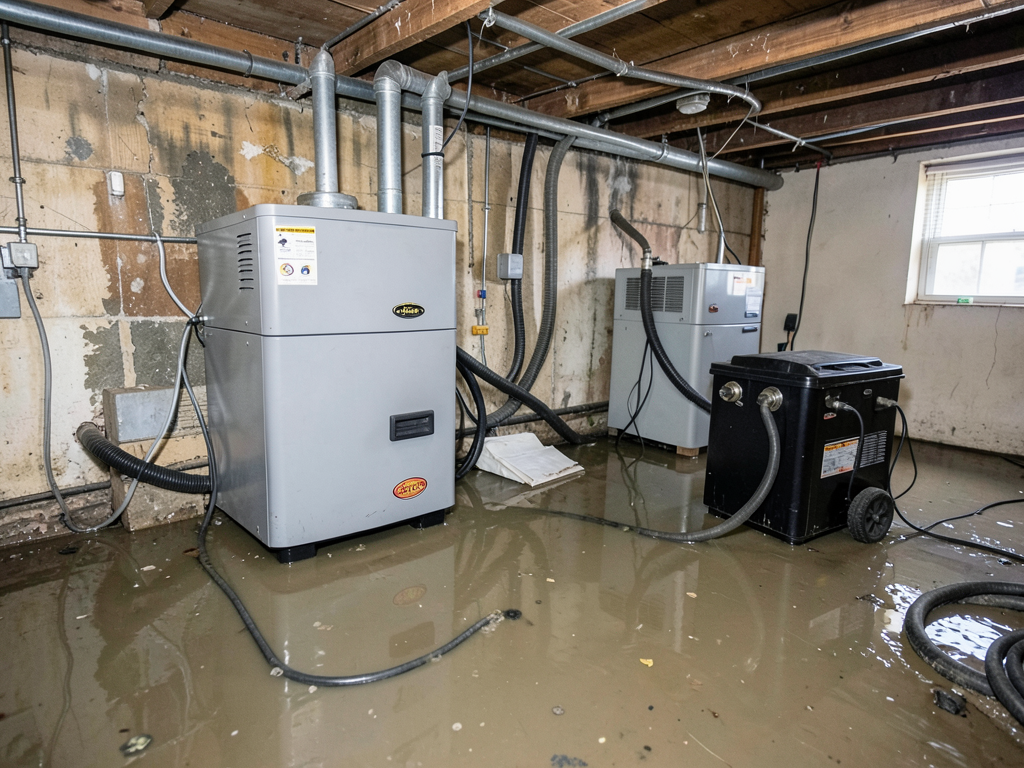
Industrial-grade dehumidifiers and air movers set up in a flooded basement in Broad Ripple after a spring thunderstorm overwhelmed the sump pump system.
Red Flags to Watch For
While asking the right questions is crucial, knowing what to avoid is equally important. Watch for these red flags when evaluating restoration contractors:
- Companies that ask for large upfront payments before beginning work
- Contractors who cannot provide proof of insurance or licensing
- Companies that refuse to work with your insurance provider
- Technicians who cannot explain their restoration process in clear terms
- Companies that use high-pressure sales tactics or create artificial urgency
Legitimate restoration companies understand that you’re making decisions under stress. They should provide clear explanations, written estimates, and time for you to make informed choices.
The Cost of Cutting Corners
Choosing the wrong restoration contractor can cost you far more than the initial savings. Incomplete drying leads to mold growth, which can spread throughout your home’s HVAC system. Improper handling of contaminated water can create serious health hazards for your family.
Structural damage from inadequate restoration can compromise your home’s integrity, leading to costly repairs down the road. And if the work isn’t properly documented, your insurance company might deny future claims related to the original damage.
Professional restoration costs more upfront but protects your investment and your family’s health. The right contractor brings industrial-grade equipment, proper training, and insurance coverage that protects you from liability.
Making Your Final Decision
After asking these five questions, you should have a clear picture of each contractor’s qualifications. Compare their answers not just on price, but on their understanding of local conditions, their technical expertise, and their commitment to proper procedures.
Trust your instincts. If a contractor seems evasive about their certifications, insurance, or processes, move on to another option. The stress of water damage is enough without adding the worry of whether your contractor knows what they’re doing.
Remember that the cheapest option isn’t always the best value. A contractor who cuts corners might save you money today but cost you thousands in repairs and health issues tomorrow.
Take Action Before Disaster Strikes
Don’t wait until water is pouring through your ceiling to find a qualified restoration contractor. Research companies now, ask these questions, and establish relationships with reputable providers in your area.
Keep this guide handy and share it with friends and family in the Indianapolis area. When water damage strikes, you’ll be prepared to make the right choice quickly.
Call (317) 703-7676 today to schedule a consultation or to get answers to these questions from our certified restoration specialists. We’re available 24/7 to help Indianapolis homeowners protect their properties from water damage.
Don’t let water damage destroy your home and your peace of mind. Pick up the phone and call (317) 703-7676 before the next storm hits or the next pipe bursts.
Frequently Asked Questions
How quickly should a restoration company respond to water damage in Indianapolis?
Professional restoration companies should arrive within 60-90 minutes in Indianapolis and surrounding areas. Response times may extend to 90-120 minutes for suburbs like Carmel, Fishers, or Greenwood depending on traffic conditions.
What certifications should Indianapolis water damage restoration technicians have?
Technicians should hold IICRC certifications including Water Damage Restoration (WRT), Applied Structural Drying (ASD), and Applied Microbial Remediation Technician (AMRT) for contaminated water situations. They should also comply with Indiana Residential Code requirements.
Is mold always a concern after water damage?
Yes, mold can begin growing within 24-48 hours after water exposure. Professional restoration includes proper drying, dehumidification, and antimicrobial treatment to prevent mold growth. Category 3 water situations require additional mold prevention measures.
Will my homeowners insurance cover water damage restoration?
Most standard homeowners policies cover sudden and accidental water damage from sources like burst pipes or appliance failures. However, they typically don’t cover flooding from external sources or damage from neglected maintenance. Professional restoration companies can help navigate your specific coverage.
What’s the difference between water mitigation and water restoration?
Water mitigation involves stopping the water source and preventing further damage through extraction and drying. Water restoration involves repairing or replacing damaged materials and returning the property to its pre-loss condition. Both phases are typically handled by professional restoration companies.
How long does the water damage restoration process take?
The timeline varies based on damage extent, but typical residential projects take 3-7 days for complete mitigation and drying. Restoration and reconstruction can extend the timeline to several weeks depending on the scope of repairs needed.
You may also find this helpful. Salvaging Electronics and Documents After a Pipe Burst in a Southport Office.
{
“@context”: “https://schema.org”,
“@type”: “BlogPosting”,
“headline”: “5 Questions You Must Ask an Indianapolis Restoration Contractor Before Hiring Them”,
“description”: “Don’t hire an Indianapolis water damage contractor until you ask these 5 critical questions. Protect your home and your wallet with this essential guide.”,
“wordCount”: 1876,
“datePublished”: “2026-03-12T09:51:00.000Z”,
“dateModified”: “2026-03-12T09:51:00.000Z”,
“inLanguage”: “en-US”,
“mainEntityOfPage”: {
“@type”: “WebPage”,
“@id”: “https://apexwaterdamagerestorationindianapolis.com”
},
“publisher”: {
“@type”: “LocalBusiness”,
“name”: “Apex Water Damage Restoration Indianapolis”,
“url”: “https://apexwaterdamagerestorationindianapolis.com”
},
“author”: {
“@type”: “Organization”,
“name”: “Apex Water Damage Restoration Indianapolis”,
“url”: “https://apexwaterdamagerestorationindianapolis.com”
},
“image”: {
“@type”: “ImageObject”,
“url”: “https://apexwaterdamagerestorationindianapolis.com/wp-content/uploads/2026/03/5-questions-you-must-ask-an-indianapolis-restorati-1.png”
}
}
{
“@context”: “https://schema.org”,
“@type”: “LocalBusiness”,
“name”: “Apex Water Damage Restoration Indianapolis”,
“url”: “https://apexwaterdamagerestorationindianapolis.com”,
“address”: {
“@type”: “PostalAddress”,
“addressLocality”: “Indianapolis”
},
“areaServed”: {
“@type”: “City”,
“name”: “Indianapolis”
}
}
{
“@context”: “https://schema.org”,
“@type”: “FAQPage”,
“mainEntity”: [
{
“@type”: “Question”,
“name”: “1. Are You IICRC Certified and What Specific Training Do Your Technicians Have?”,
“acceptedAnswer”: {
“@type”: “Answer”,
“text”: “Professional water damage restoration follows strict industry standards. The Institute of Inspection Cleaning and Restoration Certification (IICRC) sets these standards through their S500 guidelines for water damage restoration. These guidelines cover everything from proper moisture mapping to safe handling of contaminated water. IICRC certification standards.”
}
},
{
“@type”: “Question”,
“name”: “2. What’s Your Average Response Time in Indianapolis and Surrounding Areas?”,
“acceptedAnswer”: {
“@type”: “Answer”,
“text”: “Water damage follows a predictable timeline. Within the first 24 hours, drywall swells and breaks down. Metal surfaces tarnish. Furniture swells and cracks. Dyes and inks from cloth and paper goods spread and stain. A musty odor appears. Emergency Water Removal Services in Noblesville That Respond 24-7.”
}
},
{
“@type”: “Question”,
“name”: “3. Do You Carry Both General Liability and Pollution Liability Insurance?”,
“acceptedAnswer”: {
“@type”: “Answer”,
“text”: “Water damage restoration involves significant risks. A contractor working in your home needs proper insurance coverage. General liability insurance covers property damage and bodily injury. But water damage work requires additional pollution liability coverage.”
}
},
{
“@type”: “Question”,
“name”: “4. How Do You Handle Insurance Claims and Documentation?”,
“acceptedAnswer”: {
“@type”: “Answer”,
“text”: “Professional water damage restoration companies work directly with insurance providers. They should handle the entire claims process, from initial documentation to final billing. This service alone can save you thousands of dollars and weeks of frustration.”
}
},
{
“@type”: “Question”,
“name”: “5. What’s Your Process for Dealing with Contaminated Water and Sewage Backups?”,
“acceptedAnswer”: {
“@type”: “Answer”,
“text”: “Not all water damage is created equal. The IICRC classifies water into three categories. Category 1 is clean water from broken pipes or rainwater. Category 2 is grey water with some contamination from washing machines or dishwashers. Category 3 is black water containing pathogens, chemicals, or other hazardous materials.”
}
},
{
“@type”: “Question”,
“name”: “How quickly should a restoration company respond to water damage in Indianapolis?”,
“acceptedAnswer”: {
“@type”: “Answer”,
“text”: “Professional restoration companies should arrive within 60-90 minutes in Indianapolis and surrounding areas. Response times may extend to 90-120 minutes for suburbs like Carmel, Fishers, or Greenwood depending on traffic conditions.”
}
},
{
“@type”: “Question”,
“name”: “What certifications should Indianapolis water damage restoration technicians have?”,
“acceptedAnswer”: {
“@type”: “Answer”,
“text”: “Technicians should hold IICRC certifications including Water Damage Restoration (WRT), Applied Structural Drying (ASD), and Applied Microbial Remediation Technician (AMRT) for contaminated water situations. They should also comply with Indiana Residential Code requirements.”
}
},
{
“@type”: “Question”,
“name”: “Is mold always a concern after water damage?”,
“acceptedAnswer”: {
“@type”: “Answer”,
“text”: “Yes, mold can begin growing within 24-48 hours after water exposure. Professional restoration includes proper drying, dehumidification, and antimicrobial treatment to prevent mold growth. Category 3 water situations require additional mold prevention measures.”
}
},
{
“@type”: “Question”,
“name”: “Will my homeowners insurance cover water damage restoration?”,
“acceptedAnswer”: {
“@type”: “Answer”,
“text”: “Most standard homeowners policies cover sudden and accidental water damage from sources like burst pipes or appliance failures. However, they typically don’t cover flooding from external sources or damage from neglected maintenance. Professional restoration companies can help navigate your specific coverage.”
}
},
{
“@type”: “Question”,
“name”: “What’s the difference between water mitigation and water restoration?”,
“acceptedAnswer”: {
“@type”: “Answer”,
“text”: “Water mitigation involves stopping the water source and preventing further damage through extraction and drying. Water restoration involves repairing or replacing damaged materials and returning the property to its pre-loss condition. Both phases are typically handled by professional restoration companies.”
}
},
{
“@type”: “Question”,
“name”: “How long does the water damage restoration process take?”,
“acceptedAnswer”: {
“@type”: “Answer”,
“text”: “The timeline varies based on damage extent, but typical residential projects take 3-7 days for complete mitigation and drying. Restoration and reconstruction can extend the timeline to several weeks depending on the scope of repairs needed.”
}
}
]
}
{
“@context”: “https://schema.org”,
“@type”: “BreadcrumbList”,
“itemListElement”: [
{
“@type”: “ListItem”,
“position”: 1,
“name”: “Home”,
“item”: “https://apexwaterdamagerestorationindianapolis.com”
},
{
“@type”: “ListItem”,
“position”: 2,
“name”: “Blog”,
“item”: “https://apexwaterdamagerestorationindianapolis.com/blog”
},
{
“@type”: “ListItem”,
“position”: 3,
“name”: “5 Questions You Must Ask an Indianapolis Restoration Contractor Before Hiring Them”
}
]
}
{
“@context”: “https://schema.org”,
“@type”: “Service”,
“serviceType”: “Water Damage Restoration”,
“provider”: {
“@type”: “LocalBusiness”,
“name”: “Apex Water Damage Restoration Indianapolis”,
“url”: “https://apexwaterdamagerestorationindianapolis.com”
},
“areaServed”: {
“@type”: “City”,
“name”: “Indianapolis”
},
“description”: “Don’t hire an Indianapolis water damage contractor until you ask these 5 critical questions. Protect your home and your wallet with this essential guide.”
}