
What to Expect During the Initial Water Damage Inspection and Assessment
When water invades your Indianapolis home or business, the first 60 minutes after discovery are critical. A professional water damage inspection is your roadmap to recovery, providing the technical data needed to dry your property safely and efficiently. During this assessment, certified technicians evaluate the extent of damage, identify hidden moisture, and create a restoration plan that meets IICRC S500 standards for structural drying. IICRC S500 Standard for Professional Water Damage Restoration.
The inspection process in Indianapolis is unique due to our local climate patterns, including heavy spring rainfall, freeze-thaw cycles that cause burst pipes, and the prevalence of clay soil that creates hydrostatic pressure on foundations. Understanding what happens during this initial visit helps you prepare and ensures you receive a thorough evaluation of your property’s condition. EPA Mold and Moisture Information.
Phase 1: Immediate Safety Assessment and Water Source Identification
Safety comes first when our technicians arrive at your property. They begin by identifying and mitigating immediate hazards, including checking for electrical risks in standing water and shutting off the main water supply if the source hasn’t been stopped. This phase also includes evaluating structural stability, particularly important in older Indianapolis homes with plaster walls or historic foundations. Complete Water Damage Repair for Historic Homes in Meridian-Kessler.
The water source identification process is critical for determining the restoration approach. Common sources in Indianapolis include sump pump failures during heavy rains, burst pipes from winter freeze-thaw cycles, sewer backups in combined systems, and foundation leaks from clay soil expansion. Technicians use moisture meters and visual inspection to trace water migration patterns and identify the category of water damage according to IICRC standards. Emergency Water Removal Services in Noblesville That Respond 24-7.
Diagnostic Tip: Our technicians use a specific ‘source tracking’ method where they start at the visible damage and work backward using moisture readings every few feet to locate the exact entry point. This prevents treating symptoms while missing the actual cause.
Phase 2: Categorizing the Water (White, Gray, or Black Water)
Water damage classification follows strict IICRC S500 standards that determine the restoration approach and safety protocols. Category 1 water comes from clean sources like broken supply lines. Category 2 includes dishwasher or washing machine overflows with some contamination. Category 3, or ‘black water,’ contains pathogens and comes from sewage backups or floodwater. Sewage Backup Cleanup.
In Indianapolis, Category 3 situations are common during heavy spring rains when combined sewer systems in older neighborhoods like Fountain Square and Irvington can back up. This classification directly impacts the restoration timeline, equipment needed, and whether materials can be salvaged or must be removed and replaced.
The classification also determines the personal protective equipment required and disposal methods for contaminated materials. Category 3 water requires full PPE suits, HEPA air filtration, and disposal at licensed facilities rather than standard construction waste.. Read more about What Is Secondary Water Damage (And Why It Costs So Much to Fix).
Phase 3: Advanced Moisture Mapping and Thermal Imaging
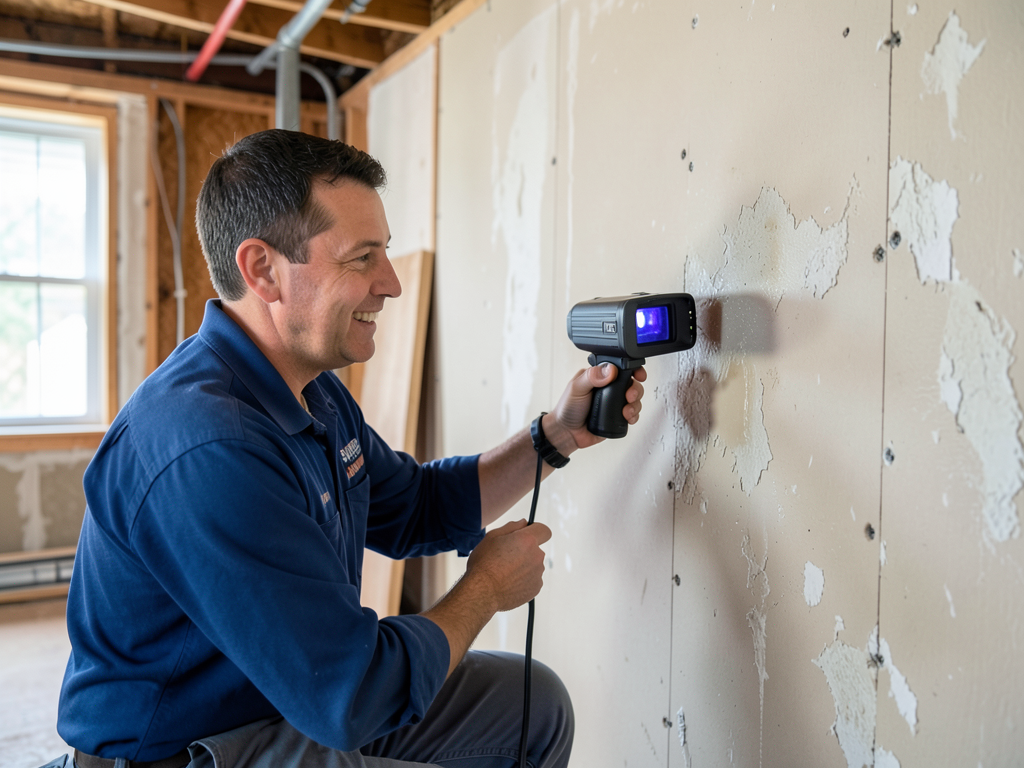
Hidden moisture is the enemy of successful restoration. Our technicians use FLIR thermal imaging cameras to detect temperature variations behind walls, under floors, and in ceiling cavities. These cameras reveal moisture patterns invisible to the naked eye, showing exactly where water has migrated beyond the visible damage area.
Moisture mapping involves taking readings at multiple depths using penetrating and non-penetrating moisture meters. Technicians create a detailed map showing moisture content in walls, floors, and structural elements. This data determines the drying strategy and predicts which materials can be saved versus those requiring removal.
Local Factor: Indianapolis’s high humidity levels in summer (often exceeding 70%) mean hidden moisture can lead to mold growth within 24-48 hours, making thorough moisture mapping essential for preventing secondary damage.
Phase 4: Structural Integrity and Mold Risk Evaluation
Water weakens structural components, and our assessment includes checking load-bearing walls, floor joists, and foundation integrity. Technicians look for signs of wood rot, metal corrosion, and compromised drywall that could pose safety risks. This evaluation is particularly important in Indianapolis’s older neighborhoods where historic homes may have hidden structural issues.
Mold risk assessment considers moisture levels, temperature, and organic material presence. Even Category 1 water can lead to mold growth in our humid climate. Technicians check for early signs of microbial growth, including musty odors, discoloration, and surface irregularities that might indicate active or potential mold development.
The structural assessment also evaluates the building’s drying potential. Factors like insulation type, vapor barriers, and construction methods affect how quickly materials can be dried in place versus requiring removal.
Phase 5: Documentation for Indianapolis Insurance Claims
Professional documentation is essential for insurance approval and proper compensation. Our technicians use Xactimate estimating software, the industry standard that insurance adjusters use for claims processing. The inspection report includes detailed photos, moisture readings, scope of work, and itemized costs that align with insurance industry pricing databases.. Read more about How to Document Your Possessions Before a Water Emergency Hits Your Indy Home.
In Indianapolis, documentation must comply with Indiana’s ‘Right to Repair’ laws and insurance regulations. The report includes specific details about building materials, square footage affected, and the restoration approach that insurance companies require for claim approval.
Technical Detail: Our moisture mapping creates a ‘drying curve’ graph showing how moisture content decreases over time, which insurance adjusters use to verify that proper drying protocols were followed according to IICRC S500 standards.
Phase 6: Developing the Restoration Plan
Based on all assessment data, technicians create a comprehensive restoration plan that includes water extraction methods, drying equipment placement, demolition requirements, and timeline estimates. This plan addresses both immediate needs and long-term prevention strategies specific to your property’s construction and Indianapolis’s climate challenges.
The plan includes equipment specifications, such as the number and type of air movers, dehumidifiers, and air scrubbers needed. It also outlines the sequence of restoration activities and identifies any specialty services required, such as mold remediation or structural repairs. Safe and Permanent Mold Remediation for Homes in Broad Ripple.
Communication with property owners is a key component of this phase. Technicians explain the findings in plain language, answer questions about the restoration process, and provide clear expectations about what to expect during the drying and restoration phases.
What to Do While Waiting for the Inspection
While waiting for professional help, you can take several steps to minimize damage. First, ensure safety by turning off electricity to affected areas if safe to do so. Remove valuable items from water-affected areas and elevate furniture using aluminum foil or wood blocks to prevent staining. Steps to Take After a Flood.
Document the damage with photos and videos for insurance purposes. Avoid using household vacuums for water removal as they can cause electrical shock. Do not attempt to dry large areas with fans as this can spread contamination in gray or black water situations.
Emergency Tip: In Indianapolis’s clay soil conditions, water can travel horizontally through foundation walls for 10-15 feet before showing visible signs inside. Don’t assume the damage is limited to what you can see.
Frequently Asked Questions
How long does a water damage inspection take?
A thorough inspection typically takes 45-90 minutes depending on the size of the affected area and the complexity of the damage. Larger commercial properties or multi-story buildings may require additional time for complete assessment.
Will the inspection find all the water damage?
Professional inspections using thermal imaging and moisture meters can detect hidden moisture in walls, under floors, and in ceiling cavities. However, some damage may only become apparent as materials dry and shift. Our documentation includes contingencies for discovering additional damage during the restoration process.
Does homeowners insurance cover water damage inspections?
Most insurance policies cover water damage inspections when the damage is sudden and accidental. Coverage may be limited for gradual damage or maintenance-related issues. Our technicians can help document the damage to support your insurance claim.
What if I have a sewage backup?
Sewage backups require immediate professional attention due to health risks. Our technicians are certified in Category 3 water remediation and follow strict protocols for containment, removal, and sanitization to ensure your property is safe for occupancy.
Understanding Water Damage Classes and Categories
| Water Category | Source Example | Health Risk | Restoration Approach |
|---|---|---|---|
| Category 1 | Broken supply line | Low | Drying and cleaning |
| Category 2 | Washing machine overflow | Moderate | Cleaning with antimicrobial treatment |
| Category 3 | Sewer backup | High | Removal and replacement of affected materials |
Water Damage Classes by Material Absorption
| Class | Material Type | Drying Time | Equipment Needs |
|---|---|---|---|
| Class 1 | Minimal absorption (concrete, tile) | 24-48 hours | Air movers, dehumidifiers |
| Class 2 | Significant absorption (carpet, drywall) | 48-72 hours | Air movers, dehumidifiers, air scrubbers |
| Class 3 | Maximum absorption (upholstered furniture, insulation) | 72+ hours | Intensive drying, possible removal |
Call (317) 703-7676 for Your Professional Water Damage Inspection
Don’t wait for water damage to worsen. Our certified technicians are available 24/7 to provide immediate water damage inspections throughout Indianapolis and surrounding areas. We bring the expertise, equipment, and documentation needed to restore your property quickly and safely.
Pick up the phone and call (317) 703-7676 before the next storm hits. Early intervention can save thousands in restoration costs and prevent health hazards from mold growth. Our team understands Indianapolis’s unique climate challenges and building construction methods, ensuring your property receives the specialized care it needs.
Learn more about our emergency response services in Carmel or discover our sewage cleanup expertise in Greenwood.
{
“@context”: “https://schema.org”,
“@type”: “BlogPosting”,
“headline”: “What to Expect During the Initial Water Damage Inspection and Assessment”,
“description”: “Learn what happens during a professional water damage inspection in Indianapolis. From moisture mapping to insurance documentation, discover how technicians assess your property.”,
“wordCount”: 1543,
“datePublished”: “2026-03-25T10:15:00.000Z”,
“dateModified”: “2026-03-25T10:15:00.000Z”,
“inLanguage”: “en-US”,
“mainEntityOfPage”: {
“@type”: “WebPage”,
“@id”: “https://apexwaterdamagerestorationindianapolis.com”
},
“publisher”: {
“@type”: “LocalBusiness”,
“name”: “Apex Water Damage Restoration Indianapolis”,
“url”: “https://apexwaterdamagerestorationindianapolis.com”
},
“author”: {
“@type”: “Organization”,
“name”: “Apex Water Damage Restoration Indianapolis”,
“url”: “https://apexwaterdamagerestorationindianapolis.com”
},
“image”: {
“@type”: “ImageObject”,
“url”: “https://apexwaterdamagerestorationindianapolis.com/wp-content/uploads/2026/03/what-to-expect-during-the-initial-water-damage-ins-1.png”
}
}
{
“@context”: “https://schema.org”,
“@type”: “LocalBusiness”,
“name”: “Apex Water Damage Restoration Indianapolis”,
“url”: “https://apexwaterdamagerestorationindianapolis.com”,
“address”: {
“@type”: “PostalAddress”,
“addressLocality”: “Indianapolis”
},
“areaServed”: {
“@type”: “City”,
“name”: “Indianapolis”
}
}
{
“@context”: “https://schema.org”,
“@type”: “FAQPage”,
“mainEntity”: [
{
“@type”: “Question”,
“name”: “How long does a water damage inspection take?”,
“acceptedAnswer”: {
“@type”: “Answer”,
“text”: “A thorough inspection typically takes 45-90 minutes depending on the size of the affected area and the complexity of the damage. Larger commercial properties or multi-story buildings may require additional time for complete assessment.”
}
},
{
“@type”: “Question”,
“name”: “Will the inspection find all the water damage?”,
“acceptedAnswer”: {
“@type”: “Answer”,
“text”: “Professional inspections using thermal imaging and moisture meters can detect hidden moisture in walls, under floors, and in ceiling cavities. However, some damage may only become apparent as materials dry and shift. Our documentation includes contingencies for discovering additional damage during the restoration process.”
}
},
{
“@type”: “Question”,
“name”: “Does homeowners insurance cover water damage inspections?”,
“acceptedAnswer”: {
“@type”: “Answer”,
“text”: “Most insurance policies cover water damage inspections when the damage is sudden and accidental. Coverage may be limited for gradual damage or maintenance-related issues. Our technicians can help document the damage to support your insurance claim.”
}
},
{
“@type”: “Question”,
“name”: “What if I have a sewage backup?”,
“acceptedAnswer”: {
“@type”: “Answer”,
“text”: “Sewage backups require immediate professional attention due to health risks. Our technicians are certified in Category 3 water remediation and follow strict protocols for containment, removal, and sanitization to ensure your property is safe for occupancy.”
}
}
]
}
{
“@context”: “https://schema.org”,
“@type”: “BreadcrumbList”,
“itemListElement”: [
{
“@type”: “ListItem”,
“position”: 1,
“name”: “Home”,
“item”: “https://apexwaterdamagerestorationindianapolis.com”
},
{
“@type”: “ListItem”,
“position”: 2,
“name”: “Blog”,
“item”: “https://apexwaterdamagerestorationindianapolis.com/blog”
},
{
“@type”: “ListItem”,
“position”: 3,
“name”: “What to Expect During the Initial Water Damage Inspection and Assessment”
}
]
}
{
“@context”: “https://schema.org”,
“@type”: “Service”,
“serviceType”: “Water Damage Restoration”,
“provider”: {
“@type”: “LocalBusiness”,
“name”: “Apex Water Damage Restoration Indianapolis”,
“url”: “https://apexwaterdamagerestorationindianapolis.com”
},
“areaServed”: {
“@type”: “City”,
“name”: “Indianapolis”
},
“description”: “Learn what happens during a professional water damage inspection in Indianapolis. From moisture mapping to insurance documentation, discover how technicians assess your property.”
}