
Your Rights as a Renter When Your Downtown Indy Apartment Suffers Water Damage
Water damage in your downtown Indianapolis apartment can feel overwhelming. You wake up to a soaked carpet, damaged furniture, and a landlord who seems nowhere to be found. Understanding your legal rights under Indiana law can help you take the right steps to protect yourself and your belongings. Indiana Code 32-31-8.
Indiana law requires landlords to maintain rental properties in a safe and habitable condition. This includes fixing water damage from burst pipes, roof leaks, or plumbing failures within a reasonable time. As a renter, you have the right to live in a dry, safe environment and to have your personal property restored or replaced when damage occurs. Who to Call for Emergency Water Damage Restoration in Carmel.
Most Indianapolis renters have two layers of protection: your landlord’s property insurance covers the building structure, while your own renters insurance covers your personal belongings. Understanding how these work together is critical when disaster strikes.. Read more about Understanding the Four Classes of Water Damage and How They Impact Your Insurance Quote.
Indiana Landlord-Tenant Law and Water Damage
Under Indiana Code 32-31-8, landlords must maintain their rental properties in compliance with building codes and make necessary repairs to keep units habitable. Water damage that creates unsafe living conditions falls under this requirement. EPA mold remediation guidelines.
If your apartment suffers water damage, Indiana law requires you to notify your landlord in writing. The landlord then has a reasonable time to make repairs. What counts as ‘reasonable’ depends on the severity of the damage. A burst pipe flooding your living room needs immediate attention, while a slow ceiling leak might allow 24-48 hours for response. Complete Water Damage Repair for Historic Homes in Meridian-Kessler.
If your landlord fails to respond within a reasonable time, you have several options under Indiana law. You can withhold rent until repairs are made, make the repairs yourself and deduct the cost from rent, or in severe cases, terminate your lease and move out.
However, you cannot simply stop paying rent without following proper procedures. Indiana law requires you to provide written notice and give your landlord a chance to fix the problem before taking these steps.
Your Renters Insurance Coverage in Indianapolis
Most renters insurance policies in Indianapolis include three key protections: personal property coverage, liability protection, and additional living expenses. Understanding what each covers can help you recover faster after water damage. Emergency Water Removal Services in Noblesville That Respond 24-7.
Personal property coverage protects your furniture, electronics, clothing, and other belongings from covered perils. Standard policies cover sudden and accidental water damage from burst pipes, appliance malfunctions, and plumbing failures. However, they typically exclude flood damage and gradual leaks.. Read more about Is it Safe to Stay in Your Home During the Water Restoration Process in Garfield Park?.
Liability protection covers you if the water damage spreads to other units or causes injuries to visitors. This can be crucial in multi-unit downtown buildings where water can travel between floors.
Additional living expenses coverage pays for temporary housing, meals, and other costs when your apartment becomes uninhabitable. In Indianapolis, this might mean hotel stays downtown or short-term rentals in nearby neighborhoods like Fountain Square or Fletcher Place.
Most Indianapolis renters insurance policies have deductibles between $500 and $1,000. Some policies offer replacement cost coverage, which pays to replace your damaged items at current prices, while others provide actual cash value, which factors in depreciation.
Common Water Damage Scenarios in Downtown Indy Apartments
Downtown Indianapolis apartments face unique water damage risks. The historic buildings in areas like Mass Ave and the Wholesale District often have aging plumbing systems that can fail unexpectedly. Many buildings share plumbing between units, meaning a neighbor’s leak can become your problem.
Winter brings special risks. When temperatures drop below freezing, pipes in older buildings can burst, flooding multiple units. The freeze-thaw cycles common in Central Indiana create stress on plumbing joints and connections.. Read more about Dealing with the Stress and Anxiety of a Sudden Home Flood in South Village.
Heavy summer rains can overwhelm drainage systems in older downtown buildings. The clay soil common in Indianapolis expands when wet, creating pressure on foundation walls and basement areas.
Roof leaks affect upper-floor units in multi-story buildings. Missing or damaged flashing around HVAC units, common on downtown rooftops, can allow water to enter during storms.
Steps to Take When Water Damage Occurs
Acting quickly can minimize damage and strengthen your position if disputes arise with your landlord or insurance company.
- Document Everything
Take photos and videos of all damage before cleaning up. Capture the source of the water, damaged belongings, and any visible structural issues. This documentation is crucial for insurance claims and potential legal action.. Read more about Finding the Source of a Mystery High Water Bill in Your Eagledale Home.
- Notify Your Landlord Immediately
Send written notice via email or text message. Include photos and describe the extent of the damage. Indiana law requires landlords to receive actual notice before their repair obligations begin.
- Mitigate Further Damage
Take reasonable steps to prevent additional damage. This might include moving furniture away from wet areas or placing buckets under active leaks. However, don’t make permanent repairs without landlord approval. Safe and Permanent Mold Remediation for Homes in Broad Ripple.
- Contact Your Insurance Company
Report the damage to your renters insurance company. Most policies require prompt notification. Ask about your coverage limits and deductible amounts.
- Keep All Receipts
Save receipts for any expenses related to the damage, including temporary housing, cleaning supplies, or emergency repairs. These may be reimbursable under your policy.
Landlord Responsibilities vs. Renter Responsibilities
Understanding who is responsible for what can prevent conflicts and ensure proper repairs.
| Landlord Responsibilities | Renter Responsibilities | Shared Responsibilities |
|---|---|---|
| Building structure and systems | Personal belongings | Preventing further damage |
| Plumbing repairs | Cleaning personal space | Documentation |
| Roof and exterior leaks | Insurance claims | Timely notification |
| Common area maintenance | Replacing damaged items | Cooperation with repairs |
| Ensuring habitability | Following lease terms | Access for inspections |
Landlords are responsible for repairing the building structure, including walls, floors, ceilings, and building systems like plumbing and HVAC. They must also address any issues that make your apartment unsafe or unhealthy to live in.
As a renter, you’re responsible for your personal property and for maintaining your living space. This includes basic cleaning and preventing damage from neglect. However, you’re not responsible for damage from normal wear and tear or building system failures.
Both parties share responsibility for preventing further damage once a problem is identified. This means taking reasonable steps to protect property and notifying the appropriate parties quickly.
Dealing with Mold After Water Damage
Indianapolis’s humid climate creates perfect conditions for mold growth after water damage. Mold can begin growing within 24-48 hours of water exposure, making quick action essential.
Under Indiana law, landlords must address mold problems that result from building defects or maintenance issues. However, they are not responsible for mold caused by tenant behavior, such as failing to ventilate bathrooms or allowing water to stand.
If you discover mold after water damage, document it thoroughly with photos and moisture readings if possible. Some mold species common in Indiana, like Stachybotrys chartarum, can cause health problems and require professional remediation. Professional Sewage Cleanup and Sanitization Services in Greenwood.
Professional mold remediation in Indianapolis typically costs between $500 and $6,000 depending on the extent of growth. Your renters insurance may cover mold removal if it results from a covered water damage event.
When to Call a Professional Restoration Company
Some water damage situations require professional help beyond what your landlord or insurance company provides.
Category 3 water damage, which includes sewage backups and flood water, requires specialized cleaning to prevent health hazards. The EPA mandates specific procedures for handling contaminated water to protect both workers and occupants.
Hidden moisture in walls and under flooring can cause problems long after visible water is gone. Professional restoration companies use moisture meters and thermal imaging cameras to detect water you cannot see.
Structural drying requires industrial equipment and expertise. Professional drying can prevent warping, swelling, and long-term damage that might not be covered by insurance if secondary damage occurs.
Many Indianapolis restoration companies work directly with insurance companies and can help document damage for claims. They understand local building codes and can ensure repairs meet Indianapolis/Marion County standards.
Legal Resources for Indianapolis Renters
If you cannot resolve water damage issues with your landlord, several resources can help.
The Indiana Legal Services provides free legal assistance to qualifying low-income residents. They can help you understand your rights and represent you in disputes with landlords.
The Indianapolis Office of Housing and Neighborhood Services offers mediation services for landlord-tenant disputes. They can help facilitate communication and find solutions without going to court.
The Marion County Small Claims Court handles disputes involving damages up to $6,000. This can be an efficient way to recover costs for damage or force repairs without expensive legal representation.
Local tenant unions and advocacy groups can provide education and support. While they cannot provide legal representation, they can help you understand your rights and connect you with resources.
Preventing Future Water Damage
While you cannot prevent all water damage, several steps can reduce your risk.
Install water leak detectors near appliances, under sinks, and in basements. These devices can alert you to problems before they cause major damage. Many modern detectors connect to smartphone apps for instant notifications.
Know where your main water shut-off valve is located. In apartment buildings, this might be in a utility closet or basement area. Being able to quickly shut off water can prevent extensive damage.
Maintain good relationships with your neighbors, especially in multi-unit buildings. They may notice problems in your unit before you do, particularly if you travel frequently.
Review your renters insurance policy annually to ensure you have adequate coverage. Consider adding riders for expensive items or flood coverage if you live in flood-prone areas of Indianapolis.
Frequently Asked Questions
How long does a landlord have to fix water damage in Indiana?
Indiana law requires landlords to make repairs within a reasonable time, typically 24-48 hours for serious water damage that affects habitability. The exact timeframe depends on the severity of the damage and local housing codes.
Does renters insurance cover water damage from a neighbor’s leak?
Yes, your renters insurance should cover damage to your personal property from a neighbor’s leak. However, your insurance company may seek reimbursement from your neighbor’s insurance company through a process called subrogation.
Can I break my lease due to water damage?
You may be able to break your lease if water damage makes your apartment uninhabitable and your landlord fails to make repairs within a reasonable time. However, you must follow proper legal procedures and document everything thoroughly.
What if my landlord won’t make repairs?
If your landlord refuses to make necessary repairs, you can withhold rent, make repairs yourself and deduct the cost, or pursue legal action. However, you must follow Indiana’s specific procedures for these remedies to avoid legal problems.
Does my landlord’s insurance cover my damaged furniture?
No, your landlord’s insurance only covers the building structure and their personal property. Your renters insurance covers your personal belongings. This is why having renters insurance is essential for all tenants.

– Photo showing water damage in a downtown Indianapolis apartment, with visible ceiling stains and damaged flooring, demonstrating the type of damage covered by renter’s insurance.
– Technician using moisture meter on apartment wall after water damage, showing professional assessment equipment used to detect hidden moisture in downtown buildings.
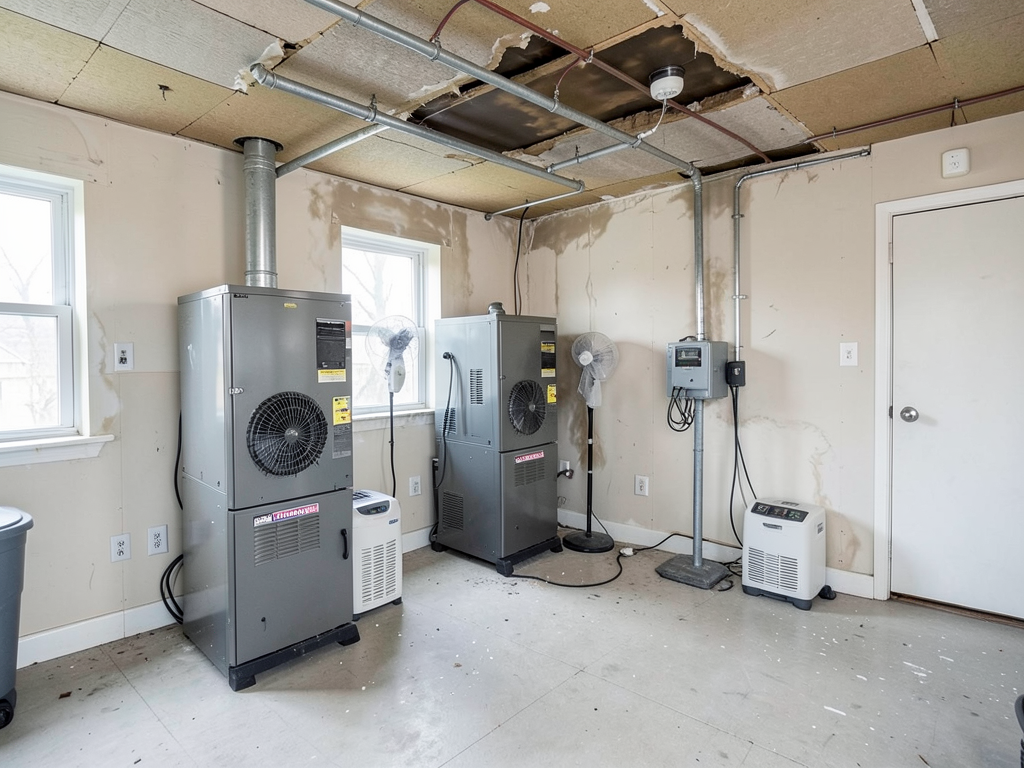
– Drying equipment setup in water-damaged apartment, demonstrating industrial dehumidifiers and air movers used in professional restoration services.
Take Action to Protect Your Rights
Water damage in your Indianapolis apartment requires quick, informed action. Document everything, notify your landlord in writing, and contact your insurance company immediately. Understanding your rights under Indiana law can help you recover faster and avoid costly mistakes.
If you’re dealing with water damage and need professional help, don’t wait. Call (317) 703-7676 today to speak with water damage restoration experts who understand Indianapolis rental properties and can help you navigate the insurance and repair process.
Remember, you have rights as a renter in Indianapolis. With the right knowledge and professional support, you can protect yourself, your belongings, and your living space from water damage.
{
“@context”: “https://schema.org”,
“@type”: “BlogPosting”,
“headline”: “Your Rights as a Renter When Your Downtown Indy Apartment Suffers Water Damage”,
“description”: “Know your renter’s rights in Indianapolis after water damage. Learn Indiana law, landlord responsibilities, and how to get your apartment restored fast.”,
“wordCount”: 1999,
“datePublished”: “2026-05-05T11:48:00.000Z”,
“dateModified”: “2026-05-05T11:48:00.000Z”,
“inLanguage”: “en-US”,
“mainEntityOfPage”: {
“@type”: “WebPage”,
“@id”: “https://apexwaterdamagerestorationindianapolis.com”
},
“publisher”: {
“@type”: “LocalBusiness”,
“name”: “Apex Water Damage Restoration Indianapolis”,
“url”: “https://apexwaterdamagerestorationindianapolis.com”
},
“author”: {
“@type”: “Organization”,
“name”: “Apex Water Damage Restoration Indianapolis”,
“url”: “https://apexwaterdamagerestorationindianapolis.com”
},
“image”: {
“@type”: “ImageObject”,
“url”: “https://apexwaterdamagerestorationindianapolis.com/wp-content/uploads/2026/03/your-rights-as-a-renter-when-your-downtown-indy-ap-1.png”
}
}
{
“@context”: “https://schema.org”,
“@type”: “LocalBusiness”,
“name”: “Apex Water Damage Restoration Indianapolis”,
“url”: “https://apexwaterdamagerestorationindianapolis.com”,
“address”: {
“@type”: “PostalAddress”,
“addressLocality”: “Indianapolis”
},
“areaServed”: {
“@type”: “City”,
“name”: “Indianapolis”
}
}
{
“@context”: “https://schema.org”,
“@type”: “FAQPage”,
“mainEntity”: [
{
“@type”: “Question”,
“name”: “How long does a landlord have to fix water damage in Indiana?”,
“acceptedAnswer”: {
“@type”: “Answer”,
“text”: “Indiana law requires landlords to make repairs within a reasonable time, typically 24-48 hours for serious water damage that affects habitability. The exact timeframe depends on the severity of the damage and local housing codes.”
}
},
{
“@type”: “Question”,
“name”: “Does renters insurance cover water damage from a neighbor’s leak?”,
“acceptedAnswer”: {
“@type”: “Answer”,
“text”: “Yes, your renters insurance should cover damage to your personal property from a neighbor’s leak. However, your insurance company may seek reimbursement from your neighbor’s insurance company through a process called subrogation.”
}
},
{
“@type”: “Question”,
“name”: “Can I break my lease due to water damage?”,
“acceptedAnswer”: {
“@type”: “Answer”,
“text”: “You may be able to break your lease if water damage makes your apartment uninhabitable and your landlord fails to make repairs within a reasonable time. However, you must follow proper legal procedures and document everything thoroughly.”
}
},
{
“@type”: “Question”,
“name”: “What if my landlord won’t make repairs?”,
“acceptedAnswer”: {
“@type”: “Answer”,
“text”: “If your landlord refuses to make necessary repairs, you can withhold rent, make repairs yourself and deduct the cost, or pursue legal action. However, you must follow Indiana’s specific procedures for these remedies to avoid legal problems.”
}
},
{
“@type”: “Question”,
“name”: “Does my landlord’s insurance cover my damaged furniture?”,
“acceptedAnswer”: {
“@type”: “Answer”,
“text”: “No, your landlord’s insurance only covers the building structure and their personal property. Your renters insurance covers your personal belongings. This is why having renters insurance is essential for all tenants.”
}
}
]
}
{
“@context”: “https://schema.org”,
“@type”: “HowTo”,
“name”: “Steps After Water Damage”,
“step”: [
{
“@type”: “HowToStep”,
“position”: 1,
“name”: “Document Everything”,
“text”: “Take photos and videos of all damage before cleaning up. Capture the source of the water, damaged belongings, and any visible structural issues. This documentation is crucial for insurance claims and potential legal action.”
},
{
“@type”: “HowToStep”,
“position”: 2,
“name”: “Notify Your Landlord Immediately”,
“text”: “Send written notice via email or text message. Include photos and describe the extent of the damage. Indiana law requires landlords to receive actual notice before their repair obligations begin.”
},
{
“@type”: “HowToStep”,
“position”: 3,
“name”: “Mitigate Further Damage”,
“text”: “Take reasonable steps to prevent additional damage. This might include moving furniture away from wet areas or placing buckets under active leaks. However, don’t make permanent repairs without landlord approval. Safe and Permanent Mold Remediation for Homes in Broad Ripple.”
},
{
“@type”: “HowToStep”,
“position”: 4,
“name”: “Contact Your Insurance Company”,
“text”: “Report the damage to your renters insurance company. Most policies require prompt notification. Ask about your coverage limits and deductible amounts.”
},
{
“@type”: “HowToStep”,
“position”: 5,
“name”: “Keep All Receipts”,
“text”: “Save receipts for any expenses related to the damage, including temporary housing, cleaning supplies, or emergency repairs. These may be reimbursable under your policy.”
}
],
“image”: “https://apexwaterdamagerestorationindianapolis.com/wp-content/uploads/2026/03/your-rights-as-a-renter-when-your-downtown-indy-ap-1.png”
}
{
“@context”: “https://schema.org”,
“@type”: “BreadcrumbList”,
“itemListElement”: [
{
“@type”: “ListItem”,
“position”: 1,
“name”: “Home”,
“item”: “https://apexwaterdamagerestorationindianapolis.com”
},
{
“@type”: “ListItem”,
“position”: 2,
“name”: “Blog”,
“item”: “https://apexwaterdamagerestorationindianapolis.com/blog”
},
{
“@type”: “ListItem”,
“position”: 3,
“name”: “Your Rights as a Renter When Your Downtown Indy Apartment Suffers Water Damage”
}
]
}
{
“@context”: “https://schema.org”,
“@type”: “Service”,
“serviceType”: “Water Damage Restoration”,
“provider”: {
“@type”: “LocalBusiness”,
“name”: “Apex Water Damage Restoration Indianapolis”,
“url”: “https://apexwaterdamagerestorationindianapolis.com”
},
“areaServed”: {
“@type”: “City”,
“name”: “Indianapolis”
},
“description”: “Know your renter’s rights in Indianapolis after water damage. Learn Indiana law, landlord responsibilities, and how to get your apartment restored fast.”
}