
Why You Should Look for IICRC Certification When Hiring an Indy Restoration Team
When water floods your Indianapolis home or business, the clock starts ticking. Every hour of delay can mean thousands in additional damage and potential health hazards. But before you pick up the phone, there’s one crucial credential you need to verify: IICRC certification. IICRC official website.
Certified technicians follow the S500 Standard for Professional Water Damage Restoration, ensuring your property is dried properly the first time. This isn’t just about speed—it’s about protecting your investment and preventing long-term structural issues that could cost you far more down the road. Who to Call for Emergency Water Damage Restoration in Carmel.
Indianapolis homes face unique challenges from our clay-heavy soil, combined sewer systems in older neighborhoods, and seasonal flooding patterns. A certified team understands these local factors and how they affect water migration through your property. Complete Water Damage Repair for Historic Homes in Meridian-Kessler.
What Makes IICRC Certification Essential for Indianapolis Property Owners
The Institute of Inspection Cleaning and Restoration Certification (IICRC) sets the gold standard for water damage restoration. Their S500 Standard isn’t a suggestion—it’s a comprehensive framework that certified technicians must follow for every job. Emergency Water Removal Services in Noblesville That Respond 24-7.
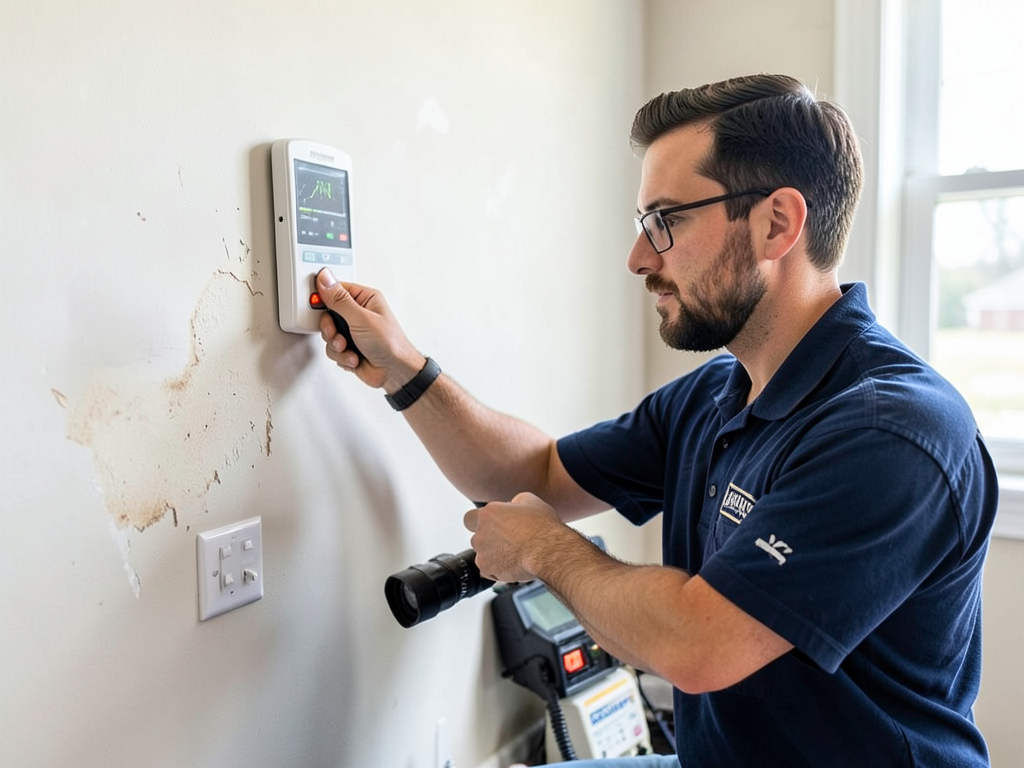
Why does this matter? Because water damage restoration isn’t just about removing visible water. It’s about understanding psychrometrics—the science of moisture movement through materials. Certified technicians use moisture meters at multiple depths, thermal imaging to detect hidden pockets, and specialized equipment calibrated to local conditions.
In Indianapolis, where many homes have basements and crawl spaces, proper drying prevents mold growth within 24-48 hours. The S500 standard requires specific humidity levels and drying times based on material types, something uncertified crews often overlook.
The Hidden Costs of Hiring Uncertified Restoration Crews
Category 3 water—sewage backups and floodwater—requires specific handling protocols. In older Indianapolis neighborhoods like Meridian-Kessler and Broad Ripple, combined sewer systems can back up during heavy rains, creating dangerous contamination that requires specialized PPE and disposal methods. Professional Sewage Cleanup and Sanitization Services in Greenwood.
Unc certified crews might extract visible water but leave behind moisture in wall cavities, under floorboards, or in insulation. This residual moisture creates perfect conditions for mold, which can begin growing within 24 hours in our humid Indiana climate.
Insurance companies also look for IICRC certification when processing claims. Many policies require restoration work to meet industry standards, and uncertified work can lead to claim denials or reduced payouts.
Understanding the S500 Standard and Why It Matters
The S500 Standard covers everything from initial inspection to final verification. It requires technicians to categorize water damage (Category 1, 2, or 3), determine the class of destruction, and develop a drying plan based on psychrometric calculations.
For Indianapolis properties, this means understanding how our clay soil affects foundation moisture, how our seasonal temperature swings impact drying times, and how local building materials respond to water exposure. A certified technician knows that a 1920s home in Lockerbie needs different treatment than a 2020s build in Carmel.
The standard also requires documentation proving proper drying, which is essential for insurance claims and protecting your property value. Without this documentation, you might face issues when selling your home or making future claims.
Applied Structural Drying: The Science Behind Certified Restoration
Applied Structural Drying (ASD) certification goes beyond basic water extraction. It teaches technicians how to manipulate temperature, humidity, and air movement to dry structures efficiently without causing secondary damage.
In Indianapolis, where humidity levels often exceed 70% during summer months, proper dehumidification is critical. Certified technicians use LGR (Low Grain Refrigerant) dehumidifiers and monitor specific humidity ratios to ensure materials return to pre-loss conditions.
They also understand how different materials absorb and release moisture. Hardwood floors require different treatment than engineered flooring. Plaster walls need different handling than drywall. This knowledge prevents costly mistakes like cupping floors or warped cabinetry.
Local Indianapolis Water Damage Challenges That Require Certification
Indianapolis’s geography creates specific water damage scenarios. The White River watershed means certain areas face higher flood risks. Our combined sewer systems in older neighborhoods can back up during heavy rains, creating Category 3 contamination that requires specialized handling.
Many Indianapolis homes have basements with sump pumps that fail during power outages or heavy storms. Certified technicians understand how to address these situations, including proper disinfection protocols for sewage contamination and preventing cross-contamination to unaffected areas.
Freeze-thaw cycles in winter cause burst pipes, particularly in older homes with inadequate insulation. Certified crews know how to thaw pipes safely, repair damage, and prevent mold growth in the aftermath. EPA mold information.
Equipment and Technology: Why Certification Matters for Proper Usage
Professional water damage restoration requires specialized equipment: moisture meters, thermal imaging cameras, LGR dehumidifiers, air movers, and extraction units. But equipment is only as good as the operator.
Certified technicians understand how to interpret moisture meter readings at different depths, how to position air movers for optimal airflow patterns, and how to calculate dehumidifier requirements based on cubic footage and material types.
They also know when to use specific tools. For instance, in a historic home in Old Northside with lathe and plaster walls, aggressive drying might cause more damage than the water itself. Certification teaches when to use gentler approaches.
Insurance Claims and Certification: Protecting Your Investment
Insurance companies prefer—and often require—IICRC-certified restoration work. When you file a claim, the adjuster needs to know the work meets industry standards. Certified documentation provides this assurance.
Many Indianapolis homeowners find that certified restoration actually saves money in the long run. Proper drying prevents secondary damage that would require additional claims. It also provides documentation that can be crucial if issues arise months later.
Insurance companies also recognize that certified crews work more efficiently, reducing overall claim costs. This can mean faster approvals and fewer disputes over coverage.
How to Verify IICRC Certification in Indianapolis
Don’t just take a company’s word for certification. The IICRC maintains a public verification directory where you can check technician credentials. Ask for certification numbers and verify them directly.
Also, understand that companies can be certified, but individual technicians need their own credentials. Ask about the specific certifications of the crew that will work on your property.
In Indianapolis, reputable restoration companies proudly display their IICRC credentials and are happy to discuss their training and experience with local conditions.
The Cost Factor: Why Certified Restoration Often Saves Money
While certified restoration might seem more expensive upfront, it often costs less overall. Proper drying prevents secondary damage that would require additional repairs. It also reduces the risk of mold growth, which can cost thousands to remediate.
Consider the alternative: hiring an uncertified crew that misses moisture in wall cavities. You might save $500 initially, but if mold develops, you could face $5,000-$15,000 in remediation costs plus potential health issues. Safe and Permanent Mold Remediation for Homes in Broad Ripple.
Certified crews also work more efficiently, often completing jobs faster with better results. This means less disruption to your life and quicker return to normalcy.
Choosing the Right Certified Restoration Team in Indianapolis
Look for companies with both IICRC certification and local experience. Indianapolis’s unique challenges—from our soil conditions to our building codes—require specific knowledge that comes from working in the area.
Ask about their response times, equipment, and process. A reputable company will explain their approach clearly and provide references from local customers.
Also, verify they carry proper insurance and can work directly with your insurance company. This streamlines the process and protects you from liability.
Emergency Response: The Critical First Hours
When water damage occurs, the first 24-48 hours are critical. Mold can begin growing within 24 hours, and water continues to migrate through materials, causing progressive damage.
Certified restoration teams understand the urgency and have protocols for rapid response. They know how to prioritize safety, begin water extraction, and set up drying equipment immediately.
In Indianapolis, where many homes have basements or crawl spaces, quick action prevents water from wicking up walls or damaging flooring systems.
Health and Safety: The Certification Difference
Water damage creates health hazards beyond mold. Category 3 water contains pathogens that can cause serious illness. Certified technicians understand proper PPE requirements, decontamination procedures, and safe disposal methods.
They also know how to protect unaffected areas from cross-contamination. This includes setting up containment barriers, using HEPA filtration, and following specific cleaning protocols.
For families with children, elderly members, or those with respiratory issues, these safety measures are crucial.
Long-Term Protection: Why Certification Matters After the Job Ends
Certified restoration provides documentation that protects you long after the work is complete. This includes moisture readings showing proper drying, photos documenting the process, and written reports for insurance and future reference.
This documentation can be crucial if issues arise later or if you need to file future insurance claims. It also provides peace of mind that the job was done correctly.
Many certified companies also offer follow-up inspections to ensure everything remains in good condition.
Call (317) 703-7676 for Certified Water Damage Restoration in Indianapolis
Don’t risk your property and health with uncertified restoration. Our IICRC-certified team understands Indianapolis’s unique challenges and follows the S500 Standard for every job.
We provide 24/7 emergency response throughout Marion County and surrounding areas. Our technicians use advanced moisture detection equipment and follow strict protocols to ensure your property is restored properly.
Call (317) 703-7676 now for immediate assistance. We work directly with insurance companies and provide complete documentation for your protection.
Pick up the phone and call (317) 703-7676 before the next storm hits. Your property deserves certified expertise.
Frequently Asked Questions
What does IICRC certification mean for water damage restoration?
IICRC certification means technicians have completed rigorous training in the S500 Standard for Professional Water Damage Restoration. They understand proper drying techniques, safety protocols, and how to prevent secondary damage like mold growth.
How quickly should I call for water damage restoration in Indianapolis?
Call immediately. Water continues to cause damage every hour, and mold can begin growing within 24-48 hours. Our certified team provides 24/7 emergency response throughout Indianapolis and surrounding areas.
Will my insurance cover certified water damage restoration?
Most insurance policies cover water damage restoration that meets industry standards. IICRC-certified work provides the documentation insurance companies require, and we work directly with your insurance company to streamline the claims process.
What makes Indianapolis water damage restoration different from other cities?
Indianapolis has unique challenges including clay soil that affects foundation moisture, combined sewer systems in older neighborhoods, and seasonal flooding patterns. Certified technicians understand these local factors and how they impact restoration work.
{
“@context”: “https://schema.org”,
“@type”: “BlogPosting”,
“headline”: “Why You Should Look for IICRC Certification When Hiring an Indy Restoration Team”,
“description”: “Discover why IICRC certification matters for Indianapolis water damage restoration. Learn how certified professionals protect your property and ensure insurance compliance.”,
“wordCount”: 1771,
“datePublished”: “2026-05-15T09:08:00.000Z”,
“dateModified”: “2026-05-15T09:08:00.000Z”,
“inLanguage”: “en-US”,
“mainEntityOfPage”: {
“@type”: “WebPage”,
“@id”: “https://apexwaterdamagerestorationindianapolis.com”
},
“publisher”: {
“@type”: “LocalBusiness”,
“name”: “Apex Water Damage Restoration Indianapolis”,
“url”: “https://apexwaterdamagerestorationindianapolis.com”
},
“author”: {
“@type”: “Organization”,
“name”: “Apex Water Damage Restoration Indianapolis”,
“url”: “https://apexwaterdamagerestorationindianapolis.com”
},
“image”: {
“@type”: “ImageObject”,
“url”: “https://apexwaterdamagerestorationindianapolis.com/wp-content/uploads/2026/03/why-you-should-look-for-iicrc-certification-when-h-1.png”
}
}
{
“@context”: “https://schema.org”,
“@type”: “LocalBusiness”,
“name”: “Apex Water Damage Restoration Indianapolis”,
“url”: “https://apexwaterdamagerestorationindianapolis.com”,
“address”: {
“@type”: “PostalAddress”,
“addressLocality”: “Indianapolis”
},
“areaServed”: {
“@type”: “City”,
“name”: “Indianapolis”
}
}
{
“@context”: “https://schema.org”,
“@type”: “FAQPage”,
“mainEntity”: [
{
“@type”: “Question”,
“name”: “What does IICRC certification mean for water damage restoration?”,
“acceptedAnswer”: {
“@type”: “Answer”,
“text”: “IICRC certification means technicians have completed rigorous training in the S500 Standard for Professional Water Damage Restoration. They understand proper drying techniques, safety protocols, and how to prevent secondary damage like mold growth.”
}
},
{
“@type”: “Question”,
“name”: “How quickly should I call for water damage restoration in Indianapolis?”,
“acceptedAnswer”: {
“@type”: “Answer”,
“text”: “Call immediately. Water continues to cause damage every hour, and mold can begin growing within 24-48 hours. Our certified team provides 24/7 emergency response throughout Indianapolis and surrounding areas.”
}
},
{
“@type”: “Question”,
“name”: “Will my insurance cover certified water damage restoration?”,
“acceptedAnswer”: {
“@type”: “Answer”,
“text”: “Most insurance policies cover water damage restoration that meets industry standards. IICRC-certified work provides the documentation insurance companies require, and we work directly with your insurance company to streamline the claims process.”
}
},
{
“@type”: “Question”,
“name”: “What makes Indianapolis water damage restoration different from other cities?”,
“acceptedAnswer”: {
“@type”: “Answer”,
“text”: “Indianapolis has unique challenges including clay soil that affects foundation moisture, combined sewer systems in older neighborhoods, and seasonal flooding patterns. Certified technicians understand these local factors and how they impact restoration work.”
}
}
]
}
{
“@context”: “https://schema.org”,
“@type”: “BreadcrumbList”,
“itemListElement”: [
{
“@type”: “ListItem”,
“position”: 1,
“name”: “Home”,
“item”: “https://apexwaterdamagerestorationindianapolis.com”
},
{
“@type”: “ListItem”,
“position”: 2,
“name”: “Blog”,
“item”: “https://apexwaterdamagerestorationindianapolis.com/blog”
},
{
“@type”: “ListItem”,
“position”: 3,
“name”: “Why You Should Look for IICRC Certification When Hiring an Indy Restoration Team”
}
]
}
{
“@context”: “https://schema.org”,
“@type”: “Service”,
“serviceType”: “Water Damage Restoration”,
“provider”: {
“@type”: “LocalBusiness”,
“name”: “Apex Water Damage Restoration Indianapolis”,
“url”: “https://apexwaterdamagerestorationindianapolis.com”
},
“areaServed”: {
“@type”: “City”,
“name”: “Indianapolis”
},
“description”: “Discover why IICRC certification matters for Indianapolis water damage restoration. Learn how certified professionals protect your property and ensure insurance compliance.”
}