
The Hidden Danger of Rubber Washing Machine Hoses in Your Greenwood Laundry Room
Your washing machine sits quietly in the corner of your Greenwood laundry room, but the rubber hoses connecting it to your water supply could be a ticking time bomb. These seemingly harmless rubber tubes can burst without warning, sending hundreds of gallons of water flooding through your home in minutes. In Greenwood’s hard water conditions and with our region’s freeze-thaw cycles, rubber hoses deteriorate faster than most homeowners realize. Who to Call for Emergency Water Damage Restoration in Carmel.
Indianapolis water contains high mineral content that accelerates rubber degradation. The constant pressure fluctuations in our municipal water system create microscopic cracks in rubber hoses that grow over time. When combined with the vibration of your washing machine during spin cycles, these weak points eventually fail catastrophically. A single burst hose can release 650 gallons of water per hour – enough to destroy flooring, drywall, and personal belongings before you even notice the problem. Complete Water Damage Repair for Historic Homes in Meridian-Kessler.
The good news is that this disaster is entirely preventable. Understanding the risks and taking simple precautions can save you thousands in water damage repairs and protect your Greenwood home from one of the most common but overlooked household hazards. EPA WaterSense.
Why Rubber Washing Machine Hoses Fail in Greenwood Homes
Rubber washing machine hoses typically last 3-5 years under ideal conditions. In Greenwood’s environment, they often fail much sooner. The combination of mineral-rich water from Citizens Energy Group and temperature fluctuations creates the perfect storm for hose deterioration. Emergency Water Removal Services in Noblesville That Respond 24-7.
Hard water deposits build up inside rubber hoses, restricting water flow and creating pressure points. These deposits also weaken the rubber from the inside out, making it brittle and prone to cracking. When temperatures drop below freezing in winter, any water trapped in the hose expands, causing further stress on the already weakened material.
Many Greenwood homes, particularly those built before 2000, have rubber hoses that have been in service for over a decade. These aging hoses are especially vulnerable to sudden failure. The rubber becomes dry and cracked, losing its flexibility and strength. A simple vibration from the washing machine can be enough to cause a catastrophic rupture.
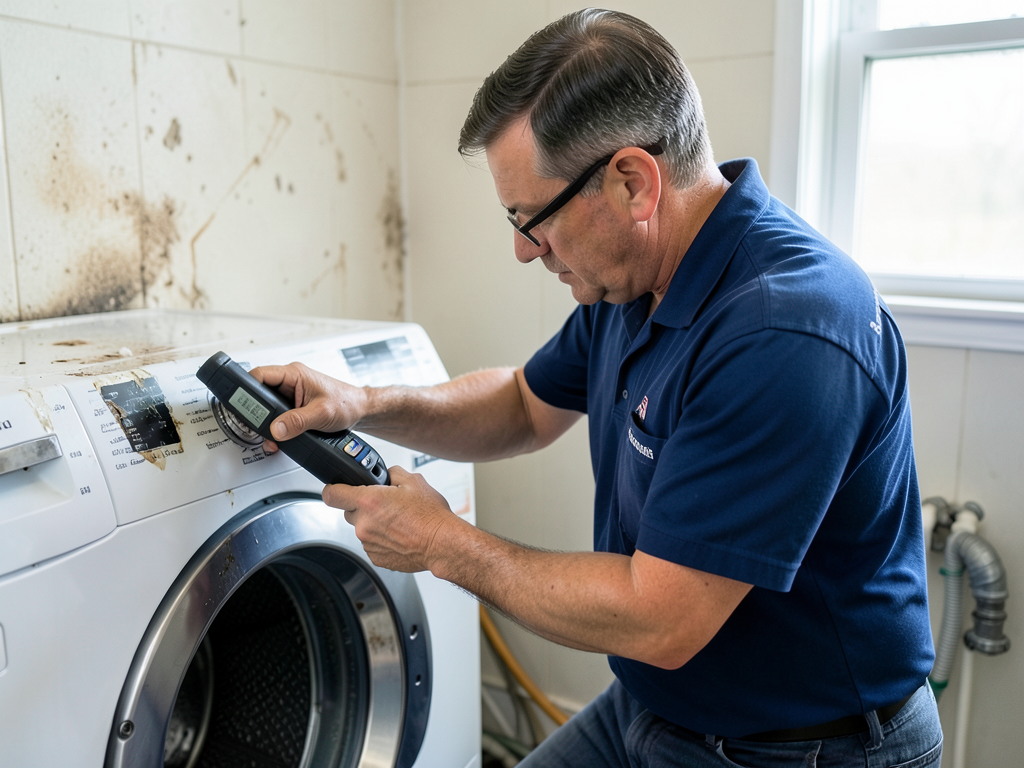
Image description: Close-up comparison showing a deteriorated rubber washing machine hose with visible cracks and a new stainless steel braided hose, highlighting the aging signs homeowners should watch for.
Rubber vs. Braided Stainless Steel: The Safety Comparison
Replacing rubber hoses with braided stainless steel options dramatically reduces your flood risk. Here’s how they compare:
| Feature | Rubber Hoses | Braided Stainless Steel |
|---|---|---|
| Typical Lifespan | 3-5 years | 10-15 years |
| Burst Pressure | 300-500 PSI | 1,200+ PSI |
| Hard Water Resistance | Poor – mineral buildup | Excellent – corrosion resistant |
| UV/Heat Resistance | Fair – degrades over time | Excellent – maintains integrity |
| Cost | $5-10 per hose | $20-40 per hose |
Braided stainless steel hoses feature a rubber interior surrounded by a woven stainless steel exterior. This construction provides superior burst resistance and prevents the kinking that often damages rubber hoses. The steel braiding also resists rodent damage and physical impacts that can puncture rubber.
For Greenwood homeowners, the investment in stainless steel hoses pays for itself many times over. Consider that a single burst hose can cause $5,000-15,000 in water damage, while replacing your hoses costs less than $100 total.
5 Warning Signs Your Washing Machine Hoses Are Failing
Before a catastrophic failure occurs, washing machine hoses often show warning signs. Learning to recognize these indicators can help you prevent a flood before it happens.
- Visible Bulging or Blistering – When rubber hoses begin to fail, they often develop visible bulges or blisters along their length. These weak spots indicate the internal structure is breaking down.
- Cracking or Dry Rot – Check the ends of your hoses where they connect to the washing machine and water supply. Small cracks or a dry, brittle texture mean the rubber is deteriorating.
- Corrosion on Metal Fittings – White or green deposits around the hose connections indicate mineral buildup and potential corrosion that can weaken the seal.
- Water Stains or Moisture – Any sign of moisture around your washing machine connections suggests a slow leak that could become a major failure.
- Age Over 5 Years – Even if hoses look fine, rubber deteriorates with age. Replace any hose over 5 years old as a preventive measure.
Perform this inspection every six months. Pay special attention during seasonal changes when temperature fluctuations are most extreme. A quick visual check could save you from a major flood.
The Role of Hard Water in Hose Deterioration
Greenwood’s water supply from Citizens Energy Group contains significant mineral content, particularly calcium and magnesium. These minerals create hard water that affects everything from your appliances to your plumbing fixtures.
When hard water flows through rubber washing machine hoses, mineral deposits accumulate on the interior walls. Over time, these deposits create rough surfaces that trap debris and bacteria. The minerals also react with the rubber, causing it to become brittle and prone to cracking.
Water pressure fluctuations common in Greenwood neighborhoods can exacerbate this problem. When water pressure spikes, it forces mineral-laden water through the weakened rubber at higher velocities, accelerating the deterioration process. The combination of mineral buildup and pressure stress creates the perfect conditions for hose failure.
Hard water also affects the rubber’s flexibility. As minerals deposit on the hose walls, the rubber loses its ability to expand and contract with temperature changes. This reduced flexibility makes the hose more susceptible to cracking when subjected to the normal vibrations of a washing machine.
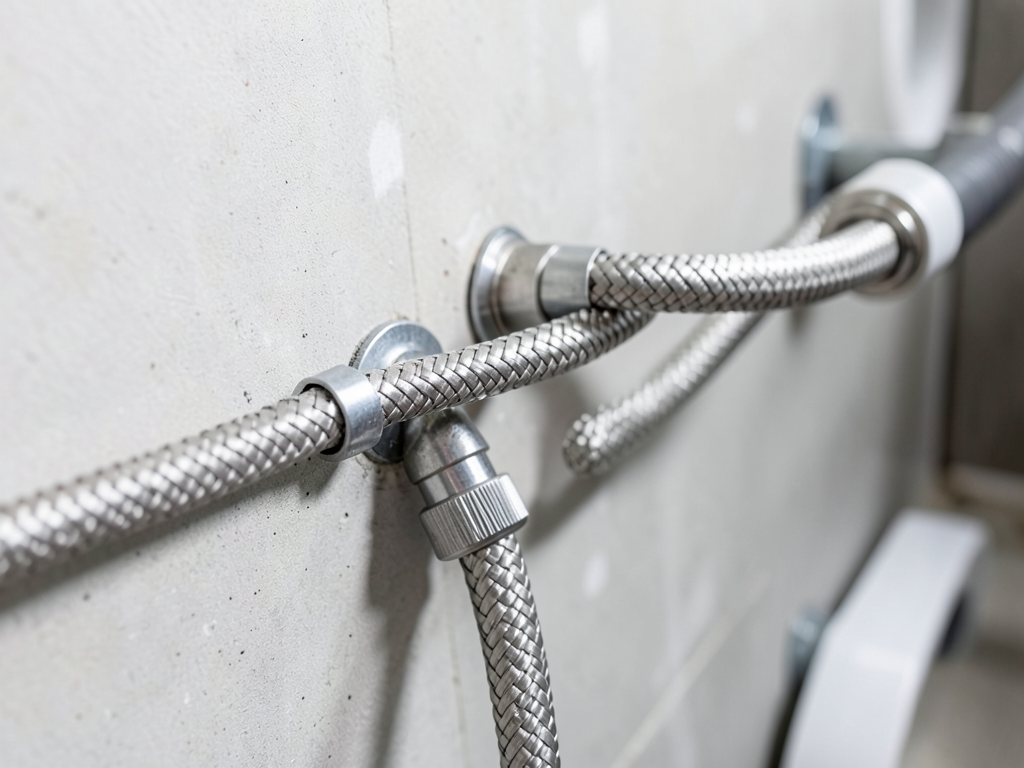
Image description: Technician using a water pressure gauge to test municipal water pressure at a residential washing machine connection, demonstrating the diagnostic process for identifying pressure-related hose risks.
Emergency Steps: What to Do if Your Hose Bursts
Even with prevention measures, hose failures can still occur. Knowing what to do in those critical first minutes can minimize damage to your Greenwood home.
- Shut Off the Water Immediately
Locate your main water shut-off valve and turn it clockwise to stop the flow. This valve is typically near your water meter or where the main line enters your home. If you can’t find it quickly, look for individual shut-off valves behind the washing machine.
- Unplug the Washing Machine
Water and electricity create a dangerous combination. Pull the machine’s plug or shut off power at the circuit breaker to prevent electrical hazards.
- Remove Standing Water
Use towels, mops, or a wet vacuum to remove as much standing water as possible. The faster you remove water, the less damage it can cause to flooring and walls.
- Document the Damage
Take photos and videos of all affected areas for insurance purposes. Document the source of the leak and the extent of water spread.. Read more about Understanding Why Your Standard Insurance Might Not Cover a Sump Pump Overflow in Greenwood.
- Call for Professional Help
Time is critical in water damage situations. Call (317) 703-7676 for 24/7 emergency water damage restoration services. Professional extraction and drying can prevent mold growth and structural damage. Professional Sewage Cleanup and Sanitization Services in Greenwood.
Every minute counts after a hose burst. Water can wick up walls, seep under flooring, and create the perfect environment for mold growth within 24-48 hours. Professional water damage restoration teams use industrial-grade equipment to extract water and begin the drying process immediately.
Don’t wait to see if the problem resolves itself. Water damage rarely improves on its own and often worsens rapidly. Professional restoration services can save you thousands in repair costs by addressing the damage quickly and thoroughly.
Smart Prevention: Automatic Shut-Off Valves and Leak Detection
Beyond replacing your hoses, several smart technologies can provide additional protection against washing machine floods. These devices add an extra layer of security and can even prevent damage when you’re not home.. Read more about The Most Reliable Smart Leak Detectors for Protecting Your Home in Noblesville.
Automatic shut-off valves monitor water flow to your washing machine. If they detect an unusual flow pattern that indicates a burst hose, they automatically shut off the water supply. These devices can prevent thousands of dollars in damage by stopping the water flow within seconds of a rupture.
Water leak sensors placed around your washing machine create an early warning system. These battery-powered devices sound an alarm when they detect moisture, alerting you to small leaks before they become major problems. Some advanced models can send alerts to your smartphone, allowing you to respond even when you’re away from home.
Whole-house water monitoring systems take prevention to the next level. These devices attach to your main water line and monitor water usage patterns throughout your home. They can detect unusual activity, automatically shut off water when problems are detected, and provide usage data that helps identify potential issues before they cause damage.
For Greenwood homeowners who travel frequently or own rental properties, these smart prevention systems provide peace of mind and protection against costly water damage.
Proper Installation: The Foundation of Hose Longevity
Even the best hoses can fail prematurely if installed incorrectly. Proper installation ensures your washing machine hoses last their full expected lifespan and reduces the risk of sudden failure.
Leave adequate space between your washing machine and the wall. Most manufacturers recommend at least 4-6 inches of clearance. This prevents kinking, which creates weak points in the hose and restricts water flow. Kinked hoses are more likely to burst under pressure.
Hand-tighten hose connections, then give them an additional quarter-turn with pliers. Overtightening can damage the rubber seals and cause leaks, while undertightening leaves connections vulnerable to separation under pressure.
Install rubber washers in both ends of each hose. These small components create the seal that prevents leaks. Replace washers whenever you replace hoses, as they deteriorate over time.
Check that your washing machine is level. An unlevel machine creates uneven stress on hoses and connections. Use a bubble level to verify your machine sits evenly on all four corners.
Consider installing a water hammer arrestor if you hear banging noises when your washing machine fills. These devices absorb the shock waves that occur when water flow suddenly stops, reducing stress on your plumbing system and hoses.
Image description: Professional technician demonstrating proper washing machine hose installation, showing correct spacing from the wall and secure connection techniques to prevent future failures.
Water Pressure Regulation: Protecting Your Plumbing System
Excessive water pressure is a major contributor to washing machine hose failures. Greenwood homes typically receive water at pressures between 40-80 PSI from the municipal supply, but pressure can spike higher during certain times of day or after water main repairs.
Install a water pressure gauge on an outdoor spigot to check your home’s water pressure. If readings consistently exceed 80 PSI, consider installing a pressure-reducing valve. These devices maintain safe, consistent pressure throughout your home’s plumbing system.
Water pressure regulators should be installed where the main water line enters your home. They typically last 10-15 years before needing replacement. If your home is older and still has the original regulator, it may not be functioning properly.
High water pressure doesn’t just affect hoses. It can damage your water heater, dishwasher, and other appliances. It also increases the risk of pipe bursts and joint failures throughout your plumbing system.
Check your pressure-reducing valve annually. If you notice water pressure fluctuations or hear banging pipes when water is turned off quickly, your regulator may need adjustment or replacement.
The True Cost of a Washing Machine Leak in Greenwood
A burst washing machine hose can cause extensive damage in a matter of minutes. Understanding the potential costs helps justify the relatively small investment in prevention.
Water extraction and drying typically costs $2,000-5,000 depending on the affected area’s size. This includes water removal, dehumidification, and initial cleaning. However, this is just the beginning of the restoration process.
Damaged flooring often needs replacement. Laminate and hardwood flooring affected by water typically costs $3,000-8,000 to replace, while carpet and padding removal and replacement runs $1,000-3,000. Tile flooring may require less extensive repairs but still needs professional assessment.
Water-damaged drywall requires cutting out and replacing affected sections. This process typically costs $1,500-4,000, including new materials and labor. If water has been present for more than 24 hours, mold remediation becomes necessary, adding $2,000-6,000 to your costs. Safe and Permanent Mold Remediation for Homes in Broad Ripple.
Personal belongings damaged by water can represent significant losses. Clothing, furniture, electronics, and irreplaceable items may total thousands of dollars in losses. Many homeowner’s insurance policies have deductibles of $1,000 or more, meaning you’ll pay out of pocket for much of the damage.
Beyond the direct costs, water damage causes significant disruption to your daily life. You may need to relocate temporarily while repairs are completed, adding hotel costs and the inconvenience of being displaced from your home.
Local Building Codes and Insurance Requirements
Indiana Residential Code requires washing machine installations to meet specific safety standards. While the code doesn’t mandate stainless steel hoses, it does require proper installation and maintenance of all plumbing connections.
Many insurance companies now require automatic shut-off valves for coverage on washing machine-related water damage claims. Some policies offer premium discounts for homes with these safety devices installed. Check your policy or contact your insurance agent to understand your specific requirements.
The National Fire Protection Association (NFPA) 13D standard, while primarily focused on fire protection systems, influences residential plumbing codes that affect washing machine installations. These standards ensure proper water pressure and flow rates that protect your plumbing system.
Local building inspectors in Greenwood and surrounding areas look for proper hose installation during final inspections. While they don’t specifically check for rubber versus stainless steel hoses, they do verify that all connections are secure and properly supported.
For rental properties, some municipalities require specific safety features like automatic shut-off valves. Check with your local building department to ensure your rental property meets all current requirements.
Maintenance Schedule: Keeping Your Laundry Room Safe
Regular maintenance prevents most washing machine hose failures. Create a schedule to inspect and maintain your laundry room components.
Every six months:
- Visually inspect all hoses for signs of wear, bulging, or cracking
- Check hose connections for moisture or corrosion
- Test water pressure using a gauge
- Clean the washing machine’s lint filter and drain pump
- Check that the machine sits level
Annually:
- Replace rubber washers in hose connections
- Test your main water shut-off valve to ensure it operates smoothly
- Clean the washing machine’s exterior and interior surfaces
- Check the condition of your floor drain if you have one
Every five years:
- Replace all washing machine hoses regardless of appearance
- Inspect and potentially replace your pressure-reducing valve
- Consider upgrading to a smart water monitoring system
Mark these tasks on your calendar or set phone reminders. Consistent maintenance costs far less than emergency repairs and provides peace of mind.
When to Call a Professional
While many prevention steps are DIY-friendly, certain situations require professional expertise. Knowing when to call for help can prevent minor issues from becoming major problems.. Read more about How to Prep Your Indy Home for a Long Vacation Without Coming Back to a Flood.
Call a professional if you notice:
- Water pressure consistently above 80 PSI
- Moisture around connections that persists after tightening
- Unusual noises from your washing machine during operation
- Signs of mold growth around your laundry area
- Water damage that has spread beyond the immediate laundry area
Professional water damage restoration services provide comprehensive solutions that go beyond simple cleanup. They use moisture meters to detect hidden water in walls and under flooring, preventing future mold growth and structural damage.. Read more about The Hidden Cost of Leaving Your Garden Hose Connected During an Indianapolis Winter.
For Greenwood residents, local professionals understand the specific challenges our water quality and climate create. They can recommend products and solutions tailored to our area’s unique conditions.
Don’t wait until you have a flood to call for help. Many water damage issues start small and worsen over time. A professional inspection can identify potential problems before they cause expensive damage.
Frequently Asked Questions
How often should I replace my washing machine hoses?
Replace rubber washing machine hoses every 3-5 years, even if they appear to be in good condition. Stainless steel braided hoses last 10-15 years but should still be inspected annually for signs of wear.
Can I use Teflon tape on washing machine hose connections?
No, Teflon tape is not recommended for washing machine hose connections. The rubber washers inside the hose fittings create the seal. Tape can actually prevent proper sealing and cause leaks.
What’s the best type of washing machine hose for Greenwood’s hard water?
Braided stainless steel hoses with a polymer coating offer the best protection against Greenwood’s hard water. The coating resists mineral buildup while the stainless steel exterior provides superior burst resistance.
How much does it cost to replace washing machine hoses professionally?
Professional hose replacement typically costs $150-250, including the new hoses and labor. This is significantly less than the cost of water damage repairs from a burst hose.
Will my homeowner’s insurance cover water damage from a burst hose?
Most policies cover sudden, accidental water damage, but coverage varies by provider and policy. Some insurers require automatic shut-off valves for coverage. Check your policy or contact your agent for specific details.
Take Action Today to Protect Your Greenwood Home
Rubber washing machine hoses pose a real and preventable flood risk to Greenwood homes. The combination of our area’s hard water, temperature fluctuations, and aging housing stock creates conditions where these hoses can fail without warning.
Don’t wait for a disaster to strike. Take these simple steps today:
- Inspect your current hoses for signs of wear
- Replace any hose over 5 years old with braided stainless steel
- Install a water pressure gauge to check your home’s pressure
- Consider adding automatic shut-off valves for extra protection
- Schedule regular maintenance to catch problems early
If you’ve experienced water damage or want a professional inspection of your laundry room plumbing, call Apex Water Damage Restoration Indianapolis at (317) 703-7676. Our 24/7 emergency response team can help you prevent disasters or quickly address water damage when it occurs.
Pick up the phone and call (317) 703-7676 before the next storm hits. A quick inspection today could save you thousands in water damage repairs tomorrow. Your Greenwood home deserves the best protection against this hidden danger.
Remember, the cost of prevention is always less than the cost of repair. Don’t let a simple hose failure turn into a major disaster. Take action now to protect your home and your peace of mind.
For more information about water damage prevention or to schedule an inspection, visit our website or call us directly. We’re here to help Greenwood homeowners stay safe and dry. For more information, visit IICRC.
{
“@context”: “https://schema.org”,
“@type”: “BlogPosting”,
“headline”: “The Hidden Danger of Rubber Washing Machine Hoses in Your Greenwood Laundry Room”,
“description”: “Discover why rubber washing machine hoses pose a hidden flood risk in Greenwood homes. Learn about burst prevention, hard water effects, and when to call Apex Restoration.”,
“wordCount”: 3083,
“datePublished”: “2026-05-21T07:04:00.000Z”,
“dateModified”: “2026-05-21T07:04:00.000Z”,
“inLanguage”: “en-US”,
“mainEntityOfPage”: {
“@type”: “WebPage”,
“@id”: “https://apexwaterdamagerestorationindianapolis.com”
},
“publisher”: {
“@type”: “LocalBusiness”,
“name”: “Apex Water Damage Restoration Indianapolis”,
“url”: “https://apexwaterdamagerestorationindianapolis.com”
},
“author”: {
“@type”: “Organization”,
“name”: “Apex Water Damage Restoration Indianapolis”,
“url”: “https://apexwaterdamagerestorationindianapolis.com”
},
“image”: {
“@type”: “ImageObject”,
“url”: “https://apexwaterdamagerestorationindianapolis.com/wp-content/uploads/2026/03/the-hidden-danger-of-rubber-washing-machine-hoses-1.png”
}
}
{
“@context”: “https://schema.org”,
“@type”: “LocalBusiness”,
“name”: “Apex Water Damage Restoration Indianapolis”,
“url”: “https://apexwaterdamagerestorationindianapolis.com”,
“address”: {
“@type”: “PostalAddress”,
“addressLocality”: “Indianapolis”
},
“areaServed”: {
“@type”: “City”,
“name”: “Indianapolis”
}
}
{
“@context”: “https://schema.org”,
“@type”: “FAQPage”,
“mainEntity”: [
{
“@type”: “Question”,
“name”: “How often should I replace my washing machine hoses?”,
“acceptedAnswer”: {
“@type”: “Answer”,
“text”: “Replace rubber washing machine hoses every 3-5 years, even if they appear to be in good condition. Stainless steel braided hoses last 10-15 years but should still be inspected annually for signs of wear.”
}
},
{
“@type”: “Question”,
“name”: “Can I use Teflon tape on washing machine hose connections?”,
“acceptedAnswer”: {
“@type”: “Answer”,
“text”: “No, Teflon tape is not recommended for washing machine hose connections. The rubber washers inside the hose fittings create the seal. Tape can actually prevent proper sealing and cause leaks.”
}
},
{
“@type”: “Question”,
“name”: “What’s the best type of washing machine hose for Greenwood’s hard water?”,
“acceptedAnswer”: {
“@type”: “Answer”,
“text”: “Braided stainless steel hoses with a polymer coating offer the best protection against Greenwood’s hard water. The coating resists mineral buildup while the stainless steel exterior provides superior burst resistance.”
}
},
{
“@type”: “Question”,
“name”: “How much does it cost to replace washing machine hoses professionally?”,
“acceptedAnswer”: {
“@type”: “Answer”,
“text”: “Professional hose replacement typically costs $150-250, including the new hoses and labor. This is significantly less than the cost of water damage repairs from a burst hose.”
}
},
{
“@type”: “Question”,
“name”: “Will my homeowner’s insurance cover water damage from a burst hose?”,
“acceptedAnswer”: {
“@type”: “Answer”,
“text”: “Most policies cover sudden, accidental water damage, but coverage varies by provider and policy. Some insurers require automatic shut-off valves for coverage. Check your policy or contact your agent for specific details.”
}
}
]
}
{
“@context”: “https://schema.org”,
“@type”: “HowTo”,
“name”: “Emergency Hose Burst Response”,
“step”: [
{
“@type”: “HowToStep”,
“position”: 1,
“name”: “Shut Off the Water Immediately”,
“text”: “Locate your main water shut-off valve and turn it clockwise to stop the flow. This valve is typically near your water meter or where the main line enters your home. If you can’t find it quickly, look for individual shut-off valves behind the washing machine.”
},
{
“@type”: “HowToStep”,
“position”: 2,
“name”: “Unplug the Washing Machine”,
“text”: “Water and electricity create a dangerous combination. Pull the machine’s plug or shut off power at the circuit breaker to prevent electrical hazards.”
},
{
“@type”: “HowToStep”,
“position”: 3,
“name”: “Remove Standing Water”,
“text”: “Use towels, mops, or a wet vacuum to remove as much standing water as possible. The faster you remove water, the less damage it can cause to flooring and walls.”
},
{
“@type”: “HowToStep”,
“position”: 4,
“name”: “Document the Damage”,
“text”: “Take photos and videos of all affected areas for insurance purposes. Document the source of the leak and the extent of water spread.”
},
{
“@type”: “HowToStep”,
“position”: 5,
“name”: “Call for Professional Help”,
“text”: “Time is critical in water damage situations. Call (317) 703-7676 for 24/7 emergency water damage restoration services. Professional extraction and drying can prevent mold growth and structural damage. Professional Sewage Cleanup and Sanitization Services in Greenwood.”
}
],
“image”: “https://apexwaterdamagerestorationindianapolis.com/wp-content/uploads/2026/03/the-hidden-danger-of-rubber-washing-machine-hoses-1.png”
}
{
“@context”: “https://schema.org”,
“@type”: “BreadcrumbList”,
“itemListElement”: [
{
“@type”: “ListItem”,
“position”: 1,
“name”: “Home”,
“item”: “https://apexwaterdamagerestorationindianapolis.com”
},
{
“@type”: “ListItem”,
“position”: 2,
“name”: “Blog”,
“item”: “https://apexwaterdamagerestorationindianapolis.com/blog”
},
{
“@type”: “ListItem”,
“position”: 3,
“name”: “The Hidden Danger of Rubber Washing Machine Hoses in Your Greenwood Laundry Room”
}
]
}
{
“@context”: “https://schema.org”,
“@type”: “Service”,
“serviceType”: “Water Damage Restoration”,
“provider”: {
“@type”: “LocalBusiness”,
“name”: “Apex Water Damage Restoration Indianapolis”,
“url”: “https://apexwaterdamagerestorationindianapolis.com”
},
“areaServed”: {
“@type”: “City”,
“name”: “Indianapolis”
},
“description”: “Discover why rubber washing machine hoses pose a hidden flood risk in Greenwood homes. Learn about burst prevention, hard water effects, and when to call Apex Restoration.”
}