
Keeping Your Kids and Pets Safe During the Water Restoration Process
Water damage in your Indianapolis home creates immediate dangers that go far beyond wet floors. Contaminated water harbors bacteria, electrical hazards lurk in standing water, and mold begins growing within 24-48 hours. Your children and pets are especially vulnerable to these threats. This guide provides the exact safety steps Indianapolis families need when facing water damage emergencies. Who to Call for Emergency Water Damage Restoration in Carmel.
The first 10 minutes after discovering water damage determine whether your family stays safe or faces serious health risks. Contaminated water from sewage backups or floodwater contains harmful bacteria that can cause severe illness in children and pets. Electrical hazards from submerged outlets or appliances pose electrocution risks. Structural damage from saturated materials can cause ceilings or floors to collapse without warning. Professional Sewage Cleanup and Sanitization Services in Greenwood.
Immediate Safety Checklist: The First 10 Minutes
Before doing anything else, follow these critical steps to protect your family:
- Evacuate Children and Pets
Remove all family members from affected areas immediately. Contaminated water exposure can cause serious illness within hours. Complete Water Damage Repair for Historic Homes in Meridian-Kessler.
- Shut Off Power
Turn off electricity at the main breaker if water threatens outlets or appliances. Never touch electrical panels with wet hands. Emergency Water Removal Services in Noblesville That Respond 24-7.
- Stop the Water Source
Locate and shut off the main water valve if the damage comes from plumbing. This prevents additional flooding.
- Call Emergency Services
Contact AES Indiana at (317) 261-8222 to report electrical hazards. For severe flooding, call 911.
Standing water in Indianapolis basements often contains sewage backup from the city’s combined sewer system, especially during heavy spring rains. This Category 3 water carries harmful pathogens that can cause serious illness in children and pets.
Identifying Water Categories and Their Risks
Not all water damage poses the same health risks. The Institute of Inspection Cleaning and Restoration Certification (IICRC) classifies water into three categories based on contamination levels.
| Water Category | Common Sources | Health Risks for Kids and Pets | Required Safety Measures |
|---|---|---|---|
| Category 1: Clean Water | Broken water supply lines, rainwater | Minimal immediate risk | Still requires proper drying to prevent mold |
| Category 2: Grey Water | Washing machine overflow, dishwasher leaks | Can cause illness if ingested | Protective gear required for cleanup |
| Category 3: Black Water | Sewer backup, floodwater, toilet overflow | Severe illness, potential death | Professional remediation only |
Indianapolis experiences frequent Category 3 water events due to the city’s combined sewer system in older neighborhoods. When heavy rain overwhelms the system, sewage backs up into basements through floor drains and toilets.
Electrical and Structural Hazards You Can’t See
Water conducts electricity, making submerged electrical systems extremely dangerous. In Indianapolis homes built before 1970, wiring often lacks modern safety features. Water can cause short circuits, electrical arcing, and fires.
Structural damage develops rapidly when building materials absorb water. Drywall loses strength within hours, becoming unstable and prone to collapse. Ceiling tiles saturated with water can fall without warning. Floor joists weakened by moisture may fail under normal weight.
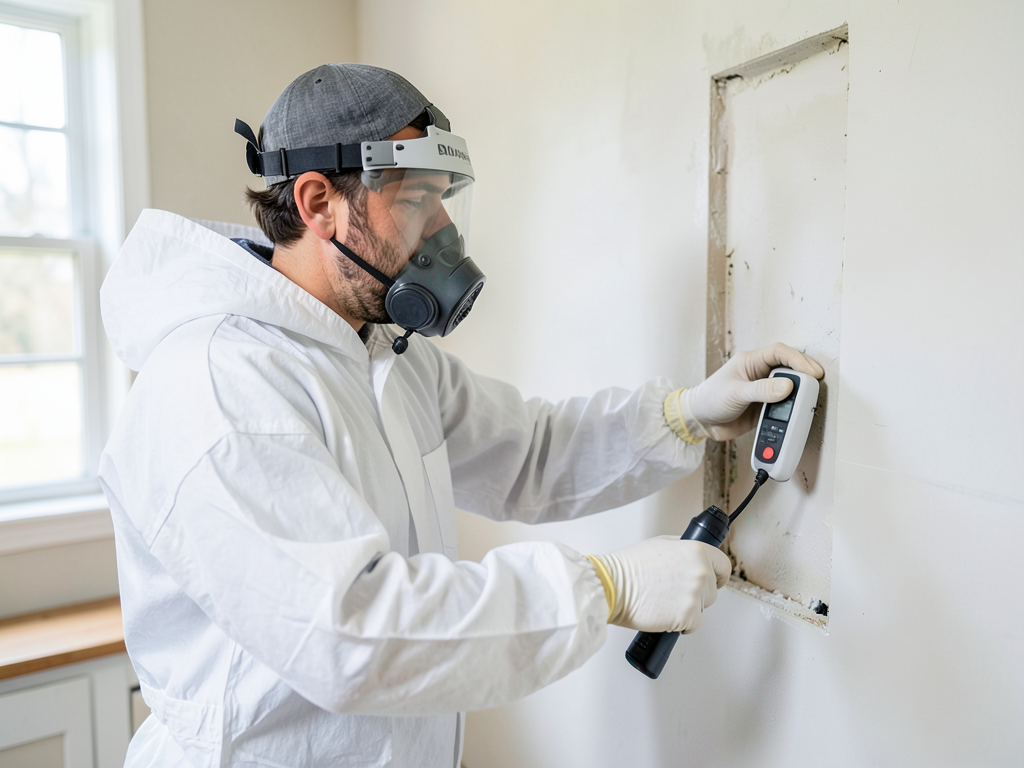
Professional restoration technicians use moisture meters to detect hidden water in wall cavities and under flooring. These readings help identify areas where structural integrity has been compromised. Homeowners attempting DIY cleanup often miss these hidden hazards.
The Hidden Threat: Mold Growth Timeline
Mold spores exist everywhere but need moisture to grow. In Indianapolis’s humid climate, mold can begin growing within 24-48 hours of water exposure. By day three, visible colonies may appear, and by day five, mold can spread throughout your home.
Children and pets are especially vulnerable to mold-related health problems. Mold exposure can cause:
- Respiratory issues and asthma attacks
- Allergic reactions with sneezing and itching
- Skin rashes and eye irritation
- Neurological symptoms in severe cases
Professional mold remediation requires containment barriers, negative air pressure, and HEPA filtration to prevent spore spread. Attempting to clean mold with household cleaners often makes the problem worse by releasing spores into the air. EPA mold prevention guidelines.
Indianapolis-Specific Resources and Emergency Contacts
Living in Indianapolis means dealing with specific regional challenges. The city’s aging infrastructure, combined sewer systems, and seasonal weather patterns create unique water damage risks.
Keep these emergency contacts readily available:
- AES Indiana (Electrical Emergencies): (317) 261-8222
- Citizens Energy Group (Water/Sewer Issues): (317) 924-3311
- Marion County Health Department: (317) 221-2155
- Indianapolis Emergency Management: (317) 327-4420
During spring storm season, Indianapolis experiences flash flooding that can overwhelm sump pumps and cause basement flooding within minutes. Homes in flood-prone areas near the White River should have backup sump pumps and battery-powered alarms.
When to Call Professionals: The Safety Line
Many homeowners wonder if they can handle water damage cleanup themselves. The answer depends on several factors:
| DIY Safe If: | Call Professionals If: |
|---|---|
| Category 1 water only | Any Category 2 or 3 water |
| Area smaller than 10 square feet | Water affecting electrical systems |
| No structural damage visible | Water present for more than 24 hours |
| You have proper protective gear | Suspected mold growth |
Professional restoration companies follow IICRC S500 standards for water damage restoration. These standards ensure proper drying, sanitization, and documentation for insurance claims. Attempting to handle Category 3 water or structural damage yourself can result in serious injury or illness.
Personal Protective Equipment for Parents
If you must enter affected areas before professionals arrive, proper protective equipment is essential. Children and pets should never enter water-damaged areas under any circumstances.
Required PPE includes:
- N95 respirator mask or better
- Waterproof gloves (nitrile or rubber)
- Rubber boots or waterproof shoes
- Eye protection (goggles)
- Coveralls or disposable Tyvek suit
Even with PPE, limit your time in affected areas. Remove contaminated clothing immediately after exiting and wash separately from other laundry.
Child and Pet Evacuation Protocols
Having a clear evacuation plan prevents panic during water damage emergencies. Practice your plan with your family so everyone knows what to do.
Designate a safe meeting location outside your home. Keep a waterproof emergency kit with essentials like medications, important documents, and pet supplies. Remember that pets may hide when scared, so know their favorite hiding spots.
Never allow children to help with water removal or cleanup. The physical hazards and contamination risks are too great. Professional restoration teams have the training and equipment to handle these dangers safely.
Insurance Considerations for Indianapolis Homeowners
Standard homeowners insurance typically covers sudden water damage from plumbing failures but not flood damage or sewer backups. Many Indianapolis homeowners discover too late that they lack coverage for common local risks.
Consider adding sewer backup coverage to your policy. This inexpensive addition can save thousands in cleanup costs. For homes in flood-prone areas, separate flood insurance through the National Flood Insurance Program may be necessary.
Document all damage with photos and videos before cleanup begins. This documentation is crucial for insurance claims. Keep all receipts for emergency expenses, as these may be reimbursable under your policy.
Seasonal Safety Tips for Indianapolis Weather
Indianapolis experiences distinct seasonal risks that affect water damage safety:
Winter: Frozen pipes can burst when they thaw, causing sudden flooding. Know how to shut off your main water valve and keep your home adequately heated during cold snaps.
Spring: Heavy rains can overwhelm drainage systems. Test your sump pump before storm season and consider a battery backup system.
Summer: High humidity accelerates mold growth. Use dehumidifiers in basements and ensure proper ventilation throughout your home.
Fall: Clogged gutters can cause water to back up under roof shingles. Clean gutters regularly and ensure downspouts direct water away from your foundation.
Psychological Impact on Children
Water damage emergencies can be traumatic for children. The sudden disruption, unfamiliar workers in your home, and loss of personal items can cause anxiety and fear.
Maintain normal routines as much as possible during restoration. Explain what’s happening in age-appropriate terms. Let children help with safe recovery tasks like sorting undamaged toys or choosing new paint colors for repaired rooms. Peeling Paint & Wallpaper.
Watch for signs of stress in children, including sleep disturbances, clinginess, or regression in behavior. If problems persist, consider speaking with a child psychologist familiar with disaster recovery.
Professional Restoration Process Overview
Understanding what to expect from professional restoration can reduce family stress during the process. The typical restoration process includes:
- Emergency Response
24/7 availability with rapid arrival to assess damage and begin safety measures.
- Water Extraction
Using industrial pumps and vacuums to remove standing water quickly.
- Drying and Dehumidification
Deploying commercial-grade equipment to dry structures completely.
- Cleaning and Sanitizing
Using antimicrobial treatments to eliminate bacteria and prevent mold.
- Restoration
Repairing or replacing damaged materials to return your home to pre-loss condition.
Professional teams work efficiently to minimize disruption while ensuring your family’s safety. They coordinate with insurance companies and provide documentation for claims.
Prevention Strategies for Future Protection
While you can’t prevent all water damage, several strategies can reduce your risk:
- Install water leak detection systems that shut off water automatically
- Maintain your roof and gutters to prevent water intrusion
- Grade your yard to direct water away from your foundation
- Install backwater valves to prevent sewer backup
- Consider whole-home water monitoring systems
Regular maintenance of plumbing, HVAC systems, and appliances can prevent many common causes of water damage. Schedule annual inspections of your roof, foundation, and plumbing system.
Creating Your Family Water Emergency Plan
Preparation reduces panic during actual emergencies. Create a family water emergency plan that includes:
- Location of main water and electrical shutoffs
- Emergency contact numbers for utilities and restoration companies
- Designated safe meeting location outside your home
- Emergency kit with essentials for 72 hours
- Important documents stored in waterproof containers
Review and practice your plan with all family members twice yearly. Update contact information and emergency kit supplies regularly.
Water damage creates serious risks for your Indianapolis family, but proper knowledge and preparation can keep everyone safe. Remember that contaminated water, electrical hazards, and structural damage require professional handling. Your children and pets depend on you to make the right safety decisions during these emergencies.
When water damage strikes, every minute matters. The longer water sits, the greater the contamination and structural risks become. Don’t wait to protect your family.
Call (317) 703-7676 today to schedule your inspection. Our certified technicians are available 24/7 to respond to water damage emergencies in Indianapolis and surrounding areas. We’ll arrive quickly to assess the situation, implement safety measures, and begin the restoration process while keeping your family’s wellbeing as our top priority.
Don’t let water damage put your children and pets at risk. Pick up the phone and call (317) 703-7676 before the next storm hits. We’re here to help Indianapolis families recover safely and quickly from water damage emergencies. For more information, visit CDC E. coli information.
{
“@context”: “https://schema.org”,
“@type”: “BlogPosting”,
“headline”: “Keeping Your Kids and Pets Safe During the Water Restoration Process”,
“description”: “Protect your Indianapolis family from water damage hazards. Learn immediate safety steps, mold risks, and when to call professionals at (317) 703-7676.”,
“wordCount”: 1786,
“datePublished”: “2026-05-18T11:03:00.000Z”,
“dateModified”: “2026-05-18T11:03:00.000Z”,
“inLanguage”: “en-US”,
“mainEntityOfPage”: {
“@type”: “WebPage”,
“@id”: “https://apexwaterdamagerestorationindianapolis.com”
},
“publisher”: {
“@type”: “LocalBusiness”,
“name”: “Apex Water Damage Restoration Indianapolis”,
“url”: “https://apexwaterdamagerestorationindianapolis.com”
},
“author”: {
“@type”: “Organization”,
“name”: “Apex Water Damage Restoration Indianapolis”,
“url”: “https://apexwaterdamagerestorationindianapolis.com”
},
“image”: {
“@type”: “ImageObject”,
“url”: “https://apexwaterdamagerestorationindianapolis.com/wp-content/uploads/2026/03/keeping-your-kids-and-pets-safe-during-the-water-r-1.png”
}
}
{
“@context”: “https://schema.org”,
“@type”: “LocalBusiness”,
“name”: “Apex Water Damage Restoration Indianapolis”,
“url”: “https://apexwaterdamagerestorationindianapolis.com”,
“address”: {
“@type”: “PostalAddress”,
“addressLocality”: “Indianapolis”
},
“areaServed”: {
“@type”: “City”,
“name”: “Indianapolis”
}
}
{
“@context”: “https://schema.org”,
“@type”: “HowTo”,
“name”: “Emergency Water Damage Safety”,
“step”: [
{
“@type”: “HowToStep”,
“position”: 1,
“name”: “Evacuate Children and Pets”,
“text”: “Remove all family members from affected areas immediately. Contaminated water exposure can cause serious illness within hours. Complete Water Damage Repair for Historic Homes in Meridian-Kessler.”
},
{
“@type”: “HowToStep”,
“position”: 2,
“name”: “Shut Off Power”,
“text”: “Turn off electricity at the main breaker if water threatens outlets or appliances. Never touch electrical panels with wet hands. Emergency Water Removal Services in Noblesville That Respond 24-7.”
},
{
“@type”: “HowToStep”,
“position”: 3,
“name”: “Stop the Water Source”,
“text”: “Locate and shut off the main water valve if the damage comes from plumbing. This prevents additional flooding.”
},
{
“@type”: “HowToStep”,
“position”: 4,
“name”: “Call Emergency Services”,
“text”: “Contact AES Indiana at (317) 261-8222 to report electrical hazards. For severe flooding, call 911.”
}
],
“image”: “https://apexwaterdamagerestorationindianapolis.com/wp-content/uploads/2026/03/keeping-your-kids-and-pets-safe-during-the-water-r-1.png”
}
{
“@context”: “https://schema.org”,
“@type”: “BreadcrumbList”,
“itemListElement”: [
{
“@type”: “ListItem”,
“position”: 1,
“name”: “Home”,
“item”: “https://apexwaterdamagerestorationindianapolis.com”
},
{
“@type”: “ListItem”,
“position”: 2,
“name”: “Blog”,
“item”: “https://apexwaterdamagerestorationindianapolis.com/blog”
},
{
“@type”: “ListItem”,
“position”: 3,
“name”: “Keeping Your Kids and Pets Safe During the Water Restoration Process”
}
]
}
{
“@context”: “https://schema.org”,
“@type”: “Service”,
“serviceType”: “Water Damage Restoration”,
“provider”: {
“@type”: “LocalBusiness”,
“name”: “Apex Water Damage Restoration Indianapolis”,
“url”: “https://apexwaterdamagerestorationindianapolis.com”
},
“areaServed”: {
“@type”: “City”,
“name”: “Indianapolis”
},
“description”: “Protect your Indianapolis family from water damage hazards. Learn immediate safety steps, mold risks, and when to call professionals at (317) 703-7676.”
}