
What to Do When Your Water Softener Starts Leaking All Over Your Carmel Utility Room
Water softener leaks create a unique mess in Carmel utility rooms. Unlike standard plumbing leaks, brine water contains high salt concentrations that corrode floors, damage drywall, and create slippery hazards. When you discover standing water around your softener, quick action prevents thousands in structural damage. Who to Call for Emergency Water Damage Restoration in Carmel.
Start by shutting off the water supply valve behind the unit and unplugging the electrical connection. Most Carmel homes use 10-15 year old water softeners that develop tank cracks or valve failures. The brine tank overflow creates a corrosive saltwater pool that eats through subflooring and seeps into wall cavities. Complete Water Damage Repair for Historic Homes in Meridian-Kessler.
Never mop up brine with household cleaners. Salt residue bonds to concrete and wood, requiring industrial extraction equipment. The Indianapolis metro area’s 12-25 grains per gallon water hardness means softeners work overtime, accelerating wear on resin tanks and control valves. Emergency Water Removal Services in Noblesville That Respond 24-7.
Immediate Safety Steps for Carmel Utility Room Leaks
Turn off the bypass valve first. This stops water flow without cutting off your entire house. Wear rubber-soled shoes since brine conducts electricity when pooled on concrete. Open windows for ventilation – salt water releases chlorine gas when mixed with cleaning products.
Document everything before cleanup. Take photos of water spread, salt deposits, and any bubbling on walls. This documentation helps with insurance claims, especially since many Carmel policies exclude gradual appliance wear but cover sudden failures.
Remove items from the utility room immediately. Salt water ruins cardboard boxes, corrodes metal tools, and destroys paper documents. Place salvageable items on elevated surfaces away from the affected area.
Why Brine Water Causes More Damage Than Fresh Water
Brine water contains 25,000-30,000 parts per million sodium chloride. This concentration dissolves concrete sealers, corrodes metal fasteners, and wicks up drywall through capillary action. In Carmel’s older slab homes, brine seeps into hairline foundation cracks, causing efflorescence and structural weakening.
The salt accelerates mold growth in hidden spaces. While fresh water takes 24-48 hours to support mold colonies, brine creates ideal conditions within 12 hours due to its mineral content and pH levels. This makes professional drying essential. Professional Sewage Cleanup and Sanitization Services in Greenwood.
Indianapolis building codes require Class 2 water (gray water like brine) to be extracted with specialized equipment. The Indiana Residential Code Section 312.3 mandates proper disposal of contaminated water to prevent groundwater contamination.
Professional Restoration Process for Water Softener Leaks
Professional crews use truck-mounted extraction units that remove 95% of standing brine in under 30 minutes. Industrial dehumidifiers then pull moisture from walls and floors at a rate of 20-30 gallons per day. This prevents secondary damage like warped subflooring and peeling paint. Peeling Paint & Wallpaper.
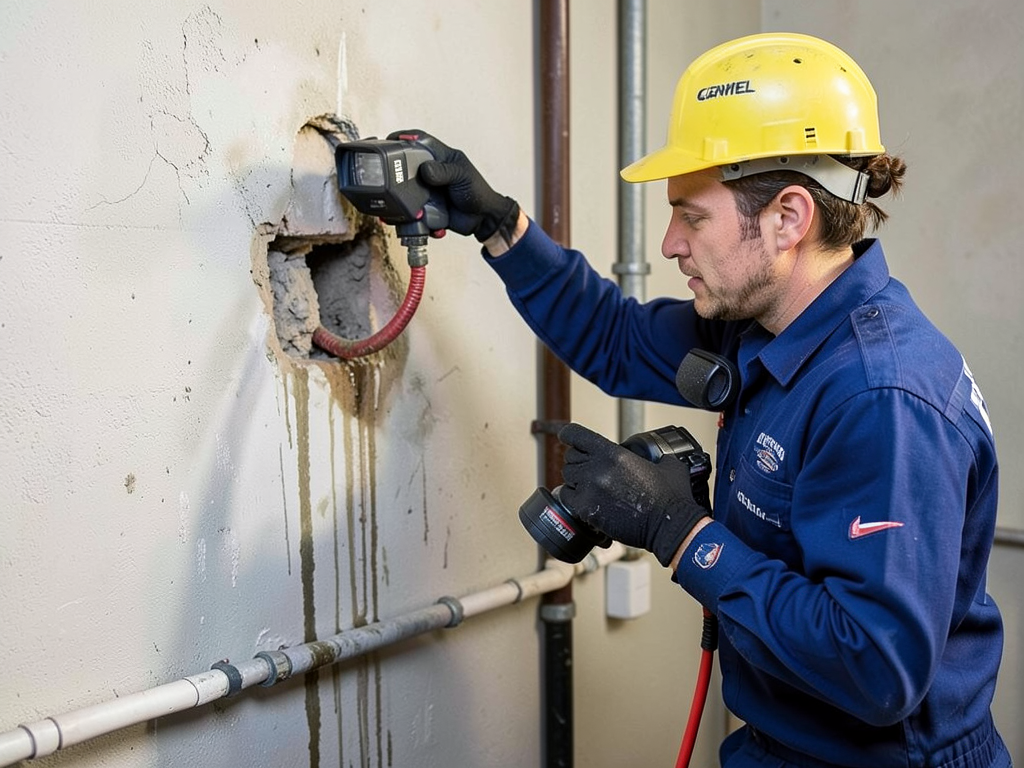
Moisture mapping with infrared cameras identifies hidden saturation in wall cavities and under flooring. Technicians test concrete for salt residue using conductivity meters – readings above 2,000 microsiemens indicate corrosive levels requiring neutralization.
Antimicrobial treatment follows extraction. The IICRC S500 standard requires application of EPA-registered disinfectants to prevent mold growth in Category 2 water situations. This step is critical in Carmel’s humid climate where mold can establish in 48-72 hours. IICRC S500 Standards.
Carmel-Specific Considerations for Water Softener Damage
Carmel’s newer construction often features engineered wood flooring over concrete slabs. Brine water penetrates these joints within minutes, causing swelling and delamination. The city’s hard water means softeners regenerate more frequently, increasing failure rates compared to softer water areas.
Many Carmel utility rooms are located near finished living spaces. This proximity means leaks spread faster through shared walls and floors. The area’s clay soil also causes foundation movement that stresses water softener connections over time.
Local utility companies like Citizens Energy Group recommend annual inspections of water softener connections. Their data shows 60% of utility room floods in Carmel originate from failed appliance connections rather than main supply lines.
Insurance Navigation for Appliance-Related Water Damage
Most homeowners policies cover sudden water softener failures but not gradual leaks. The key distinction: if the leak occurred while you were home and discovered immediately, coverage is likely. If it leaked for days before discovery, denial is probable.
Document the water source clearly. Insurance adjusters need to see the failed component – whether it’s a cracked tank, failed valve, or broken connection. Keep all receipts for emergency services, as these are typically reimbursable under loss of use provisions.
Carmel insurance providers often require professional drying documentation. Without moisture readings showing proper extraction, they may deny secondary damage claims like mold growth that appears weeks later.
When to Call Professional Restoration Services
Call immediately if water spread beyond the utility room, affected electrical outlets, or shows signs of structural damage like bubbling walls. Also call if you lack proper extraction equipment or if the leak occurred while you were away for more than 24 hours.
Professional services become essential when dealing with engineered flooring, finished basements, or if you notice musty odors developing. These indicate moisture has penetrated beyond visible surfaces.
The cost of professional restoration typically ranges from $1,500 to $4,000 depending on damage extent. This investment prevents $10,000+ in secondary damage from mold, rot, and structural repairs. EPA Indiana Water Quality.
Preventing Future Water Softener Leaks in Your Carmel Home
Install a water alarm near your softener. These $30 devices alert you to the first sign of moisture, preventing extensive damage. Replace supply lines every 5 years regardless of visible condition – Indiana’s hard water accelerates hose deterioration.
Consider upgrading to a newer model with leak detection technology. Modern units shut down automatically when abnormal water flow is detected, preventing the catastrophic failures common in 10+ year old systems.
Schedule annual maintenance with a certified technician. They check for tank integrity, valve function, and proper regeneration cycles. This $100 service can extend your softener’s life by 5-7 years.
DIY vs Professional Cleanup: Making the Right Choice
DIY cleanup works for small spills under 10 square feet confined to concrete floors. You’ll need industrial fans, dehumidifiers, and proper cleaning agents. However, DIY becomes risky when dealing with finished surfaces, electrical concerns, or if you’re unsure about moisture extent.
Professional services include moisture testing, proper disposal of contaminated water, and documentation for insurance. They also identify hidden damage that DIY methods miss, like moisture in wall cavities or under flooring.
The decision often comes down to time and risk tolerance. DIY takes 3-5 days with rental equipment. Professionals complete the job in 24-48 hours with guaranteed results.
Common Water Softener Failure Patterns in Indianapolis Homes
Resin tank cracks develop from pressure cycling and chemical degradation. These failures typically occur after 8-10 years of service. Control valve failures cause continuous water flow, flooding utility rooms within hours.
Brine tank overflows happen when float valves stick or sensors fail. This creates the most extensive damage since the tank holds 40-50 gallons of concentrated salt solution.
Supply line failures at connection points are the most preventable. These braided stainless lines deteriorate from the inside out, showing no external signs until catastrophic failure occurs.
Understanding Water Categories and Health Risks
Water softener leaks create Category 2 water damage. This gray water contains contaminants that can cause discomfort or illness if contacted or ingested. Unlike Category 1 (clean water), Category 2 requires specific handling procedures.
The salt content alone creates slip hazards and can irritate skin and eyes. Combined with potential bacterial growth in stagnant water, Category 2 situations demand protective equipment and proper disposal methods.
Category 3 water (sewage, flood water) is even more dangerous, but Category 2 still requires professional handling to prevent health issues and ensure proper cleanup.
Long-Term Structural Considerations After a Leak
Even after visible water disappears, moisture remains in porous materials. Concrete can hold water for weeks, slowly releasing it into the air. This creates perfect conditions for mold growth behind walls and under flooring.
Subflooring exposed to brine water often requires replacement even if it appears dry. Salt crystals left behind attract moisture from the air, creating ongoing dampness that leads to rot and mold.
Wall cavities need inspection with moisture meters. Water can travel horizontally through insulation, creating hidden damage zones that aren’t visible from the room’s surface.
Equipment and Technology in Professional Restoration
Professional restoration uses industrial-grade equipment unavailable to homeowners. Truck-mounted extractors remove water at 100+ gallons per minute. Desiccant dehumidifiers can reduce humidity to 10% in 24 hours, compared to 40-50% with consumer units.
Thermal imaging cameras detect temperature differences that indicate moisture presence. This technology identifies problem areas without destructive testing, saving time and preventing unnecessary demolition.
Air scrubbers with HEPA filtration remove airborne contaminants during the drying process. This prevents the spread of mold spores and improves indoor air quality throughout the restoration.
Cost Factors in Water Softener Leak Restoration
Restoration costs depend on several factors. Size of affected area directly impacts equipment needs and labor time. Material types matter – hardwood floors cost more to restore than concrete, and drywall replacement adds significant expense.
Accessibility affects pricing. Utility rooms in finished basements require more careful work than those in unfinished spaces. Time sensitivity also matters – emergency weekend service costs 25-50% more than standard weekday rates.
Insurance coverage can offset many costs, but deductibles typically range from $500 to $2,500. Understanding your policy before a leak occurs helps you make better decisions during emergencies.
Frequently Asked Questions
How long does professional water softener leak cleanup take?
Most professional cleanups take 24-48 hours for complete drying and sanitization. This includes initial extraction, drying, antimicrobial treatment, and final moisture testing. Some situations requiring extensive demolition may take 3-5 days.
Can I use my water softener after it leaks?
No, not until it’s been inspected and repaired by a qualified technician. Operating a damaged unit risks further flooding and may void your warranty. Most manufacturers require professional service after any water damage incident.
Will my homeowners insurance cover water softener leak damage?
Coverage depends on your specific policy and the leak circumstances. Sudden, accidental failures are typically covered, while gradual leaks due to lack of maintenance are usually excluded. Check your policy or contact your agent for clarification.
How can I prevent water softener leaks in the future?
Install water alarms, replace supply lines every 5 years, schedule annual maintenance, and consider upgrading to a unit with leak detection technology. These simple steps can prevent 90% of common water softener failures.
What should I do if I discover a water softener leak at night?
Shut off the bypass valve and electrical connection immediately. Document the damage with photos. Contact a 24/7 restoration service – many offer emergency response within 60 minutes. Quick action prevents extensive damage and reduces restoration costs.
Take Action Before More Damage Occurs
Water softener leaks won’t fix themselves. Every hour of delay allows salt water to penetrate deeper into your home’s structure, increasing repair costs and health risks. Don’t wait until you’re dealing with mold growth or structural damage.
Pick up the phone and call (317) 703-7676 today. Our certified technicians understand Carmel’s unique construction challenges and can respond within 60 minutes to prevent further damage to your home.
Don’t let a small leak become a major renovation project. Call (317) 703-7676 now for immediate assistance with your water softener emergency. We’re here when you need us most.
{
“@context”: “https://schema.org”,
“@type”: “BlogPosting”,
“headline”: “What to Do When Your Water Softener Starts Leaking All Over Your Carmel Utility Room”,
“description”: “Immediate steps for Carmel homeowners facing water softener leaks. Learn how to shut off the system, clean up brine spills, and when to call Indianapolis restoration pros.”,
“wordCount”: 1904,
“datePublished”: “2026-03-16T14:58:00.000Z”,
“dateModified”: “2026-03-16T14:58:00.000Z”,
“inLanguage”: “en-US”,
“mainEntityOfPage”: {
“@type”: “WebPage”,
“@id”: “https://apexwaterdamagerestorationindianapolis.com”
},
“publisher”: {
“@type”: “LocalBusiness”,
“name”: “Apex Water Damage Restoration Indianapolis”,
“url”: “https://apexwaterdamagerestorationindianapolis.com”
},
“author”: {
“@type”: “Organization”,
“name”: “Apex Water Damage Restoration Indianapolis”,
“url”: “https://apexwaterdamagerestorationindianapolis.com”
},
“image”: {
“@type”: “ImageObject”,
“url”: “https://apexwaterdamagerestorationindianapolis.com/wp-content/uploads/2026/03/what-to-do-when-your-water-softener-starts-leaking-1.png”
}
}
{
“@context”: “https://schema.org”,
“@type”: “LocalBusiness”,
“name”: “Apex Water Damage Restoration Indianapolis”,
“url”: “https://apexwaterdamagerestorationindianapolis.com”,
“address”: {
“@type”: “PostalAddress”,
“addressLocality”: “Indianapolis”
},
“areaServed”: {
“@type”: “City”,
“name”: “Indianapolis”
}
}
{
“@context”: “https://schema.org”,
“@type”: “FAQPage”,
“mainEntity”: [
{
“@type”: “Question”,
“name”: “How long does professional water softener leak cleanup take?”,
“acceptedAnswer”: {
“@type”: “Answer”,
“text”: “Most professional cleanups take 24-48 hours for complete drying and sanitization. This includes initial extraction, drying, antimicrobial treatment, and final moisture testing. Some situations requiring extensive demolition may take 3-5 days.”
}
},
{
“@type”: “Question”,
“name”: “Can I use my water softener after it leaks?”,
“acceptedAnswer”: {
“@type”: “Answer”,
“text”: “No, not until it’s been inspected and repaired by a qualified technician. Operating a damaged unit risks further flooding and may void your warranty. Most manufacturers require professional service after any water damage incident.”
}
},
{
“@type”: “Question”,
“name”: “Will my homeowners insurance cover water softener leak damage?”,
“acceptedAnswer”: {
“@type”: “Answer”,
“text”: “Coverage depends on your specific policy and the leak circumstances. Sudden, accidental failures are typically covered, while gradual leaks due to lack of maintenance are usually excluded. Check your policy or contact your agent for clarification.”
}
},
{
“@type”: “Question”,
“name”: “How can I prevent water softener leaks in the future?”,
“acceptedAnswer”: {
“@type”: “Answer”,
“text”: “Install water alarms, replace supply lines every 5 years, schedule annual maintenance, and consider upgrading to a unit with leak detection technology. These simple steps can prevent 90% of common water softener failures.”
}
},
{
“@type”: “Question”,
“name”: “What should I do if I discover a water softener leak at night?”,
“acceptedAnswer”: {
“@type”: “Answer”,
“text”: “Shut off the bypass valve and electrical connection immediately. Document the damage with photos. Contact a 24/7 restoration service – many offer emergency response within 60 minutes. Quick action prevents extensive damage and reduces restoration costs.”
}
}
]
}
{
“@context”: “https://schema.org”,
“@type”: “BreadcrumbList”,
“itemListElement”: [
{
“@type”: “ListItem”,
“position”: 1,
“name”: “Home”,
“item”: “https://apexwaterdamagerestorationindianapolis.com”
},
{
“@type”: “ListItem”,
“position”: 2,
“name”: “Blog”,
“item”: “https://apexwaterdamagerestorationindianapolis.com/blog”
},
{
“@type”: “ListItem”,
“position”: 3,
“name”: “What to Do When Your Water Softener Starts Leaking All Over Your Carmel Utility Room”
}
]
}
{
“@context”: “https://schema.org”,
“@type”: “Service”,
“serviceType”: “Water Damage Restoration”,
“provider”: {
“@type”: “LocalBusiness”,
“name”: “Apex Water Damage Restoration Indianapolis”,
“url”: “https://apexwaterdamagerestorationindianapolis.com”
},
“areaServed”: {
“@type”: “City”,
“name”: “Indianapolis”
},
“description”: “Immediate steps for Carmel homeowners facing water softener leaks. Learn how to shut off the system, clean up brine spills, and when to call Indianapolis restoration pros.”
}