
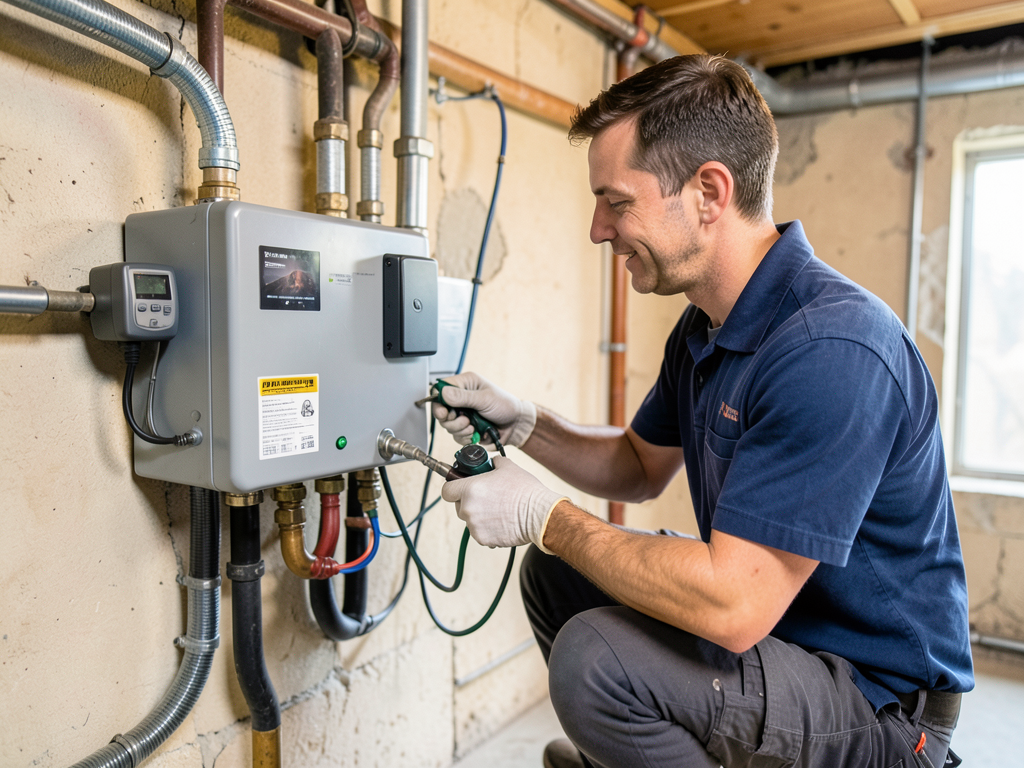
Why Your Near Eastside Basement Needs a Reliable Backup Sump Pump
Living in the Near Eastside means dealing with Indianapolis’s heavy clay soil and unpredictable spring storms. When the power goes out during a thunderstorm, your primary sump pump stops working just when you need it most. That’s when a backup system becomes your basement’s last line of defense against flooding. Indiana Plumbing Code Section 675 IAC 16-1.3-1.
The Near Eastside sits on dense Indiana clay that holds water like a sponge. During heavy rains, this soil expands and creates massive hydrostatic pressure against your foundation walls. Your primary pump works overtime, but when the electricity fails, water has nowhere to go but into your basement. Who to Call for Emergency Water Damage Restoration in Carmel.
Choosing between battery backup and water-powered systems isn’t just about price. It’s about understanding how each technology performs during Indianapolis’s specific weather patterns and municipal water conditions. Complete Water Damage Repair for Historic Homes in Meridian-Kessler.
Understanding Near Eastside’s Unique Basement Challenges
The Near Eastside’s historic neighborhoods like Woodruff Place and Irvington feature homes built between 1900 and 1940. These structures sit on foundations that weren’t designed for today’s intense rainfall events. The area’s combined sewer system, managed by Citizens Energy Group, becomes overwhelmed during major storms, increasing the risk of basement backups. Sewage Backup Cleanup.
Indianapolis receives an average of 42 inches of rain annually, with most falling between April and August. The National Weather Service reports that spring thunderstorms often bring 2-3 inches of rain in just a few hours. That’s when your sump pump system faces its greatest test. National Weather Service Indianapolis.
According to the Indiana Plumbing Code Section 675 IAC 16-1.3-1, all sump pump installations must include proper discharge piping and check valves to prevent backflow. But neither code nor your primary pump can protect you when the power fails.
Battery Backup Sump Pumps: Technology and Performance
Battery backup systems use a 12-volt deep cycle battery to power a secondary pump when your main unit loses electricity. These systems typically include a controller that monitors power status and activates the backup automatically.
Modern battery backup pumps like the Wayne ESP25 can move 3,300 gallons per hour at a 10-foot lift. That’s enough to handle most Indianapolis storms. The system includes an alarm that sounds when the backup activates, letting you know there’s a problem.
The biggest advantage is independence from city water pressure. Whether you’re on municipal water or a well, your battery backup keeps working. During the 2018 Memorial Day weekend storms, many Near Eastside homes with battery backups avoided thousands in flood damage while neighbors without backups faced extensive repairs. Emergency Water Removal Services in Noblesville That Respond 24-7.
However, batteries have limitations. A fully charged deep cycle battery typically provides 24-48 hours of continuous pumping, depending on the pump’s capacity and how often it cycles. In extended outages lasting several days, you could still face flooding.
Water-Powered Backup Sump Pumps: How They Work
Water-powered systems use your home’s municipal water pressure to create suction that removes water from your sump pit. These pumps have no moving parts and require no electricity or batteries.
The Liberty SJ10 can pump 1,500 gallons per hour using just water pressure. The system works by creating a venturi effect – as municipal water flows through the pump, it generates suction that pulls sump water up and out of your basement.
The key requirement is adequate water pressure. Most systems need 40-60 PSI to function properly. Homes in the Near Eastside typically have sufficient pressure from Citizens Energy Group’s distribution system, which maintains 50-80 PSI throughout most neighborhoods.
Water-powered pumps have unlimited run time as long as municipal water service remains active. During the 2020 derecho storm that knocked out power to 170,000 Indianapolis residents, homes with water-powered backups continued operating while battery systems eventually drained.
Comparing Performance During Indianapolis Storms
When evaluating backup systems, consider how they perform during the specific conditions we face in Indianapolis. The comparison table below shows key differences:
| Feature | Battery Backup | Water-Powered |
|---|---|---|
| Pumping Capacity (GPH) | 2,500-4,000 | 1,000-2,500 |
| Run Time During Outage | 24-48 hours | Unlimited |
| Maintenance Required | Battery replacement every 3-5 years | Annual inspection |
| Water Usage During Operation | None | 1-2 gallons per sump gallon |
| Installation Complexity | Moderate | High (plumbing required) |
| Initial Cost | $500-$800 | $400-$600 |
The data shows battery systems pump more water but have limited run time. Water-powered systems pump less but work indefinitely as long as city water flows.
Real-World Performance in Near Eastside Homes
During the 2021 spring flooding event, technicians from Apex Water Damage Restoration responded to over 40 emergency calls in the Near Eastside. The pattern was clear: homes with battery backups that had been properly maintained avoided major damage, while those with neglected systems or no backup faced extensive restoration work.
One homeowner on East 10th Street had a three-year-old battery backup that hadn’t been tested since installation. When the power failed during a May thunderstorm, the battery was dead. The primary pump stopped, and three feet of water entered the basement within two hours.
Another property on North Emerson Avenue had a water-powered system. Despite a 12-hour power outage affecting the entire neighborhood, the system continued removing water throughout the storm. The homeowner only discovered the backup had activated when power was restored and the alarm sounded.
Cost Analysis: Prevention vs. Restoration
The average water damage restoration in Marion County costs between $3,500 and $8,000, depending on the extent of flooding and whether mold develops. A quality backup system costs $400-$800 installed.
Consider this scenario: A family in the Holy Cross neighborhood invests $600 in a water-powered backup system. Three years later, during a major storm, their primary pump fails and power goes out for 8 hours. The backup system prevents approximately $5,000 in flood damage.
The return on investment becomes clear when you factor in the stress, displacement, and potential loss of irreplaceable items that flooding causes. Insurance deductibles alone often exceed the cost of a backup system.
Installation Considerations for Near Eastside Properties
Most Near Eastside homes have sump pits that are 18-24 inches in diameter, which accommodates most backup systems. However, the age and construction of these homes present unique challenges.
Historic homes often have narrower crawl spaces or basements with limited access. Installing a backup system may require removing finished walls or working in tight conditions. The plumbing for water-powered systems needs to tie into existing water lines, which can be challenging in older homes with corroded pipes.
According to the National Association of Home Builders, homes built before 1940 often have galvanized steel plumbing that requires special handling during installation. A professional assessment is crucial to avoid damaging existing systems. Professional Sewage Cleanup and Sanitization Services in Greenwood.
The electrical requirements for battery backup systems are straightforward – they need a standard 120-volt outlet near the sump pit. Water-powered systems require no electricity but need proper backflow prevention to meet Indiana plumbing codes.
Maintenance Requirements for Both Systems
Battery backup systems require quarterly testing and annual battery replacement. The test involves pouring water into the sump pit until the backup activates. If it doesn’t turn on, the battery may need charging or replacement.
Water-powered systems need annual inspection of the venturi valve and check valve. The system should be tested by lifting the float to ensure proper activation. Over time, mineral deposits can affect performance, especially in areas with hard water.
Both systems benefit from regular sump pit cleaning. Debris and sediment can clog either system, reducing efficiency when you need it most. A clean pit also extends the life of your primary pump.
Making the Right Choice for Your Home
The decision between battery and water-powered backup depends on several factors specific to your Near Eastside property. Consider your home’s water pressure, the likelihood of extended power outages, and your comfort with different maintenance requirements.
If you live in an area prone to long outages or have frequent severe storms, a battery backup might provide better peace of mind. The higher pumping capacity can handle intense rainfall even if the battery eventually drains.
If you prefer a system with unlimited run time and minimal maintenance, water-powered might be the better choice. The reliability during extended events and no battery replacement costs are significant advantages.
Some homeowners opt for dual backup systems, combining both technologies. This provides maximum protection but at a higher initial cost.
Professional Installation vs. DIY: What You Need to Know
Installing a backup sump pump requires understanding local plumbing codes, electrical safety, and the specific requirements of your home’s drainage system. While DIY installation might save money upfront, the risks often outweigh the benefits.
Professional installation ensures proper sizing, correct wiring, and compliance with all local codes. A technician can also identify potential issues with your primary system that might affect backup performance.
According to the IICRC S500 Standard for Professional Water Damage Restoration, proper installation and maintenance of water removal systems is crucial for preventing secondary damage. This standard guides professional restoration companies in assessing and mitigating water damage risks.
DIY installations sometimes result in improper discharge piping, inadequate battery sizing, or failure to install required check valves. These mistakes can lead to system failure when you need it most.
Emergency Response: What to Do When Your Pump Fails
Even with a backup system, knowing how to respond during a pump failure can minimize damage. Here’s what to do if you notice water rising in your basement:
- Stay Calm and Assess
Check if the primary pump is running. If not, verify that power is available at the outlet.
- Test the Backup
Lift the backup pump’s float switch to ensure it activates. If it doesn’t, you may have a dead battery or plumbing issue.
- Remove Valuables
Move items off the floor to higher ground. Electronics and documents are particularly vulnerable.
- Monitor Water Levels
Keep an eye on how quickly water rises. This helps determine if additional intervention is needed.
- Call for Help
If water continues rising despite the backup, call (317) 703-7676 for emergency water removal services.
Having a plan and knowing who to call can make the difference between minor inconvenience and major property damage.
Frequently Asked Questions
How long do backup sump pump batteries typically last?
Deep cycle batteries for sump pump backups typically last 3-5 years with proper maintenance. Factors affecting battery life include temperature, frequency of use, and charging system quality. Annual testing helps identify batteries that need replacement before they fail.
Can I install a backup system if my primary pump is very old?
Yes, but it’s often wise to replace both simultaneously. An aging primary pump may fail even when power is available, and a new backup won’t help if the main system can’t keep up with normal conditions. Many professionals recommend replacing both systems together for optimal protection.
Will a water-powered backup work during a citywide water main break?
No. Water-powered systems depend on municipal water pressure, so they won’t function during a water main break or if your home’s water is shut off. This is one scenario where battery backup systems have an advantage, though they still depend on having charged batteries.
Protecting Your Near Eastside Investment
Your home in the Near Eastside represents a significant investment, both financially and emotionally. The area’s historic character and growing popularity make property values particularly important to protect. A reliable backup sump pump system is one of the most cost-effective ways to safeguard that investment.
Consider the peace of mind that comes with knowing your basement is protected, even during the worst storms Indianapolis can throw at us. The next time dark clouds gather and thunder rumbles, you’ll rest easier knowing your backup system is ready.
Don’t wait for the next major storm to discover your protection is inadequate. Whether you choose battery backup, water-powered, or a combination of both, the key is having a reliable system installed by professionals who understand Near Eastside homes and Indianapolis weather patterns.
Call (317) 703-7676 today to schedule your backup sump pump consultation. Our technicians will assess your specific needs and recommend the best solution for your home. We serve all Near Eastside neighborhoods including Woodruff Place, Irvington, Holy Cross, and Fountain Square.
Don’t let the next big storm catch you unprepared. Pick up the phone and call (317) 703-7676 before water finds its way into your basement. Your home deserves the best protection available.
{
“@context”: “https://schema.org”,
“@type”: “BlogPosting”,
“headline”: “Battery Backup vs Water Powered Sump Pumps for Your Near Eastside Basement”,
“description”: “Compare battery vs water-powered sump pumps for Near Eastside basements. Learn which system survives Indy’s heavy storms and clay soil to protect your home from flooding.”,
“wordCount”: 2072,
“datePublished”: “2026-05-06T11:48:00.000Z”,
“dateModified”: “2026-05-06T11:48:00.000Z”,
“inLanguage”: “en-US”,
“mainEntityOfPage”: {
“@type”: “WebPage”,
“@id”: “https://apexwaterdamagerestorationindianapolis.com”
},
“publisher”: {
“@type”: “LocalBusiness”,
“name”: “Apex Water Damage Restoration Indianapolis”,
“url”: “https://apexwaterdamagerestorationindianapolis.com”
},
“author”: {
“@type”: “Organization”,
“name”: “Apex Water Damage Restoration Indianapolis”,
“url”: “https://apexwaterdamagerestorationindianapolis.com”
},
“image”: {
“@type”: “ImageObject”,
“url”: “https://apexwaterdamagerestorationindianapolis.com/wp-content/uploads/2026/03/battery-backup-vs-water-powered-sump-pumps-for-you-1.png”
}
}
{
“@context”: “https://schema.org”,
“@type”: “LocalBusiness”,
“name”: “Apex Water Damage Restoration Indianapolis”,
“url”: “https://apexwaterdamagerestorationindianapolis.com”,
“address”: {
“@type”: “PostalAddress”,
“addressLocality”: “Indianapolis”
},
“areaServed”: {
“@type”: “City”,
“name”: “Indianapolis”
}
}
{
“@context”: “https://schema.org”,
“@type”: “FAQPage”,
“mainEntity”: [
{
“@type”: “Question”,
“name”: “How long do backup sump pump batteries typically last?”,
“acceptedAnswer”: {
“@type”: “Answer”,
“text”: “Deep cycle batteries for sump pump backups typically last 3-5 years with proper maintenance. Factors affecting battery life include temperature, frequency of use, and charging system quality. Annual testing helps identify batteries that need replacement before they fail.”
}
},
{
“@type”: “Question”,
“name”: “Can I install a backup system if my primary pump is very old?”,
“acceptedAnswer”: {
“@type”: “Answer”,
“text”: “Yes, but it’s often wise to replace both simultaneously. An aging primary pump may fail even when power is available, and a new backup won’t help if the main system can’t keep up with normal conditions. Many professionals recommend replacing both systems together for optimal protection.”
}
},
{
“@type”: “Question”,
“name”: “Will a water-powered backup work during a citywide water main break?”,
“acceptedAnswer”: {
“@type”: “Answer”,
“text”: “No. Water-powered systems depend on municipal water pressure, so they won’t function during a water main break or if your home’s water is shut off. This is one scenario where battery backup systems have an advantage, though they still depend on having charged batteries.”
}
}
]
}
{
“@context”: “https://schema.org”,
“@type”: “HowTo”,
“name”: “Emergency Sump Pump Failure Response”,
“step”: [
{
“@type”: “HowToStep”,
“position”: 1,
“name”: “Stay Calm and Assess”,
“text”: “Check if the primary pump is running. If not, verify that power is available at the outlet.”
},
{
“@type”: “HowToStep”,
“position”: 2,
“name”: “Test the Backup”,
“text”: “Lift the backup pump’s float switch to ensure it activates. If it doesn’t, you may have a dead battery or plumbing issue.”
},
{
“@type”: “HowToStep”,
“position”: 3,
“name”: “Remove Valuables”,
“text”: “Move items off the floor to higher ground. Electronics and documents are particularly vulnerable.”
},
{
“@type”: “HowToStep”,
“position”: 4,
“name”: “Monitor Water Levels”,
“text”: “Keep an eye on how quickly water rises. This helps determine if additional intervention is needed.”
},
{
“@type”: “HowToStep”,
“position”: 5,
“name”: “Call for Help”,
“text”: “If water continues rising despite the backup, call (317) 703-7676 for emergency water removal services.”
}
],
“image”: “https://apexwaterdamagerestorationindianapolis.com/wp-content/uploads/2026/03/battery-backup-vs-water-powered-sump-pumps-for-you-1.png”
}
{
“@context”: “https://schema.org”,
“@type”: “BreadcrumbList”,
“itemListElement”: [
{
“@type”: “ListItem”,
“position”: 1,
“name”: “Home”,
“item”: “https://apexwaterdamagerestorationindianapolis.com”
},
{
“@type”: “ListItem”,
“position”: 2,
“name”: “Blog”,
“item”: “https://apexwaterdamagerestorationindianapolis.com/blog”
},
{
“@type”: “ListItem”,
“position”: 3,
“name”: “Battery Backup vs Water Powered Sump Pumps for Your Near Eastside Basement”
}
]
}
{
“@context”: “https://schema.org”,
“@type”: “Service”,
“serviceType”: “Water Damage Restoration”,
“provider”: {
“@type”: “LocalBusiness”,
“name”: “Apex Water Damage Restoration Indianapolis”,
“url”: “https://apexwaterdamagerestorationindianapolis.com”
},
“areaServed”: {
“@type”: “City”,
“name”: “Indianapolis”
},
“description”: “Compare battery vs water-powered sump pumps for Near Eastside basements. Learn which system survives Indy’s heavy storms and clay soil to protect your home from flooding.”
}