
Can You Actually Save Original Plaster Walls After a Water Leak in Your Old Northside Home?
When water floods your Old Northside home, those beautiful original plaster walls face a critical test. Unlike modern drywall, historic lath and plaster construction requires specialized knowledge to restore properly. The good news is that plaster can often be saved if you act quickly and understand the specific challenges facing Indianapolis’s historic homes. Who to Call for Emergency Water Damage Restoration in Carmel.
Plaster damage severity depends on several factors unique to our area. The heavy clay soil common in Central Indiana causes foundation movement that creates hairline cracks in plaster over time. When water enters through these existing vulnerabilities, it accelerates deterioration dramatically. Understanding these local conditions helps you make informed decisions about restoration versus replacement. Complete Water Damage Repair for Historic Homes in Meridian-Kessler.
The Old Northside historic district features homes built between 1870 and 1930, many with horsehair plaster – a material that actually strengthens when properly dried but becomes brittle and powdery when saturated. This specific type of plaster requires different handling than modern veneer plaster or drywall mud. The question isn’t just “can you save it” but “should you save it” based on structural integrity and historical value.. Read more about Why Greenboard and Purpleboard Drywall Still Need Professional Drying After a Bathroom Leak.
Understanding Your Plaster’s Vulnerability
Historic Indianapolis homes face unique water damage challenges due to our climate and construction methods. The freeze-thaw cycles we experience each winter cause expansion and contraction in plaster walls, creating microscopic gaps that allow moisture penetration. When summer humidity hits 80-90%, these gaps become entry points for water vapor that can saturate plaster from the inside out. Emergency Water Removal Services in Noblesville That Respond 24-7.
The Indianapolis area’s high water table, particularly near Fall Creek and the Central Canal, means many Old Northside basements experience hydrostatic pressure against foundation walls. This pressure forces moisture through hairline cracks into plaster above, creating a slow but steady source of damage that homeowners often don’t notice until significant deterioration occurs.. Read more about Restoring Water Damage in a Carriage House or Guest Suite in Historic Irvington.
Local building practices from the early 1900s also contribute to vulnerability. Many Old Northside homes were built with wood lath nailed directly to studs, creating cavities where water can pool unseen. Unlike modern construction with moisture barriers, these historic walls absorb water like a sponge, making professional drying equipment essential for proper restoration. Professional Sewage Cleanup and Sanitization Services in Greenwood.
Identifying Salvageable vs. Non-Salvageable Plaster
Not all water-damaged plaster is worth saving. The diagnostic process starts with understanding what you’re dealing with. Sound plaster should feel solid when tapped and show no visible sagging or bulging. If you press gently on the surface, it shouldn’t move or feel spongy.. Read more about Dealing with That Strange Sewer Smell in Your New Northside Home After a Dry Spell.
Early warning signs include efflorescence – that white, chalky powder that appears when water-soluble salts migrate to the surface as plaster dries. While this indicates moisture problems, it doesn’t necessarily mean the plaster is ruined. Professional cleaning and sealing can often restore these surfaces.
More serious indicators include bubbling paint or wallpaper, which suggests moisture is trapped beneath the surface. This creates an ideal environment for mold growth, particularly in our humid Indiana summers. Black or green discoloration, especially in corners or near windows, signals active mold colonies that require immediate professional treatment.
Structural failure shows as sagging ceilings or walls that bow outward. This occurs when plaster loses adhesion to the lath beneath. Once plaster separates from its backing, it cannot be reattached without extensive reconstruction. The weight of saturated plaster also creates collapse risks – a serious safety hazard that requires immediate professional intervention. EPA Lead-Safe Certification.
The Science of Plaster Drying in Indianapolis Conditions
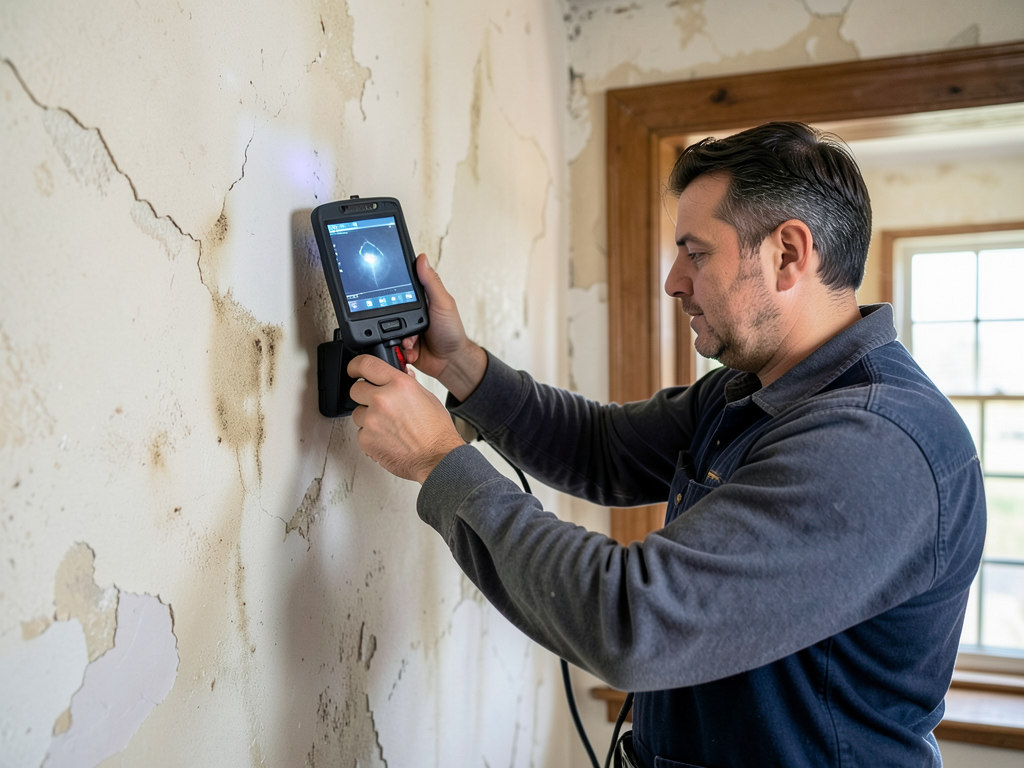
Professional plaster restoration follows specific protocols based on IICRC S500 standards for water damage restoration. The first step involves moisture mapping using thermal imaging cameras to identify hidden water pockets behind walls. This technology reveals temperature variations that indicate moisture presence – crucial in plaster walls where water can travel horizontally for several feet from the original leak source. IICRC S500 Standards.
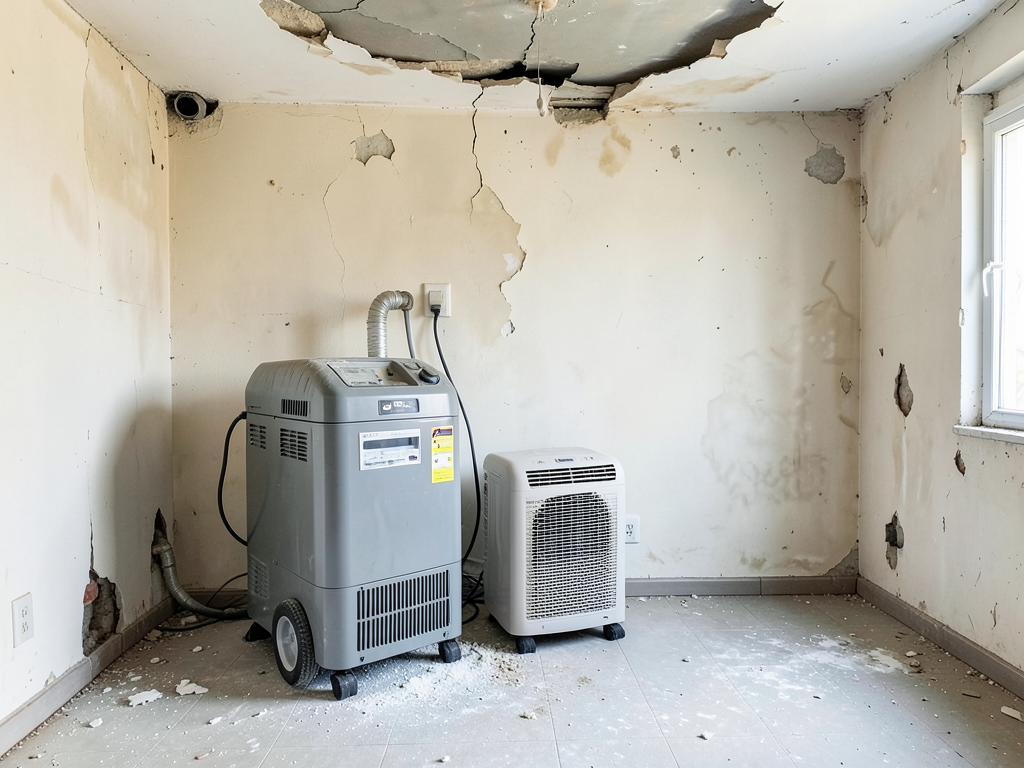
Drying equipment selection matters significantly in our climate. Standard fans won’t adequately dry plaster because the material’s density and thickness prevent air penetration. Industrial dehumidifiers must achieve specific moisture content levels – typically reducing plaster moisture from 20-25% saturation down to 12-15% for safe restoration.
Indianapolis’s summer humidity creates additional challenges. When outdoor relative humidity exceeds 70%, standard dehumidifiers struggle to extract moisture effectively. LGR (Low Grain Refrigerant) dehumidifiers become essential, capable of removing moisture even in high-humidity conditions. These units can extract 20-30 gallons of water per day from saturated materials.
Temperature control plays a critical role. Plaster dries most effectively between 70-90 degrees Fahrenheit. Our Indiana summers often require air conditioning to maintain optimal drying temperatures, while winter restoration might need supplemental heating. This climate-specific approach prevents the freeze-thaw damage that occurs when water freezes inside plaster walls.
Professional Restoration vs. DIY Approaches
Many homeowners attempt DIY plaster repair using fans and household dehumidifiers, but this approach often fails for several reasons. First, plaster’s density means surface drying occurs while moisture remains trapped deep within the material. This creates a false sense of security – walls feel dry to touch but still contain damaging moisture levels.
Professional restoration uses moisture meters that penetrate 3/4 inch into plaster, providing accurate readings of internal moisture content. These readings guide the drying process, ensuring complete moisture removal before repairs begin. DIY methods typically measure only surface moisture, missing the deeper saturation that causes long-term damage.
Another critical difference involves mold prevention. Professional restoration includes antimicrobial treatments that inhibit mold growth during the drying process. Our humid Indiana summers create perfect mold-growing conditions within 24-48 hours of water exposure. DIY approaches often miss this critical window, leading to extensive mold remediation needs later. Safe and Permanent Mold Remediation for Homes in Broad Ripple.
Structural assessment represents another key difference. Professionals evaluate whether plaster retains adequate adhesion to lath and whether underlying wood framing shows signs of rot or warping. This comprehensive evaluation prevents costly repairs down the road by identifying problems that aren’t visible to untrained eyes.
The Restoration Process Step by Step
Professional plaster restoration follows a systematic approach that maximizes salvage potential while ensuring structural integrity. The process begins with emergency water extraction using specialized equipment designed for plaster walls. Unlike carpet extraction, plaster requires careful moisture removal that doesn’t damage the surface.
Once standing water is removed, the drying phase begins. Industrial air movers create specific airflow patterns that promote moisture evaporation from deep within plaster. These aren’t standard fans – they’re high-velocity units that can move 3,000 cubic feet of air per minute, ensuring thorough drying throughout wall cavities.
Dehumidification runs concurrently with air movement. LGR dehumidifiers maintain specific humidity levels that optimize drying speed while preventing secondary damage. The equipment runs continuously for 3-5 days depending on saturation levels, with moisture readings taken every 24 hours to track progress.
Once moisture content reaches safe levels, surface cleaning removes efflorescence and any mold growth. This involves specialized cleaners that don’t damage historic plaster finishes. The cleaning process also reveals whether plaster requires structural reinforcement or can proceed to cosmetic restoration.
Final restoration includes patching damaged areas with materials compatible with historic plaster. Modern joint compound won’t match the flexibility and texture of original plaster. Professionals use lime-based patching materials that expand and contract similarly to the original plaster, preventing future cracking.
When Replacement Becomes Necessary
Despite best efforts, some plaster damage requires complete replacement. This decision often comes down to structural integrity rather than cosmetic appearance. If plaster has separated from lath by more than 1/4 inch, reattachment becomes impossible without complete reconstruction.
Extensive mold growth represents another replacement scenario. While surface mold can be treated, mold that penetrates deep into plaster fibers creates health hazards that cannot be adequately remediated. Our humid Indiana climate accelerates mold growth in water-damaged plaster, making early intervention crucial.
Foundation movement causes another common replacement situation. The clay soil in Marion County expands and contracts with moisture changes, creating stress on plaster walls that leads to extensive cracking. When cracks exceed 1/8 inch in width or appear in a stair-step pattern, structural issues often require foundation repair before any plaster work.
Water from contaminated sources like sewage backups or flooding requires complete replacement due to health risks. These Category 3 water events introduce bacteria and other contaminants that penetrate plaster beyond cleaning capabilities. Indiana’s combined sewer systems in older neighborhoods increase this risk during heavy rainfall events.
Insurance Considerations for Historic Plaster
Insurance coverage for plaster restoration varies significantly among providers. Many standard policies consider plaster a premium feature, offering higher coverage limits for historic materials. However, they may require documentation proving the home’s historic status and the plaster’s original construction date.
Professional restoration companies often provide insurance documentation services, including detailed damage assessments and restoration plans. This documentation helps justify restoration costs versus replacement, particularly important when dealing with historic preservation requirements in the Old Northside district.
Some insurance providers require specific restoration methods to maintain coverage. For instance, they may mandate IICRC-certified technicians for water damage restoration or require documentation of moisture readings throughout the drying process. Understanding these requirements before beginning work prevents coverage disputes later.
Additional living expenses coverage often applies during extensive restoration. Plaster drying and restoration can take 1-2 weeks, during which homeowners may need temporary housing. Insurance policies typically cover these costs, but coverage limits and documentation requirements vary significantly between providers.
Preventing Future Water Damage
Once you’ve invested in plaster restoration, preventing future damage becomes critical. Indianapolis’s climate creates several recurring threats that require specific mitigation strategies. Roof leaks from ice dams in winter, basement flooding during spring rains, and plumbing failures from frozen pipes all pose risks to plaster walls.
Roof maintenance becomes particularly important for plaster preservation. Our area’s freeze-thaw cycles cause ice dam formation, forcing water under shingles and into wall cavities. Annual roof inspections, proper attic ventilation, and ice and water shield installation under shingles provide essential protection for historic plaster walls.
Plumbing inspection represents another critical prevention strategy. The age of many Old Northside homes means original plumbing may be near failure. Copper pipes installed before 1970 often develop pinhole leaks, while galvanized steel pipes corrode internally. Professional plumbing inspections can identify these risks before they cause plaster damage.
Foundation waterproofing addresses the hydrostatic pressure issues common in our area. Exterior waterproofing membranes, proper grading away from foundation walls, and functional gutter systems prevent the moisture infiltration that damages plaster. These preventative measures often cost less than a single plaster restoration project.
Choosing the Right Restoration Professional
Not all restoration companies understand historic plaster restoration. Look for firms with specific experience in Old Northside and other historic Indianapolis neighborhoods. They should understand the differences between horsehair plaster, veneer plaster, and modern drywall – knowledge that affects restoration approach and material selection.
Certification matters significantly. IICRC certification in water damage restoration ensures technicians understand the science behind proper drying and the specific requirements for different building materials. EPA Lead-Safe certification becomes essential for homes built before 1978, as disturbing old plaster can release lead dust.
Equipment quality directly impacts restoration success. Professional firms use industrial-grade drying equipment, thermal imaging cameras for moisture detection, and moisture meters calibrated for plaster rather than drywall. These tools ensure thorough drying that DIY methods cannot achieve.
Insurance experience helps navigate the claims process smoothly. Restoration companies familiar with local insurance providers understand documentation requirements and can provide the detailed assessments needed for proper claim approval. This experience often results in faster claim processing and better coverage outcomes.
Local Success Stories and Case Studies
Recent restoration projects in the Old Northside demonstrate plaster’s salvageability when handled correctly. A 1910 home on North Park Avenue experienced extensive water damage from a burst second-floor pipe. Professional restoration using LGR dehumidifiers and specialized drying techniques saved 85% of the original plaster, preserving the home’s historic character while addressing modern moisture standards.
Another success involved a Meridian-Kessler home where foundation leaks had slowly damaged dining room plaster over several years. Thermal imaging revealed moisture patterns that indicated the slow infiltration common in our area’s clay soil conditions. Strategic drying and targeted repairs restored the walls without requiring complete replacement.
These local examples highlight the importance of professional assessment. What appeared to be complete plaster failure in several cases turned out to be salvageable with proper techniques. The key difference was early intervention and the use of equipment and methods specifically designed for historic plaster restoration.
Your Next Steps for Plaster Protection
If you’re facing water-damaged plaster in your Old Northside home, time matters significantly. The first 24-48 hours determine whether plaster can be saved or requires replacement. During this critical window, moisture continues to spread through plaster, mold begins growing, and structural damage accelerates.
Start by documenting the damage with photos and notes about when water exposure occurred. This information helps restoration professionals assess the situation and provides valuable documentation for insurance claims. Don’t attempt extensive cleanup yourself – improper handling can cause additional damage.
Professional assessment provides the most accurate evaluation of salvage potential. Experienced technicians can determine within hours whether your plaster can be saved using current technology and methods. This assessment typically costs nothing but provides crucial information for decision-making.
Remember that saving original plaster often costs less than replacement when considering the full scope of work. Replacement requires not just new materials but also matching existing textures, dealing with lead paint concerns, and potentially upgrading electrical or plumbing systems hidden in walls. Professional restoration addresses the specific damage while preserving the original character.
Frequently Asked Questions
How long does plaster take to dry after water damage?
Professional plaster drying typically requires 3-5 days using industrial equipment. The exact time depends on saturation level, plaster thickness, and environmental conditions. Indianapolis’s humidity often extends drying times compared to drier climates.
Can mold grow in plaster walls?
Yes, mold thrives in water-damaged plaster, particularly in our humid Indiana summers. Mold can begin growing within 24-48 hours of water exposure. Professional restoration includes antimicrobial treatments to prevent mold growth during the drying process.
Is it cheaper to repair or replace water-damaged plaster?
Repair is often more cost-effective when possible. Replacement requires not just new materials but also matching existing textures, addressing lead paint concerns, and potentially upgrading hidden systems. Professional assessment determines the most economical approach.
Do I need special insurance for historic plaster restoration?
Standard homeowners insurance often covers plaster restoration, but coverage varies by provider. Historic district homes may qualify for additional preservation grants or specialized coverage. Professional restoration companies can help navigate insurance requirements.
What causes plaster to fail after water damage?
Plaster fails when water causes separation from lath, promotes mold growth, or leads to structural movement. Our local freeze-thaw cycles and clay soil conditions create additional stress that accelerates plaster failure after water exposure.
Take Action Before More Damage Occurs
Water-damaged plaster won’t fix itself, and every hour of delay reduces salvage chances. Our Indianapolis climate creates perfect conditions for mold growth and structural deterioration in water-damaged plaster. Professional assessment costs nothing but provides crucial information about your restoration options.
Don’t risk losing your home’s historic character to improper restoration attempts. Professional technicians understand the specific challenges facing Old Northside plaster and have the equipment to address them properly. From thermal imaging to detect hidden moisture to LGR dehumidifiers that work in our humid conditions, professional restoration offers the best chance for saving your original plaster.
Pick up the phone and call (317) 703-7676 today to schedule your inspection. Our experienced team will assess your plaster damage, explain your restoration options, and provide a clear plan for bringing your walls back to their original beauty. Don’t wait until that minor water damage becomes major structural failure – call now and protect your home’s historic character.
You may also find this helpful. Why Your Fireplace Hearth Stays Damp After Every Rainstorm in Your Meridian-Kessler Home.
{
“@context”: “https://schema.org”,
“@type”: “BlogPosting”,
“headline”: “Can You Actually Save Original Plaster Walls After a Water Leak in Your Old Northside Home?”,
“description”: “Discover if your historic Old Northside plaster walls can survive water damage. Learn Indianapolis-specific restoration techniques, drying methods, and when to call professionals.”,
“wordCount”: 2638,
“datePublished”: “2026-05-29T08:44:00.000Z”,
“dateModified”: “2026-05-29T08:44:00.000Z”,
“inLanguage”: “en-US”,
“mainEntityOfPage”: {
“@type”: “WebPage”,
“@id”: “https://apexwaterdamagerestorationindianapolis.com”
},
“publisher”: {
“@type”: “LocalBusiness”,
“name”: “Apex Water Damage Restoration Indianapolis”,
“url”: “https://apexwaterdamagerestorationindianapolis.com”
},
“author”: {
“@type”: “Organization”,
“name”: “Apex Water Damage Restoration Indianapolis”,
“url”: “https://apexwaterdamagerestorationindianapolis.com”
},
“image”: {
“@type”: “ImageObject”,
“url”: “https://apexwaterdamagerestorationindianapolis.com/wp-content/uploads/2026/03/can-you-actually-save-original-plaster-walls-after-1.png”
}
}
{
“@context”: “https://schema.org”,
“@type”: “LocalBusiness”,
“name”: “Apex Water Damage Restoration Indianapolis”,
“url”: “https://apexwaterdamagerestorationindianapolis.com”,
“address”: {
“@type”: “PostalAddress”,
“addressLocality”: “Indianapolis”
},
“areaServed”: {
“@type”: “City”,
“name”: “Indianapolis”
}
}
{
“@context”: “https://schema.org”,
“@type”: “FAQPage”,
“mainEntity”: [
{
“@type”: “Question”,
“name”: “How long does plaster take to dry after water damage?”,
“acceptedAnswer”: {
“@type”: “Answer”,
“text”: “Professional plaster drying typically requires 3-5 days using industrial equipment. The exact time depends on saturation level, plaster thickness, and environmental conditions. Indianapolis’s humidity often extends drying times compared to drier climates.”
}
},
{
“@type”: “Question”,
“name”: “Can mold grow in plaster walls?”,
“acceptedAnswer”: {
“@type”: “Answer”,
“text”: “Yes, mold thrives in water-damaged plaster, particularly in our humid Indiana summers. Mold can begin growing within 24-48 hours of water exposure. Professional restoration includes antimicrobial treatments to prevent mold growth during the drying process.”
}
},
{
“@type”: “Question”,
“name”: “Is it cheaper to repair or replace water-damaged plaster?”,
“acceptedAnswer”: {
“@type”: “Answer”,
“text”: “Repair is often more cost-effective when possible. Replacement requires not just new materials but also matching existing textures, addressing lead paint concerns, and potentially upgrading hidden systems. Professional assessment determines the most economical approach.”
}
},
{
“@type”: “Question”,
“name”: “Do I need special insurance for historic plaster restoration?”,
“acceptedAnswer”: {
“@type”: “Answer”,
“text”: “Standard homeowners insurance often covers plaster restoration, but coverage varies by provider. Historic district homes may qualify for additional preservation grants or specialized coverage. Professional restoration companies can help navigate insurance requirements.”
}
},
{
“@type”: “Question”,
“name”: “What causes plaster to fail after water damage?”,
“acceptedAnswer”: {
“@type”: “Answer”,
“text”: “Plaster fails when water causes separation from lath, promotes mold growth, or leads to structural movement. Our local freeze-thaw cycles and clay soil conditions create additional stress that accelerates plaster failure after water exposure.”
}
}
]
}
{
“@context”: “https://schema.org”,
“@type”: “BreadcrumbList”,
“itemListElement”: [
{
“@type”: “ListItem”,
“position”: 1,
“name”: “Home”,
“item”: “https://apexwaterdamagerestorationindianapolis.com”
},
{
“@type”: “ListItem”,
“position”: 2,
“name”: “Blog”,
“item”: “https://apexwaterdamagerestorationindianapolis.com/blog”
},
{
“@type”: “ListItem”,
“position”: 3,
“name”: “Can You Actually Save Original Plaster Walls After a Water Leak in Your Old Northside Home?”
}
]
}
{
“@context”: “https://schema.org”,
“@type”: “Service”,
“serviceType”: “Water Damage Restoration”,
“provider”: {
“@type”: “LocalBusiness”,
“name”: “Apex Water Damage Restoration Indianapolis”,
“url”: “https://apexwaterdamagerestorationindianapolis.com”
},
“areaServed”: {
“@type”: “City”,
“name”: “Indianapolis”
},
“description”: “Discover if your historic Old Northside plaster walls can survive water damage. Learn Indianapolis-specific restoration techniques, drying methods, and when to call professionals.”
}