
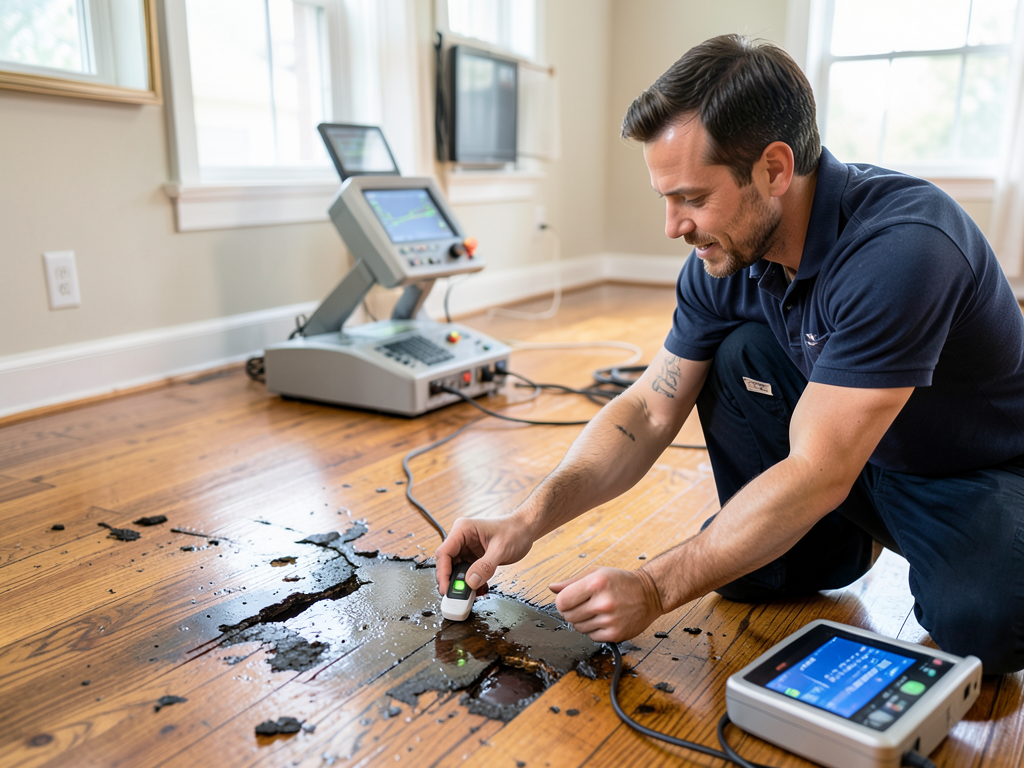
Can Your Hardwood Floors Be Saved After a Leak in Meridian-Kessler?
Water damage to hardwood floors creates immediate panic for homeowners in Meridian-Kessler. The humid climate here means moisture can quickly cause permanent warping, cupping, or buckling that destroys thousands of dollars in flooring. The good news is that professional restoration can often save your floors if you act fast. Our specialized equipment and moisture detection technology can determine whether your wood can be dried and restored or needs replacement. Who to Call for Emergency Water Damage Restoration in Carmel.
Hardwood floors in Meridian-Kessler homes face unique challenges. Many properties in this historic neighborhood feature original oak or maple flooring from the early 1900s. These solid wood floors can often be saved with proper drying techniques, while engineered wood from newer homes may require different approaches. The key is rapid response before moisture causes irreversible damage to the wood fibers and subfloor.
Understanding Water Damage to Hardwood Floors
Hardwood reacts to water in specific ways that determine whether restoration is possible. When wood absorbs moisture, it expands and can create visible damage patterns. Cupping occurs when the edges of boards rise higher than the center, creating a concave shape. This happens when moisture comes from underneath the floor, often from a leaking pipe or foundation seepage common in Meridian-Kessler’s older homes. EPA mold information.
Crowning is the opposite problem, where the center of the board rises above the edges. This typically results from moisture on the surface of the wood, such as from a roof leak or overflowing bathtub. Buckling represents the most severe damage, where entire boards pull away from the subfloor. This usually requires replacement rather than restoration.
The Indianapolis area’s high humidity levels, especially during summer months, complicate the drying process. Wood that appears dry on the surface may still contain moisture deep in the fibers. Professional moisture meters can detect hidden water that DIY methods miss, preventing premature sanding or refinishing that could trap moisture and cause future problems. Professional Sewage Cleanup and Sanitization Services in Greenwood.
Types of Hardwood and Their Response to Water
Solid hardwood floors, common in Meridian-Kessler’s historic homes, offer the best chance for restoration. Oak, maple, and walnut can often be dried and refinished if caught early. These woods have natural resilience that allows them to return to their original shape when properly dried. The thickness of solid wood also provides more material for sanding away surface damage.
Engineered hardwood presents different challenges. This material consists of a thin hardwood veneer over plywood layers. While engineered wood handles minor moisture better than solid wood, severe water damage often cannot be repaired. The thin top layer may delaminate or warp beyond restoration. Many newer homes in Meridian-Kessler feature engineered flooring, requiring specialized assessment. Complete Water Damage Repair for Historic Homes in Meridian-Kessler.
Exotic hardwoods like Brazilian cherry or mahogany react differently to water exposure. These dense woods may resist initial moisture absorption but can develop internal damage that isn’t visible until too late. The finish on exotic woods also affects water penetration rates, with some finishes providing better protection than others. Emergency Water Removal Services in Noblesville That Respond 24-7.
Professional Restoration Process for Water Damaged Floors
Professional restoration follows a systematic approach that maximizes the chance of saving your floors. The process begins with moisture mapping using specialized meters that detect water at various depths. Thermal imaging cameras can identify hidden moisture pockets behind walls or under flooring that might affect the restoration process.. Read more about Dealing with Hidden Water Damage and Mold in Fishers.
Water extraction comes next, using industrial vacuums designed for hardwood surfaces. Unlike carpet extraction, hardwood requires gentle but thorough removal of standing water without damaging the wood surface. The equipment must be powerful enough to remove water from between boards and from the subfloor beneath.. Read more about Deciding Between DIY Cleanup and Professional Restoration for Your Westfield Home.
Dehumidification and air movement form the core of the drying process. Professional-grade dehumidifiers remove moisture from the air while specialized floor drying mats apply suction to draw water from the wood itself. The equipment creates a drying chamber effect that accelerates moisture removal without causing additional damage.. Read more about Handling a Leaking Water Heater in Your Beech Grove Utility Room.
Moisture monitoring continues throughout the process. Technicians take readings at multiple locations and depths to track progress. The goal is achieving moisture content levels below 12% for the local climate, as specified in the IICRC S500 standard for professional water damage restoration. This ensures the wood won’t continue to move or warp after restoration. IICRC.
Specialized Equipment for Hardwood Floor Drying
Professional restoration requires equipment that goes beyond standard water damage tools. Injectidry systems use specialized panels and hoses to create negative pressure under hardwood floors. This technology can extract moisture from between boards and from the subfloor without removing the flooring. The system works particularly well for Meridian-Kessler’s older homes where preserving original flooring is crucial.
Floor drying mats connect to powerful extraction units that pull moisture through the wood surface. These mats cover large areas and can be moved as drying progresses. The technology works best on flat, solid surfaces and can reduce drying time from weeks to days when used properly.
Dehumidifiers for hardwood restoration differ from standard units. Low-grain refrigerant (LGR) dehumidifiers remove more moisture per hour and can achieve lower humidity levels. This capability is essential in Indianapolis’s humid climate where ambient moisture would otherwise slow the drying process.. Read more about Why Local Indianapolis Homeowners Trust Us for Emergency Flooding.
Air movers for hardwood floors use gentle, low-pressure airflow to promote evaporation without causing additional damage. High-velocity air can actually force moisture deeper into the wood or cause cupping to worsen. Professional restoration uses calculated air movement patterns based on the specific wood type and damage pattern.
Subfloor Considerations in Meridian-Kessler Homes
Water damage to hardwood floors often affects the subfloor beneath. Many Meridian-Kessler homes feature wood subfloors over crawl spaces or basements. When water penetrates through hardwood, it can saturate the subfloor, creating a reservoir of moisture that continues to damage the surface flooring.. Read more about Why Your Butler-Tarkington Crawl Space Stays Damp and What to Do About It.
Subfloor drying requires different techniques than surface floor drying. Access panels may need to be created to reach the subfloor from below. In crawl space homes, technicians can often access the subfloor from underneath, reducing the need to disturb the finished flooring above.
Concrete subfloors, common in newer constructions, present different challenges. Water can remain trapped between the concrete and hardwood for extended periods. Specialized drying systems can extract moisture from concrete, but the process takes longer than wood subfloor drying. The age of the concrete also affects drying time, with newer concrete holding more moisture.
Subfloor damage assessment determines whether restoration is viable. If the subfloor has delaminated, warped, or developed mold, the entire flooring system may need replacement. Professional assessment can identify these issues before restoration begins, preventing wasted effort on unsalvageable floors.
Mold Prevention and Treatment
Moisture creates ideal conditions for mold growth within 24-48 hours. In Indianapolis’s humid climate, this timeline can be even shorter. Professional restoration includes mold prevention strategies that DIY approaches often miss. Antimicrobial treatments applied during the drying process can prevent mold spores from establishing colonies in the wood.
Hidden mold poses particular risks in older Meridian-Kessler homes. Water can travel along joists and behind walls, creating mold growth in areas not visible from the floor surface. Professional assessment includes checking these hidden areas to ensure complete treatment.
If mold is already present, specialized remediation becomes necessary. This process involves containment to prevent spore spread, HEPA filtration to capture airborne spores, and antimicrobial treatments to kill existing growth. The approach must preserve the wood while eliminating the health hazard. Safe and Permanent Mold Remediation for Homes in Broad Ripple.
Post-restoration testing verifies that mold has been eliminated. Air quality testing and surface sampling provide documentation for insurance purposes and ensure the home is safe for occupancy. This testing is particularly important for homes with children, elderly residents, or individuals with respiratory conditions.
Insurance Considerations for Hardwood Floor Restoration
Homeowners insurance coverage for water damaged hardwood floors varies significantly. Sudden, accidental damage from burst pipes or appliance failures typically receives coverage, while gradual damage from maintenance issues may not. Understanding your policy’s specific terms helps determine whether restoration or replacement costs will be covered.
Documentation requirements for insurance claims include detailed damage assessment, moisture readings, and before/after photographs. Professional restoration companies provide this documentation as part of their service, making the claims process smoother. The documentation must clearly show the extent of damage and the necessity of the restoration work performed.. Read more about Saving Your Carpet After a Flood in Your Franklin Township Rental.
Depreciation can affect insurance payouts for older hardwood floors. Original hardwood in Meridian-Kessler homes may have significant value, but insurance companies often base payments on replacement cost rather than restoration value. Professional assessment can help establish the true value of historic flooring to support higher claim amounts.
Additional living expenses coverage may apply if the restoration requires vacating the home. This coverage helps with hotel costs and other expenses while the work is completed. Understanding these provisions helps homeowners make informed decisions about restoration timing and scope.
Cost Factors in Hardwood Floor Restoration
Restoration costs depend on multiple factors including the extent of damage, type of wood, and accessibility. Minor cupping affecting a small area costs significantly less than widespread buckling requiring complete floor removal. The age and type of flooring also affect costs, with historic floors often requiring more careful restoration techniques.
Time sensitivity directly impacts restoration costs. Emergency response within the first 24 hours typically costs more but can prevent the need for complete floor replacement. Waiting to address water damage often results in higher overall costs due to additional damage that occurs during the delay.
Equipment requirements vary by job. Simple extraction and drying costs less than jobs requiring specialized equipment like Injectidry systems or thermal imaging. The need for subfloor access or wall cavity drying also increases costs due to additional labor and equipment requirements.
Post-restoration refinishing represents an additional cost factor. While restoration can save the wood, many floors require sanding and refinishing to return to their original appearance. This process adds to the overall cost but may be necessary to achieve satisfactory results.
When Replacement Becomes Necessary
Certain damage patterns indicate that replacement rather than restoration is the better option. Severe buckling where boards have pulled completely away from the subfloor often cannot be repaired successfully. The stress on the wood during the buckling process can cause internal damage that isn’t visible but affects long-term stability.
Black water damage from sewage or long-standing flood water requires replacement due to contamination concerns. Even if the wood could be dried, the health risks from bacterial and chemical contamination make restoration unsafe. This situation is particularly relevant in Meridian-Kessler’s older homes where combined sewer systems can back up during heavy rains.
Structural damage to the subfloor often necessitates complete floor replacement. If the subfloor has rotted or warped, attempting to restore the surface flooring would be futile. The entire flooring system must be addressed to prevent future problems.
Age and condition of the existing flooring affect replacement decisions. Very old hardwood that has been refinished multiple times may not have enough material left for successful restoration. In these cases, replacement with new flooring that matches the existing style may be the better long-term solution.
DIY vs. Professional Restoration
Homeowners often consider DIY restoration to save money, but this approach carries significant risks. Consumer-grade equipment lacks the power and precision of professional tools. Standard fans and dehumidifiers cannot extract moisture from within wood fibers the way specialized equipment can. This limitation often results in incomplete drying that leads to future problems.
Moisture detection represents a critical area where DIY approaches fall short. Without professional moisture meters and thermal imaging, homeowners cannot accurately assess whether floors are truly dry. Surface dryness often masks moisture deep in the wood or subfloor, leading to premature refinishing and subsequent damage.
Time sensitivity makes DIY restoration particularly risky. Professional restoration teams can begin work within hours of water damage, while homeowners must first research, rent equipment, and learn proper techniques. This delay often allows damage to progress beyond the point of successful restoration.
Insurance requirements may mandate professional restoration for coverage eligibility. Some policies require IICRC-certified technicians to perform water damage restoration for claims to be valid. Attempting DIY restoration could void coverage and leave homeowners responsible for all costs.
Prevention Strategies for Hardwood Floor Protection
Preventive measures can significantly reduce the risk of water damage to hardwood floors. Regular inspection of plumbing fixtures, especially in kitchens and bathrooms, can identify potential leaks before they cause damage. This is particularly important in Meridian-Kessler’s older homes where plumbing may have aged beyond its expected lifespan.
Proper humidity control helps prevent moisture-related damage. Indianapolis’s humid summers can cause wood to expand and contract, leading to gaps or buckling over time. Maintaining indoor humidity between 30-50% using dehumidifiers or HVAC systems can protect hardwood floors from seasonal moisture changes.
Water detection devices placed near potential leak sources provide early warning of problems. These devices can alert homeowners to small leaks before they cause extensive damage. Strategic placement near water heaters, washing machines, and under sinks can catch issues early.
Proper floor maintenance includes using appropriate cleaning products and avoiding excess water during cleaning. Hardwood floors should be cleaned with products specifically designed for wood, and spills should be wiped up immediately. Area rugs in high-risk areas like near exterior doors can also provide protection.
Local Meridian-Kessler Considerations
Meridian-Kessler’s historic character creates unique challenges for hardwood floor restoration. Many homes in this area were built between 1900 and 1940, featuring construction methods and materials different from modern homes. The original hardwood in these homes often has unique characteristics that require specialized restoration knowledge.
The neighborhood’s mature tree canopy and older infrastructure can contribute to water damage risks. Tree roots can damage underground pipes, leading to slow leaks that go unnoticed until significant damage occurs. The area’s combined sewer system can also back up during heavy rains, causing basement flooding that affects first-floor hardwood.
Local building codes in Indianapolis require specific moisture content levels for finished flooring installation. The Indiana Residential Code references the National Wood Flooring Association standards, which specify maximum moisture content variations between flooring and subfloor. Professional restoration must achieve these standards to ensure long-term stability.
Meridian-Kessler’s proximity to the White River affects local humidity levels and groundwater conditions. Homes near the river may experience higher humidity levels and increased risk of foundation moisture issues. These factors require additional attention during the restoration process to ensure complete moisture removal.
Frequently Asked Questions
How long does hardwood floor restoration take?
The restoration timeline varies based on damage extent and wood type. Minor cupping may require 3-5 days of drying, while severe damage can take 2-3 weeks. The Indianapolis climate affects drying times, with summer humidity potentially extending the process. Professional assessment provides specific timelines for each situation.
Can engineered hardwood be restored like solid wood?
Engineered hardwood requires different restoration approaches than solid wood. The thin veneer layer limits sanding options, and the plywood core responds differently to moisture. While some engineered floors can be restored, many require replacement when severely damaged. Professional assessment determines the best approach for each specific floor.
Will my insurance cover hardwood floor restoration?
Coverage depends on your specific policy and the water damage source. Sudden, accidental damage from plumbing failures typically receives coverage, while maintenance-related damage may not. Many policies have specific provisions for hardwood floors, including depreciation considerations. Professional assessment and documentation support successful insurance claims.
How can I tell if my floors are too damaged to save?
Signs that replacement may be necessary include severe buckling, black water contamination, structural subfloor damage, or wood that has warped beyond normal tolerances. Professional moisture testing can identify internal damage not visible on the surface. Early assessment provides the best chance for successful restoration.
What’s the success rate for hardwood floor restoration?
Success rates vary by damage type and response time. Floors treated within 24-48 hours of water exposure have success rates above 80% for minor to moderate damage. Success rates drop significantly for delayed treatment or severe damage. Professional assessment provides realistic expectations based on specific conditions.
Get Your Free Moisture Inspection Today
Water damage to hardwood floors requires immediate professional attention to maximize restoration success. Our certified technicians use specialized equipment to assess damage and determine the best restoration approach for your specific situation. We serve Meridian-Kessler and all Indianapolis neighborhoods with 24/7 emergency response.
Don’t wait until minor water damage becomes major floor replacement. Call (317) 703-7676 today to schedule your free moisture inspection. Our experts will assess your floors, explain restoration options, and provide a clear plan to save your hardwood. Fast action can mean the difference between restoration and replacement.
Pick up the phone and call (317) 703-7676 before the next storm hits. Every hour counts when it comes to water damaged hardwood floors. Our team is ready to respond and help you protect your home’s most valuable flooring investment.
{
“@context”: “https://schema.org”,
“@type”: “BlogPosting”,
“headline”: “Can Your Hardwood Floors Be Saved After a Leak in Meridian-Kessler?”,
“description”: “Discover if your hardwood floors can be saved after water damage in Meridian-Kessler. Learn about cupping, crowning, and professional restoration techniques specific to Indianapolis homes.”,
“wordCount”: 2813,
“datePublished”: “2026-03-07T12:03:00.000Z”,
“dateModified”: “2026-03-07T12:03:00.000Z”,
“inLanguage”: “en-US”,
“mainEntityOfPage”: {
“@type”: “WebPage”,
“@id”: “https://apexwaterdamagerestorationindianapolis.com”
},
“publisher”: {
“@type”: “LocalBusiness”,
“name”: “Apex Water Damage Restoration Indianapolis”,
“url”: “https://apexwaterdamagerestorationindianapolis.com”
},
“author”: {
“@type”: “Organization”,
“name”: “Apex Water Damage Restoration Indianapolis”,
“url”: “https://apexwaterdamagerestorationindianapolis.com”
},
“image”: {
“@type”: “ImageObject”,
“url”: “https://apexwaterdamagerestorationindianapolis.com/wp-content/uploads/2026/03/can-your-hardwood-floors-be-saved-after-a-leak-in-1.png”
}
}
{
“@context”: “https://schema.org”,
“@type”: “LocalBusiness”,
“name”: “Apex Water Damage Restoration Indianapolis”,
“url”: “https://apexwaterdamagerestorationindianapolis.com”,
“address”: {
“@type”: “PostalAddress”,
“addressLocality”: “Indianapolis”
},
“areaServed”: {
“@type”: “City”,
“name”: “Indianapolis”
}
}
{
“@context”: “https://schema.org”,
“@type”: “FAQPage”,
“mainEntity”: [
{
“@type”: “Question”,
“name”: “How long does hardwood floor restoration take?”,
“acceptedAnswer”: {
“@type”: “Answer”,
“text”: “The restoration timeline varies based on damage extent and wood type. Minor cupping may require 3-5 days of drying, while severe damage can take 2-3 weeks. The Indianapolis climate affects drying times, with summer humidity potentially extending the process. Professional assessment provides specific timelines for each situation.”
}
},
{
“@type”: “Question”,
“name”: “Can engineered hardwood be restored like solid wood?”,
“acceptedAnswer”: {
“@type”: “Answer”,
“text”: “Engineered hardwood requires different restoration approaches than solid wood. The thin veneer layer limits sanding options, and the plywood core responds differently to moisture. While some engineered floors can be restored, many require replacement when severely damaged. Professional assessment determines the best approach for each specific floor.”
}
},
{
“@type”: “Question”,
“name”: “Will my insurance cover hardwood floor restoration?”,
“acceptedAnswer”: {
“@type”: “Answer”,
“text”: “Coverage depends on your specific policy and the water damage source. Sudden, accidental damage from plumbing failures typically receives coverage, while maintenance-related damage may not. Many policies have specific provisions for hardwood floors, including depreciation considerations. Professional assessment and documentation support successful insurance claims.”
}
},
{
“@type”: “Question”,
“name”: “How can I tell if my floors are too damaged to save?”,
“acceptedAnswer”: {
“@type”: “Answer”,
“text”: “Signs that replacement may be necessary include severe buckling, black water contamination, structural subfloor damage, or wood that has warped beyond normal tolerances. Professional moisture testing can identify internal damage not visible on the surface. Early assessment provides the best chance for successful restoration.”
}
},
{
“@type”: “Question”,
“name”: “What’s the success rate for hardwood floor restoration?”,
“acceptedAnswer”: {
“@type”: “Answer”,
“text”: “Success rates vary by damage type and response time. Floors treated within 24-48 hours of water exposure have success rates above 80% for minor to moderate damage. Success rates drop significantly for delayed treatment or severe damage. Professional assessment provides realistic expectations based on specific conditions.”
}
}
]
}
{
“@context”: “https://schema.org”,
“@type”: “BreadcrumbList”,
“itemListElement”: [
{
“@type”: “ListItem”,
“position”: 1,
“name”: “Home”,
“item”: “https://apexwaterdamagerestorationindianapolis.com”
},
{
“@type”: “ListItem”,
“position”: 2,
“name”: “Blog”,
“item”: “https://apexwaterdamagerestorationindianapolis.com/blog”
},
{
“@type”: “ListItem”,
“position”: 3,
“name”: “Can Your Hardwood Floors Be Saved After a Leak in Meridian-Kessler?”
}
]
}
{
“@context”: “https://schema.org”,
“@type”: “Service”,
“serviceType”: “Water Damage Restoration”,
“provider”: {
“@type”: “LocalBusiness”,
“name”: “Apex Water Damage Restoration Indianapolis”,
“url”: “https://apexwaterdamagerestorationindianapolis.com”
},
“areaServed”: {
“@type”: “City”,
“name”: “Indianapolis”
},
“description”: “Discover if your hardwood floors can be saved after water damage in Meridian-Kessler. Learn about cupping, crowning, and professional restoration techniques specific to Indianapolis homes.”
}