
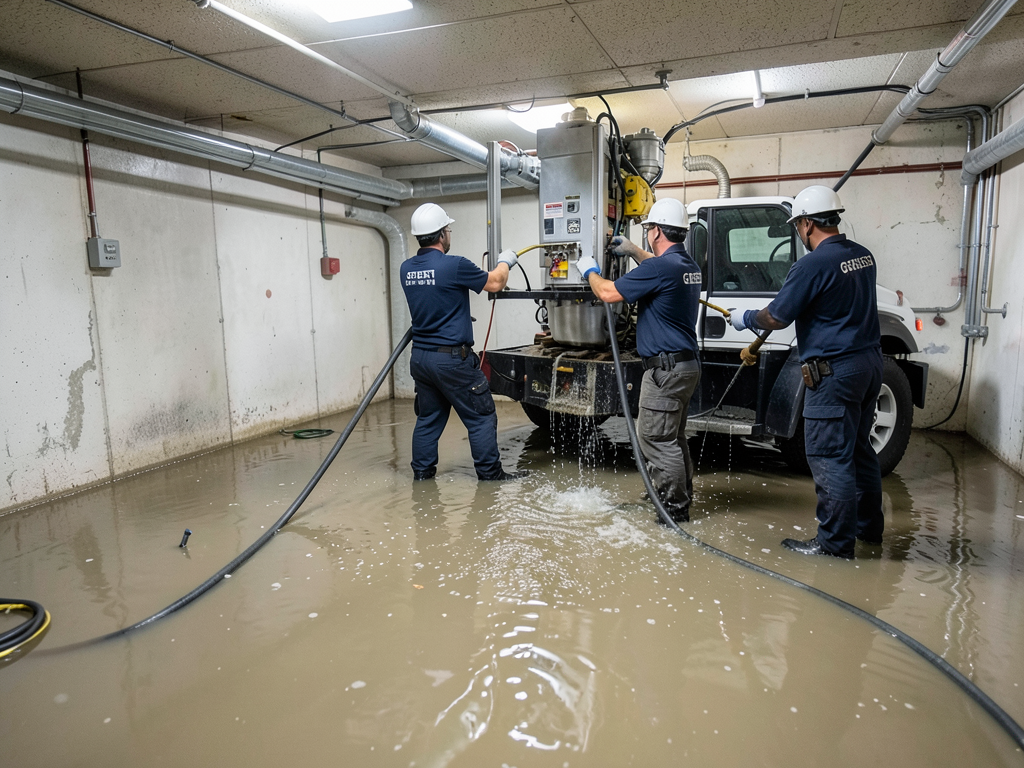
When a sump pump battery backup fails in Geist, it often happens during heavy storms when you need it most. The result is standing water in your basement, damaged belongings, and the potential for mold growth within 24-48 hours. If you’re dealing with this right now, the first priority is stopping the water source and beginning the extraction process. Who to Call for Emergency Water Damage Restoration in Carmel.
Geist’s location near Geist Reservoir means many homes sit on clay-heavy soil that retains water. This creates constant pressure on basement drainage systems, especially during Indiana’s spring and summer storms. A failed battery backup turns a manageable situation into an emergency flood. Complete Water Damage Repair for Historic Homes in Meridian-Kessler.
Why Sump Pump Battery Backups Fail in Geist Homes
Battery backup systems fail for several reasons, and Geist’s specific conditions accelerate these problems. The most common issues include battery age, terminal corrosion, and float switch malfunctions. Most lead-acid backup batteries last 3-5 years before capacity drops below the level needed to run the pump during an outage.
Indiana’s freeze-thaw cycles create additional stress. When discharge pipes freeze, the pump runs continuously trying to clear water that can’t escape. This drains the battery and can burn out the motor. The clay soil in Geist also means pumps cycle more frequently than in areas with sandy soil, reducing battery lifespan. Emergency Water Removal Services in Noblesville That Respond 24-7.
Terminal corrosion is another major factor. The high humidity in Indiana basements, combined with occasional flooding, creates perfect conditions for battery terminals to corrode. Once corrosion builds up, the battery can’t deliver full power even if it’s relatively new.
Float switch issues are common in backup systems. If the switch gets stuck or debris interferes with its movement, the pump won’t activate when needed. This is particularly problematic in Geist where sediment from the reservoir area can make its way into basement drainage systems.
Emergency Steps for a Failed Battery Backup
If your backup has failed and water is entering your basement, take these steps immediately. First, if it’s safe to do so, disconnect the pump from power to prevent electrical hazards. Never touch electrical components while standing in water.. Read more about How Previous Water Damage Impacts the Resale Value of Your Home in Crooked Creek.
Next, identify the water source. If it’s coming from a floor drain or the sump pit, the main pump may have failed or the power is out. If water is entering through walls or cracks, you’re dealing with hydrostatic pressure from saturated soil.. Read more about Dealing with the Stress and Anxiety of a Sudden Home Flood in South Village.
Begin water removal with whatever tools you have available. A wet/dry vacuum can handle small amounts of water, but for anything more than a few gallons, you’ll need professional extraction equipment. Time is critical – every hour standing water remains increases the risk of structural damage and mold growth. Professional Sewage Cleanup and Sanitization Services in Greenwood.
Move valuables and electronics to higher ground immediately. Water can wick up furniture legs and damage items you might not think are at risk. Document everything with photos for insurance purposes before you start cleaning.
Set up fans and dehumidifiers if you have them. The goal is to get air moving and begin drying within the first 24 hours. However, professional-grade equipment moves much more air and removes significantly more moisture than consumer models.
Professional Water Damage Restoration Process
Professional restoration follows a systematic process that addresses both immediate water removal and long-term moisture issues. The first step is a thorough assessment using moisture meters and thermal imaging cameras to detect water in walls, under flooring, and in other hidden areas.
Extraction comes next, using truck-mounted or portable extraction units that can remove thousands of gallons per hour. This is far more effective than shop vacs or carpet cleaners. The equipment includes specialized attachments for different surfaces – hardwood, carpet, tile, and concrete each require different approaches.
Drying involves industrial air movers and dehumidifiers placed strategically to create optimal airflow patterns. Technicians use psychrometric calculations to determine exactly how many units are needed based on the volume of the space and the amount of water removed.
Content manipulation is a critical step many homeowners overlook. This means moving furniture, lifting carpets, removing baseboards, and sometimes cutting holes in walls to access trapped moisture. Everything needs to be dried to prevent mold growth.. Read more about Emergency Content Pack Out and Storage for Flooded Homes in Homecroft.
The final step is monitoring. Moisture levels are checked daily using calibrated meters until materials return to normal moisture content. This typically takes 3-5 days but can extend longer for hardwood floors or concrete.
Choosing the Right Replacement Battery System
When replacing your failed battery backup, you have two main options: traditional lead-acid batteries or AGM (Absorbent Glass Mat) batteries. Lead-acid batteries cost less upfront but require more maintenance and have shorter lifespans in Indiana’s climate.
AGM batteries are sealed, maintenance-free, and perform better in extreme temperatures. They handle the freeze-thaw cycles common in Geist much better than traditional batteries. The initial cost is higher, but the total cost of ownership over five years is often lower due to longer lifespan and fewer replacements.
Consider the pump’s power requirements when selecting a battery. A standard 1/3 HP sump pump draws about 9-10 amps during operation. Your battery needs to provide enough power for at least 24 hours of continuous operation, though most outages last only a few hours.
Look for systems with alarm features that alert you to problems before they cause flooding. Modern systems can send notifications to your phone when the battery needs replacement or when the pump activates during a storm.. Read more about Why Clogged Fall Leaves Cause Foundation Seepage for Homeowners in Traders Point.
Installation location matters in Geist. Basements here often stay cooler due to the clay soil’s insulating properties, which can extend battery life. However, if your basement experiences temperature swings, choose a battery rated for a wide temperature range.
Preventing Future Battery Backup Failures
Prevention starts with regular maintenance. Test your backup system monthly by unplugging the main pump and pouring water into the sump pit. The backup should activate within seconds. If it doesn’t, address the issue immediately.
Clean battery terminals every six months using a mixture of baking soda and water. Apply petroleum jelly to the terminals afterward to prevent corrosion. This simple step can extend battery life by 1-2 years.
Check the float switch mechanism for obstructions. Debris in the sump pit can prevent the switch from moving freely. Consider installing a protective cage around the switch to keep it clear.
Replace batteries on a schedule rather than waiting for failure. Set a calendar reminder to replace lead-acid batteries every 3-4 years and AGM batteries every 5-6 years, regardless of apparent performance.
Consider a dual-battery system for added redundancy. This provides backup if one battery fails and extends runtime during extended outages. The cost increase is modest compared to the peace of mind.
Install a water alarm system as an early warning device. These inexpensive sensors can alert you to rising water levels before they become a major problem, giving you time to address issues before flooding occurs.
Understanding Insurance Coverage for Sump Pump Failures
Standard homeowners insurance policies in Indiana typically don’t cover sump pump failures or water backup damage. You need a specific endorsement or rider for this coverage. The cost is usually $50-100 per year but can save you thousands in restoration costs.
Document everything if you experience a failure. Take photos before, during, and after cleanup. Keep receipts for emergency services and equipment rentals. This documentation is crucial for insurance claims.
Know your policy limits. Many water backup endorsements have separate deductibles and coverage limits, often $5,000-10,000. If your damage exceeds these limits, you’ll be responsible for the difference. EPA mold prevention guidelines.
Ask about depreciation. Some policies only cover the depreciated value of damaged items rather than replacement cost. This can significantly reduce your payout for older belongings.
Consider the source of the water. Damage from groundwater infiltration is typically covered under a water backup endorsement, while damage from surface water intrusion may require different coverage.
Cost Factors for Professional Restoration
Restoration costs vary based on several factors. The volume of water is the primary driver – extracting and drying 100 square feet of carpet costs significantly less than handling 1,000 square feet of hardwood flooring.
Material types affect costs dramatically. Carpet and pad can often be dried in place, while hardwood floors may need to be removed and replaced if water has penetrated beneath them. Tile floors with water underneath the subfloor require extensive demolition.
Contamination level impacts both cost and process. Clean water from a failed pump is much simpler to handle than water that has picked up bacteria or chemicals from your basement. Category 3 water (contaminated) requires additional safety measures and disposal procedures.
Response time affects total costs. The longer water sits, the more damage occurs and the more extensive the restoration becomes. Mold prevention measures add costs but are far cheaper than mold remediation if growth occurs. Safe and Permanent Mold Remediation for Homes in Broad Ripple.
Accessibility issues can increase costs. Finished basements with multiple rooms, built-in features, or limited access points require more labor and specialized equipment to properly dry.
Local Building Codes and Requirements
Marion County requires compliance with the Indiana Residential Code for all restoration work. This includes proper moisture content levels before reconstruction begins and appropriate materials for wet areas.
The IICRC S500 standard governs professional water damage restoration. This industry standard specifies drying goals, equipment requirements, and documentation procedures that ensure thorough restoration. IICRC water damage restoration standards.
Electrical safety is critical when dealing with water damage. The National Electrical Code requires GFCI protection in areas that may be subject to moisture, and any compromised wiring must be replaced or properly restored.
Permits may be required for extensive restoration work, particularly if structural elements need repair or replacement. Your restoration company should handle permitting as part of the process.
Environmental regulations govern the disposal of contaminated materials. The Indiana Department of Environmental Management has specific requirements for handling and disposing of water-damaged materials that may contain mold or other contaminants.
Frequently Asked Questions
How long does it take for mold to grow after a sump pump failure?
Mold can begin growing within 24-48 hours of water exposure. The combination of moisture, organic materials (wood, paper, drywall), and typical basement temperatures creates ideal conditions for rapid mold growth. This is why immediate water removal and drying are critical.
Can I handle basement water removal myself with a shop vac?
Shop vacs work for very small amounts of clean water, but they’re inadequate for most basement flooding situations. Professional extraction equipment removes water much faster and more thoroughly. Plus, water often penetrates areas you can’t see, requiring specialized equipment to detect and remove.
How much does professional water damage restoration cost in Geist?
Costs vary widely based on damage extent, but typical restoration for a failed sump pump ranges from $2,000 to $10,000. Clean water extraction and drying for a small area might cost $1,500-3,000, while extensive damage with mold remediation can exceed $15,000.
What should I do if my battery backup alarm is beeping?
A beeping alarm indicates a problem with your backup system. Check the battery connections for corrosion, ensure the battery is properly seated, and verify the charger is functioning. If the alarm continues after these checks, the battery likely needs replacement. Don’t ignore alarm signals – they’re designed to prevent flooding.
How can I tell if water has gotten behind my walls?
Signs include bubbling paint or wallpaper, musty odors, visible mold growth, and soft spots when you press on walls. However, water often travels horizontally behind walls before showing visible signs. Professional moisture meters and thermal imaging can detect hidden moisture that you can’t see or feel.
Should I turn off my main water supply if my sump pump fails?
Turning off the main supply won’t help if the water is coming from outside through the foundation or floor drain. However, if you have a plumbing leak contributing to the problem, shutting off the main supply can prevent additional water from entering. Check where the water is coming from first.
How long does the restoration process take?
The extraction process typically takes 1-2 days, while complete drying usually requires 3-5 days. However, reconstruction can extend the timeline significantly. Hardwood floor drying might take 7-10 days, and mold remediation adds several more days. Your restoration company should provide a detailed timeline based on your specific situation.
Getting Help Fast in Geist
When a sump pump battery backup fails in Geist, time is your biggest enemy. The combination of heavy spring rains, clay soil, and proximity to Geist Reservoir means water problems escalate quickly. Professional restoration teams understand these local conditions and can respond rapidly with the right equipment.
Look for companies with IICRC certification and experience with Geist-area homes. They should understand the specific challenges of local soil conditions, building practices, and weather patterns. Ask about their response times – in a flooding emergency, every minute counts.
Don’t wait until you have standing water to think about backup systems. Regular maintenance and timely battery replacement prevent most failures. But when problems do occur, knowing who to call and what to expect can make a stressful situation much more manageable.
The cost of prevention and maintenance is always less than the cost of emergency restoration. A properly maintained battery backup system costs a few hundred dollars every few years, while flood damage restoration can cost thousands.
Remember that water damage doesn’t just affect what you can see. Moisture in walls, under floors, and in other hidden areas can cause problems for months or years if not properly addressed. Professional restoration ensures your home returns to a safe, dry condition.
If you’re dealing with a failed sump pump battery backup right now, don’t hesitate to call for help. The longer you wait, the more extensive and expensive the damage becomes. Professional restoration teams are available 24/7 to help you get your basement back to normal as quickly as possible.
Call (317) 703-7676 for Immediate Help
Don’t let a failed sump pump battery backup turn into a major disaster. Our team responds 24/7 to Geist and surrounding Indianapolis areas. We’ll arrive quickly with professional equipment to extract water, dry your basement, and prevent mold growth. Call (317) 703-7676 now to speak with our emergency response team and get immediate help for your water damage situation.
You may also find this helpful. Can Luxury Vinyl Plank Flooring Be Reinstalled After a Flood in Your Haughville Home?.
{
“@context”: “https://schema.org”,
“@type”: “BlogPosting”,
“headline”: “Cleaning Up After a Failed Sump Pump Battery Backup in Geist”,
“description”: “Geist homeowners face flooded basements when battery backups fail. Learn emergency steps, restoration costs, and how to prevent future pump failures.”,
“wordCount”: 2392,
“datePublished”: “2026-04-14T11:38:00.000Z”,
“dateModified”: “2026-04-14T11:38:00.000Z”,
“inLanguage”: “en-US”,
“mainEntityOfPage”: {
“@type”: “WebPage”,
“@id”: “https://apexwaterdamagerestorationindianapolis.com”
},
“publisher”: {
“@type”: “LocalBusiness”,
“name”: “Apex Water Damage Restoration Indianapolis”,
“url”: “https://apexwaterdamagerestorationindianapolis.com”
},
“author”: {
“@type”: “Organization”,
“name”: “Apex Water Damage Restoration Indianapolis”,
“url”: “https://apexwaterdamagerestorationindianapolis.com”
},
“image”: {
“@type”: “ImageObject”,
“url”: “https://apexwaterdamagerestorationindianapolis.com/wp-content/uploads/2026/03/cleaning-up-after-a-failed-sump-pump-battery-backu-1.png”
}
}
{
“@context”: “https://schema.org”,
“@type”: “LocalBusiness”,
“name”: “Apex Water Damage Restoration Indianapolis”,
“url”: “https://apexwaterdamagerestorationindianapolis.com”,
“address”: {
“@type”: “PostalAddress”,
“addressLocality”: “Indianapolis”
},
“areaServed”: {
“@type”: “City”,
“name”: “Indianapolis”
}
}
{
“@context”: “https://schema.org”,
“@type”: “FAQPage”,
“mainEntity”: [
{
“@type”: “Question”,
“name”: “How long does it take for mold to grow after a sump pump failure?”,
“acceptedAnswer”: {
“@type”: “Answer”,
“text”: “Mold can begin growing within 24-48 hours of water exposure. The combination of moisture, organic materials (wood, paper, drywall), and typical basement temperatures creates ideal conditions for rapid mold growth. This is why immediate water removal and drying are critical.”
}
},
{
“@type”: “Question”,
“name”: “Can I handle basement water removal myself with a shop vac?”,
“acceptedAnswer”: {
“@type”: “Answer”,
“text”: “Shop vacs work for very small amounts of clean water, but they’re inadequate for most basement flooding situations. Professional extraction equipment removes water much faster and more thoroughly. Plus, water often penetrates areas you can’t see, requiring specialized equipment to detect and remove.”
}
},
{
“@type”: “Question”,
“name”: “How much does professional water damage restoration cost in Geist?”,
“acceptedAnswer”: {
“@type”: “Answer”,
“text”: “Costs vary widely based on damage extent, but typical restoration for a failed sump pump ranges from $2,000 to $10,000. Clean water extraction and drying for a small area might cost $1,500-3,000, while extensive damage with mold remediation can exceed $15,000.”
}
},
{
“@type”: “Question”,
“name”: “What should I do if my battery backup alarm is beeping?”,
“acceptedAnswer”: {
“@type”: “Answer”,
“text”: “A beeping alarm indicates a problem with your backup system. Check the battery connections for corrosion, ensure the battery is properly seated, and verify the charger is functioning. If the alarm continues after these checks, the battery likely needs replacement. Don’t ignore alarm signals – they’re designed to prevent flooding.”
}
},
{
“@type”: “Question”,
“name”: “How can I tell if water has gotten behind my walls?”,
“acceptedAnswer”: {
“@type”: “Answer”,
“text”: “Signs include bubbling paint or wallpaper, musty odors, visible mold growth, and soft spots when you press on walls. However, water often travels horizontally behind walls before showing visible signs. Professional moisture meters and thermal imaging can detect hidden moisture that you can’t see or feel.”
}
},
{
“@type”: “Question”,
“name”: “Should I turn off my main water supply if my sump pump fails?”,
“acceptedAnswer”: {
“@type”: “Answer”,
“text”: “Turning off the main supply won’t help if the water is coming from outside through the foundation or floor drain. However, if you have a plumbing leak contributing to the problem, shutting off the main supply can prevent additional water from entering. Check where the water is coming from first.”
}
},
{
“@type”: “Question”,
“name”: “How long does the restoration process take?”,
“acceptedAnswer”: {
“@type”: “Answer”,
“text”: “The extraction process typically takes 1-2 days, while complete drying usually requires 3-5 days. However, reconstruction can extend the timeline significantly. Hardwood floor drying might take 7-10 days, and mold remediation adds several more days. Your restoration company should provide a detailed timeline based on your specific situation.”
}
}
]
}
{
“@context”: “https://schema.org”,
“@type”: “BreadcrumbList”,
“itemListElement”: [
{
“@type”: “ListItem”,
“position”: 1,
“name”: “Home”,
“item”: “https://apexwaterdamagerestorationindianapolis.com”
},
{
“@type”: “ListItem”,
“position”: 2,
“name”: “Blog”,
“item”: “https://apexwaterdamagerestorationindianapolis.com/blog”
},
{
“@type”: “ListItem”,
“position”: 3,
“name”: “Cleaning Up After a Failed Sump Pump Battery Backup in Geist”
}
]
}
{
“@context”: “https://schema.org”,
“@type”: “Service”,
“serviceType”: “Water Damage Restoration”,
“provider”: {
“@type”: “LocalBusiness”,
“name”: “Apex Water Damage Restoration Indianapolis”,
“url”: “https://apexwaterdamagerestorationindianapolis.com”
},
“areaServed”: {
“@type”: “City”,
“name”: “Indianapolis”
},
“description”: “Geist homeowners face flooded basements when battery backups fail. Learn emergency steps, restoration costs, and how to prevent future pump failures.”
}