
Dealing with That Strange Sewer Smell in Your New Northside Home After a Dry Spell
That foul sewer gas smell in your Indianapolis home after a dry spell isn’t just unpleasant—it could signal a serious plumbing issue that needs immediate attention. Many Northside homeowners notice this odor during Indiana’s dry summer months when water evaporates from drain traps, allowing dangerous gases to enter living spaces. Who to Call for Emergency Water Damage Restoration in Carmel.
The smell typically indicates hydrogen sulfide or methane escaping from your plumbing system. These gases can cause headaches, nausea, and respiratory issues, especially for children and elderly residents. The problem often worsens in August and September when rainfall is scarce and evaporation rates increase.
Before you panic, understanding the source helps determine whether you need professional help or can fix it yourself. Let’s explore what causes these odors and when to call for emergency service. Professional Sewage Cleanup and Sanitization Services in Greenwood.
Immediate Safety: Is Sewer Gas Dangerous?
Sewer gas contains hydrogen sulfide, methane, ammonia, and carbon dioxide—all potentially harmful when concentrated. Hydrogen sulfide smells like rotten eggs and becomes toxic at high levels. Even low concentrations can cause eye irritation, dizziness, and respiratory distress.
Key warning signs that require immediate evacuation:
- Strong, persistent rotten egg odor throughout multiple rooms
- Headaches or dizziness when inside the home
- Visible bubbling in drains or toilets
- Recent plumbing work that might have disturbed traps
According to the Indiana Department of Environmental Management, hydrogen sulfide exposure above 10 parts per million can cause serious health effects within minutes. If you experience these symptoms, leave immediately and call for professional assessment. EPA.
Common Causes of Sewer Smells in Central Indiana Homes
Understanding the source helps you choose the right solution. Here are the most frequent culprits we find in Indianapolis homes:
Dried Out P-Traps
P-traps are U-shaped pipes under sinks, showers, and floor drains that hold water to block sewer gases. During dry spells, this water evaporates completely, especially in:
- Guest bathrooms that rarely get used
- Floor drains in basements or laundry rooms
- Utility sinks in garages or workshops
Quick test: Run water in all drains for 30 seconds. If the smell disappears within minutes, you’ve solved the problem.
Damaged Toilet Wax Rings
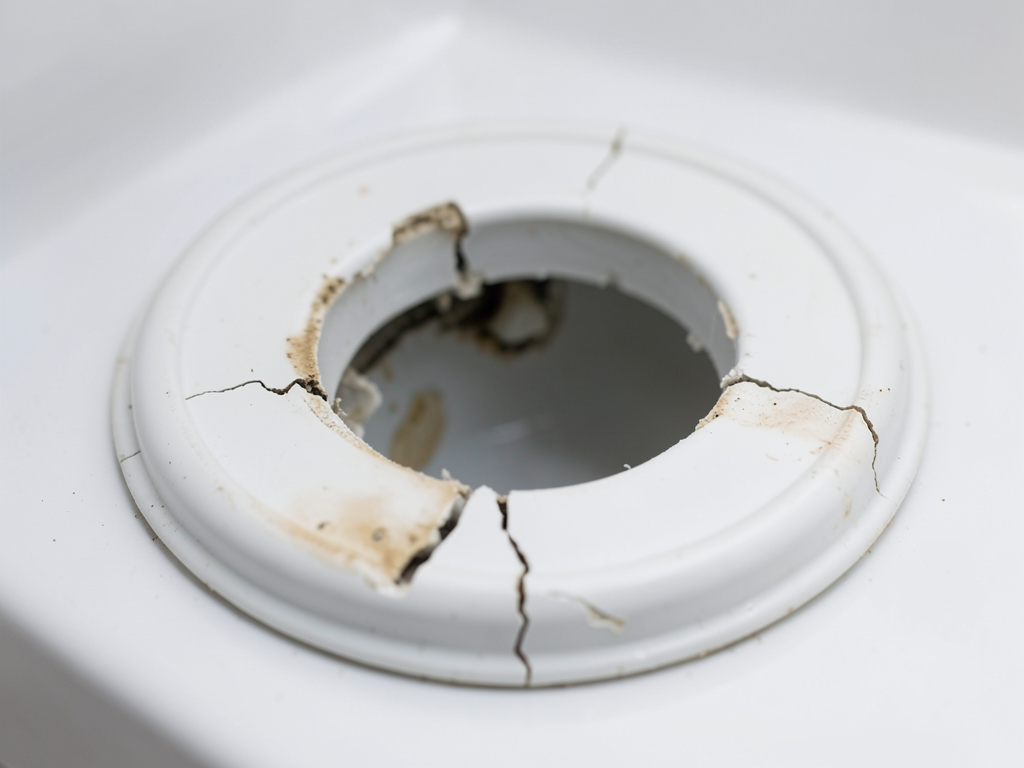
Toilets sit on wax rings that create airtight seals. Over time, these rings dry out, crack, or shift, especially in homes over 15 years old common in Meridian-Kessler and Broad Ripple neighborhoods. Signs include:
- Sewer smell near bathrooms
- Soft or spongy floor around toilets
- Water damage on ceilings below bathrooms
Replacing wax rings requires removing the toilet—a job best left to professionals to avoid damaging the porcelain or flange.
Blocked Vent Stacks
Vent stacks allow sewer gases to escape through your roof while maintaining proper pressure in drain lines. Common blockage causes in Indianapolis include:
- Fallen leaves and debris in autumn
- Nest-building birds in spring
- Ice dams in winter (especially problematic given Central Indiana’s freeze-thaw cycles)
Blocked vents cause slow drains and can force sewer gases back through P-traps. A plumber uses specialized cameras to inspect vent stacks—something homeowners cannot safely do themselves.
The Connection Between Sewer Gas and Water Damage
Sewer gas odors often indicate underlying water damage that creates perfect conditions for mold growth and structural decay. When sewer gases escape, they signal breaches in your plumbing system that allow moisture infiltration. Complete Water Damage Repair for Historic Homes in Meridian-Kessler.
Common damage patterns we see in Indianapolis homes:
- Wood rot in floor joists under bathrooms
- Mold growth behind walls where pipes run
- Foundation cracks allowing soil gas infiltration
- Damaged subflooring around toilets
According to IICRC S500 standards for water damage restoration, any sewage contamination requires immediate professional remediation due to biohazard risks. The EPA mandates specific cleaning protocols for areas exposed to sewage to prevent bacterial spread. IICRC.
DIY Troubleshooting Checklist for Homeowners
Before calling professionals, try these steps to identify and potentially resolve minor sewer gas issues: Steps to Take After a Flood.
- Check All Water Traps
Run water in every sink, tub, and floor drain for 30 seconds. Focus on rarely used fixtures in guest bathrooms, basements, and garages. Emergency Water Removal Services in Noblesville That Respond 24-7.
- Inspect Toilet Stability
Gently rock each toilet. If it moves, the wax ring may be compromised. Look for water stains around the base.
- Examine Visible Pipes
Check under sinks for leaks, corrosion, or loose connections. Look for water stains on walls or ceilings below bathrooms.
- Test Floor Drains
Pour a bucket of water down basement and garage floor drains. If water doesn’t stay, the trap may be damaged.
- Check for Recent Changes
Did you have recent plumbing work? Sometimes traps get removed during repairs and not replaced properly.
If the smell persists after these steps, you likely have a more serious issue requiring professional diagnosis.
Professional Remediation in Indianapolis
When DIY methods fail, professional restoration services use advanced diagnostic tools to locate and fix sewer gas problems. Here’s what to expect:
Diagnostic Process
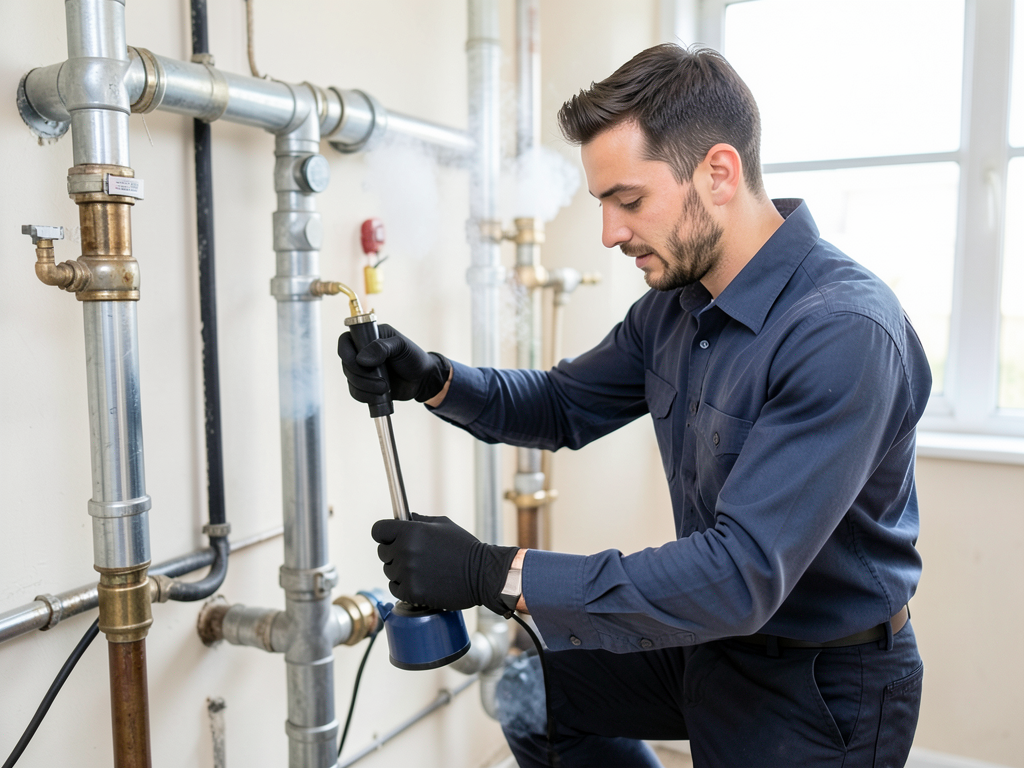
Professional technicians use smoke testing to identify leaks in your plumbing system. This involves pumping non-toxic smoke into drain lines—any escaping smoke reveals the exact location of breaches. Thermal imaging cameras detect temperature differences that indicate moisture behind walls.
Camera inspections of sewer lines reveal cracks, root intrusion, or collapsed pipes common in Indianapolis’s older neighborhoods where clay sewer lines installed before 1980 are still in use.
Remediation Services
Professional remediation includes:
- Sewer line repair or replacement using trenchless technology when possible
- Biohazard cleanup and sanitization following IICRC S520 standards
- Structural drying to prevent mold growth
- Dehumidification to restore normal moisture levels
Emergency response teams typically arrive within 60 minutes for critical situations, equipped with industrial-grade extraction equipment and EPA-registered disinfectants.
Prevention Tips for Indianapolis Homeowners
Prevent future sewer gas problems with these maintenance practices:
- Pour mineral oil down rarely used drains monthly to slow evaporation
- Schedule annual plumbing inspections, especially for homes over 20 years old
- Install backwater valves to prevent sewage backup during heavy rains
- Keep vent stacks clear of debris and consider protective screens
Indianapolis’s combined sewer system in older neighborhoods makes some homes more vulnerable to backups during heavy rainfall. The city’s Citizens Energy Group offers rebates for certain flood prevention measures.
When to Call for Emergency Service
Certain situations require immediate professional intervention:
- Multiple drains backing up simultaneously
- Visible sewage in basement or crawlspace
- Strong, persistent odor that doesn’t dissipate
- Recent heavy rainfall causing backups
- Water damage around plumbing fixtures
Don’t wait for the problem to worsen. Sewer gas exposure can cause serious health issues, and water damage only escalates repair costs the longer it goes untreated.
Frequently Asked Questions
Why does the smell only happen during dry spells?
During dry weather, water in P-traps evaporates completely, removing the barrier that blocks sewer gases. This is especially common in guest bathrooms, floor drains, and rarely used sinks.
Can I just pour bleach down the drain to fix the smell?
No. Bleach can damage pipes and doesn’t address the underlying cause. It may temporarily mask the odor but won’t fix broken seals or blocked vents.
How much does professional sewer gas remediation cost in Indianapolis?
Costs vary widely based on the source. Simple P-trap refills cost little, while sewer line repairs range from $1,500 to $5,000. Most companies offer free inspections to diagnose the problem first.
Will my homeowner’s insurance cover this?
Coverage depends on the cause. Sudden pipe breaks are usually covered, but gradual deterioration or maintenance issues typically aren’t. Check your policy or ask your insurance company.
How long does professional remediation take?
Simple fixes take 1-2 hours. Complex sewer line repairs may require 1-3 days. Emergency teams work quickly to restore safe conditions, often completing initial mitigation within 24 hours.
Don’t Let Sewer Gas Threaten Your Family’s Health
That persistent sewer smell in your Indianapolis home isn’t something to ignore. Whether it’s a simple dried P-trap or a serious sewer line breach, prompt action protects your family’s health and prevents costly water damage.
Call (317) 703-7676 today to schedule your inspection. Our certified technicians will diagnose the source, explain your options clearly, and restore safe conditions to your home—often within hours of your call. Don’t wait until that minor odor becomes a major problem.
Pick up the phone and call (317) 703-7676 before the next dry spell hits. Your family’s health and your home’s safety are worth it.
{
“@context”: “https://schema.org”,
“@type”: “BlogPosting”,
“headline”: “Dealing with That Strange Sewer Smell in Your New Northside Home After a Dry Spell”,
“description”: “That sewer gas smell in your Indianapolis home after a dry spell? Learn the causes, health risks, and how to fix it before it damages your property.”,
“wordCount”: 1402,
“datePublished”: “2026-06-04T13:56:00.000Z”,
“dateModified”: “2026-06-04T13:56:00.000Z”,
“inLanguage”: “en-US”,
“mainEntityOfPage”: {
“@type”: “WebPage”,
“@id”: “https://apexwaterdamagerestorationindianapolis.com”
},
“publisher”: {
“@type”: “LocalBusiness”,
“name”: “Apex Water Damage Restoration Indianapolis”,
“url”: “https://apexwaterdamagerestorationindianapolis.com”
},
“author”: {
“@type”: “Organization”,
“name”: “Apex Water Damage Restoration Indianapolis”,
“url”: “https://apexwaterdamagerestorationindianapolis.com”
},
“image”: {
“@type”: “ImageObject”,
“url”: “https://apexwaterdamagerestorationindianapolis.com/wp-content/uploads/2026/03/dealing-with-that-strange-sewer-smell-in-your-new-1.png”
}
}
{
“@context”: “https://schema.org”,
“@type”: “LocalBusiness”,
“name”: “Apex Water Damage Restoration Indianapolis”,
“url”: “https://apexwaterdamagerestorationindianapolis.com”,
“address”: {
“@type”: “PostalAddress”,
“addressLocality”: “Indianapolis”
},
“areaServed”: {
“@type”: “City”,
“name”: “Indianapolis”
}
}
{
“@context”: “https://schema.org”,
“@type”: “FAQPage”,
“mainEntity”: [
{
“@type”: “Question”,
“name”: “Immediate Safety: Is Sewer Gas Dangerous?”,
“acceptedAnswer”: {
“@type”: “Answer”,
“text”: “Sewer gas contains hydrogen sulfide, methane, ammonia, and carbon dioxide—all potentially harmful when concentrated. Hydrogen sulfide smells like rotten eggs and becomes toxic at high levels. Even low concentrations can cause eye irritation, dizziness, and respiratory distress.”
}
},
{
“@type”: “Question”,
“name”: “Why does the smell only happen during dry spells?”,
“acceptedAnswer”: {
“@type”: “Answer”,
“text”: “During dry weather, water in P-traps evaporates completely, removing the barrier that blocks sewer gases. This is especially common in guest bathrooms, floor drains, and rarely used sinks.”
}
},
{
“@type”: “Question”,
“name”: “Can I just pour bleach down the drain to fix the smell?”,
“acceptedAnswer”: {
“@type”: “Answer”,
“text”: “No. Bleach can damage pipes and doesn’t address the underlying cause. It may temporarily mask the odor but won’t fix broken seals or blocked vents.”
}
},
{
“@type”: “Question”,
“name”: “How much does professional sewer gas remediation cost in Indianapolis?”,
“acceptedAnswer”: {
“@type”: “Answer”,
“text”: “Costs vary widely based on the source. Simple P-trap refills cost little, while sewer line repairs range from $1,500 to $5,000. Most companies offer free inspections to diagnose the problem first.”
}
},
{
“@type”: “Question”,
“name”: “Will my homeowner’s insurance cover this?”,
“acceptedAnswer”: {
“@type”: “Answer”,
“text”: “Coverage depends on the cause. Sudden pipe breaks are usually covered, but gradual deterioration or maintenance issues typically aren’t. Check your policy or ask your insurance company.”
}
},
{
“@type”: “Question”,
“name”: “How long does professional remediation take?”,
“acceptedAnswer”: {
“@type”: “Answer”,
“text”: “Simple fixes take 1-2 hours. Complex sewer line repairs may require 1-3 days. Emergency teams work quickly to restore safe conditions, often completing initial mitigation within 24 hours.”
}
}
]
}
{
“@context”: “https://schema.org”,
“@type”: “HowTo”,
“name”: “Sewer Gas Troubleshooting Steps”,
“step”: [
{
“@type”: “HowToStep”,
“position”: 1,
“name”: “Check All Water Traps”,
“text”: “Run water in every sink, tub, and floor drain for 30 seconds. Focus on rarely used fixtures in guest bathrooms, basements, and garages. Emergency Water Removal Services in Noblesville That Respond 24-7.”
},
{
“@type”: “HowToStep”,
“position”: 2,
“name”: “Inspect Toilet Stability”,
“text”: “Gently rock each toilet. If it moves, the wax ring may be compromised. Look for water stains around the base.”
},
{
“@type”: “HowToStep”,
“position”: 3,
“name”: “Examine Visible Pipes”,
“text”: “Check under sinks for leaks, corrosion, or loose connections. Look for water stains on walls or ceilings below bathrooms.”
},
{
“@type”: “HowToStep”,
“position”: 4,
“name”: “Test Floor Drains”,
“text”: “Pour a bucket of water down basement and garage floor drains. If water doesn’t stay, the trap may be damaged.”
},
{
“@type”: “HowToStep”,
“position”: 5,
“name”: “Check for Recent Changes”,
“text”: “Did you have recent plumbing work? Sometimes traps get removed during repairs and not replaced properly.”
}
],
“image”: “https://apexwaterdamagerestorationindianapolis.com/wp-content/uploads/2026/03/dealing-with-that-strange-sewer-smell-in-your-new-1.png”
}
{
“@context”: “https://schema.org”,
“@type”: “BreadcrumbList”,
“itemListElement”: [
{
“@type”: “ListItem”,
“position”: 1,
“name”: “Home”,
“item”: “https://apexwaterdamagerestorationindianapolis.com”
},
{
“@type”: “ListItem”,
“position”: 2,
“name”: “Blog”,
“item”: “https://apexwaterdamagerestorationindianapolis.com/blog”
},
{
“@type”: “ListItem”,
“position”: 3,
“name”: “Dealing with That Strange Sewer Smell in Your New Northside Home After a Dry Spell”
}
]
}
{
“@context”: “https://schema.org”,
“@type”: “Service”,
“serviceType”: “Water Damage Restoration”,
“provider”: {
“@type”: “LocalBusiness”,
“name”: “Apex Water Damage Restoration Indianapolis”,
“url”: “https://apexwaterdamagerestorationindianapolis.com”
},
“areaServed”: {
“@type”: “City”,
“name”: “Indianapolis”
},
“description”: “That sewer gas smell in your Indianapolis home after a dry spell? Learn the causes, health risks, and how to fix it before it damages your property.”
}