
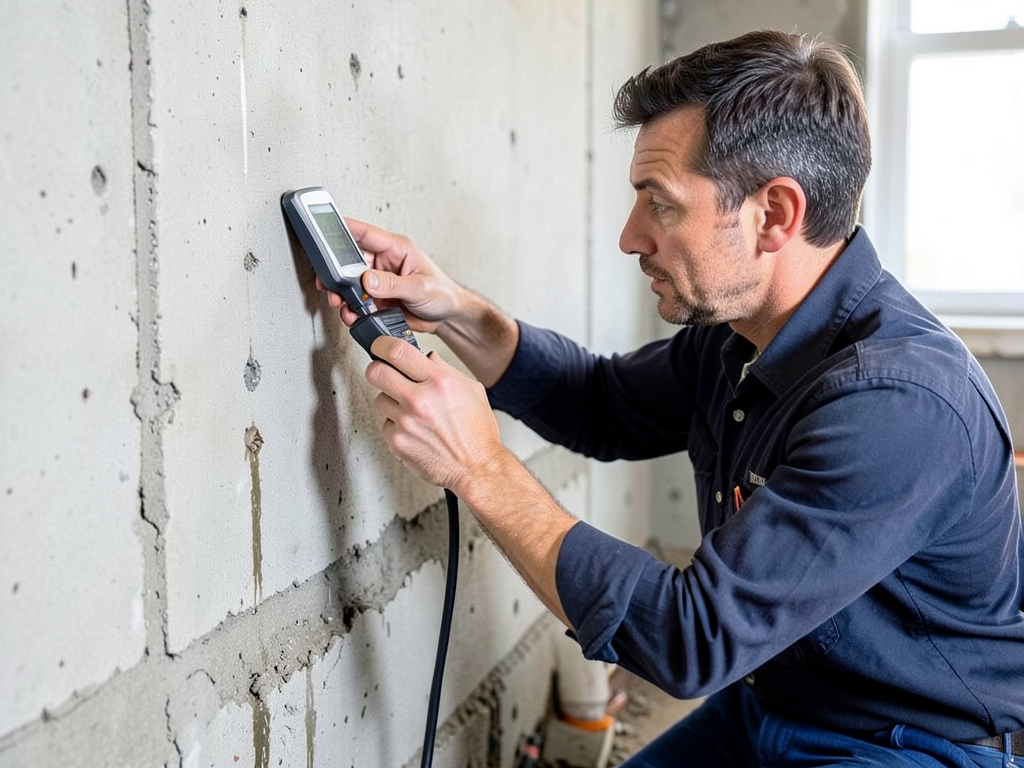
Determining if Your Foundation Issue is a Simple Leak or a Structural Problem in Broad Ripple
Foundation problems in Broad Ripple homes can range from minor water intrusion to serious structural compromise. The key difference lies in understanding what’s causing the issue and how it affects your home’s integrity. A simple leak typically involves water entering through cracks without affecting the foundation’s load-bearing capacity, while structural problems involve movement, shifting, or deterioration that threatens your home’s stability. Who to Call for Emergency Water Damage Restoration in Carmel.
In Indianapolis, where expansive clay soil and freeze-thaw cycles create unique challenges, early diagnosis is critical. Water that seeps through foundation walls can gradually erode the concrete matrix, turning a simple leak into a structural nightmare. The good news is that with proper assessment, you can identify the severity of your foundation issue before it becomes a major repair project. Indiana Residential Code.
Foundation Leak vs. Structural Damage: A Side-by-Side Comparison
| Symptom | Leak Severity | Structural Damage Severity |
|---|---|---|
| Visible Cracks | Hairline or thin vertical cracks | Horizontal cracks wider than 1/8 inch |
| Water Entry Point | Surface-level seepage | Active water under pressure |
| Wall Movement | No visible bowing or shifting | Wall leaning inward or outward |
| Repair Timeline | Can wait 1-2 weeks | Requires immediate attention |
| Average Repair Cost | $500-$2,000 | $5,000-$20,000+ |
Common Signs of Foundation Leaks in Broad Ripple Homes
Foundation leaks in Broad Ripple often manifest as damp spots on basement walls, especially after heavy rainfall. The most common culprit is hydrostatic pressure building up against foundation walls when Indiana’s clay soil becomes saturated. You might notice water trickling down walls, creating damp streaks or puddles on the basement floor. Complete Water Damage Repair for Historic Homes in Meridian-Kessler.
Another telltale sign is efflorescence, that white powdery substance that appears on concrete surfaces. This occurs when water carries minerals through the concrete and leaves them behind as it evaporates. While efflorescence itself isn’t harmful, it indicates ongoing moisture penetration that could worsen over time. Emergency Water Removal Services in Noblesville That Respond 24-7.
Window well failures represent another frequent leak source in Broad Ripple’s older homes. When window wells don’t drain properly, water accumulates and finds its way through gaps around windows or directly through the concrete. The sound of dripping water or the smell of dampness in your basement are early warning signs that shouldn’t be ignored.. Read more about Restoring Water Damage in a Carriage House or Guest Suite in Historic Irvington.
Identifying Structural Foundation Problems
Structural foundation issues in Broad Ripple homes often show more dramatic symptoms. Horizontal cracks running across foundation walls indicate lateral pressure from saturated soil pushing against the foundation. These cracks typically widen toward the center and may be accompanied by stair-step patterns in brickwork above ground level.
Bowing walls represent a serious structural concern. When foundation walls begin to curve inward, it means the soil pressure has exceeded the wall’s design capacity. You can often detect this by sighting along the wall with a straightedge or by measuring the gap between the wall and a plumb line.
Foundation settlement creates its own set of problems. Look for doors and windows that suddenly stick or won’t close properly, cracks appearing in drywall above doorways, or gaps forming between walls and ceilings. These symptoms suggest the foundation is shifting, causing the entire structure to move out of alignment.
Why Indianapolis Climate Creates Unique Foundation Challenges
Indianapolis experiences significant seasonal moisture variations that directly impact foundation health. During spring months, heavy rainfall combined with melting snow creates ideal conditions for hydrostatic pressure to build against foundation walls. The clay soil common in Marion County expands when wet and contracts when dry, creating a constant cycle of pressure and release.. Read more about Why the Heavy Clay Soil in Fishers Causes Basement Walls to Seep and Crack.
Freeze-thaw cycles present another challenge specific to our region. When water enters tiny foundation cracks and freezes, it expands by approximately 9%, widening those cracks each winter. This process, known as frost wedging, gradually transforms hairline cracks into more serious structural issues if left unaddressed.
The White River’s proximity to many Broad Ripple properties affects local water tables. Areas near the river experience higher groundwater levels, especially during wet seasons. This elevated water table increases hydrostatic pressure against foundations, making proper drainage systems essential for preventing both leaks and structural damage.
The Intersection: When Leaks Become Structural Problems
Water intrusion doesn’t just stay confined to the surface. Over time, persistent moisture can erode the soil supporting your foundation, creating voids that lead to settlement. This process, called subsidence, causes portions of your foundation to sink while others remain stable, creating stress points that crack concrete.
Another critical intersection occurs when water weakens the concrete matrix itself. Concrete is porous, and repeated moisture exposure can break down the cement paste that binds aggregate together. Once the structural integrity of the concrete is compromised, what started as a simple leak can evolve into a major structural repair. EPA Indiana water resources.
The freeze-thaw cycle accelerates this deterioration. Each freeze expands existing cracks, while thawing allows more water to penetrate deeper into the concrete. This creates a destructive cycle where the damage compounds with each seasonal change, turning a manageable leak into a structural emergency.
Diagnostic Checklist: What to Look For
Start your assessment by examining foundation walls for visible cracks. Use a flashlight to inspect corners and areas behind stored items. Measure any cracks you find with a ruler or tape measure. Cracks wider than 1/8 inch warrant closer investigation, especially if they’re horizontal or stair-step patterns.
Check for moisture indicators beyond visible water. Run your hand along basement walls to feel for dampness or cold spots. Look for mold growth, which appears as dark spots on walls or stored items. The presence of mold indicates sustained moisture levels that could be damaging your foundation.
Monitor your home’s interior for signs of foundation movement. Use a level to check if floors are still even. Close and reopen doors and windows to see if they operate smoothly. Take photos of any cracks you find so you can track whether they’re growing over time.
Cost and Solutions for Foundation Issues
Simple foundation leaks typically require less invasive repairs. Polyurethane injection can seal cracks from the inside, creating a flexible barrier that moves with the foundation. This solution costs between $500-$2,000 depending on crack length and typically takes one day to complete. Exterior waterproofing membranes offer another option, though they require excavation around the foundation.
Structural repairs demand more extensive solutions. Carbon fiber straps can stabilize bowing walls without requiring major excavation. These straps are epoxy-bonded to the wall and can support significant lateral pressure. Installation costs range from $3,000-$8,000 depending on wall length and severity of bowing.
For severe structural issues, helical piers or push piers may be necessary. These steel supports are driven deep into stable soil to bear the foundation’s weight, effectively lifting and stabilizing settled areas. This comprehensive solution costs $10,000-$20,000 but provides permanent structural support when properly installed. Safe and Permanent Mold Remediation for Homes in Broad Ripple.
Indianapolis Building Code Considerations
Marion County building codes require permits for most foundation repairs, especially structural work. The Indiana Residential Code (IRC) Section R405 addresses basement waterproofing requirements, mandating specific materials and installation methods for below-grade applications. Working with a contractor familiar with local codes ensures your repairs meet all regulatory requirements.
The code also specifies minimum wall thickness for foundation walls based on height and soil conditions. In areas with expansive clay soil, like much of Broad Ripple, additional reinforcement may be required. Understanding these requirements helps you evaluate whether a contractor’s proposed solution meets current building standards.
Permit requirements vary by project scope. Simple crack repairs might not need permits, but any work affecting structural integrity or requiring excavation typically does. The Indianapolis Department of Business and Neighborhood Services (BNS) oversees foundation repair permits, and work done without proper permits can complicate future home sales.
When to Call a Professional
Certain signs indicate immediate professional attention is needed. Horizontal cracks wider than 1/4 inch, walls leaning more than 1 inch from plumb, or visible water under pressure all suggest structural issues requiring expert assessment. Don’t wait to address these symptoms, as foundation problems typically worsen over time. Professional Sewage Cleanup and Sanitization Services in Greenwood.
Consider the age and construction of your Broad Ripple home. Homes built before 1950 often lack modern waterproofing features and may have foundations more susceptible to water intrusion. If your home falls into this category and shows any foundation symptoms, professional evaluation can prevent minor issues from becoming major repairs.
Insurance coverage is another consideration. Sudden foundation damage from specific events might be covered by homeowners insurance, while gradual deterioration typically isn’t. A professional assessment can help document current conditions and determine whether insurance might cover necessary repairs.
Preventing Future Foundation Problems
Proper drainage is your first line of defense against both leaks and structural damage. Ensure gutters and downspouts direct water at least 6 feet away from your foundation. Grade soil away from the house at a slope of 1 inch per foot for the first 6 feet to prevent water pooling against foundation walls.
Maintain your sump pump system if you have one. Test it monthly by pouring water into the sump pit to ensure it activates properly. Consider a battery backup system for power outages during storms. A failed sump pump can quickly turn a minor moisture issue into a flooded basement.
Monitor soil moisture levels around your foundation. During dry periods, use soaker hoses to maintain consistent soil moisture and prevent the clay from shrinking away from foundation walls. This prevents the soil from pulling away and creating gaps that allow water to pool next to your foundation.
Frequently Asked Questions
Does homeowners insurance cover foundation leaks?
Most standard homeowners policies cover sudden, accidental water damage but not gradual foundation deterioration. If a pipe bursts and causes foundation damage, you’re likely covered. However, slow leaks or soil-related foundation issues typically aren’t covered under standard policies.
How can I tell if a crack is structural or just cosmetic?
Structural cracks are typically horizontal, wider than 1/8 inch, or show signs of movement like doors sticking or floors sloping. Cosmetic cracks are usually vertical, hairline thin, and don’t affect your home’s operation. When in doubt, have a professional evaluate any foundation crack.
How long can I wait to fix a foundation leak?
Minor leaks can often wait 1-2 weeks for professional repair, but active water under pressure or structural symptoms require immediate attention. The longer you wait, the more expensive repairs typically become as water continues to damage your foundation and surrounding structures.
What’s the average cost difference between fixing a leak versus structural damage?
Foundation leak repairs typically cost $500-$2,000, while structural repairs range from $5,000-$20,000 or more. The price difference reflects the complexity of structural repairs, which often require excavation, specialized equipment, and engineering oversight to ensure proper support and code compliance.
Can I fix foundation cracks myself?
DIY crack repair might work for very minor, non-structural cracks using epoxy injection kits. However, without proper diagnosis, you risk sealing in moisture that could cause more damage. For any crack wider than 1/8 inch or showing signs of movement, professional evaluation is recommended.
Take Action Before Small Problems Become Big Expenses
Foundation issues rarely improve on their own. What starts as a simple leak can evolve into a structural nightmare if left unaddressed. The key is early detection and proper diagnosis. If you’re seeing signs of foundation problems in your Broad Ripple home, don’t wait for the next heavy rain to make things worse.
Call (317) 703-7676 today to schedule your foundation inspection. Our experienced technicians will assess your specific situation, identify whether you’re dealing with a simple leak or structural damage, and provide a clear plan for repair. We serve Broad Ripple and all Indianapolis neighborhoods with 24/7 emergency response when you need it most.
Don’t let foundation problems compromise your home’s value and safety. Pick up the phone and call (317) 703-7676 before the next storm hits. Early intervention can save you thousands in repair costs and prevent the stress of dealing with major structural issues later.
{
“@context”: “https://schema.org”,
“@type”: “BlogPosting”,
“headline”: “Determining if Your Foundation Issue is a Simple Leak or a Structural Problem in Broad Ripple”,
“description”: “Learn to spot the difference between a foundation leak and structural damage in Broad Ripple homes. Get expert diagnosis tips from Indianapolis water damage specialists.”,
“wordCount”: 2014,
“datePublished”: “2026-05-19T11:55:00.000Z”,
“dateModified”: “2026-05-19T11:55:00.000Z”,
“inLanguage”: “en-US”,
“mainEntityOfPage”: {
“@type”: “WebPage”,
“@id”: “https://apexwaterdamagerestorationindianapolis.com”
},
“publisher”: {
“@type”: “LocalBusiness”,
“name”: “Apex Water Damage Restoration Indianapolis”,
“url”: “https://apexwaterdamagerestorationindianapolis.com”
},
“author”: {
“@type”: “Organization”,
“name”: “Apex Water Damage Restoration Indianapolis”,
“url”: “https://apexwaterdamagerestorationindianapolis.com”
},
“image”: {
“@type”: “ImageObject”,
“url”: “https://apexwaterdamagerestorationindianapolis.com/wp-content/uploads/2026/03/determining-if-your-foundation-issue-is-a-simple-l-1.png”
}
}
{
“@context”: “https://schema.org”,
“@type”: “LocalBusiness”,
“name”: “Apex Water Damage Restoration Indianapolis”,
“url”: “https://apexwaterdamagerestorationindianapolis.com”,
“address”: {
“@type”: “PostalAddress”,
“addressLocality”: “Indianapolis”
},
“areaServed”: {
“@type”: “City”,
“name”: “Indianapolis”
}
}
{
“@context”: “https://schema.org”,
“@type”: “FAQPage”,
“mainEntity”: [
{
“@type”: “Question”,
“name”: “Does homeowners insurance cover foundation leaks?”,
“acceptedAnswer”: {
“@type”: “Answer”,
“text”: “Most standard homeowners policies cover sudden, accidental water damage but not gradual foundation deterioration. If a pipe bursts and causes foundation damage, you’re likely covered. However, slow leaks or soil-related foundation issues typically aren’t covered under standard policies.”
}
},
{
“@type”: “Question”,
“name”: “How can I tell if a crack is structural or just cosmetic?”,
“acceptedAnswer”: {
“@type”: “Answer”,
“text”: “Structural cracks are typically horizontal, wider than 1/8 inch, or show signs of movement like doors sticking or floors sloping. Cosmetic cracks are usually vertical, hairline thin, and don’t affect your home’s operation. When in doubt, have a professional evaluate any foundation crack.”
}
},
{
“@type”: “Question”,
“name”: “How long can I wait to fix a foundation leak?”,
“acceptedAnswer”: {
“@type”: “Answer”,
“text”: “Minor leaks can often wait 1-2 weeks for professional repair, but active water under pressure or structural symptoms require immediate attention. The longer you wait, the more expensive repairs typically become as water continues to damage your foundation and surrounding structures.”
}
},
{
“@type”: “Question”,
“name”: “What’s the average cost difference between fixing a leak versus structural damage?”,
“acceptedAnswer”: {
“@type”: “Answer”,
“text”: “Foundation leak repairs typically cost $500-$2,000, while structural repairs range from $5,000-$20,000 or more. The price difference reflects the complexity of structural repairs, which often require excavation, specialized equipment, and engineering oversight to ensure proper support and code compliance.”
}
},
{
“@type”: “Question”,
“name”: “Can I fix foundation cracks myself?”,
“acceptedAnswer”: {
“@type”: “Answer”,
“text”: “DIY crack repair might work for very minor, non-structural cracks using epoxy injection kits. However, without proper diagnosis, you risk sealing in moisture that could cause more damage. For any crack wider than 1/8 inch or showing signs of movement, professional evaluation is recommended.”
}
}
]
}
{
“@context”: “https://schema.org”,
“@type”: “BreadcrumbList”,
“itemListElement”: [
{
“@type”: “ListItem”,
“position”: 1,
“name”: “Home”,
“item”: “https://apexwaterdamagerestorationindianapolis.com”
},
{
“@type”: “ListItem”,
“position”: 2,
“name”: “Blog”,
“item”: “https://apexwaterdamagerestorationindianapolis.com/blog”
},
{
“@type”: “ListItem”,
“position”: 3,
“name”: “Determining if Your Foundation Issue is a Simple Leak or a Structural Problem in Broad Ripple”
}
]
}
{
“@context”: “https://schema.org”,
“@type”: “Service”,
“serviceType”: “Water Damage Restoration”,
“provider”: {
“@type”: “LocalBusiness”,
“name”: “Apex Water Damage Restoration Indianapolis”,
“url”: “https://apexwaterdamagerestorationindianapolis.com”
},
“areaServed”: {
“@type”: “City”,
“name”: “Indianapolis”
},
“description”: “Learn to spot the difference between a foundation leak and structural damage in Broad Ripple homes. Get expert diagnosis tips from Indianapolis water damage specialists.”
}