
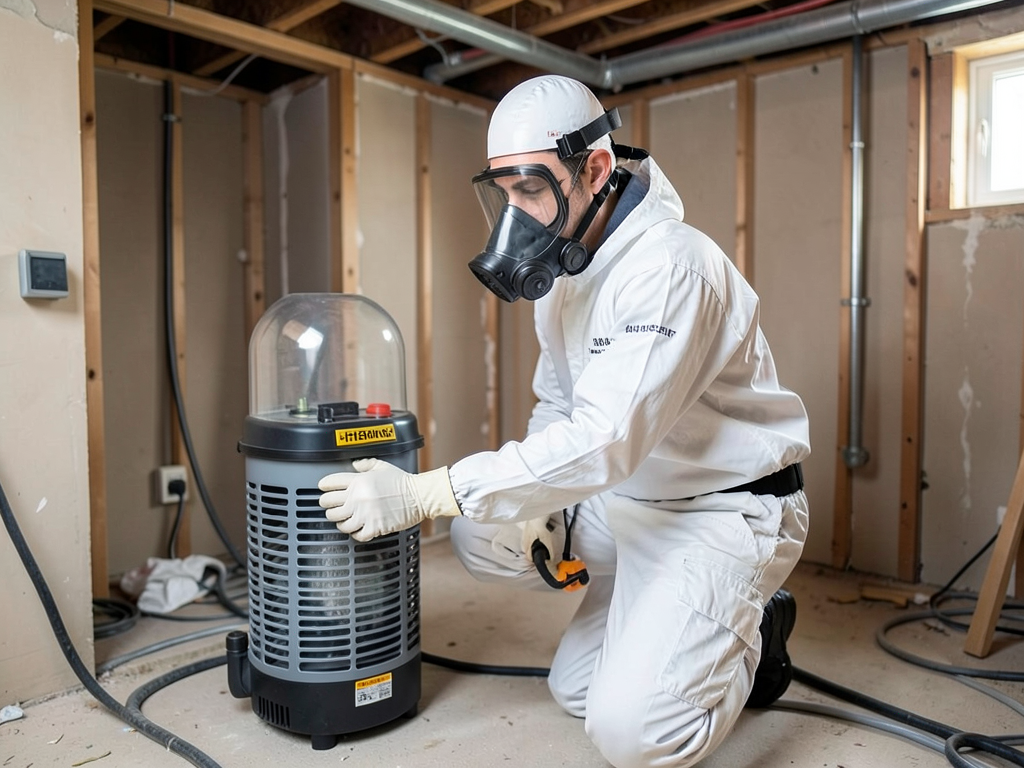
Professional Mold Testing and Removal Services in Zionsville, IN
Mold growth in Zionsville homes often starts silently behind walls or under floors where moisture from our humid Indiana summers meets cool basement temperatures. The combination of historic Village homes with their aging foundations and newer West Zionsville constructions with complex HVAC systems creates unique mold challenges that require immediate professional attention. When you notice musty odors or see dark spots on walls, you need a local expert who understands Boone County’s specific moisture patterns and building materials. Professional Sewage Cleanup and Sanitization Services in Greenwood.
Our certified technicians respond within 60 minutes to Zionsville properties, bringing specialized equipment to identify mold sources and create containment barriers that protect your family from airborne spores. We don’t just treat visible mold; we address the root cause whether it’s a failed sump pump near Eagle Creek or poor ventilation in your Village basement.. Read more about What to Do Right Now if Your Zionsville Home Has a Burst Pipe.
Call (317) 703-7676 today to schedule your inspection before mold spreads through your Zionsville home’s air system.
Our Mold Inspection & Air Quality Testing Process
Professional mold testing in Zionsville begins with a comprehensive visual inspection using moisture meters that detect hidden water sources behind drywall and under flooring. Our technicians map moisture patterns throughout your property, identifying problem areas that contribute to mold growth in our local climate. Who to Call for Emergency Water Damage Restoration in Carmel.
Air quality testing involves collecting samples from multiple rooms to establish baseline spore counts and identify specific mold species present. We use third-party laboratory analysis to provide unbiased results that insurance companies and health professionals trust. Surface sampling targets visible growth while air sampling detects airborne spores that may cause respiratory issues.
Thermal imaging cameras reveal temperature differences that indicate moisture intrusion behind walls, helping us locate problems without destructive testing. This technology proves especially valuable in Zionsville’s older homes where water damage often hides behind original plaster walls. Complete Water Damage Repair for Historic Homes in Meridian-Kessler.
Testing Process Steps:
- Visual inspection and moisture mapping using calibrated meters
- Air sampling in multiple locations throughout the home
- Surface sampling of visible growth and high-risk areas
- Thermal imaging to detect hidden moisture patterns
- Third-party laboratory analysis for species identification
- Detailed report with findings and remediation recommendations
Comprehensive Mold Remediation in Zionsville
Professional mold remediation follows strict protocols established by the IICRC S520 standard for mold remediation. Our process begins with source identification and moisture control to prevent mold recurrence after treatment. We establish containment barriers using 6-mil polyethylene sheeting and negative air pressure systems to prevent spore migration to clean areas. Safe and Permanent Mold Remediation for Homes in Broad Ripple.
HEPA filtration equipment continuously scrubs the air during remediation, removing 99.97% of particles 0.3 microns and larger. Our antimicrobial treatments eliminate existing mold colonies while preventing regrowth on treated surfaces. We use EPA-registered products specifically formulated for residential applications in occupied homes. EPA Mold Resources.
Post-remediation verification testing confirms that spore counts return to normal levels before we consider the job complete. This independent verification provides documentation for insurance claims and ensures your Zionsville home meets safety standards for reoccupation.
Remediation Process Steps:
- Containment setup with negative air pressure and HEPA filtration
- Removal of contaminated materials following local disposal regulations
- Cleaning of salvageable surfaces with antimicrobial solutions
- HEPA vacuuming of all affected areas
- Application of antimicrobial coatings to prevent regrowth
- Post-remediation verification testing
Why Zionsville Residents Choose Our Services
Zionsville homeowners trust our team because we understand the unique challenges of Central Indiana’s climate and building practices. Our technicians live in Boone County and respond to emergencies in 46077, 46077, and surrounding areas within 60 minutes. We know how Zionsville’s clay soil affects foundation drainage and how our humid summers create perfect conditions for mold growth in basements and crawlspaces.
We provide 24/7 emergency response for mold situations that require immediate attention, such as sewage backups or flooding that introduce Category 3 water contamination. Our familiarity with Zionsville’s building codes and insurance requirements helps streamline the claims process for our clients. Emergency Water Removal Services in Noblesville That Respond 24-7.
Our commitment to using IICRC-certified technicians and following EPA guidelines ensures that every job meets the highest professional standards. We maintain relationships with third-party industrial hygienists who provide independent testing when required by insurance companies or local regulations.
Common Mold Problems in Zionsville Homes
Historic Village homes built before 1950 often develop mold in crawlspaces where poor ventilation meets high humidity. These homes typically have stone foundations that allow moisture migration, creating ideal conditions for mold growth on wooden floor joists and subflooring.
Newer constructions in West Zionsville face different challenges. Complex HVAC systems with improper sizing or installation can create condensation issues in attics and wall cavities. Modern energy-efficient homes sometimes trap moisture inside, leading to hidden mold growth behind vapor barriers.. Read more about Dealing with Hidden Water Damage and Mold in Fishers.
Finished basements represent another common problem area. When finished without proper moisture management, these spaces become breeding grounds for mold behind drywall and under carpeting. Zionsville’s average annual rainfall of 42 inches means groundwater management is critical for basement health.
Common Mold Locations:
- Crawlspaces with poor ventilation
- Basement walls and flooring
- Attic spaces with inadequate ventilation
- Behind bathroom tiles and under kitchen cabinets
- Inside HVAC ductwork and air handlers
Mold Frequently Asked Questions
How quickly should I address mold growth in my Zionsville home?
Address mold immediately upon discovery. Mold can spread throughout your home’s air system within 48-72 hours, affecting air quality and potentially causing health issues. Small patches under 10 square feet might be manageable with proper safety equipment, but larger infestations require professional remediation to prevent cross-contamination.
Does homeowners insurance cover mold remediation in Zionsville?
Insurance coverage depends on the mold’s cause. Water damage from sudden events like burst pipes is typically covered, while mold from long-term moisture issues or flooding usually requires separate flood insurance. We work directly with insurance adjusters to document damage and provide the necessary reports for claims processing.
What health symptoms indicate mold exposure in my home?
Common symptoms include persistent coughing, sneezing, itchy eyes, skin rashes, and respiratory issues that improve when you leave the house. Some mold species produce mycotoxins that can cause more severe reactions in sensitive individuals. If multiple family members experience these symptoms, professional testing can identify whether mold is the cause.
Can I stay in my home during mold remediation?
Occupancy during remediation depends on the contamination extent and affected areas. For small, contained projects, you might remain in unaffected portions of your home. However, Category 3 contamination or extensive growth typically requires temporary relocation to ensure safety during the remediation process.
How do I prevent mold from returning after remediation?
Prevention requires addressing the moisture source that caused the original growth. This might involve improving drainage around your foundation, installing or repairing sump pumps, enhancing ventilation in crawlspaces, or repairing roof leaks. Regular maintenance of your HVAC system and monitoring indoor humidity levels below 60% helps prevent recurrence.
Call (317) 703-7676 now to schedule your professional mold inspection and protect your Zionsville home from toxic mold growth.
Understanding Zionsville’s Mold Risk Factors
Zionsville’s location in Central Indiana exposes homes to specific moisture challenges that contribute to mold growth. Our region experiences high humidity levels during summer months, often exceeding 80% relative humidity, which creates ideal conditions for mold spores to germinate on any available organic surface.
The clay soil prevalent throughout Boone County retains water and creates hydrostatic pressure against foundation walls. This pressure forces moisture through concrete and masonry, leading to basement dampness that supports mold growth. Homes built on slopes or near Eagle Creek face additional drainage challenges that increase moisture exposure.
Freeze-thaw cycles common in our Indiana winters cause foundation cracks that widen over time, providing entry points for water infiltration. These seasonal temperature fluctuations stress building materials, creating gaps where moisture can penetrate and mold can establish itself out of sight.
Local building practices also influence mold risk. Many Zionsville homes use poured concrete foundations that can develop hairline cracks over time. When combined with poor exterior drainage or clogged gutters, these small vulnerabilities become pathways for water entry and subsequent mold growth.
Mold Risk Factors by Home Age:
| Home Era | Common Vulnerabilities | Recommended Prevention |
|---|---|---|
| Pre-1950 (Village) | Stone foundations, poor ventilation | Foundation sealing, crawlspace encapsulation |
| 1950-1980 | Concrete block foundations, inadequate drainage | Exterior waterproofing, sump pump installation |
| 1980-Present | Complex HVAC, energy-efficient sealing | Humidity control, regular HVAC maintenance |
Professional Equipment and Technology
Our mold remediation team uses specialized equipment that exceeds industry standards for effectiveness and safety. We employ commercial-grade HEPA air scrubbers capable of processing 2,000 cubic feet per minute, ensuring rapid air quality improvement during remediation projects.
Moisture meters with penetrating probes measure moisture content at various depths within building materials, helping us identify hidden water sources that contribute to mold growth. These calibrated instruments provide quantitative data that guides our remediation strategy and verifies when materials have dried sufficiently.
Negative air machines create containment zones by maintaining air pressure differentials that prevent spore migration. These units exhaust contaminated air through HEPA filtration outside the structure, protecting clean areas from cross-contamination during the remediation process.
Thermal imaging cameras detect temperature variations that indicate moisture presence without destructive testing. This non-invasive technology proves invaluable for identifying problem areas in finished spaces where traditional inspection methods would require wall removal.
Professional Equipment Used:
- Commercial HEPA air scrubbers (2,000+ CFM capacity)
- Penetrating moisture meters with calibrated probes
- Negative air machines with HEPA filtration
- Thermal imaging cameras for moisture detection
- EPA-registered antimicrobial application systems
Post-Remediation Verification and Documentation
Professional mold remediation includes comprehensive documentation that satisfies insurance requirements and provides peace of mind. We generate detailed reports showing pre-remediation conditions, remediation steps taken, and post-remediation verification results that confirm successful mold elimination.
Third-party verification testing involves independent industrial hygienists who collect air and surface samples after remediation. These unbiased assessments provide documentation that spore counts have returned to normal levels and that remediation met industry standards for effectiveness.
Moisture mapping documentation shows how we identified and addressed the conditions that supported mold growth. This information helps homeowners understand the factors that contributed to their mold problem and guides preventive measures to avoid recurrence.
Insurance documentation includes itemized reports, photographic evidence, and laboratory results that support claims for mold remediation coverage. We maintain relationships with insurance adjusters throughout Boone County who understand our documentation standards and process claims efficiently.
Verification Process Steps:
- Visual inspection of all remediated areas
- Air sampling in affected and unaffected zones
- Surface sampling of previously contaminated areas
- Moisture content verification in building materials
- Detailed report generation with all findings
- Recommendations for preventive maintenance
Emergency Response and Service Area
Our emergency response team serves all of Zionsville and surrounding Boone County communities with 24/7 availability. We maintain fully stocked response vehicles that can deploy immediately when mold situations require urgent attention, such as sewage backups or flooding that introduce dangerous contaminants.
Response times average 60 minutes or less for Zionsville addresses, with priority given to situations involving health risks or active water intrusion. Our dispatchers coordinate with local emergency services when situations require additional support or when contamination poses immediate health hazards.
We understand that mold emergencies often occur outside normal business hours when moisture problems become apparent through odors or visible growth. Our after-hours service ensures that Zionsville homeowners never wait for critical mold situations that could worsen overnight.
Our service area extends throughout Boone County, including Lebanon, Whitestown, and surrounding communities. We maintain relationships with local building departments and health officials who understand our certification standards and trust our remediation protocols.
Call (317) 703-7676 immediately when you discover mold growth or suspect air quality issues in your Zionsville home. Quick professional response prevents mold spread and protects your family’s health.
Choosing the Right Mold Remediation Company
Selecting a qualified mold remediation company requires understanding the certifications and standards that ensure professional service. Look for companies with IICRC certification, EPA registration for antimicrobial products, and experience with local building types and climate conditions specific to Central Indiana.
Professional companies provide detailed written estimates that outline the remediation scope, timeline, and cost factors. Avoid companies that offer vague pricing or refuse to provide documentation of their certification and insurance coverage. Legitimate businesses welcome questions about their qualifications and processes.
Ask about third-party verification testing and whether the company works with independent industrial hygienists. This independent assessment provides unbiased confirmation that remediation achieved the desired results and meets industry standards for effectiveness.
Experience with local building codes and insurance requirements proves valuable when navigating the claims process. Companies familiar with Zionsville’s specific construction types and local regulations can provide more accurate assessments and smoother project completion.
Questions to Ask Potential Contractors:
- Are technicians IICRC-certified for mold remediation?
- Do you use third-party verification testing?
- What containment methods do you employ?
- Can you provide local references and insurance documentation?
- Do you offer post-remediation prevention recommendations?
Long-term Mold Prevention Strategies
Preventing mold recurrence requires addressing the moisture conditions that support fungal growth. Start with exterior maintenance including proper grading away from your foundation, clean and functional gutters, and downspouts that direct water at least six feet from your home’s perimeter.
Interior moisture control involves maintaining indoor humidity between 30-50% using dehumidifiers in basements and crawlspaces. Proper ventilation in bathrooms, kitchens, and laundry areas removes moisture at the source before it can condense on cool surfaces and support mold growth.
Regular HVAC maintenance prevents condensation issues that create mold-friendly environments. Change filters monthly, schedule annual professional cleaning, and ensure your system is properly sized for your home’s cooling and dehumidification needs.
Foundation waterproofing provides long-term protection against moisture intrusion. This might involve exterior waterproofing membranes, interior drainage systems, or both depending on your home’s specific vulnerabilities and the severity of moisture problems.
Prevention Checklist:
- Maintain indoor humidity below 60%
- Clean gutters and extend downspouts
- Grade soil away from foundation
- Install and maintain sump pumps
- Ventilate moisture-producing areas
- Schedule regular HVAC maintenance
Local Building Considerations
Zionsville’s mix of historic and modern construction creates varied mold challenges that require different approaches. Historic Village homes built before modern building codes often lack vapor barriers and proper ventilation, making them susceptible to moisture migration and hidden mold growth in wall cavities.
Modern energy-efficient homes face opposite challenges. Tight building envelopes can trap moisture inside, creating condensation issues in attics and wall cavities. These homes require careful attention to ventilation and humidity control to prevent mold growth in hidden spaces.
Many Zionsville homes feature finished basements that introduce additional mold risks. When finished without proper moisture management, these spaces become ideal environments for mold growth behind drywall and under flooring materials.
Local building practices influence mold susceptibility. Many Central Indiana homes use poured concrete foundations that can develop hairline cracks over time. These small vulnerabilities become pathways for water entry when combined with poor exterior drainage or clogged gutters.
Building Type Considerations:
| Building Type | Mold Risk Factors | Remediation Approach |
|---|---|---|
| Historic Village | Poor ventilation, stone foundations | Careful material removal, vapor barrier installation |
| Modern Suburb | Tight envelope, complex HVAC | Containment barriers, air system cleaning |
| Finished Basement | Hidden moisture, organic materials | Material removal, antimicrobial treatment |
Health and Safety Considerations
Professional mold remediation prioritizes occupant and worker safety through strict protocols and personal protective equipment. Our technicians wear full-face respirators, Tyvek suits, and gloves when working in contaminated areas to prevent exposure to mold spores and mycotoxins.
Containment barriers prevent spore migration to clean areas of your home. We establish decontamination chambers where workers remove protective equipment before exiting containment zones, ensuring that mold spores don’t spread throughout your property during the remediation process.
Air quality monitoring continues throughout the remediation project. We use particle counters to measure airborne spore levels and ensure that our containment systems effectively prevent cross-contamination to unaffected areas of your home.
Post-remediation clearance testing provides independent verification that your home meets safety standards for reoccupation. This testing typically shows spore counts below outdoor background levels, confirming that remediation successfully eliminated the mold problem.
Certain mold species, particularly Stachybotrys chartarum (black mold), produce mycotoxins that can cause serious health effects. Professional remediation becomes essential when dealing with these toxic species to ensure complete removal and prevent exposure to harmful compounds.
Call (317) 703-7676 for professional mold remediation that protects your family’s health and restores your home’s safety.
Insurance and Documentation Support
Navigating insurance claims for mold damage requires proper documentation and understanding of coverage limitations. We provide comprehensive reports including photographic evidence, laboratory results, and detailed remediation plans that insurance adjusters need to process claims efficiently.
Our experience with local insurance companies helps streamline the claims process. We understand which documentation formats and terminology insurance adjusters prefer, reducing delays and ensuring that your claim includes all necessary information for approval.
Some insurance policies exclude mold damage or limit coverage amounts for mold-related claims. We help you understand your policy limitations and explore options for coverage when mold results from covered water damage events like burst pipes or appliance failures.
Documentation includes pre-remediation conditions, remediation steps taken, and post-remediation verification results. This complete record supports your claim and provides evidence that remediation followed industry standards and achieved successful results.
We maintain relationships with insurance adjusters throughout Boone County who understand our documentation standards and process claims more efficiently when we’re involved in the remediation process from start to finish.
Insurance Documentation Includes:
- Detailed damage assessment reports
- Photographic documentation of affected areas
- Laboratory analysis results for mold species
- Remediation plan with scope of work
- Post-remediation verification testing
- Itemized cost breakdowns
Frequently Asked Questions
How long does professional mold remediation take?
Remediation timelines vary based on contamination extent and affected areas. Small projects might complete in 1-2 days, while extensive contamination requiring material removal could take 3-7 days. Post-remediation verification testing adds 24-48 hours to ensure complete mold elimination before project completion.
What causes mold to grow in Zionsville homes?
Mold requires moisture, organic material, and appropriate temperatures to grow. In Zionsville, common causes include basement moisture from clay soil, condensation from HVAC systems, roof leaks, plumbing failures, and high indoor humidity during summer months. Our humid Indiana climate creates year-round mold growth potential.
Can mold affect my home’s value?
Undisclosed mold problems can significantly impact property values and complicate real estate transactions. Professional remediation with proper documentation actually protects your investment by eliminating health hazards and providing verification that the problem has been resolved according to industry standards.
How do I know if I have hidden mold?
Signs of hidden mold include persistent musty odors, unexplained respiratory symptoms that improve when away from home, water stains on walls or ceilings, and recent moisture events like leaks or flooding. Professional testing can identify mold presence even when it’s not visible to the naked eye.
Is black mold more dangerous than other mold types?
Stachybotrys chartarum (black mold) can produce mycotoxins that may cause more severe health effects than other mold species. However, any mold growth in your home poses health risks and requires professional remediation. The color doesn’t determine danger level; the extent of growth and your sensitivity to mold determine health impacts. For more information, visit CDC Mold Information.
Protect your Zionsville home and family by calling (317) 703-7676 for professional mold inspection and remediation services. Our certified technicians respond quickly to eliminate mold and restore healthy indoor air quality.
{
“@context”: “https://schema.org”,
“@type”: “BlogPosting”,
“headline”: “Expert Mold Removal and Air Quality Testing in Zionsville”,
“description”: “Professional mold inspection, air quality testing, and remediation services in Zionsville. Fast response for Zionsville homes dealing with hidden moisture and toxic mold.”,
“wordCount”: 3214,
“datePublished”: “2026-02-26T11:12:00.000Z”,
“dateModified”: “2026-02-26T11:12:00.000Z”,
“inLanguage”: “en-US”,
“mainEntityOfPage”: {
“@type”: “WebPage”,
“@id”: “https://apexwaterdamagerestorationindianapolis.com”
},
“publisher”: {
“@type”: “LocalBusiness”,
“name”: “Apex Water Damage Restoration Indianapolis”,
“url”: “https://apexwaterdamagerestorationindianapolis.com”
},
“author”: {
“@type”: “Organization”,
“name”: “Apex Water Damage Restoration Indianapolis”,
“url”: “https://apexwaterdamagerestorationindianapolis.com”
},
“image”: {
“@type”: “ImageObject”,
“url”: “https://apexwaterdamagerestorationindianapolis.com/wp-content/uploads/2026/03/expert-mold-removal-and-air-quality-testing-in-zio-1.png”
}
}
{
“@context”: “https://schema.org”,
“@type”: “LocalBusiness”,
“name”: “Apex Water Damage Restoration Indianapolis”,
“url”: “https://apexwaterdamagerestorationindianapolis.com”,
“address”: {
“@type”: “PostalAddress”,
“addressLocality”: “Indianapolis”
},
“areaServed”: {
“@type”: “City”,
“name”: “Indianapolis”
}
}
{
“@context”: “https://schema.org”,
“@type”: “FAQPage”,
“mainEntity”: [
{
“@type”: “Question”,
“name”: “How quickly should I address mold growth in my Zionsville home?”,
“acceptedAnswer”: {
“@type”: “Answer”,
“text”: “Address mold immediately upon discovery. Mold can spread throughout your home’s air system within 48-72 hours, affecting air quality and potentially causing health issues. Small patches under 10 square feet might be manageable with proper safety equipment, but larger infestations require professional remediation to prevent cross-contamination.”
}
},
{
“@type”: “Question”,
“name”: “Does homeowners insurance cover mold remediation in Zionsville?”,
“acceptedAnswer”: {
“@type”: “Answer”,
“text”: “Insurance coverage depends on the mold’s cause. Water damage from sudden events like burst pipes is typically covered, while mold from long-term moisture issues or flooding usually requires separate flood insurance. We work directly with insurance adjusters to document damage and provide the necessary reports for claims processing.”
}
},
{
“@type”: “Question”,
“name”: “What health symptoms indicate mold exposure in my home?”,
“acceptedAnswer”: {
“@type”: “Answer”,
“text”: “Common symptoms include persistent coughing, sneezing, itchy eyes, skin rashes, and respiratory issues that improve when you leave the house. Some mold species produce mycotoxins that can cause more severe reactions in sensitive individuals. If multiple family members experience these symptoms, professional testing can identify whether mold is the cause.”
}
},
{
“@type”: “Question”,
“name”: “Can I stay in my home during mold remediation?”,
“acceptedAnswer”: {
“@type”: “Answer”,
“text”: “Occupancy during remediation depends on the contamination extent and affected areas. For small, contained projects, you might remain in unaffected portions of your home. However, Category 3 contamination or extensive growth typically requires temporary relocation to ensure safety during the remediation process.”
}
},
{
“@type”: “Question”,
“name”: “How do I prevent mold from returning after remediation?”,
“acceptedAnswer”: {
“@type”: “Answer”,
“text”: “Prevention requires addressing the moisture source that caused the original growth. This might involve improving drainage around your foundation, installing or repairing sump pumps, enhancing ventilation in crawlspaces, or repairing roof leaks. Regular maintenance of your HVAC system and monitoring indoor humidity levels below 60% helps prevent recurrence.”
}
},
{
“@type”: “Question”,
“name”: “How long does professional mold remediation take?”,
“acceptedAnswer”: {
“@type”: “Answer”,
“text”: “Remediation timelines vary based on contamination extent and affected areas. Small projects might complete in 1-2 days, while extensive contamination requiring material removal could take 3-7 days. Post-remediation verification testing adds 24-48 hours to ensure complete mold elimination before project completion.”
}
},
{
“@type”: “Question”,
“name”: “What causes mold to grow in Zionsville homes?”,
“acceptedAnswer”: {
“@type”: “Answer”,
“text”: “Mold requires moisture, organic material, and appropriate temperatures to grow. In Zionsville, common causes include basement moisture from clay soil, condensation from HVAC systems, roof leaks, plumbing failures, and high indoor humidity during summer months. Our humid Indiana climate creates year-round mold growth potential.”
}
},
{
“@type”: “Question”,
“name”: “Can mold affect my home’s value?”,
“acceptedAnswer”: {
“@type”: “Answer”,
“text”: “Undisclosed mold problems can significantly impact property values and complicate real estate transactions. Professional remediation with proper documentation actually protects your investment by eliminating health hazards and providing verification that the problem has been resolved according to industry standards.”
}
},
{
“@type”: “Question”,
“name”: “How do I know if I have hidden mold?”,
“acceptedAnswer”: {
“@type”: “Answer”,
“text”: “Signs of hidden mold include persistent musty odors, unexplained respiratory symptoms that improve when away from home, water stains on walls or ceilings, and recent moisture events like leaks or flooding. Professional testing can identify mold presence even when it’s not visible to the naked eye.”
}
},
{
“@type”: “Question”,
“name”: “Is black mold more dangerous than other mold types?”,
“acceptedAnswer”: {
“@type”: “Answer”,
“text”: “Stachybotrys chartarum (black mold) can produce mycotoxins that may cause more severe health effects than other mold species. However, any mold growth in your home poses health risks and requires professional remediation. The color doesn’t determine danger level; the extent of growth and your sensitivity to mold determine health impacts. For more information, visit CDC Mold Information.”
}
}
]
}
{
“@context”: “https://schema.org”,
“@type”: “BreadcrumbList”,
“itemListElement”: [
{
“@type”: “ListItem”,
“position”: 1,
“name”: “Home”,
“item”: “https://apexwaterdamagerestorationindianapolis.com”
},
{
“@type”: “ListItem”,
“position”: 2,
“name”: “Blog”,
“item”: “https://apexwaterdamagerestorationindianapolis.com/blog”
},
{
“@type”: “ListItem”,
“position”: 3,
“name”: “Expert Mold Removal and Air Quality Testing in Zionsville”
}
]
}
{
“@context”: “https://schema.org”,
“@type”: “Service”,
“serviceType”: “Water Damage Restoration”,
“provider”: {
“@type”: “LocalBusiness”,
“name”: “Apex Water Damage Restoration Indianapolis”,
“url”: “https://apexwaterdamagerestorationindianapolis.com”
},
“areaServed”: {
“@type”: “City”,
“name”: “Indianapolis”
},
“description”: “Professional mold inspection, air quality testing, and remediation services in Zionsville. Fast response for Zionsville homes dealing with hidden moisture and toxic mold.”
}