
How to Decide Which Water Damaged Items to Keep and Which to Throw Away
When water floods your Indianapolis home the first 48 hours determine what survives. Clean water from a burst pipe gives you more salvage options than sewage backup from Marion County’s aging combined sewer system. The source matters more than the damage itself. Who to Call for Emergency Water Damage Restoration in Carmel.
Indianapolis humidity sits at 70-80% most summer days. That means mold spores activate within 24-48 hours on wet surfaces. You cannot wait to decide what stays and what goes. Every hour increases contamination risk and reduces your insurance claim value.
This guide shows you exactly what to keep, what to throw away, and when to call professionals. We cover the three water categories defined by IICRC S500 standards and how they affect your decisions. IICRC S500 Standards.
Understanding Water Categories Changes Everything
Water damage falls into three categories based on contamination level. Category 1 is clean water from pipes or rain. Category 2 is gray water from washing machines or dishwashers with some contamination. Category 3 is black water from sewage, flooding rivers, or standing water with bacteria. Professional Sewage Cleanup and Sanitization Services in Greenwood.
Clean water on hardwood floors might dry and survive. The same water soaking into drywall becomes a mold factory within 48 hours. Sewage water touching any porous material requires immediate disposal regardless of sentimental value. Complete Water Damage Repair for Historic Homes in Meridian-Kessler.
Indianapolis homes near Fall Creek or the White River face higher black water risks during heavy storms. The city’s combined sewer system overflows into basements when rainfall exceeds system capacity. You cannot sanitize items exposed to sewage. Emergency Water Removal Services in Noblesville That Respond 24-7.
The Keep List: What Usually Survives
Non-porous materials resist water absorption and contamination. Glass dishes, metal tools, and hard plastic items survive most water events with proper cleaning. These materials do not provide food for mold growth.
Hardwood furniture with solid wood construction often survives if dried within 24 hours. Remove drawers and panels to increase airflow. Warping may occur but structural integrity usually remains. Particle board furniture swells and loses strength within hours.
Electronics require professional assessment. Water inside circuits causes corrosion that appears days later. Do not power on any water-exposed device. Professional drying chambers can recover data from flooded computers and phones.
Documents and photos need immediate freezing if you cannot dry them within 48 hours. Freezing stops mold growth and page sticking. Professional freeze-drying restores most documents without ink bleeding.
The Toss List: What Must Go
Porous materials absorb water and contamination. Drywall acts like a sponge, wicking moisture several feet above the visible water line. Once wet it loses structural strength and becomes a mold breeding ground.
Insulation traps water against walls and ceilings. Even if it looks dry outside, the center stays wet for weeks. Mold grows in that dark, warm environment. Remove and replace all wet insulation.
Upholstered furniture absorbs contaminated water deep into padding and wood frames. Cleaning only reaches surface layers. Bacteria and mold grow inside where you cannot reach them.
Mattresses and pillows trap moisture against your body during sleep. Even clean water exposure creates health hazards within 48 hours. The cost of replacement is less than medical treatment for mold exposure.
Food items exposed to any flood water must go. Sealed cans may survive if cleaned and disinfected properly. Cardboard packaging absorbs contamination through the material.
Material Matrix: Quick Decision Guide
| Material Type | Category 1 Clean Water | Category 2 Gray Water | Category 3 Black Water |
|---|---|---|---|
| Hardwood Flooring | Keep if dried within 24-48 hours | Discard if underlayment wet | Always discard |
| Particle Board | Discard if swollen | Discard immediately | Always discard |
| Area Rugs | Clean and sanitize if valuable | Professional cleaning required | Always discard |
| Wall-to-Wall Carpet | Clean if padding replaceable | Discard padding, clean carpet | Always discard both |
| Documents | Freeze within 48 hours | Freeze and assess | Discard unless critical |
Professional Restoration Options
Professional restoration goes beyond surface drying. Industrial dehumidifiers pull moisture from wall cavities and subfloors. HEPA filtration captures mold spores during the drying process. EPA Mold Information.
Document recovery specialists use freeze-drying chambers that sublimate ice directly to vapor without page damage. This process saves birth certificates, property deeds, and irreplaceable photos.
Textile restoration companies clean area rugs and delicate fabrics using antimicrobial treatments. They test colorfastness before applying cleaning agents that could damage fibers.
Electronics recovery involves disassembling devices and cleaning circuit boards with ultrasonic cleaners. Data recovery from flooded hard drives succeeds in 70-80% of cases when started within 72 hours.
Insurance Documentation Steps
Document everything before removing items. Insurance adjusters need proof of damage extent and item value. Take photos from multiple angles showing water lines and damage patterns.
Create an inventory list with purchase dates, prices, and item descriptions. Include receipts if available. For older items estimate current replacement value.
Separate damaged items into keep and discard piles in different rooms. This helps adjusters assess total loss versus salvageable items.
Indianapolis homeowners insurance typically covers sudden water damage from burst pipes but excludes groundwater flooding without separate coverage. Review your policy limits before making disposal decisions.
Keep all water-damaged items until the adjuster completes their inspection. Some items may have more value than you realize for the claim.
24-Hour Rule: The Critical Timeline
Indianapolis humidity accelerates mold growth beyond national averages. Clean water on drywall creates visible mold within 48 hours. Gray water cuts that timeline to 24 hours. Black water supports immediate bacterial growth.
Start the drying process within the first hour if possible. Remove standing water with wet vacuums or pumps. Increase airflow with fans and open windows when humidity permits.
Remove baseboards and drill small holes in drywall to vent wall cavities. This prevents moisture from wicking upward and causing ceiling damage.
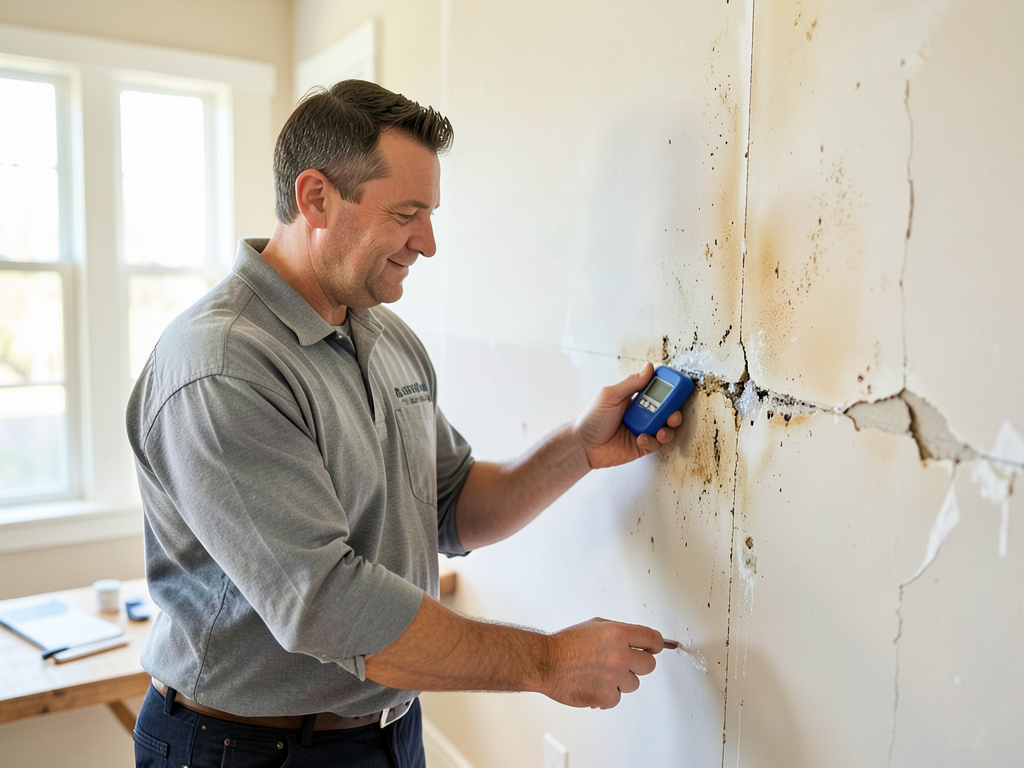
Professional moisture meters detect hidden water in materials that feel dry to touch. Wood can hold 15-20% moisture before feeling wet. Drywall feels solid until moisture exceeds 17%.
Document drying progress with photos and moisture readings. Insurance companies require proof that you took reasonable steps to prevent further damage.
Sentimental Items: Special Considerations
Family photos, wedding dresses, and childhood toys hold emotional value beyond monetary worth. Professional restoration can recover many of these items when homeowners would discard them.
Freeze photos immediately if they stick together. Do not attempt to separate wet pages. Professional freeze-drying separates pages without tearing.
Textile restoration can clean and sanitize most fabrics if started within 48 hours. Wedding dresses and christening gowns survive with proper treatment.
Wooden antiques require specialized drying to prevent cracking and warping. Rapid drying causes more damage than the water itself.
Consider the replacement cost versus restoration cost. A $200 area rug might cost $100 to clean professionally. A $5000 oriental rug justifies professional restoration.
Local Disposal Options
Marion County offers bulk waste pickup for water-damaged materials. Schedule pickup through the city’s public works department. Most pickups occur within 5-7 business days.
Hazardous materials require special handling. Wet insulation, contaminated carpet, and sewage-soaked items need disposal at approved facilities. The Southside Landfill accepts construction debris but charges fees based on weight.
Electronic waste recycling centers accept water-damaged computers and appliances. Recycle Force on East Washington Street provides free drop-off for most electronics.
Document shredding services destroy water-damaged papers containing personal information. Protect against identity theft by shredding bank statements, tax returns, and medical records.
When to Call Professionals
Call immediately if sewage backs up into your home. Black water requires professional equipment and antimicrobial treatments. DIY cleaning spreads contamination to unaffected areas.
Professional help becomes necessary when water affects multiple rooms or structural elements. Wall studs, floor joists, and subfloors need industrial drying equipment.
Mold visible on more than 10 square feet indicates professional remediation needs. Disturbing large mold areas releases spores throughout your home. Safe and Permanent Mold Remediation for Homes in Broad Ripple.
Insurance claims over $5000 benefit from professional documentation. Restoration companies provide detailed reports that satisfy insurance requirements.
Time matters more than money in water damage. Every hour increases restoration costs and health risks. Call (317) 703-7676 for 24/7 emergency response.
Preventing Future Damage
Indianapolis homes face specific water risks. Clay soil expands when wet, creating pressure on foundation walls. This causes basement leaks even in well-maintained homes.
Install a battery backup for your sump pump. Power outages during storms leave homes vulnerable when you need protection most.
Clean gutters and downspouts prevent roof water from saturating foundation soil. Extend downspouts at least 6 feet from your foundation.
Inspect washing machine hoses annually. Replace rubber hoses every five years. A burst hose can release 500 gallons per hour.
Know your home’s water shutoff location. You can minimize damage by stopping water flow within minutes of a pipe burst.
Final Checklist Before You Begin
Turn off electricity in wet areas before touching anything. Water conducts electricity and poses electrocution risks.
Wear rubber gloves and boots when handling wet materials. Sewage and flood water contain harmful bacteria.
Open windows and use fans for ventilation. This reduces humidity and prevents mold spore concentration.
Document everything with photos before moving items. Insurance claims require evidence of damage extent.
Separate items by material type and water exposure. This helps you make faster, better decisions.
Call (317) 703-7676 if you feel overwhelmed or unsure about safety. Professional help prevents costly mistakes.
Water damage creates stress and uncertainty. Making the right keep or toss decisions protects your health, your home, and your finances. When in doubt, throw it out. When in serious doubt, call the professionals at (317) 703-7676.
Frequently Asked Questions
How long do I have to save water damaged items?
You have 24-48 hours maximum before mold begins growing on wet materials. Clean water gives you the full 48 hours. Gray or black water requires action within 24 hours due to contamination risks.
Can I clean and keep carpet after flooding?
Wall-to-wall carpet must be discarded if exposed to gray or black water. Clean water exposure allows cleaning only if the padding is replaced. Area rugs may be professionally cleaned if they hold significant value.
What documents survive water damage?
Most documents survive if frozen within 48 hours and professionally restored. Birth certificates, property deeds, and irreplaceable photos have the highest recovery rates. Standard paper documents become unreadable if not treated quickly.
Should I turn off my HVAC system after water damage?
Turn off HVAC systems if water affects ductwork or if mold is visible. Running contaminated air through your system spreads spores throughout your home. Professional assessment determines when it is safe to restart.
How do I know if drywall needs replacement?
Replace drywall if it shows water staining, feels soft to touch, or if moisture readings exceed 17%. Even if it looks dry on the surface, water wicks upward several feet above the visible damage line.
You may also find this helpful. Getting Rid of That Persistent Damp Smell After a Flood in Your Wanamaker Home.
You may also find this helpful. Can You Actually Save Original Plaster Walls After a Water Leak in Your Old Northside Home?.
{
“@context”: “https://schema.org”,
“@type”: “BlogPosting”,
“headline”: “How to Decide Which Water Damaged Items to Keep and Which to Throw Away”,
“description”: “Learn which water damaged items can be saved vs. discarded after flooding in Indianapolis. Expert guide for safe recovery and insurance claims.”,
“wordCount”: 1812,
“datePublished”: “2026-05-07T13:02:00.000Z”,
“dateModified”: “2026-05-07T13:02:00.000Z”,
“inLanguage”: “en-US”,
“mainEntityOfPage”: {
“@type”: “WebPage”,
“@id”: “https://apexwaterdamagerestorationindianapolis.com”
},
“publisher”: {
“@type”: “LocalBusiness”,
“name”: “Apex Water Damage Restoration Indianapolis”,
“url”: “https://apexwaterdamagerestorationindianapolis.com”
},
“author”: {
“@type”: “Organization”,
“name”: “Apex Water Damage Restoration Indianapolis”,
“url”: “https://apexwaterdamagerestorationindianapolis.com”
},
“image”: {
“@type”: “ImageObject”,
“url”: “https://apexwaterdamagerestorationindianapolis.com/wp-content/uploads/2026/03/how-to-decide-which-water-damaged-items-to-keep-an-1.png”
}
}
{
“@context”: “https://schema.org”,
“@type”: “LocalBusiness”,
“name”: “Apex Water Damage Restoration Indianapolis”,
“url”: “https://apexwaterdamagerestorationindianapolis.com”,
“address”: {
“@type”: “PostalAddress”,
“addressLocality”: “Indianapolis”
},
“areaServed”: {
“@type”: “City”,
“name”: “Indianapolis”
}
}
{
“@context”: “https://schema.org”,
“@type”: “FAQPage”,
“mainEntity”: [
{
“@type”: “Question”,
“name”: “How long do I have to save water damaged items?”,
“acceptedAnswer”: {
“@type”: “Answer”,
“text”: “You have 24-48 hours maximum before mold begins growing on wet materials. Clean water gives you the full 48 hours. Gray or black water requires action within 24 hours due to contamination risks.”
}
},
{
“@type”: “Question”,
“name”: “Can I clean and keep carpet after flooding?”,
“acceptedAnswer”: {
“@type”: “Answer”,
“text”: “Wall-to-wall carpet must be discarded if exposed to gray or black water. Clean water exposure allows cleaning only if the padding is replaced. Area rugs may be professionally cleaned if they hold significant value.”
}
},
{
“@type”: “Question”,
“name”: “What documents survive water damage?”,
“acceptedAnswer”: {
“@type”: “Answer”,
“text”: “Most documents survive if frozen within 48 hours and professionally restored. Birth certificates, property deeds, and irreplaceable photos have the highest recovery rates. Standard paper documents become unreadable if not treated quickly.”
}
},
{
“@type”: “Question”,
“name”: “Should I turn off my HVAC system after water damage?”,
“acceptedAnswer”: {
“@type”: “Answer”,
“text”: “Turn off HVAC systems if water affects ductwork or if mold is visible. Running contaminated air through your system spreads spores throughout your home. Professional assessment determines when it is safe to restart.”
}
},
{
“@type”: “Question”,
“name”: “How do I know if drywall needs replacement?”,
“acceptedAnswer”: {
“@type”: “Answer”,
“text”: “Replace drywall if it shows water staining, feels soft to touch, or if moisture readings exceed 17%. Even if it looks dry on the surface, water wicks upward several feet above the visible damage line.”
}
}
]
}
{
“@context”: “https://schema.org”,
“@type”: “BreadcrumbList”,
“itemListElement”: [
{
“@type”: “ListItem”,
“position”: 1,
“name”: “Home”,
“item”: “https://apexwaterdamagerestorationindianapolis.com”
},
{
“@type”: “ListItem”,
“position”: 2,
“name”: “Blog”,
“item”: “https://apexwaterdamagerestorationindianapolis.com/blog”
},
{
“@type”: “ListItem”,
“position”: 3,
“name”: “How to Decide Which Water Damaged Items to Keep and Which to Throw Away”
}
]
}
{
“@context”: “https://schema.org”,
“@type”: “Service”,
“serviceType”: “Water Damage Restoration”,
“provider”: {
“@type”: “LocalBusiness”,
“name”: “Apex Water Damage Restoration Indianapolis”,
“url”: “https://apexwaterdamagerestorationindianapolis.com”
},
“areaServed”: {
“@type”: “City”,
“name”: “Indianapolis”
},
“description”: “Learn which water damaged items can be saved vs. discarded after flooding in Indianapolis. Expert guide for safe recovery and insurance claims.”
}