
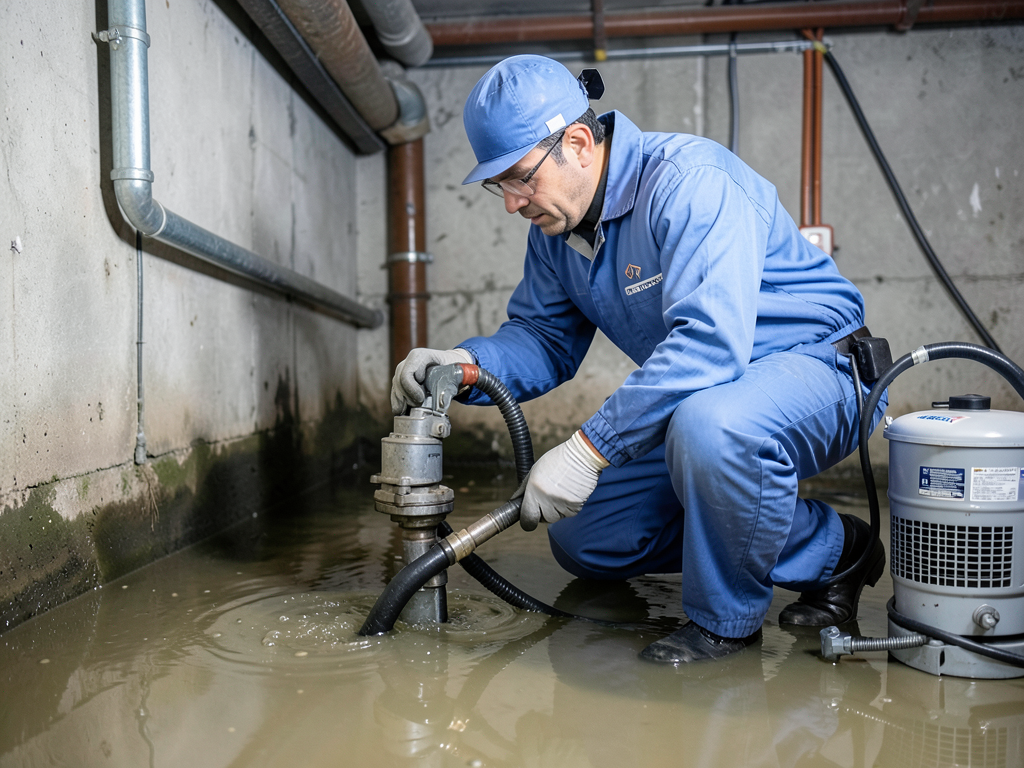
How to Tell if Your Washington Township Sewer Line Is About to Back Up
Sewer line backups in Washington Township can strike without warning, turning your basement into a hazardous zone within hours. The heavy clay soil in Washington Township expands and contracts with moisture changes, putting immense pressure on aging clay pipes that many homes still use. When these pipes crack or collapse, sewage has nowhere to go but back into your home. You might notice gurgling sounds from your drains or a foul odor that won’t go away. These are not just plumbing annoyances—they are emergency signals that require immediate professional attention before raw sewage floods your living space. Who to Call for Emergency Water Damage Restoration in Carmel.
7 Warning Signs of a Sewer Line Backup in Your Indianapolis Home
Recognizing the early warning signs can save you thousands in damage and protect your family from dangerous pathogens. Here are the seven critical indicators that your Washington Township sewer line is failing.. Read more about Signs Your Main Water Line in Carmel Might Be Leaking Underground.
Multiple Fixture Clogs Simultaneously
When your toilet, sink, and shower all clog at the same time, you have a mainline problem, not isolated drain issues. This happens because the blockage affects the entire sewer lateral that serves your home. If plunging one fixture temporarily fixes the issue but another clogs immediately after, the problem runs deeper than your individual drain lines. Steps to Take After a Flood.
Gurgling Sounds From Drains
Hear bubbling or gurgling when you flush the toilet or run water down the sink? This sound indicates air trapped in your pipes, trying to escape through the path of least resistance. The trapped air creates pressure that forces water to bubble up in other fixtures, often producing that distinctive gurgling noise that gets louder as the blockage worsens. Complete Water Damage Repair for Historic Homes in Meridian-Kessler.
Slow Draining Throughout the House
If every drain in your Washington Township home drains slowly, even after cleaning traps and using drain cleaner, your main sewer line likely has a partial blockage. This gradual slowing happens because waste and debris accumulate against the obstruction, reducing the pipe’s effective diameter over time.. Read more about The Difference Between Clean Gray and Black Water (And Why It Matters).
Sewage Odors in Your Home or Yard
The unmistakable smell of rotten eggs or raw sewage indicates hydrogen sulfide gas escaping from your sewer system. Inside, this odor often concentrates near floor drains or in basements. Outside, you might notice soggy patches in your yard that smell like sewage, indicating a break in your sewer lateral where waste is leaking into the soil. Professional Sewage Cleanup and Sanitization Services in Greenwood.
Water Backing Up in Unusual Places
When you flush the toilet and water appears in your bathtub or floor drain, you have a severe mainline blockage. This cross-contamination happens because the blockage forces wastewater to seek alternative escape routes through connected drain lines throughout your home. Emergency Water Removal Services in Noblesville That Respond 24-7.
Foundation Cracks or Sinkholes in Your Yard
Washington Township’s clay soil, when saturated with leaking sewage, can create voids that cause your foundation to settle unevenly. You might notice cracks in your foundation walls or mysterious sinkholes developing in your yard, particularly along the path where your sewer line runs underground.
Tree Root Intrusion Signs
Silver maple trees, common in Washington Township neighborhoods, send roots searching for water sources. These roots can penetrate clay sewer pipes through tiny cracks, then expand inside the pipe, creating a net-like blockage that catches waste and gradually closes off the pipe entirely.
Immediate Symptoms You Shouldn’t Ignore
Some sewer backup symptoms demand immediate action. If you notice any of these three red alert signs, stop using all water fixtures immediately and call for emergency service.
Black Water Overflowing From Floor Drains
Category 3 water, also called black water, contains raw sewage and dangerous pathogens. When this dark, foul-smelling water overflows from your basement floor drains, it creates an immediate health hazard requiring professional biohazard cleanup. This water can contain E. coli, hepatitis, and other serious contaminants. EPA guidelines for hazardous waste disposal.
Simultaneous Toilet and Sink Backups
When flushing your toilet causes your bathroom sink to fill with sewage, you have a complete mainline blockage. This simultaneous backup indicates the obstruction is severe enough to affect multiple fixtures at once, creating an emergency situation that will worsen rapidly.
Standing Water in Your Basement With Sewage Odor
Water accumulating in your basement that smells like sewage indicates either a sewer backup or a broken sewer line leaking into your foundation. Either situation requires immediate professional assessment, as standing sewage water can cause structural damage and create severe health risks within 24-48 hours.
Why Indianapolis Homes Are Prone to Sewer Failures (Local Causes)
Washington Township’s specific geographic and infrastructure conditions create unique vulnerabilities for sewer line failures. Understanding these local factors helps you recognize why your home might be at higher risk.
Combined Sewer Overflow System Vulnerabilities
Many older Indianapolis neighborhoods, including parts of Washington Township, still use combined sewer systems where stormwater and sewage flow through the same pipes. During heavy rain events common to Central Indiana, these systems can become overwhelmed, causing backups into homes. Citizens Energy Group manages these systems but cannot prevent all overflow events during extreme weather. Citizens Energy Group.
Clay Soil Expansion and Contraction
Washington Township sits on dense clay soil that expands when wet and contracts when dry. This constant movement puts tremendous pressure on underground pipes, causing them to crack, separate at joints, or collapse entirely. The freeze-thaw cycles common in Indianapolis winters accelerate this deterioration, particularly in homes built before the 1980s.
Tree Root Intrusion in Older Neighborhoods
Washington Township’s mature neighborhoods feature large trees with extensive root systems. Silver maple, oak, and elm trees common in the area send roots toward sewer lines seeking moisture. These roots can penetrate pipes through joints or cracks, then grow inside the pipe, creating blockages that worsen over time.
Aging Infrastructure in Established Areas
Many Washington Township homes were built in the 1960s and 1970s using clay or cast iron sewer pipes with a typical lifespan of 50-70 years. As these pipes reach the end of their service life, they become increasingly susceptible to failure through corrosion, cracking, or complete collapse.
Health and Safety: The Dangers of Raw Sewage Exposure
Category 3 water contains harmful bacteria, viruses, and parasites that can cause serious illness. Understanding these risks helps you appreciate why DIY cleanup is dangerous and why professional restoration is essential.
Immediate Health Hazards
Raw sewage exposure can cause gastroenteritis, hepatitis A, and other serious infections. The bacteria E. coli, Salmonella, and Shigella commonly found in sewage can cause severe diarrhea, vomiting, and fever. These pathogens become airborne during sewage events, making inhalation a significant exposure route even without direct contact.
Long-Term Property Damage
Beyond health risks, sewage water damages building materials through contamination and moisture retention. Drywall, insulation, and carpeting absorb sewage and cannot be effectively sanitized. The moisture also creates ideal conditions for mold growth within 24-48 hours, compounding the damage and health risks.
EPA and OSHA Safety Requirements
Professional sewage cleanup must follow EPA guidelines for hazardous waste disposal and OSHA requirements for worker protection. This includes using proper personal protective equipment, containment procedures, and disposal methods that prevent further contamination of your home and the environment.
What to Do Immediately When You Suspect a Backup
Taking the right steps in the first 60 minutes can minimize damage and protect your family’s health. Here’s your emergency action plan.
Stop Using All Water Fixtures
Immediately stop flushing toilets, running sinks, or using any water fixtures. Continuing to use water forces more sewage into your already compromised system, potentially causing overflow in multiple locations throughout your home.
Locate and Shut Off the Main Water Valve
Find your main water shut-off valve, typically located where the water line enters your home or near your water meter. Turning off this valve prevents additional water from entering your plumbing system and compounding the backup problem.
Evacuate Contaminated Areas
Keep children, elderly family members, and pets away from any area with sewage backup. If sewage has affected multiple rooms, consider evacuating the entire house until professional cleanup can begin. The health risks from exposure are too severe to ignore.
Document the Damage
If it’s safe to do so, take photos and videos of all affected areas before cleanup begins. This documentation is crucial for insurance claims and helps restoration professionals assess the full extent of contamination.
Call Emergency Restoration Services
Sewer backups require immediate professional attention. Call (317) 703-7676 for 24/7 emergency response. Professional restoration teams have the equipment, training, and protective gear to safely remove sewage, sanitize affected areas, and prevent further damage to your home.
Professional Restoration vs. DIY Cleaning
Understanding the differences between professional and DIY approaches helps you make the right decision when facing sewage contamination.
Equipment and Technology
Professional restoration companies use industrial-grade pumps, air scrubbers, and moisture meters that homeowners cannot access. They also employ thermal imaging cameras to detect hidden moisture in walls and under floors that DIY methods miss.
Sanitization Standards
IICRC S500 standards require specific cleaning agents and application methods for sewage contamination that exceed typical household cleaners. Professionals use EPA-registered disinfectants and follow strict protocols to ensure complete sanitization and prevent cross-contamination.
Insurance Documentation
Professional restoration companies provide detailed documentation required by insurance companies, including moisture readings, damage assessments, and cleanup procedures. This documentation often determines whether your claim is approved and for how much.
Health and Safety Compliance
Professionals follow OSHA and EPA regulations for handling hazardous materials, including proper disposal of contaminated materials and worker protection protocols. DIY cleanup exposes you to serious health risks and potential liability issues.
Complete Moisture Elimination
Professional teams use commercial dehumidifiers and air movers to ensure complete drying, preventing mold growth that DIY fans cannot achieve. They also test moisture levels in building materials to confirm drying is complete before reconstruction begins.
Frequently Asked Questions About Indianapolis Sewer Lines
How can I tell if my sewer line problem is my responsibility or the city’s?
The sewer lateral, which runs from your home to the main sewer line in the street, is typically your responsibility as the homeowner. The main sewer line in the street is maintained by Citizens Energy Group. However, if multiple homes on your street experience simultaneous backups, the issue may be in the main line, making it the city’s responsibility.
What does sewer line replacement cost in Washington Township?
Sewer line replacement costs vary based on the length of pipe needed, the method used (traditional excavation vs. trenchless), and whether any landscaping or structures need to be removed. Traditional replacement typically ranges from $3,000 to $7,000, while trenchless methods can cost $6,000 to $12,000 but preserve your landscaping.
Can tree roots really cause sewer backups?
Yes, tree roots are a leading cause of sewer line blockages in Washington Township. Roots seek moisture and can penetrate pipes through joints or tiny cracks. Once inside, they grow and expand, creating a net-like blockage that catches waste and gradually closes off the pipe. This is particularly common with silver maple trees common in the area.
How long does professional sewage cleanup take?
The initial emergency response and water removal typically takes 4-8 hours. Complete cleanup, including sanitization and drying, usually requires 3-5 days depending on the extent of contamination and the size of the affected area. Reconstruction of damaged materials may take additional weeks.
Will my homeowners insurance cover sewer backup damage?
Standard homeowners insurance policies typically exclude sewer backup damage. However, you can purchase a sewer backup endorsement as an add-on to your policy. This coverage usually costs $50-$100 annually but can save you thousands in restoration costs if you experience a backup.
What is the difference between a plumber and a restoration company for sewer backups?
Plumbers fix the broken pipe or clear the blockage, while restoration companies handle the cleanup and sanitization of the damage caused by the backup. For sewage backups, you often need both services: a plumber to stop the source and a restoration company to clean up the contamination and prevent further damage.
How can I prevent future sewer line backups?
Preventive measures include having your sewer line inspected every 2-3 years using a camera, installing a backwater valve to prevent city sewer backups, avoiding planting trees near sewer lines, and being cautious about what goes down your drains. Regular professional cleaning can also prevent buildup that leads to blockages.
Call (317) 703-7676 Before the Next Storm Hits
Sewer line backups in Washington Township can escalate from a minor inconvenience to a major health hazard within hours. The unique combination of clay soil, aging infrastructure, and heavy rainfall patterns in Central Indiana creates perfect conditions for sewer failures. If you notice any of the warning signs described in this article, don’t wait for the problem to worsen.
Our certified restoration technicians are standing by 24/7 to respond to sewer emergencies throughout Washington Township and the greater Indianapolis area. We arrive within 60 minutes, equipped with industrial-grade equipment and protective gear to safely handle Category 3 water contamination. We’ll not only clean up the mess but also help you navigate the insurance process and prevent future occurrences.
Pick up the phone and call (317) 703-7676 today to schedule your inspection or request immediate emergency service. Don’t let a sewer backup destroy your home and endanger your family’s health. One call could save you thousands in damage and provide peace of mind knowing your home is protected by experienced professionals who understand Washington Township’s unique challenges. For more information, visit CDC information on waterborne pathogens.
{
“@context”: “https://schema.org”,
“@type”: “BlogPosting”,
“headline”: “How to Tell if Your Washington Township Sewer Line Is About to Back Up”,
“description”: “Learn the 7 warning signs of sewer line backup in Washington Township homes. Discover local causes, health risks, and when to call (317) 703-7676 for emergency restoration.”,
“wordCount”: 2273,
“datePublished”: “2026-03-14T16:08:00.000Z”,
“dateModified”: “2026-03-14T16:08:00.000Z”,
“inLanguage”: “en-US”,
“mainEntityOfPage”: {
“@type”: “WebPage”,
“@id”: “https://apexwaterdamagerestorationindianapolis.com”
},
“publisher”: {
“@type”: “LocalBusiness”,
“name”: “Apex Water Damage Restoration Indianapolis”,
“url”: “https://apexwaterdamagerestorationindianapolis.com”
},
“author”: {
“@type”: “Organization”,
“name”: “Apex Water Damage Restoration Indianapolis”,
“url”: “https://apexwaterdamagerestorationindianapolis.com”
},
“image”: {
“@type”: “ImageObject”,
“url”: “https://apexwaterdamagerestorationindianapolis.com/wp-content/uploads/2026/03/how-to-tell-if-your-washington-township-sewer-line-1.png”
}
}
{
“@context”: “https://schema.org”,
“@type”: “LocalBusiness”,
“name”: “Apex Water Damage Restoration Indianapolis”,
“url”: “https://apexwaterdamagerestorationindianapolis.com”,
“address”: {
“@type”: “PostalAddress”,
“addressLocality”: “Indianapolis”
},
“areaServed”: {
“@type”: “City”,
“name”: “Indianapolis”
}
}
{
“@context”: “https://schema.org”,
“@type”: “FAQPage”,
“mainEntity”: [
{
“@type”: “Question”,
“name”: “How can I tell if my sewer line problem is my responsibility or the city’s?”,
“acceptedAnswer”: {
“@type”: “Answer”,
“text”: “The sewer lateral, which runs from your home to the main sewer line in the street, is typically your responsibility as the homeowner. The main sewer line in the street is maintained by Citizens Energy Group. However, if multiple homes on your street experience simultaneous backups, the issue may be in the main line, making it the city’s responsibility.”
}
},
{
“@type”: “Question”,
“name”: “What does sewer line replacement cost in Washington Township?”,
“acceptedAnswer”: {
“@type”: “Answer”,
“text”: “Sewer line replacement costs vary based on the length of pipe needed, the method used (traditional excavation vs. trenchless), and whether any landscaping or structures need to be removed. Traditional replacement typically ranges from $3,000 to $7,000, while trenchless methods can cost $6,000 to $12,000 but preserve your landscaping.”
}
},
{
“@type”: “Question”,
“name”: “Can tree roots really cause sewer backups?”,
“acceptedAnswer”: {
“@type”: “Answer”,
“text”: “Yes, tree roots are a leading cause of sewer line blockages in Washington Township. Roots seek moisture and can penetrate pipes through joints or tiny cracks. Once inside, they grow and expand, creating a net-like blockage that catches waste and gradually closes off the pipe. This is particularly common with silver maple trees common in the area.”
}
},
{
“@type”: “Question”,
“name”: “How long does professional sewage cleanup take?”,
“acceptedAnswer”: {
“@type”: “Answer”,
“text”: “The initial emergency response and water removal typically takes 4-8 hours. Complete cleanup, including sanitization and drying, usually requires 3-5 days depending on the extent of contamination and the size of the affected area. Reconstruction of damaged materials may take additional weeks.”
}
},
{
“@type”: “Question”,
“name”: “Will my homeowners insurance cover sewer backup damage?”,
“acceptedAnswer”: {
“@type”: “Answer”,
“text”: “Standard homeowners insurance policies typically exclude sewer backup damage. However, you can purchase a sewer backup endorsement as an add-on to your policy. This coverage usually costs $50-$100 annually but can save you thousands in restoration costs if you experience a backup.”
}
},
{
“@type”: “Question”,
“name”: “What is the difference between a plumber and a restoration company for sewer backups?”,
“acceptedAnswer”: {
“@type”: “Answer”,
“text”: “Plumbers fix the broken pipe or clear the blockage, while restoration companies handle the cleanup and sanitization of the damage caused by the backup. For sewage backups, you often need both services: a plumber to stop the source and a restoration company to clean up the contamination and prevent further damage.”
}
},
{
“@type”: “Question”,
“name”: “How can I prevent future sewer line backups?”,
“acceptedAnswer”: {
“@type”: “Answer”,
“text”: “Preventive measures include having your sewer line inspected every 2-3 years using a camera, installing a backwater valve to prevent city sewer backups, avoiding planting trees near sewer lines, and being cautious about what goes down your drains. Regular professional cleaning can also prevent buildup that leads to blockages.”
}
}
]
}
{
“@context”: “https://schema.org”,
“@type”: “BreadcrumbList”,
“itemListElement”: [
{
“@type”: “ListItem”,
“position”: 1,
“name”: “Home”,
“item”: “https://apexwaterdamagerestorationindianapolis.com”
},
{
“@type”: “ListItem”,
“position”: 2,
“name”: “Blog”,
“item”: “https://apexwaterdamagerestorationindianapolis.com/blog”
},
{
“@type”: “ListItem”,
“position”: 3,
“name”: “How to Tell if Your Washington Township Sewer Line Is About to Back Up”
}
]
}
{
“@context”: “https://schema.org”,
“@type”: “Service”,
“serviceType”: “Water Damage Restoration”,
“provider”: {
“@type”: “LocalBusiness”,
“name”: “Apex Water Damage Restoration Indianapolis”,
“url”: “https://apexwaterdamagerestorationindianapolis.com”
},
“areaServed”: {
“@type”: “City”,
“name”: “Indianapolis”
},
“description”: “Learn the 7 warning signs of sewer line backup in Washington Township homes. Discover local causes, health risks, and when to call (317) 703-7676 for emergency restoration.”
}