
Is Your Family Getting Sick from Hidden Moisture in Your Lawrence Home?
Does your family suffer from unexplained allergies, persistent coughs, or frequent headaches that seem to worsen at home? These symptoms might not be seasonal allergies or the common cold. Hidden moisture trapped in your Lawrence home’s walls, basement, or crawl spaces could be creating the perfect environment for mold growth and other harmful microorganisms that directly impact your family’s health.
Lawrence, Indiana sits in Marion County where the humid continental climate creates ideal conditions for moisture problems. With average annual precipitation around 42 inches and summer humidity often exceeding 80%, homes in neighborhoods like Oaklandon, Indian Lake, and Geist are particularly vulnerable to hidden dampness. When moisture seeps into building materials and stays there, it becomes a breeding ground for health hazards that can affect everyone in your household, especially children, elderly family members, and those with respiratory conditions.. Read more about Why Your Fireplace Hearth Stays Damp After Every Rainstorm in Your Meridian-Kessler Home.
Understanding the connection between hidden moisture and family health is the first step toward creating a safer, healthier home environment. This guide explains what’s really happening behind your walls, how to identify warning signs, and when it’s time to call in professional help before small moisture problems become serious health risks. Professional Sewage Cleanup and Sanitization Services in Greenwood.
The Immediate Symptoms of Dampness and Mold Exposure
Hidden moisture in your Lawrence home creates conditions where mold, dust mites, and bacteria thrive. These biological contaminants release spores and byproducts into the air you breathe every day. The immediate health effects often mimic common illnesses, making them difficult to diagnose without understanding the underlying moisture problem.
Respiratory irritation is usually the first noticeable symptom. Family members may experience persistent coughing, wheezing, or shortness of breath that improves when away from home. Nasal congestion and sinus pressure become chronic problems, often accompanied by frequent sneezing and runny nose. These symptoms occur because airborne mold spores and dust mite waste products irritate the respiratory tract’s sensitive tissues.
Skin reactions represent another common immediate effect. Red, itchy rashes can develop when mold spores or bacteria come into contact with skin. Some family members might experience eye irritation, including burning, redness, and excessive tearing. These symptoms worsen in specific areas of the home where moisture problems are concentrated, such as basements, bathrooms, or rooms with poor ventilation.
Young children and elderly family members typically show the strongest reactions. Children’s developing immune systems and smaller lung capacity make them more susceptible to airborne contaminants. Elderly individuals with pre-existing respiratory conditions or compromised immune systems may experience severe exacerbations of their existing health problems when exposed to high levels of indoor biological contaminants.
According to the Indiana State Department of Health, homes with persistent dampness show a 30-50% increase in respiratory symptoms among residents compared to dry homes. This data underscores the importance of addressing moisture problems before they impact your family’s wellbeing. EPA Mold Resources.
Long-Term Health Risks: From Asthma to Mycotoxin Toxicity
Chronic exposure to hidden moisture and the biological growth it supports can lead to serious long-term health consequences. What starts as occasional sneezing or coughing can develop into permanent respiratory conditions that affect quality of life for years to come. Safe and Permanent Mold Remediation for Homes in Broad Ripple.
Asthma development and exacerbation represent one of the most significant long-term risks. Children exposed to damp, moldy environments have a substantially higher risk of developing asthma. For those already diagnosed with asthma, living in a moisture-compromised home can trigger frequent attacks, increase medication dependence, and reduce overall lung function. The CDC reports that asthma-related emergency room visits increase by 40% in homes with documented moisture problems. CDC Mold Information.
Mycotoxin exposure poses another serious concern. Certain mold species, particularly Stachybotrys chartarum (commonly called black mold), produce toxic compounds called mycotoxins. These substances can cause neurological symptoms including headaches, memory problems, difficulty concentrating, and mood changes. While rare, severe mycotoxin exposure has been linked to more serious conditions affecting the central nervous system and immune function.
Chronic sinus infections and bronchitis become recurring problems in moisture-affected homes. The constant irritation of respiratory tissues makes them more susceptible to bacterial infections. Family members might find themselves on repeated courses of antibiotics for sinus or respiratory infections that never fully resolve because the underlying moisture problem remains unaddressed.
Immune system suppression is another concerning long-term effect. Continuous exposure to high levels of biological contaminants can overwhelm the body’s natural defense mechanisms. This leaves family members more vulnerable to other illnesses, from common colds to more serious infections. The effect is particularly pronounced in homes where moisture problems have existed for years without proper remediation.
Sleep disturbances often develop as a secondary effect. Respiratory irritation, headaches, and general discomfort make it difficult to achieve restful sleep. Poor sleep quality then compounds other health issues, creating a cycle of declining wellness that affects every family member’s daily functioning and long-term health outcomes.
Why Indianapolis Homes are Susceptible to Dampness
Lawrence and the greater Indianapolis area face unique environmental challenges that make homes particularly vulnerable to moisture problems. Understanding these local factors helps explain why your home might be at risk even if you’ve never experienced a major water event. Who to Call for Emergency Water Damage Restoration in Carmel.
Indianapolis’s humid continental climate creates year-round moisture challenges. Summer brings high humidity levels, often exceeding 80% in July and August, while winter precipitation falls as heavy snow that melts during freeze-thaw cycles. These conditions create constant pressure on building materials and drainage systems. The Indiana State Climate Office reports that Marion County experiences an average of 122 days per year with precipitation, providing ample opportunity for moisture intrusion.
Soil composition in Lawrence and surrounding areas presents another significant challenge. Central Indiana’s heavy clay soil expands when wet and contracts when dry, creating movement that can crack foundations and create pathways for water entry. This expansive soil characteristic means that even minor drainage issues can lead to major moisture problems over time. Homes built on slopes or near drainage areas face additional pressure as water naturally flows toward foundations. Complete Water Damage Repair for Historic Homes in Meridian-Kessler.
Many Lawrence homes were built during the post-World War II construction boom or in the 1970s-1980s suburban expansion. These older homes often have construction methods and materials that don’t meet current moisture management standards. Original vapor barriers may have deteriorated, foundation seals may have failed, and drainage systems may be inadequate for current rainfall patterns. The age of these homes means decades of potential moisture accumulation behind walls and under floors.
Local infrastructure also contributes to moisture vulnerability. Combined sewer systems in older Indianapolis neighborhoods can back up during heavy rains, causing basement flooding and moisture problems. The City of Indianapolis’s sewer improvement projects have reduced but not eliminated this risk. Additionally, aging water mains throughout Marion County occasionally break, creating sudden water events that can go unnoticed for days in basements or crawl spaces. Emergency Water Removal Services in Noblesville That Respond 24-7.
Seasonal temperature swings common to Indiana create additional moisture challenges. The freeze-thaw cycle causes building materials to expand and contract, potentially creating gaps where moisture can enter. When warm, humid outdoor air contacts cool basement walls or crawl space surfaces, condensation forms, adding moisture to already vulnerable areas. This cycle repeats throughout the year, gradually worsening existing moisture problems.
The Biological Culprits: What Lives in a Damp Home?
Understanding what grows in your damp Lawrence home helps explain why moisture problems create such serious health risks. Different types of biological growth thrive in various moisture conditions, and each poses unique health threats to your family.
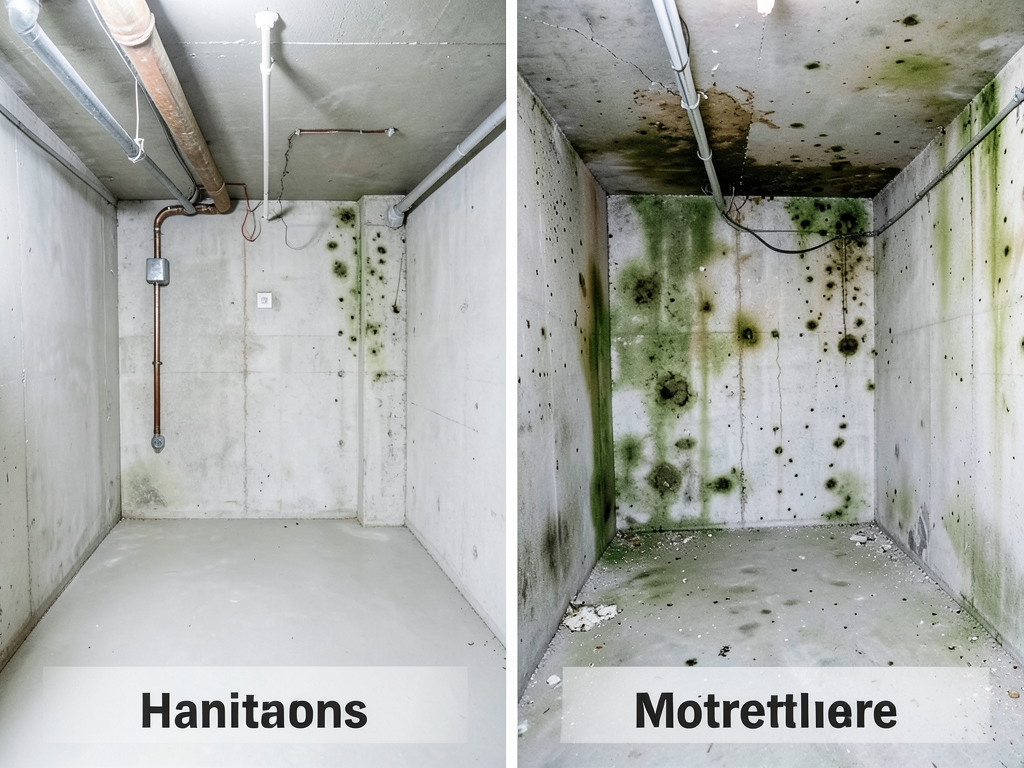
Mold represents the most visible and concerning biological growth. Over 100,000 mold species exist, but only a few dozen commonly grow in indoor environments. Cladosporium, Penicillium, and Aspergillus are frequent indoor molds that can trigger allergic reactions and respiratory problems. Stachybotrys chartarum, while less common, produces mycotoxins that can cause more severe health effects. Mold requires moisture levels above 60% relative humidity to grow, making damp homes ideal breeding grounds.
Dust mites represent another significant biological contaminant in damp homes. These microscopic creatures feed on dead skin cells and thrive in humid environments where relative humidity exceeds 50-60%. A single gram of household dust can contain hundreds of dust mites and their waste products. Their feces and body fragments become airborne easily, triggering allergic reactions and asthma attacks in sensitive individuals. Unlike mold, dust mites cannot be eliminated through cleaning alone; they require moisture control to be effectively managed.
Bacteria growth in damp environments creates additional health risks. Moisture-damaged building materials, particularly those containing cellulose like drywall and wood, support bacterial growth alongside mold. Some bacteria produce endotoxins that can cause inflammatory responses in humans. Water-damaged homes may harbor bacteria from sewage backups or surface water intrusion, creating risks of gastrointestinal illness and other infections.. Read more about Why Greenboard and Purpleboard Drywall Still Need Professional Drying After a Bathroom Leak.
Volatile Organic Compounds (VOCs) released by biological growth add another layer of indoor air quality problems. As mold and bacteria metabolize building materials, they release various organic compounds into the air. These VOCs often produce musty odors but can also cause headaches, dizziness, and respiratory irritation even in people without specific mold allergies. The combination of biological particles and chemical byproducts creates a complex mixture of indoor air contaminants.
Understanding these biological culprits reveals why simple cleaning or painting over affected areas rarely solves moisture problems. The organisms and their byproducts penetrate deep into building materials, requiring professional remediation to fully address the health risks they create.
Hidden Moisture Hotspots in Lawrence Homes
Certain areas in Lawrence homes are particularly prone to hidden moisture accumulation. These hotspots often go unnoticed until health symptoms appear or visible damage becomes apparent. Knowing where to look helps identify problems before they escalate.
Basements represent the most common moisture hotspot in Lawrence homes. Many local basements were built with inadequate waterproofing for current rainfall patterns. Water can enter through foundation cracks, around utility penetrations, or through porous concrete. Once inside, moisture gets trapped against cool basement walls where condensation forms. Finished basements with carpet, drywall, and insulation create perfect environments for hidden mold growth behind walls and under flooring.
Crawl spaces under older Lawrence homes often lack proper vapor barriers and ventilation. These dark, enclosed spaces trap moisture from the ground and outdoor air. Plumbing leaks in crawl spaces can go undetected for months, creating extensive moisture damage before homeowners notice any signs. The confined space makes professional inspection and remediation more challenging but essential for protecting the home above.
Bathrooms and kitchens harbor hidden moisture in unexpected places. Behind shower surrounds, under cabinets, and around toilet bases can harbor moisture problems that aren’t visible during routine cleaning. Slow leaks from supply lines or drain pipes create persistent dampness that supports biological growth. Exhaust fans that don’t properly vent to the exterior can actually increase indoor humidity by moving moisture into attic spaces or wall cavities.
Attic spaces in Lawrence homes often suffer from moisture problems due to inadequate ventilation or roof leaks. Snow and ice buildup on roofs creates ice dams that force water under shingles. Once in the attic, this moisture gets trapped by insulation and building materials. Poor attic ventilation allows humid air to accumulate, creating condensation on rafters and roof sheathing. This hidden moisture can rot structural members before homeowners notice any problems.
Wall cavities represent perhaps the most concerning hidden moisture hotspot because problems remain completely invisible until extensive damage occurs. Plumbing leaks inside walls, roof leaks that travel down wall cavities, or condensation on cold water pipes can create moisture conditions that support mold growth for years without detection. By the time visible signs appear on interior walls, the problem has usually spread extensively through the wall assembly.
When to Seek Professional Remediation vs. DIY
Determining when moisture problems require professional intervention versus DIY solutions can be challenging. Understanding the key factors that indicate professional help is needed protects your family’s health and prevents small problems from becoming major disasters.
Size matters significantly in moisture remediation decisions. The EPA and IICRC (Institute of Inspection Cleaning and Restoration Certification) guidelines recommend professional remediation for any visible mold growth exceeding 10 square feet. This area roughly corresponds to a 3×3 foot patch. However, this guideline only applies to visible growth; hidden moisture problems affecting larger areas require professional assessment regardless of visible extent. IICRC Standards.
Water category determines the level of intervention required. Clean water from supply line breaks can often be handled with DIY methods if addressed within 24-48 hours. Gray water from washing machines or clean sump pump failures requires more careful handling. Black water from sewage backups or flooding always requires professional remediation due to contamination risks. The IICRC S500 standard classifies water contamination levels and corresponding remediation requirements.
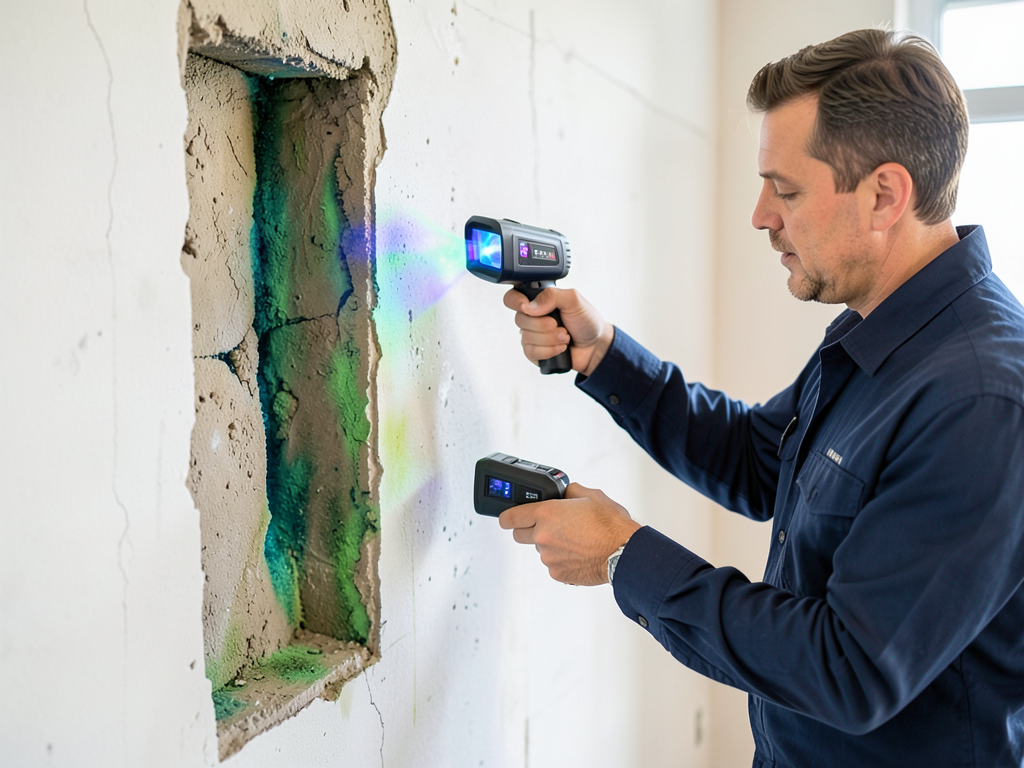
Time since water intrusion critically affects remediation complexity. Moisture left untreated for more than 48-72 hours typically requires professional intervention as mold begins growing within this timeframe. Even if visible mold hasn’t appeared, biological growth often begins in hidden areas. Professional moisture detection equipment can identify problem areas that aren’t yet visible to the naked eye.
Building material involvement determines remediation scope. Porous materials like drywall, carpet, insulation, and upholstered furniture absorb moisture and cannot be effectively dried in place once saturated. These materials typically require removal and replacement rather than cleaning and drying. Professional assessment helps determine which materials can be salvaged and which must be replaced to prevent ongoing moisture and mold problems.
Health considerations should always factor into remediation decisions. If family members experience health symptoms that improve when away from home, professional assessment becomes necessary regardless of visible damage extent. Children, elderly individuals, and those with respiratory conditions face higher risks from exposure to moisture-related contaminants. Professional remediation includes containment procedures that prevent contaminant spread during cleanup.
Insurance coverage often influences remediation decisions. Many homeowner insurance policies cover sudden water damage but exclude ongoing moisture problems or mold resulting from maintenance issues. Professional documentation of damage extent and cause can support insurance claims and ensure proper coverage for necessary repairs. Without professional assessment, homeowners might bear costs that insurance would have covered.
Protecting Your Lawrence Family from Hidden Moisture
Taking proactive steps to prevent and detect hidden moisture protects your family’s health while avoiding costly remediation. These strategies help Lawrence homeowners maintain healthy indoor environments despite local climate challenges.
Regular moisture inspections represent the most effective prevention strategy. Check basements and crawl spaces monthly for signs of moisture, including water stains, efflorescence on concrete, musty odors, or visible mold growth. Pay attention to changes in how rooms feel; increased humidity often indicates developing moisture problems. Professional moisture inspections every 1-2 years can identify problems before they become severe.
Humidity control forms the foundation of moisture management. Keep indoor relative humidity between 30-50% year-round. In Lawrence’s humid climate, this often requires dehumidifiers in basements and crawl spaces. Air conditioning helps control summer humidity, but systems must be properly sized and maintained to effectively remove moisture from indoor air. Hygrometers provide accurate humidity readings to guide moisture control efforts.
Proper ventilation prevents moisture accumulation in high-risk areas. Bathroom exhaust fans should vent directly outdoors, not into attics or wall cavities. Kitchen range hoods must effectively remove moisture from cooking. Whole-house ventilation systems help maintain healthy air exchange rates while controlling humidity levels. Regular maintenance of ventilation systems ensures they continue functioning effectively.
Foundation maintenance prevents many moisture problems before they start. Ensure proper grading directs water away from foundations with at least 6 inches of fall within the first 10 feet from the house. Clean gutters and downspouts regularly, ensuring downspouts extend at least 5 feet from foundations. Repair foundation cracks promptly using appropriate sealants or professional repair methods. Consider exterior waterproofing for homes with chronic basement moisture problems.
Plumbing maintenance prevents slow leaks that create hidden moisture problems. Check under sinks monthly for signs of leaks or moisture. Inspect supply line connections and drain pipes for corrosion or damage. Know the location of main water shutoff valves and how to use them in emergencies. Consider water leak detection systems that can alert you to problems before extensive damage occurs.
Professional relationships provide valuable support for moisture management. Establish relationships with qualified water damage restoration professionals before emergencies occur. Many companies offer free inspections and can provide specific recommendations for your home’s unique conditions. Having a trusted professional’s contact information readily available reduces response time when moisture problems arise.
Frequently Asked Questions
How can I tell if my family’s health issues are caused by hidden moisture?
Family health problems linked to hidden moisture typically follow specific patterns. Symptoms worsen when family members are home and improve during extended absences. Multiple family members experience similar symptoms like respiratory irritation, headaches, or skin rashes. Symptoms persist despite typical allergy treatments. If these patterns match your family’s experience, professional moisture assessment can determine if hidden dampness is the cause.
What does professional moisture assessment involve?
Professional moisture assessment uses specialized equipment to detect water in building materials and identify moisture sources. Technicians use moisture meters to measure water content in walls, floors, and ceilings. Thermal imaging cameras reveal temperature differences that indicate moisture presence. Hygrometers measure relative humidity levels throughout the home. Air quality sampling can detect mold spores and other biological contaminants. The assessment includes visual inspection of high-risk areas and evaluation of potential moisture sources.
How much does professional moisture remediation cost in Lawrence?
Moisture remediation costs vary significantly based on damage extent, affected area size, and required repairs. Minor problems affecting small areas might cost $500-1,500, while extensive damage requiring major reconstruction can exceed $10,000. Most Lawrence homeowners spend $2,000-5,000 for professional remediation of moderate moisture problems. Insurance may cover sudden water damage but typically excludes ongoing moisture issues. Professional companies provide detailed estimates after assessment and can often work with insurance providers.
Can I stay in my home during moisture remediation?
Whether you can remain home during remediation depends on damage extent and health considerations. For minor problems affecting limited areas, staying home with proper containment is often possible. However, extensive remediation, sewage contamination, or severe mold growth typically requires temporary relocation. Professional remediation companies establish containment barriers and use air filtration to minimize disruption, but vulnerable individuals should always leave during cleanup of contaminated areas.
How long does moisture remediation take?
Remediation timelines vary based on damage extent and required repairs. Minor moisture problems might be resolved in 1-2 days, while extensive damage requiring structural repairs can take weeks. The process includes assessment, water removal, drying, cleaning, and repair phases. Professional companies provide detailed timelines after initial assessment and work efficiently to minimize disruption while ensuring thorough remediation.
Take Action to Protect Your Family’s Health
Hidden moisture in your Lawrence home isn’t just a property maintenance issue—it’s a serious health concern that can affect every member of your family. The respiratory problems, allergic reactions, and other symptoms your family experiences might be directly linked to damp conditions creating perfect environments for mold, bacteria, and other harmful microorganisms.
Lawrence’s climate and many local homes’ construction methods create unique vulnerabilities to moisture problems. Whether you live in a historic home near Fort Benjamin Harrison, a newer construction in Oaklandon, or a property near Geist Reservoir, your home faces specific moisture challenges that require attention and expertise to address properly.
If your family experiences unexplained health symptoms that worsen at home, or if you notice musty odors, water stains, or other signs of moisture problems, don’t wait for the situation to escalate. Professional moisture assessment can identify hidden problems before they cause extensive damage or serious health consequences. Early intervention typically costs far less than addressing advanced moisture damage and protects your family from ongoing exposure to harmful contaminants.
Call (317) 703-7676 today to schedule your professional moisture inspection. Our certified technicians use advanced detection equipment to find hidden moisture problems and provide comprehensive solutions tailored to Lawrence’s unique environmental conditions. Protect your family’s health and your home’s value with professional moisture management services that address problems at their source.
Don’t let another day pass with hidden moisture threatening your family’s wellbeing. Pick up the phone and call (317) 703-7676 now. Our team is ready to help you create a healthier, safer home environment for everyone who lives there.
You may also find this helpful. Dealing with That Strange Sewer Smell in Your New Northside Home After a Dry Spell.
{
“@context”: “https://schema.org”,
“@type”: “BlogPosting”,
“headline”: “Is Your Family Getting Sick from Hidden Moisture in Your Lawrence Home?”,
“description”: “Hidden moisture in Lawrence homes can cause serious health issues. Learn the warning signs, local risks, and how Apex Water Damage Restoration can help protect your family.”,
“wordCount”: 3383,
“datePublished”: “2026-06-01T11:22:00.000Z”,
“dateModified”: “2026-06-01T11:22:00.000Z”,
“inLanguage”: “en-US”,
“mainEntityOfPage”: {
“@type”: “WebPage”,
“@id”: “https://apexwaterdamagerestorationindianapolis.com”
},
“publisher”: {
“@type”: “LocalBusiness”,
“name”: “Apex Water Damage Restoration Indianapolis”,
“url”: “https://apexwaterdamagerestorationindianapolis.com”
},
“author”: {
“@type”: “Organization”,
“name”: “Apex Water Damage Restoration Indianapolis”,
“url”: “https://apexwaterdamagerestorationindianapolis.com”
},
“image”: {
“@type”: “ImageObject”,
“url”: “https://apexwaterdamagerestorationindianapolis.com/wp-content/uploads/2026/03/is-your-family-getting-sick-from-hidden-moisture-i-1.png”
}
}
{
“@context”: “https://schema.org”,
“@type”: “LocalBusiness”,
“name”: “Apex Water Damage Restoration Indianapolis”,
“url”: “https://apexwaterdamagerestorationindianapolis.com”,
“address”: {
“@type”: “PostalAddress”,
“addressLocality”: “Indianapolis”
},
“areaServed”: {
“@type”: “City”,
“name”: “Indianapolis”
}
}
{
“@context”: “https://schema.org”,
“@type”: “FAQPage”,
“mainEntity”: [
{
“@type”: “Question”,
“name”: “The Biological Culprits: What Lives in a Damp Home?”,
“acceptedAnswer”: {
“@type”: “Answer”,
“text”: “Understanding what grows in your damp Lawrence home helps explain why moisture problems create such serious health risks. Different types of biological growth thrive in various moisture conditions, and each poses unique health threats to your family.”
}
},
{
“@type”: “Question”,
“name”: “How can I tell if my family’s health issues are caused by hidden moisture?”,
“acceptedAnswer”: {
“@type”: “Answer”,
“text”: “Family health problems linked to hidden moisture typically follow specific patterns. Symptoms worsen when family members are home and improve during extended absences. Multiple family members experience similar symptoms like respiratory irritation, headaches, or skin rashes. Symptoms persist despite typical allergy treatments. If these patterns match your family’s experience, professional moisture assessment can determine if hidden dampness is the cause.”
}
},
{
“@type”: “Question”,
“name”: “What does professional moisture assessment involve?”,
“acceptedAnswer”: {
“@type”: “Answer”,
“text”: “Professional moisture assessment uses specialized equipment to detect water in building materials and identify moisture sources. Technicians use moisture meters to measure water content in walls, floors, and ceilings. Thermal imaging cameras reveal temperature differences that indicate moisture presence. Hygrometers measure relative humidity levels throughout the home. Air quality sampling can detect mold spores and other biological contaminants. The assessment includes visual inspection of high-risk areas and evaluation of potential moisture sources.”
}
},
{
“@type”: “Question”,
“name”: “How much does professional moisture remediation cost in Lawrence?”,
“acceptedAnswer”: {
“@type”: “Answer”,
“text”: “Moisture remediation costs vary significantly based on damage extent, affected area size, and required repairs. Minor problems affecting small areas might cost $500-1,500, while extensive damage requiring major reconstruction can exceed $10,000. Most Lawrence homeowners spend $2,000-5,000 for professional remediation of moderate moisture problems. Insurance may cover sudden water damage but typically excludes ongoing moisture issues. Professional companies provide detailed estimates after assessment and can often work with insurance providers.”
}
},
{
“@type”: “Question”,
“name”: “Can I stay in my home during moisture remediation?”,
“acceptedAnswer”: {
“@type”: “Answer”,
“text”: “Whether you can remain home during remediation depends on damage extent and health considerations. For minor problems affecting limited areas, staying home with proper containment is often possible. However, extensive remediation, sewage contamination, or severe mold growth typically requires temporary relocation. Professional remediation companies establish containment barriers and use air filtration to minimize disruption, but vulnerable individuals should always leave during cleanup of contaminated areas.”
}
},
{
“@type”: “Question”,
“name”: “How long does moisture remediation take?”,
“acceptedAnswer”: {
“@type”: “Answer”,
“text”: “Remediation timelines vary based on damage extent and required repairs. Minor moisture problems might be resolved in 1-2 days, while extensive damage requiring structural repairs can take weeks. The process includes assessment, water removal, drying, cleaning, and repair phases. Professional companies provide detailed timelines after initial assessment and work efficiently to minimize disruption while ensuring thorough remediation.”
}
}
]
}
{
“@context”: “https://schema.org”,
“@type”: “BreadcrumbList”,
“itemListElement”: [
{
“@type”: “ListItem”,
“position”: 1,
“name”: “Home”,
“item”: “https://apexwaterdamagerestorationindianapolis.com”
},
{
“@type”: “ListItem”,
“position”: 2,
“name”: “Blog”,
“item”: “https://apexwaterdamagerestorationindianapolis.com/blog”
},
{
“@type”: “ListItem”,
“position”: 3,
“name”: “Is Your Family Getting Sick from Hidden Moisture in Your Lawrence Home?”
}
]
}
{
“@context”: “https://schema.org”,
“@type”: “Service”,
“serviceType”: “Water Damage Restoration”,
“provider”: {
“@type”: “LocalBusiness”,
“name”: “Apex Water Damage Restoration Indianapolis”,
“url”: “https://apexwaterdamagerestorationindianapolis.com”
},
“areaServed”: {
“@type”: “City”,
“name”: “Indianapolis”
},
“description”: “Hidden moisture in Lawrence homes can cause serious health issues. Learn the warning signs, local risks, and how Apex Water Damage Restoration can help protect your family.”
}