
Preventing Attic Condensation During a Cold Indianapolis Winter
Attic condensation is more than a winter nuisance in Indianapolis. When warm indoor air meets cold roof sheathing, moisture forms that can lead to mold growth, wood rot, and ice dam formation. This guide explains how Indianapolis’s unique climate creates attic moisture problems and what you can do to prevent them before they cause expensive water damage. Who to Call for Emergency Water Damage Restoration in Carmel.
Why Indianapolis Homes are Prone to Attic Condensation
Indianapolis sits in Climate Zone 5, where winter temperatures regularly drop below freezing while indoor heating systems run constantly. This temperature differential creates the perfect conditions for condensation. The stack effect causes warm air from your living space to rise through gaps in your ceiling, carrying moisture with it. When this warm, humid air hits the cold underside of your roof deck, water vapor condenses into liquid. Complete Water Damage Repair for Historic Homes in Meridian-Kessler.
Indiana’s average winter humidity hovers around 70-80%, higher than many northern states. This elevated moisture content means more water vapor is available to condense in your attic. Add to that the freeze-thaw cycles common in Central Indiana, and you have a recipe for attic moisture problems that can persist all winter long. Emergency Water Removal Services in Noblesville That Respond 24-7.
The problem is compounded by older Indianapolis homes, particularly those built before the 1980s, which often lack proper vapor barriers and air sealing. Many homes in neighborhoods like Meridian-Kessler and Broad Ripple were constructed with balloon framing that allows air to move freely between floors.
Signs of Attic Moisture Problems
Early detection of attic moisture can prevent thousands of dollars in damage. Here are the warning signs to watch for:. Read more about Signs Your Chimney Is Letting Water Into Your Living Room in Meridian-Kessler.
- Frost on roof nails or sheathing – When you see white frost on the underside of your roof deck, you have active condensation occurring.
- Matted or discolored insulation – Wet insulation loses its R-value and becomes a breeding ground for mold.
- Dark staining on wood surfaces – Water stains on rafters or sheathing indicate ongoing moisture problems.
- Musty odors – Mold and mildew produce distinctive smells that can permeate your home.
- Ice dam formation on roof edges – When attic heat melts snow that refreezes at the eaves, you have a ventilation problem.
- Dripping water during warm spells – “Attic rain” occurs when accumulated frost melts and drips onto insulation or drywall below.
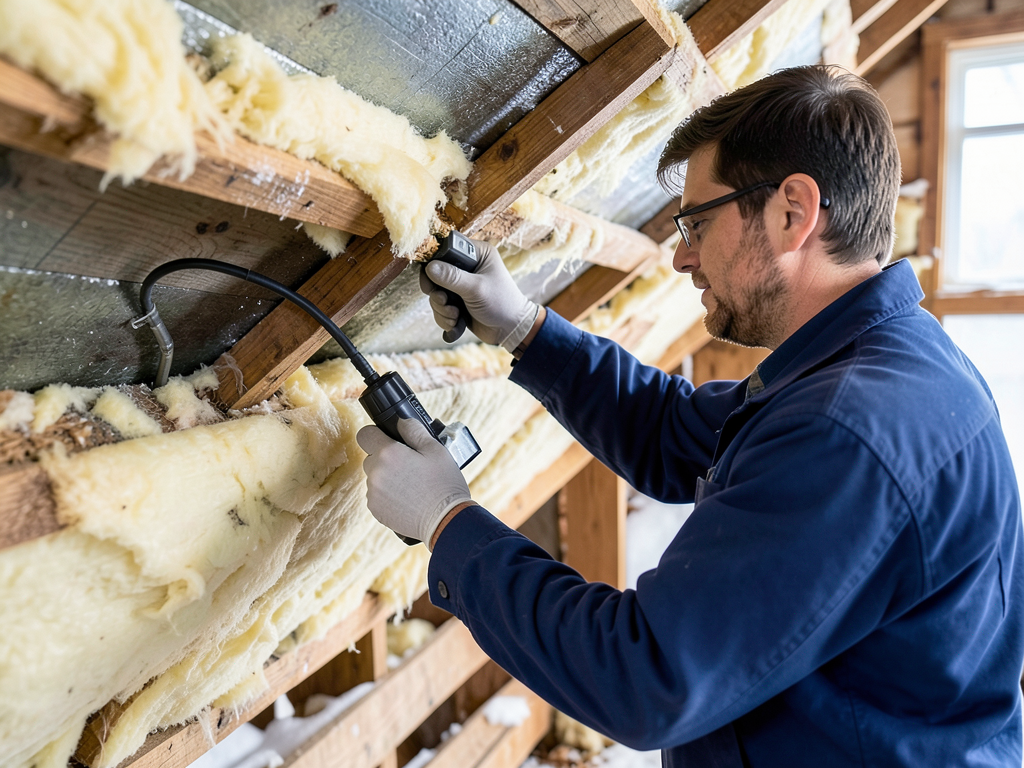
Using a moisture meter on attic wood surfaces can reveal hidden problems. Readings above 20% moisture content indicate active water damage requiring professional attention. Professional Sewage Cleanup and Sanitization Services in Greenwood.
5 Critical Prevention Steps
Preventing attic condensation requires a systematic approach addressing the root causes of moisture intrusion. Here are the five critical steps:
1. Air Sealing and Top Plate Sealing
Air sealing is the foundation of condensation prevention. Use spray foam or caulk to seal gaps around light fixtures, plumbing vents, and electrical penetrations. Pay special attention to the top plates where interior walls meet the attic floor. These areas often have gaps large enough to allow significant air leakage.
Professional air sealing can reduce attic moisture by 50% or more. A blower door test can identify the worst air leakage areas before you begin sealing.
2. Proper Insulation Installation
Indianapolis homes need R-49 to R-60 insulation in the attic, depending on your specific location within Marion County. This translates to approximately 16-20 inches of blown-in fiberglass or cellulose. The insulation must be installed evenly without gaps or compression.
Critical detail: never block soffit vents with insulation. Use proper baffles to maintain airflow from the eaves to the ridge. Without baffles, you create dead air spaces that trap moisture and reduce ventilation effectiveness.
3. Balanced Ventilation System
A properly balanced ventilation system requires 1 square foot of net free ventilation area for every 300 square feet of attic floor space. This should be split between intake vents (soffit) and exhaust vents (ridge or gable).. Read more about Why Your Roof in Lockerbie Square Might Leak After a Heavy Indiana Downpour.
Calculate your ventilation needs: For a 1,500 square foot attic, you need 5 square feet of total ventilation, with 2.5 square feet of intake and 2.5 square feet of exhaust. Ridge vents provide continuous exhaust along the entire roof peak, while gable vents work best in combination with soffit vents.
4. Duct Sealing and Insulation
Leaky HVAC ducts in the attic can introduce warm, moist air directly into the space. Use mastic sealant or metal tape to seal all duct joints and connections. Insulate ducts with R-8 insulation or higher to prevent condensation on the duct exterior.
During winter, inspect ducts for signs of moisture accumulation. If you see water droplets on duct surfaces, you have a humidity problem that needs immediate attention.
5. Dehumidification Strategies
For homes with persistent attic moisture issues, a whole-house dehumidifier can maintain relative humidity between 30-50% during winter months. This prevents condensation even when outdoor temperatures drop significantly.
Install a humidistat to automatically control dehumidifier operation. Set it to maintain 40% relative humidity, which prevents both condensation and excessive dryness that can damage wood furniture and musical instruments.. Read more about Fixing Ceiling Damage from Winter Ice Dams in Your Meridian Hills Home.
The Link Between Condensation and Mold Growth
Attic condensation creates the perfect environment for mold growth. Mold spores need moisture, organic material, and temperatures between 40-100°F to thrive. Your attic provides all three during winter months.
Once condensation begins, mold can establish itself within 24-48 hours. The mold then produces more spores, creating a cycle that can spread throughout your attic space. Common attic mold species include Aspergillus, Penicillium, and Stachybotrys (black mold).
Beyond health concerns, mold damages the structural integrity of your roof system. Mold breaks down wood fibers, reducing the strength of rafters and sheathing. In severe cases, this can lead to roof sagging or even collapse.
Professional mold remediation involves more than surface cleaning. The IICRC S520 standard for mold remediation requires addressing the moisture source, removing contaminated materials, and establishing containment to prevent spore spread to living spaces. Safe and Permanent Mold Remediation for Homes in Broad Ripple.
Ice Dam Prevention: The Hidden Danger
Attic condensation often leads to ice dam formation, a serious winter hazard in Indianapolis. When warm attic air melts snow on the roof, water runs down to the cold eaves where it refreezes, creating a dam that traps additional meltwater.
Ice dams can cause water to back up under shingles, leading to leaks that damage ceilings, walls, and insulation. The weight of ice dams can also damage gutters and create safety hazards when chunks break off.
Preventing ice dams requires the same strategies as preventing condensation: proper insulation, ventilation, and air sealing. However, you may need additional measures like heat cables in problem areas or improved attic access door insulation.
According to the Indiana Department of Natural Resources, ice dam-related water damage claims increase by 40% during winters following heavy summer rainfall, when attics are already moisture-saturated. EPA Mold Guidelines.
When to Call a Professional Restoration Expert
While many condensation prevention steps are DIY-friendly, certain situations require professional intervention. Here’s how to know when it’s time to call in experts:
Call immediately if you notice:
- Active water dripping from your ceiling or visible water stains on interior walls
- Musty odors that persist after cleaning
- Visible mold growth covering more than 10 square feet
- Structural sagging in your roof or ceiling
- Ice dams larger than 6 inches in height
Professional restoration services follow the IICRC S500 standard for water damage restoration, which includes moisture mapping, structural drying, and antimicrobial treatment. They use specialized equipment like infrared cameras to detect hidden moisture and commercial dehumidifiers to accelerate drying.
For severe cases, professionals may need to remove and replace damaged insulation, repair roof sheathing, or install additional ventilation systems. They also handle insurance documentation and can often bill your insurance company directly.
Don’t wait until minor condensation becomes major water damage. A professional inspection can identify problems before they require expensive repairs.
Cost-Benefit Analysis: Prevention vs. Remediation
Investing in attic condensation prevention typically costs between $2,000-$5,000 for a complete system upgrade. This includes air sealing, additional insulation, and ventilation improvements.
Compare that to the cost of professional water damage remediation, which can range from $5,000 for minor mold issues to $25,000+ for extensive structural repairs and mold remediation. Insurance may cover sudden damage but often excludes long-term moisture problems deemed preventable.
Energy savings provide additional benefits. Proper attic insulation and sealing can reduce heating costs by 15-30% annually. In Indianapolis, where winter heating bills average $1,500-$2,500, this translates to $225-$750 in annual savings.
Local utility companies like AES Indiana and Duke Energy offer rebates for insulation upgrades and air sealing projects. These programs can offset 20-50% of prevention costs, making professional upgrades more affordable.
Attic Health Checklist for Indianapolis Homeowners
Use this checklist to evaluate your attic’s moisture resistance:
- Measure insulation depth – Is it at least 16 inches deep?
- Check for air leaks – Look for gaps around penetrations and light fixtures
- Inspect ventilation – Are soffit vents clear and ridge vents present?
- Test for moisture – Use a moisture meter on wood surfaces
- Evaluate HVAC ducts – Are they sealed and insulated?
- Check humidity levels – Use a hygrometer to monitor attic relative humidity
Address any “no” answers immediately to prevent winter moisture problems.
Local Building Code Considerations
Indianapolis and Marion County follow the 2021 International Residential Code with local amendments. Key requirements for attic moisture control include: 2021 International Residential Code.
- Minimum R-49 insulation in attics (Zone 5 requirement)
- Balanced ventilation systems with 1:300 ratio
- Class A fire-rated materials within 36 inches of flues
- Proper vapor barriers in climate zone 5
The City of Indianapolis Department of Business and Neighborhood Services conducts inspections for major renovations that affect attic ventilation or insulation. Always check permit requirements before beginning extensive attic work.
Historic districts like Old Northside and Herron-Morton Place have additional requirements for exterior modifications, including ventilation installations. Consult with a professional familiar with local historic preservation guidelines.
Emergency Response for Active Moisture Problems
If you discover active moisture problems during winter, take these immediate steps:
- Stop using attic fans – They can draw warm, moist air from living spaces
- Increase indoor humidity control – Lower your humidifier settings
- Check for roof leaks – Look for active water entry points
- Improve temporary ventilation – Use portable fans to circulate attic air
- Call for professional assessment – Don’t wait for problems to worsen
Emergency water damage restoration services in Indianapolis typically respond within 2 hours and can begin moisture mitigation within 24 hours of your call.
Long-Term Moisture Management Strategies
Preventing attic condensation requires year-round attention. Here are strategies for long-term moisture management:
Seasonal maintenance:
- Spring: Inspect roof for winter damage and clear debris from vents
- Summer: Check attic ventilation during peak heat
- Fall: Seal any new air leaks before winter heating begins
- Winter: Monitor for condensation and ice dam formation
Smart home integration:
Install smart humidity sensors that alert you when attic moisture levels rise above 60%. Some systems can automatically activate ventilation fans or dehumidifiers when dangerous conditions develop.
Professional monitoring:
Consider annual attic inspections by qualified professionals who can identify developing problems before they cause damage. Many restoration companies offer maintenance agreements that include regular attic assessments.
Conclusion: Protecting Your Indianapolis Home from Winter Moisture
Attic condensation is a serious threat to Indianapolis homes, but it’s also preventable with the right knowledge and approach. By understanding the unique challenges of Central Indiana’s climate and implementing comprehensive moisture control strategies, you can protect your home from water damage, mold growth, and structural problems.
Remember that attic moisture problems rarely resolve themselves. What starts as minor condensation can quickly escalate into major structural damage requiring extensive repairs. The cost of prevention is always less than the cost of remediation.
Take action now before winter weather creates the perfect conditions for attic moisture problems. Your home’s structural integrity, your family’s health, and your peace of mind are worth the investment in proper attic moisture control.
Don’t wait until you see water stains on your ceiling. Call (317) 703-7676 today to schedule your professional attic inspection. Our certified technicians can identify moisture problems and recommend the right solutions to keep your Indianapolis home dry and protected all winter long.
Pick up the phone and call (317) 703-7676 before the next storm hits. Our 24/7 emergency response team is ready to help you prevent attic condensation from becoming a costly water damage disaster.
Frequently Asked Questions
How much does it cost to fix attic condensation in Indianapolis?
Professional attic condensation prevention typically costs $2,000-$5,000 for a complete system upgrade including air sealing, insulation improvements, and ventilation modifications. Severe cases requiring mold remediation can cost $5,000-$25,000 or more.
Can I fix attic condensation myself or do I need a professional?
Minor condensation issues can often be addressed with DIY air sealing and insulation improvements. However, if you notice active water damage, mold growth, or structural problems, you need professional restoration services to properly address the underlying issues and prevent recurrence.
How long does it take for mold to grow from attic condensation?
Mold can begin growing within 24-48 hours of moisture exposure in ideal conditions. Once established, mold spreads rapidly through attic spaces, particularly in cellulose insulation and wood surfaces. Early intervention is critical to prevent extensive mold damage.
What’s the ideal humidity level for my attic during winter?
Attic relative humidity should stay between 30-50% during winter months. Levels above 60% indicate moisture problems that can lead to condensation, while levels below 30% can cause excessive dryness that damages wood structures.
Will improving my attic ventilation increase my heating bills?
Properly balanced ventilation actually improves energy efficiency by preventing heat loss through convection currents. While ventilation allows some heat to escape, it prevents the larger energy losses that occur when warm air rises through unsealed gaps and carries moisture into the attic.
You may also find this helpful. Dealing with Frozen Pipes in Broad Ripple (A Practical Guide for Old Homes).
{
“@context”: “https://schema.org”,
“@type”: “BlogPosting”,
“headline”: “Preventing Attic Condensation During a Cold Indianapolis Winter”,
“description”: “Stop attic moisture before it causes mold and structural damage. Learn Indianapolis-specific condensation prevention strategies for Zone 5 homes.”,
“wordCount”: 2308,
“datePublished”: “2026-04-04T06:20:00.000Z”,
“dateModified”: “2026-04-04T06:20:00.000Z”,
“inLanguage”: “en-US”,
“mainEntityOfPage”: {
“@type”: “WebPage”,
“@id”: “https://apexwaterdamagerestorationindianapolis.com”
},
“publisher”: {
“@type”: “LocalBusiness”,
“name”: “Apex Water Damage Restoration Indianapolis”,
“url”: “https://apexwaterdamagerestorationindianapolis.com”
},
“author”: {
“@type”: “Organization”,
“name”: “Apex Water Damage Restoration Indianapolis”,
“url”: “https://apexwaterdamagerestorationindianapolis.com”
},
“image”: {
“@type”: “ImageObject”,
“url”: “https://apexwaterdamagerestorationindianapolis.com/wp-content/uploads/2026/03/preventing-attic-condensation-during-a-cold-indian-1.png”
}
}
{
“@context”: “https://schema.org”,
“@type”: “LocalBusiness”,
“name”: “Apex Water Damage Restoration Indianapolis”,
“url”: “https://apexwaterdamagerestorationindianapolis.com”,
“address”: {
“@type”: “PostalAddress”,
“addressLocality”: “Indianapolis”
},
“areaServed”: {
“@type”: “City”,
“name”: “Indianapolis”
}
}
{
“@context”: “https://schema.org”,
“@type”: “FAQPage”,
“mainEntity”: [
{
“@type”: “Question”,
“name”: “How much does it cost to fix attic condensation in Indianapolis?”,
“acceptedAnswer”: {
“@type”: “Answer”,
“text”: “Professional attic condensation prevention typically costs $2,000-$5,000 for a complete system upgrade including air sealing, insulation improvements, and ventilation modifications. Severe cases requiring mold remediation can cost $5,000-$25,000 or more.”
}
},
{
“@type”: “Question”,
“name”: “Can I fix attic condensation myself or do I need a professional?”,
“acceptedAnswer”: {
“@type”: “Answer”,
“text”: “Minor condensation issues can often be addressed with DIY air sealing and insulation improvements. However, if you notice active water damage, mold growth, or structural problems, you need professional restoration services to properly address the underlying issues and prevent recurrence.”
}
},
{
“@type”: “Question”,
“name”: “How long does it take for mold to grow from attic condensation?”,
“acceptedAnswer”: {
“@type”: “Answer”,
“text”: “Mold can begin growing within 24-48 hours of moisture exposure in ideal conditions. Once established, mold spreads rapidly through attic spaces, particularly in cellulose insulation and wood surfaces. Early intervention is critical to prevent extensive mold damage.”
}
},
{
“@type”: “Question”,
“name”: “What’s the ideal humidity level for my attic during winter?”,
“acceptedAnswer”: {
“@type”: “Answer”,
“text”: “Attic relative humidity should stay between 30-50% during winter months. Levels above 60% indicate moisture problems that can lead to condensation, while levels below 30% can cause excessive dryness that damages wood structures.”
}
},
{
“@type”: “Question”,
“name”: “Will improving my attic ventilation increase my heating bills?”,
“acceptedAnswer”: {
“@type”: “Answer”,
“text”: “Properly balanced ventilation actually improves energy efficiency by preventing heat loss through convection currents. While ventilation allows some heat to escape, it prevents the larger energy losses that occur when warm air rises through unsealed gaps and carries moisture into the attic.”
}
}
]
}
{
“@context”: “https://schema.org”,
“@type”: “BreadcrumbList”,
“itemListElement”: [
{
“@type”: “ListItem”,
“position”: 1,
“name”: “Home”,
“item”: “https://apexwaterdamagerestorationindianapolis.com”
},
{
“@type”: “ListItem”,
“position”: 2,
“name”: “Blog”,
“item”: “https://apexwaterdamagerestorationindianapolis.com/blog”
},
{
“@type”: “ListItem”,
“position”: 3,
“name”: “Preventing Attic Condensation During a Cold Indianapolis Winter”
}
]
}
{
“@context”: “https://schema.org”,
“@type”: “Service”,
“serviceType”: “Water Damage Restoration”,
“provider”: {
“@type”: “LocalBusiness”,
“name”: “Apex Water Damage Restoration Indianapolis”,
“url”: “https://apexwaterdamagerestorationindianapolis.com”
},
“areaServed”: {
“@type”: “City”,
“name”: “Indianapolis”
},
“description”: “Stop attic moisture before it causes mold and structural damage. Learn Indianapolis-specific condensation prevention strategies for Zone 5 homes.”
}