
Safely Handling Water Damage in Historic Woodruff Place Homes with Lead Paint Concerns
Water damage in Woodruff Place’s historic homes requires more than just extraction and drying. These 1900s-era properties feature delicate plaster walls original hardwood flooring and often contain lead-based paint that demands specialized handling. When disaster strikes in this Indianapolis landmark district homeowners need restoration experts who understand both modern water mitigation and historic preservation. Indianapolis Historic Preservation Commission guidelines.
The first 72 hours after water intrusion determine whether your home’s irreplaceable architectural features can be saved. Traditional restoration methods that work on modern drywall can destroy century-old lath and plaster while standard lead-safe practices may not address the specific risks found in Woodruff Place’s Victorian and Tudor-style homes. This guide explains how certified professionals navigate these challenges while preserving your home’s historic integrity. Who to Call for Emergency Water Damage Restoration in Carmel.
Understanding Woodruff Place’s Historic Construction Materials
Woodruff Place homes built before 1940 typically feature construction methods no longer used in modern building. Lath and plaster walls consist of wood strips covered with multiple layers of lime-based plaster creating a monolithic surface that modern drywall cannot replicate. These walls absorb moisture differently than contemporary materials requiring specialized drying techniques that prevent cracking and separation.
Original hardwood flooring in Woodruff Place often includes quartersawn oak heart pine or maple installed with square nails and animal-hide glue. When saturated these floors can cup crown or develop mold within the tongue-and-groove joints. The subfloor beneath may be diagonal plank boards rather than modern plywood creating hidden moisture pockets that standard moisture meters cannot detect.
Lead-based paint remains prevalent in homes built before 1978 with concentrations often higher in pre-1950 properties. Woodruff Place’s oldest homes may contain lead paint on window frames door casings and decorative trim that becomes hazardous when water damage causes chipping or creates lead dust during restoration work. Complete Water Damage Repair for Historic Homes in Meridian-Kessler.

Lead-Safe Restoration Practices for Historic Properties
The EPA’s Renovation Repair and Painting Rule requires certification for contractors working on pre-1978 homes where lead paint may be disturbed. In Woodruff Place this means every water damage restoration project must follow specific protocols to protect occupants and workers from lead exposure. EPA’s Renovation, Repair and Painting Rule.
Certified lead-safe firms use HEPA-filtered sanders containment barriers and negative air pressure systems to prevent lead dust from spreading through your home. Workers wear personal protective equipment including respirators and disposable coveralls while the work area is sealed with plastic sheeting and warning signs.
Testing for lead paint presence guides the restoration approach. X-ray fluorescence analyzers provide immediate results without damaging surfaces allowing technicians to determine which areas require full containment versus those that can be addressed with standard precautions. This targeted approach saves time and reduces restoration costs while maintaining safety.
Proper disposal of lead-contaminated materials follows Marion County regulations. Contaminated debris is double-bagged labeled and transported to approved disposal facilities. Documentation of lead-safe practices provides liability protection and may be required for future home sales or historic district compliance. Marion County lead disposal regulations.
Navigating Indianapolis Historic Preservation Commission Guidelines
Woodruff Place falls under the jurisdiction of the Indianapolis Historic Preservation Commission which maintains strict guidelines for exterior and interior alterations. Emergency water damage restoration requires careful coordination between rapid response needs and preservation requirements. Emergency Water Removal Services in Noblesville That Respond 24-7.
IHPC guidelines prioritize preserving original materials when feasible. Rather than replacing damaged plaster with drywall certified restorers use techniques like injection drying where specialized equipment forces dry air through small holes drilled in inconspicuous locations. This method preserves the historic surface while removing moisture from within wall cavities.
For exterior damage IHPC requires that repairs match original materials and construction methods. Water-damaged wood siding must be repaired using period-appropriate techniques while replacement pieces must match existing profiles textures and finishes. Modern materials that mimic historic appearances may be approved only when original materials are unavailable or impractical.
Permit requirements vary based on the scope of work. Emergency stabilization to prevent further damage may proceed without permits but permanent repairs often require IHPC approval. Experienced restoration firms maintain relationships with IHPC staff and can expedite approvals for time-sensitive water damage repairs. Safe and Permanent Mold Remediation for Homes in Broad Ripple.
Specialized Drying Techniques for Historic Building Assemblies
Modern water damage restoration equipment requires adaptation for historic homes. Standard axial air movers can create pressure differentials that damage fragile plaster surfaces. Instead low-profile centrifugal air movers with adjustable CFM settings provide controlled airflow that dries materials without causing stress cracks.
Dehumidification strategies differ significantly between modern and historic construction. While modern homes benefit from aggressive drying with large-capacity dehumidifiers historic plaster walls require gradual moisture removal to prevent shrinkage and separation. Technicians monitor moisture content in multiple locations adjusting equipment to maintain steady controlled drying rates.
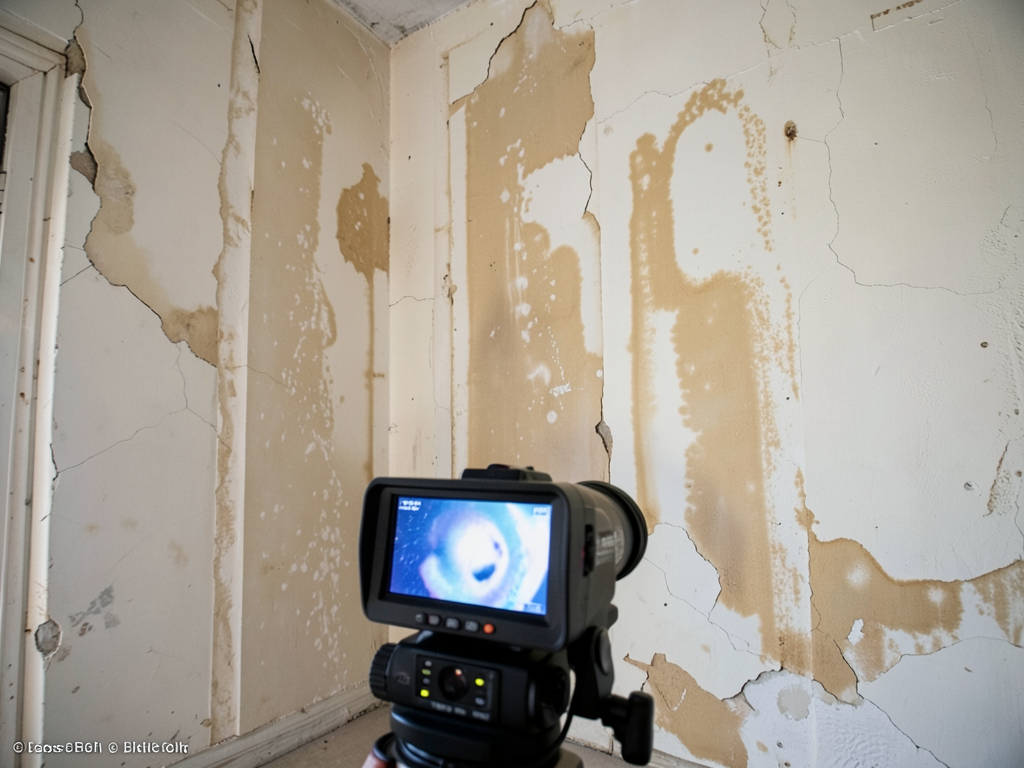
Subfloor drying presents unique challenges in Woodruff Place homes. Original plank subfloors allow moisture to migrate laterally between rooms creating hidden damage that standard moisture meters cannot detect. Thermal imaging cameras and penetrating moisture meters help identify these concealed moisture pockets before they cause secondary damage like mold growth or structural weakening.
Hardwood floor restoration requires specialized equipment like the Rescue Mat System which uses a mat connected to a vacuum to draw moisture from within the wood rather than just from the surface. This technique can save floors that would otherwise require replacement preserving both the home’s character and the owner’s investment.
Mold Remediation in Historic Crawl Spaces and Attics
Historic homes often feature crawl spaces and attics without modern vapor barriers or insulation. These areas create ideal conditions for mold growth when water damage occurs. Remediation in these confined spaces requires careful planning to avoid damaging historic structural elements.
Antimicrobial treatments must be compatible with historic materials. Bleach-based solutions can damage original wood and plaster while modern fungicides may alter the appearance of exposed beams or decorative elements. Restoration professionals use specialized products designed for historic preservation that eliminate mold without compromising architectural integrity. Professional Sewage Cleanup and Sanitization Services in Greenwood.
Ventilation strategies in historic attics require balancing moisture control with energy efficiency. Original passive ventilation systems may need modification to accommodate modern dehumidification equipment while maintaining the home’s historic character. This might involve adding discreet vents or modifying existing openings rather than installing modern ventilation systems.
Crawl space encapsulation in historic homes requires careful consideration of moisture migration patterns. Traditional methods that work in modern homes can trap moisture in historic masonry foundations leading to efflorescence and structural damage. Customized solutions address the specific construction methods and materials found in each Woodruff Place home.
Insurance Claims for Historic Home Restoration
Insurance claims for historic home water damage often involve complex valuation issues. Standard policies may not fully cover the cost of specialized restoration techniques or custom-matched replacement materials. Working with restoration firms experienced in historic properties ensures proper documentation and accurate cost estimates.
Detailed documentation becomes critical for insurance claims. Before-and-after photographs moisture mapping reports and material analysis help justify restoration costs to insurance adjusters unfamiliar with historic construction. This documentation also serves as a record for future reference and potential tax benefits for historic preservation.
Replacement cost valuation must account for specialty trades and materials. Finding craftspeople skilled in historic plaster repair custom millwork or traditional joinery can be challenging and expensive. Restoration firms maintain networks of qualified subcontractors and can provide accurate cost estimates that reflect true restoration expenses.
Some historic districts offer grant programs or tax incentives for preservation work. While these typically don’t cover emergency water damage restoration they may provide funding for preventive measures or upgrades that reduce future water damage risks. Restoration firms familiar with local preservation programs can help homeowners identify available resources.
Preventing Future Water Damage in Historic Homes
Preventive maintenance becomes especially important in historic homes where water damage can have catastrophic consequences. Regular inspections of roofing plumbing and drainage systems help identify potential problems before they cause major damage.
Roof inspection should focus on areas where modern repairs meet original materials. Flashing details valley construction and chimney penetrations often create vulnerability points where water can enter. Annual professional inspections can identify deteriorating areas before leaks develop.
Plumbing systems in historic homes may include original galvanized steel pipes or early copper installations prone to corrosion and failure. Proactive replacement of high-risk sections particularly in areas with limited access can prevent catastrophic water damage. Modern PEX piping can be installed with minimal disruption to historic finishes.
Foundation drainage systems require special attention in Woodruff Place’s clay-heavy soil. French drains proper grading and functional gutter systems prevent hydrostatic pressure that can force water through foundation walls. These improvements must be designed to work with existing historic landscaping and exterior features.
Choosing the Right Restoration Partner for Your Historic Home
Not all water damage restoration companies have the expertise needed for historic properties. Look for firms with specific experience in pre-1940 construction lead-safe certification and familiarity with local historic preservation requirements.
Certifications matter significantly for historic home restoration. Beyond standard water damage certifications look for EPA Lead-Safe certification IICRC Applied Structural Drying certification and specific training in historic preservation techniques. These credentials demonstrate the technical expertise required for complex historic restoration projects.
References from other historic homeowners provide valuable insight into a company’s capabilities. Ask for examples of similar projects particularly those involving Woodruff Place or other Indianapolis historic districts. A reputable firm should be able to provide case studies or client references that demonstrate their historic restoration expertise.
Emergency response capabilities become critical when water damage threatens historic materials. The right restoration partner maintains 24/7 availability rapid dispatch capabilities and equipment specifically designed for historic construction. Their initial response should focus on stabilization while preserving original materials whenever possible.
Frequently Asked Questions
How quickly must water damage in historic homes be addressed?
Water damage requires immediate attention within 24-48 hours to prevent mold growth and structural damage. Historic materials like plaster and hardwood are particularly vulnerable to prolonged moisture exposure making rapid response essential for successful restoration.
Will restoration work damage my home’s historic character?
Certified historic restoration specialists use techniques specifically designed to preserve original materials and architectural features. Modern drying equipment and lead-safe practices can be adapted to protect your home’s historic integrity while addressing water damage effectively.
How much does historic home water damage restoration typically cost?
Costs vary significantly based on damage extent and required preservation techniques. Historic restoration typically costs 20-40% more than standard restoration due to specialized materials skilled labor and preservation requirements. However proper restoration often saves irreplaceable original features that would be extremely expensive to replicate.
Does insurance cover lead-safe restoration practices?
Most standard homeowners insurance policies cover lead-safe restoration when required by law or necessary for safety. However coverage limits and specific requirements vary by policy. Your restoration company can help document lead-safe practices for insurance claims and provide cost estimates that reflect true restoration expenses.
What documentation should I keep after historic home restoration?
Maintain all restoration documentation including before-and-after photos material analysis reports lead-safe work practices documentation and final inspection reports. This documentation proves valuable for insurance purposes future home sales and potential historic preservation tax benefits.
- Immediate Response
Shut off water source if possible and contact a certified historic restoration specialist immediately. Document damage with photos before any cleanup begins.
- Safety Assessment
Have restoration professionals test for lead paint and assess structural stability. Establish containment areas if lead-safe practices are required.
- Moisture Mapping
Use thermal imaging and moisture meters to identify all affected areas including hidden moisture in historic building assemblies.
- Preservation Planning
Develop a restoration plan that prioritizes saving original materials while addressing structural and health concerns.
- Insurance Coordination
Work with your restoration company to document damage and provide accurate cost estimates for insurance claims.
Take Action to Protect Your Historic Woodruff Place Home
Water damage in historic homes requires immediate professional attention to prevent irreversible damage to irreplaceable architectural features. The combination of lead paint concerns historic preservation requirements and specialized restoration techniques makes choosing the right restoration partner critical for successful outcomes.
Don’t wait until water damage becomes catastrophic. If you’re experiencing water intrusion visible moisture or suspect hidden damage in your Woodruff Place home call (317) 703-7676 today. Our certified historic restoration specialists are available 24/7 to respond to emergencies and provide expert guidance on protecting your home’s architectural heritage.
Pick up the phone and call (317) 703-7676 before the next storm hits. Early intervention can mean the difference between preserving your home’s historic character and facing extensive reconstruction. Our team understands the unique challenges of Woodruff Place’s historic homes and has the expertise to restore your property while maintaining its irreplaceable architectural integrity.
Time matters when water threatens historic materials. Contact us now to schedule your inspection and learn how our specialized restoration techniques can protect your Woodruff Place home’s legacy for generations to come.
{
“@context”: “https://schema.org”,
“@type”: “BlogPosting”,
“headline”: “Safely Handling Water Damage in Historic Woodruff Place Homes with Lead Paint Concerns”,
“description”: “Expert water damage restoration for Woodruff Place’s historic homes. Lead-safe practices, preservation compliance, and specialized drying techniques for 1900s-era properties.”,
“wordCount”: 2159,
“datePublished”: “2026-04-25T09:27:00.000Z”,
“dateModified”: “2026-04-25T09:27:00.000Z”,
“inLanguage”: “en-US”,
“mainEntityOfPage”: {
“@type”: “WebPage”,
“@id”: “https://apexwaterdamagerestorationindianapolis.com”
},
“publisher”: {
“@type”: “LocalBusiness”,
“name”: “Apex Water Damage Restoration Indianapolis”,
“url”: “https://apexwaterdamagerestorationindianapolis.com”
},
“author”: {
“@type”: “Organization”,
“name”: “Apex Water Damage Restoration Indianapolis”,
“url”: “https://apexwaterdamagerestorationindianapolis.com”
},
“image”: {
“@type”: “ImageObject”,
“url”: “https://apexwaterdamagerestorationindianapolis.com/wp-content/uploads/2026/03/safely-handling-water-damage-in-historic-woodruff-1.png”
}
}
{
“@context”: “https://schema.org”,
“@type”: “LocalBusiness”,
“name”: “Apex Water Damage Restoration Indianapolis”,
“url”: “https://apexwaterdamagerestorationindianapolis.com”,
“address”: {
“@type”: “PostalAddress”,
“addressLocality”: “Indianapolis”
},
“areaServed”: {
“@type”: “City”,
“name”: “Indianapolis”
}
}
{
“@context”: “https://schema.org”,
“@type”: “FAQPage”,
“mainEntity”: [
{
“@type”: “Question”,
“name”: “How quickly must water damage in historic homes be addressed?”,
“acceptedAnswer”: {
“@type”: “Answer”,
“text”: “Water damage requires immediate attention within 24-48 hours to prevent mold growth and structural damage. Historic materials like plaster and hardwood are particularly vulnerable to prolonged moisture exposure making rapid response essential for successful restoration.”
}
},
{
“@type”: “Question”,
“name”: “Will restoration work damage my home’s historic character?”,
“acceptedAnswer”: {
“@type”: “Answer”,
“text”: “Certified historic restoration specialists use techniques specifically designed to preserve original materials and architectural features. Modern drying equipment and lead-safe practices can be adapted to protect your home’s historic integrity while addressing water damage effectively.”
}
},
{
“@type”: “Question”,
“name”: “How much does historic home water damage restoration typically cost?”,
“acceptedAnswer”: {
“@type”: “Answer”,
“text”: “Costs vary significantly based on damage extent and required preservation techniques. Historic restoration typically costs 20-40% more than standard restoration due to specialized materials skilled labor and preservation requirements. However proper restoration often saves irreplaceable original features that would be extremely expensive to replicate.”
}
},
{
“@type”: “Question”,
“name”: “Does insurance cover lead-safe restoration practices?”,
“acceptedAnswer”: {
“@type”: “Answer”,
“text”: “Most standard homeowners insurance policies cover lead-safe restoration when required by law or necessary for safety. However coverage limits and specific requirements vary by policy. Your restoration company can help document lead-safe practices for insurance claims and provide cost estimates that reflect true restoration expenses.”
}
},
{
“@type”: “Question”,
“name”: “What documentation should I keep after historic home restoration?”,
“acceptedAnswer”: {
“@type”: “Answer”,
“text”: “Maintain all restoration documentation including before-and-after photos material analysis reports lead-safe work practices documentation and final inspection reports. This documentation proves valuable for insurance purposes future home sales and potential historic preservation tax benefits.”
}
}
]
}
{
“@context”: “https://schema.org”,
“@type”: “HowTo”,
“name”: “How to Handle Water Damage in Historic Homes”,
“step”: [
{
“@type”: “HowToStep”,
“position”: 1,
“name”: “Immediate Response”,
“text”: “Shut off water source if possible and contact a certified historic restoration specialist immediately. Document damage with photos before any cleanup begins.”
},
{
“@type”: “HowToStep”,
“position”: 2,
“name”: “Safety Assessment”,
“text”: “Have restoration professionals test for lead paint and assess structural stability. Establish containment areas if lead-safe practices are required.”
},
{
“@type”: “HowToStep”,
“position”: 3,
“name”: “Moisture Mapping”,
“text”: “Use thermal imaging and moisture meters to identify all affected areas including hidden moisture in historic building assemblies.”
},
{
“@type”: “HowToStep”,
“position”: 4,
“name”: “Preservation Planning”,
“text”: “Develop a restoration plan that prioritizes saving original materials while addressing structural and health concerns.”
},
{
“@type”: “HowToStep”,
“position”: 5,
“name”: “Insurance Coordination”,
“text”: “Work with your restoration company to document damage and provide accurate cost estimates for insurance claims.”
}
],
“image”: “https://apexwaterdamagerestorationindianapolis.com/wp-content/uploads/2026/03/safely-handling-water-damage-in-historic-woodruff-1.png”
}
{
“@context”: “https://schema.org”,
“@type”: “BreadcrumbList”,
“itemListElement”: [
{
“@type”: “ListItem”,
“position”: 1,
“name”: “Home”,
“item”: “https://apexwaterdamagerestorationindianapolis.com”
},
{
“@type”: “ListItem”,
“position”: 2,
“name”: “Blog”,
“item”: “https://apexwaterdamagerestorationindianapolis.com/blog”
},
{
“@type”: “ListItem”,
“position”: 3,
“name”: “Safely Handling Water Damage in Historic Woodruff Place Homes with Lead Paint Concerns”
}
]
}
{
“@context”: “https://schema.org”,
“@type”: “Service”,
“serviceType”: “Water Damage Restoration”,
“provider”: {
“@type”: “LocalBusiness”,
“name”: “Apex Water Damage Restoration Indianapolis”,
“url”: “https://apexwaterdamagerestorationindianapolis.com”
},
“areaServed”: {
“@type”: “City”,
“name”: “Indianapolis”
},
“description”: “Expert water damage restoration for Woodruff Place’s historic homes. Lead-safe practices, preservation compliance, and specialized drying techniques for 1900s-era properties.”
}