
If you see water stains around your fireplace or smell musty odors near your chimney in Meridian-Kessler, you could be dealing with a serious chimney leak. Indianapolis’s freeze-thaw cycles and heavy spring rains put older masonry chimneys at high risk. This guide shows you how to spot the warning signs before minor damage turns into major structural repairs. Who to Call for Emergency Water Damage Restoration in Carmel.
The Top 7 Signs Your Chimney Is Leaking
Water in the Firebox or Moisture on the Damper
Finding damp ashes or pooling water inside your fireplace is one of the clearest signs of a chimney leak. During heavy rain, moisture can seep through cracks in the crown or faulty flashing and collect in the firebox. This often leads to rusted dampers and corroded firebox components. Complete Water Damage Repair for Historic Homes in Meridian-Kessler.
Discolored Masonry (White Salt Deposits/Efflorescence)
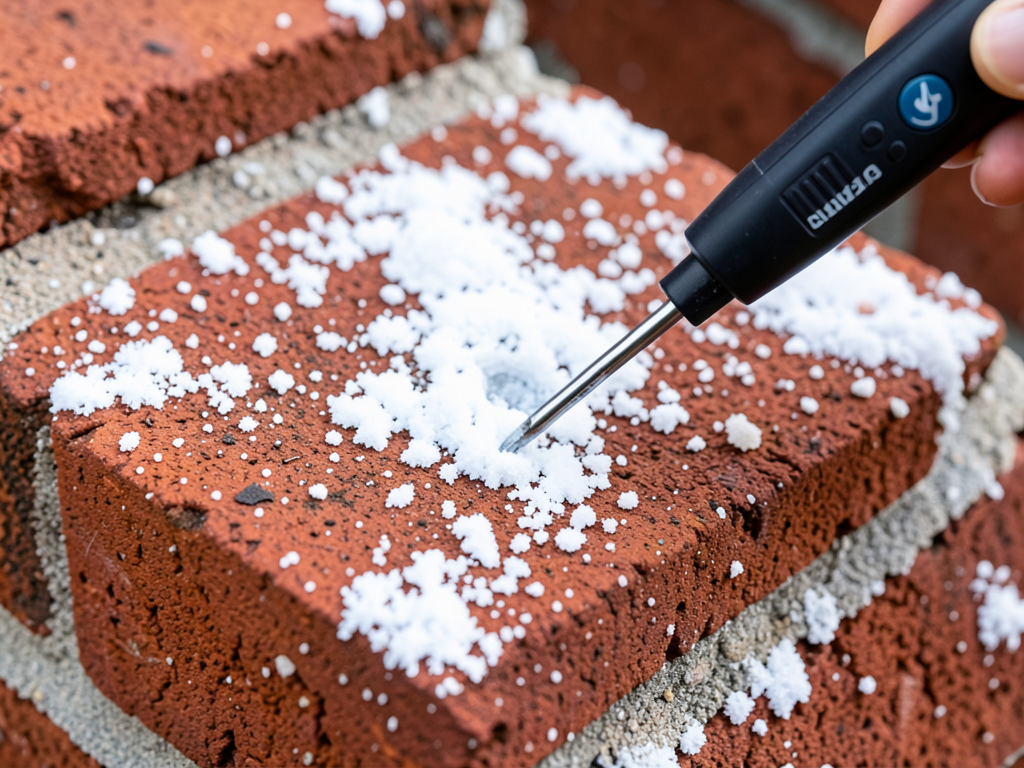
White powdery stains on your chimney bricks are not just cosmetic—they indicate water is moving through the masonry. Efflorescence occurs when dissolved salts are carried to the surface by moisture and left behind as it evaporates. This is a common sign in older Meridian-Kessler homes with porous brick. Emergency Water Removal Services in Noblesville That Respond 24-7.
Spalling (Flaking or Peeling Bricks)
When water freezes inside brick pores, it expands and causes the surface to flake off—a process called spalling. You may notice chunks of brick or mortar missing from the chimney stack. This weakens the structure and accelerates water intrusion.
Musty Odors or Visible Mold Growth Near the Hearth
A persistent damp smell near your fireplace often means water has been sitting inside the chimney for some time. This creates the perfect environment for mold growth, which can spread to nearby drywall and wood framing if left untreated.
Rusted Fireplace Dampers or Accessories
Rust on metal parts inside your fireplace is a strong indicator that moisture is entering the chimney system. Over time, this can cause dampers to stick or fail completely, reducing your fireplace’s efficiency and safety.
Water-Stained Ceilings or Walls Surrounding the Chimney
Brown or yellow stains on the ceiling or walls near your chimney stack often mean water is leaking from above. In Meridian-Kessler’s historic homes, this can indicate failing flashing where the chimney meets the roofline.
Dripping Sounds During Indianapolis Rainstorms
Hearing a drip inside your chimney during a storm is a clear sign of active water intrusion. This sound usually means water is bypassing the crown or flashing and entering the flue system.
Why Indianapolis Weather Causes Frequent Chimney Leaks
Central Indiana’s climate creates a perfect storm for chimney damage. The region experiences an average of 42 inches of rain per year, with most falling in spring and summer. When temperatures drop below freezing, trapped moisture in masonry expands and contracts, causing cracks to widen each cycle.
According to the National Weather Service, Indianapolis has seen increasing frequency of heavy rainfall events over the past decade. These intense storms can overwhelm aging flashing systems, especially on homes built before modern waterproofing standards were adopted. National Weather Service Indianapolis.
Identifying the Source: Is it the Flashing, Crown, or Masonry?
Pinpointing the leak source requires understanding how water enters different chimney components. The crown (top surface) can crack from freeze-thaw stress. Flashing (metal seal between chimney and roof) can pull away due to wind or thermal movement. Masonry itself can absorb water if not properly sealed.
Professional moisture meters can detect water presence deep within brick and mortar. Thermal imaging cameras reveal temperature differences that indicate hidden moisture pathways. These diagnostic tools help restoration experts determine whether you need chimney repair or full water damage restoration. Professional Sewage Cleanup and Sanitization Services in Greenwood.
The Hidden Dangers of Ignoring a Leaky Chimney
Structural Wood Rot and Attic Damage
Water that enters through a chimney leak doesn’t stop at the firebox. It travels down wooden framing members, soaking attic joists and roof sheathing. Over months or years, this causes wood rot that compromises your home’s structural integrity.
Toxic Mold Growth in Drywall
Once water reaches interior walls, it creates ideal conditions for mold colonies to establish. Black mold can grow within 24-48 hours in damp drywall. This poses serious health risks, especially for children and those with respiratory conditions.
Fire Hazards from Compromised Flue Liners
Water damage can cause clay flue tiles to crack or shift. This creates gaps where combustible creosote can accumulate outside the intended exhaust path. A single spark could ignite this buildup, creating a hidden fire risk inside your walls.
Professional Chimney Leak Inspection & Restoration in Indianapolis
When you call Apex Water Damage Restoration Indianapolis at (317) 703-7676, we conduct a comprehensive chimney leak assessment using moisture meters, thermal imaging, and visual inspection. We identify not just the chimney failure point but also any secondary water damage to your home’s interior.
Our process includes water extraction, structural drying with commercial-grade dehumidifiers, and mold remediation if needed. We work directly with your insurance company to document damage and streamline claims. For Meridian-Kessler’s historic homes, we use restoration techniques that preserve architectural character while meeting modern building codes. Safe and Permanent Mold Remediation for Homes in Broad Ripple.
Don’t wait for the next storm to cause thousands in damage. Call (317) 703-7676 today to schedule your chimney leak inspection before minor issues become major repairs.
Frequently Asked Questions
How can I tell if my chimney is leaking?
Look for water in the firebox, white efflorescence on bricks, rust on metal components, musty odors near the fireplace, or water stains on surrounding walls and ceilings. Dripping sounds during rain are also a clear indicator.
Can a chimney leak cause mold in my home?
Yes. Water from chimney leaks can travel into walls and ceilings, creating perfect conditions for mold growth. This often goes unnoticed until it spreads significantly, requiring professional remediation.
Is chimney leak repair covered by homeowners insurance?
Coverage depends on your policy and the cause of the leak. Sudden damage from storms is often covered, while gradual deterioration due to lack of maintenance typically isn’t. We can help document damage for your insurance claim.
How long does chimney leak repair take?
Simple flashing repairs might take a few hours, while comprehensive restoration including water damage repair could take several days. We provide detailed timelines after our initial inspection. For more information, visit IICRC (Institute of Inspection Cleaning and Restoration Certification).
{
“@context”: “https://schema.org”,
“@type”: “BlogPosting”,
“headline”: “Signs Your Chimney Is Letting Water Into Your Living Room in Meridian-Kessler”,
“description”: “Water stains, musty odors, and flaking bricks near your chimney? Learn the 7 warning signs of chimney leaks in Meridian-Kessler homes and how to stop costly damage.”,
“wordCount”: 1071,
“datePublished”: “2026-04-01T09:23:00.000Z”,
“dateModified”: “2026-04-01T09:23:00.000Z”,
“inLanguage”: “en-US”,
“mainEntityOfPage”: {
“@type”: “WebPage”,
“@id”: “https://apexwaterdamagerestorationindianapolis.com”
},
“publisher”: {
“@type”: “LocalBusiness”,
“name”: “Apex Water Damage Restoration Indianapolis”,
“url”: “https://apexwaterdamagerestorationindianapolis.com”
},
“author”: {
“@type”: “Organization”,
“name”: “Apex Water Damage Restoration Indianapolis”,
“url”: “https://apexwaterdamagerestorationindianapolis.com”
},
“image”: {
“@type”: “ImageObject”,
“url”: “https://apexwaterdamagerestorationindianapolis.com/wp-content/uploads/2026/03/signs-your-chimney-is-letting-water-into-your-livi-1.png”
}
}
{
“@context”: “https://schema.org”,
“@type”: “LocalBusiness”,
“name”: “Apex Water Damage Restoration Indianapolis”,
“url”: “https://apexwaterdamagerestorationindianapolis.com”,
“address”: {
“@type”: “PostalAddress”,
“addressLocality”: “Indianapolis”
},
“areaServed”: {
“@type”: “City”,
“name”: “Indianapolis”
}
}
{
“@context”: “https://schema.org”,
“@type”: “FAQPage”,
“mainEntity”: [
{
“@type”: “Question”,
“name”: “Identifying the Source: Is it the Flashing, Crown, or Masonry?”,
“acceptedAnswer”: {
“@type”: “Answer”,
“text”: “Pinpointing the leak source requires understanding how water enters different chimney components. The crown (top surface) can crack from freeze-thaw stress. Flashing (metal seal between chimney and roof) can pull away due to wind or thermal movement. Masonry itself can absorb water if not properly sealed.”
}
},
{
“@type”: “Question”,
“name”: “How can I tell if my chimney is leaking?”,
“acceptedAnswer”: {
“@type”: “Answer”,
“text”: “Look for water in the firebox, white efflorescence on bricks, rust on metal components, musty odors near the fireplace, or water stains on surrounding walls and ceilings. Dripping sounds during rain are also a clear indicator.”
}
},
{
“@type”: “Question”,
“name”: “Can a chimney leak cause mold in my home?”,
“acceptedAnswer”: {
“@type”: “Answer”,
“text”: “Yes. Water from chimney leaks can travel into walls and ceilings, creating perfect conditions for mold growth. This often goes unnoticed until it spreads significantly, requiring professional remediation.”
}
},
{
“@type”: “Question”,
“name”: “Is chimney leak repair covered by homeowners insurance?”,
“acceptedAnswer”: {
“@type”: “Answer”,
“text”: “Coverage depends on your policy and the cause of the leak. Sudden damage from storms is often covered, while gradual deterioration due to lack of maintenance typically isn’t. We can help document damage for your insurance claim.”
}
},
{
“@type”: “Question”,
“name”: “How long does chimney leak repair take?”,
“acceptedAnswer”: {
“@type”: “Answer”,
“text”: “Simple flashing repairs might take a few hours, while comprehensive restoration including water damage repair could take several days. We provide detailed timelines after our initial inspection. For more information, visit IICRC (Institute of Inspection Cleaning and Restoration Certification).”
}
}
]
}
{
“@context”: “https://schema.org”,
“@type”: “BreadcrumbList”,
“itemListElement”: [
{
“@type”: “ListItem”,
“position”: 1,
“name”: “Home”,
“item”: “https://apexwaterdamagerestorationindianapolis.com”
},
{
“@type”: “ListItem”,
“position”: 2,
“name”: “Blog”,
“item”: “https://apexwaterdamagerestorationindianapolis.com/blog”
},
{
“@type”: “ListItem”,
“position”: 3,
“name”: “Signs Your Chimney Is Letting Water Into Your Living Room in Meridian-Kessler”
}
]
}
{
“@context”: “https://schema.org”,
“@type”: “Service”,
“serviceType”: “Water Damage Restoration”,
“provider”: {
“@type”: “LocalBusiness”,
“name”: “Apex Water Damage Restoration Indianapolis”,
“url”: “https://apexwaterdamagerestorationindianapolis.com”
},
“areaServed”: {
“@type”: “City”,
“name”: “Indianapolis”
},
“description”: “Water stains, musty odors, and flaking bricks near your chimney? Learn the 7 warning signs of chimney leaks in Meridian-Kessler homes and how to stop costly damage.”
}