
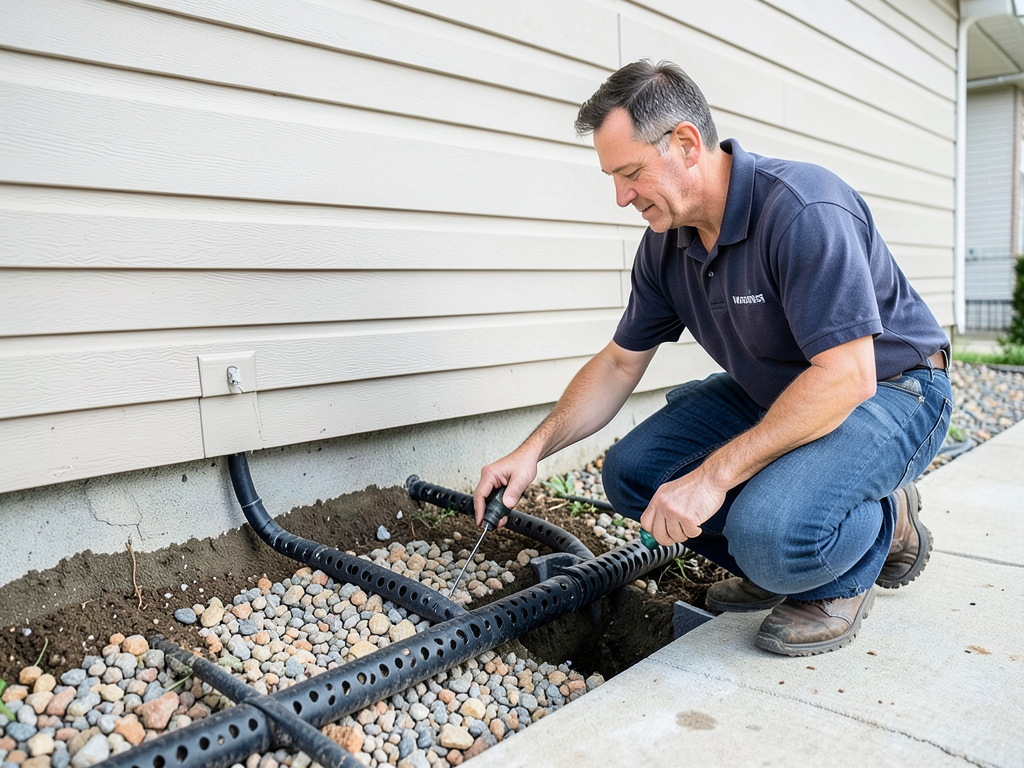
The Best Ways to Fix Poor Yard Drainage That Floods Your Garage in West Indianapolis
Heavy rain can turn your garage floor into a pond within minutes. Standing water damages tools, vehicles, and stored items while creating a perfect environment for mold. In West Indianapolis neighborhoods like Chapel Hill and Ben Davis, flat terrain and dense Indiana clay soil trap runoff near foundations. If your garage floods after every storm, you need targeted drainage solutions before water damages your home’s structure. Who to Call for Emergency Water Damage Restoration in Carmel.
Most garage flooding starts with poor grading that directs water toward the building instead of away from it. When combined with hydrostatic pressure from saturated soil, even small cracks in your garage floor can let gallons of water seep inside. The freeze-thaw cycles common in Central Indiana expand these cracks each winter, making the problem worse year after year. Complete Water Damage Repair for Historic Homes in Meridian-Kessler.
Before you mop up another puddle, understand the specific causes of garage flooding in West Indianapolis and the proven methods to stop it permanently. This guide covers everything from simple DIY fixes to professional waterproofing systems designed for Indiana’s unique climate and soil conditions. Professional Sewage Cleanup and Sanitization Services in Greenwood.
Common Causes of Garage Flooding in West Indianapolis
Understanding why water enters your garage helps you choose the right solution. Several factors work together to create flooding problems in West Indianapolis homes. Emergency Water Removal Services in Noblesville That Respond 24-7.
Poor Landscape Grading Around the Garage
Water always flows downhill following the path of least resistance. When the ground slopes toward your garage instead of away from it, every rainstorm sends runoff directly to your door. This happens when:. Read more about Restoring Water Damage in a Carriage House or Guest Suite in Historic Irvington.
- Soil settles after construction creating a negative slope
- Landscaping changes redirect water toward the building
- Driveway aprons tilt inward instead of outward
Indiana’s heavy clay soil makes grading problems worse. Clay holds water like a sponge and releases it slowly, keeping the ground saturated for days after rain stops. This prolonged saturation increases hydrostatic pressure against your garage floor and walls.
Hydrostatic Pressure and Foundation Cracks
Water weighs about 62 pounds per cubic foot. When soil becomes saturated, it exerts tremendous pressure on your garage’s concrete slab. This hydrostatic pressure forces water through the tiniest cracks and pores in the concrete.
Common entry points include:
- Control joints and expansion gaps
- Cracks from settling or freeze-thaw cycles
- Porous concrete surfaces
- Floor-to-wall joints where water pools
Concrete naturally develops hairline cracks over time. In West Indianapolis, where temperatures swing from below freezing to above 90 degrees, these cracks widen each year as water freezes and expands inside them.
Faulty Garage Door Seals and Thresholds
The transition between your driveway and garage door creates a vulnerable point for water entry. Worn weatherstripping, damaged thresholds, and poor door alignment allow water to seep under the door during heavy rain.
Signs of seal failure include:
- Visible gaps when the door is closed
- Cracked or brittle rubber seals
- Water trails leading from the door inward
- Drafts coming under the door
Even small gaps can let significant water enter during Indiana’s intense summer thunderstorms. A properly sealed garage door should keep out all but the most extreme flooding conditions.
Clogged Gutters and Downspouts
Your home’s gutter system plays a crucial role in garage drainage. When gutters overflow or downspouts dump water too close to the foundation, they create concentrated streams of water that overwhelm the soil’s absorption capacity.
Common gutter problems include:
- Leaves and debris blocking water flow
- Downspouts ending at the foundation
- Improper gutter slope causing standing water
- Disconnected downspout extensions
In West Indianapolis, mature trees drop massive amounts of leaves each fall, making gutter maintenance essential for preventing garage flooding.
Professional Drainage Solutions for West Indianapolis Garages
While DIY fixes help minor problems, professional solutions address the root causes of garage flooding. These methods work with Indiana’s specific soil and climate conditions.
French Drain Installation
A French drain redirects subsurface water away from your garage before it can cause problems. This system consists of a perforated pipe surrounded by gravel, installed in a trench that slopes away from the building.
Installation process includes:
- Excavating a trench 12-18 inches deep along the garage perimeter
- Lining with filter fabric to prevent soil clogging
- Placing perforated pipe with proper slope (1/4 inch per foot)
- Covering with clean gravel and backfilling with soil
- Crack injection with epoxy or polyurethane
- Surface sealants that penetrate concrete pores
- Drainage mats that channel water to collection points
- Sump pump systems for active water removal
- Removing existing soil to proper depth
- Amending clay soil with sand and organic matter to improve drainage
- Creating a slope of at least 6 inches over 10 feet away from the garage
- Installing erosion control measures to prevent washouts
- Channel drains installed across the driveway to intercept runoff
- Swales or shallow ditches along driveway edges
- Permeable pavers that allow water to soak through
- Expansion joint modifications to direct water away
- Wearing rubber boots and gloves
- Using a flashlight instead of standing in water to check circuits
- Avoiding contact with contaminated water from outside sources
- Keeping children and pets away from flooded areas
- Mop and bucket for small areas
- Wet/dry vacuum for larger spaces
- Floor squeegee to direct water toward drains
- Submersible pump with proper discharge hose
- Professional water extraction equipment
- Wet vacuum with pump capability
- Wide shots of the entire flooded area
- Close-ups of water-damaged items
- Measurements of water depth
- Time and date stamps on all media
- Flood water containing bacteria, chemicals, or sewage
- Standing water older than 48 hours (potential mold growth)
- Water that has soaked into walls, insulation, or stored items
- Flooding that affects electrical systems or appliances
- Cracks wider than 1/8 inch in walls or floor
- Doors or windows that stick after flooding
- Visible foundation movement or settling
- Musty odors indicating hidden moisture
- Accurate damage assessment using moisture meters and thermal imaging
- Detailed scope of work with line-item pricing
- Direct communication with insurance adjusters
- Help navigating coverage limitations and exclusions
- Check garage door seals for cracks or gaps
- Clean gutters and extend downspouts at least 6 feet from foundation
- Inspect foundation for new cracks or movement
- Test sump pump operation if you have one
- Clear drainage channels of debris and sediment
- Water sensors near garage door and floor drains
- Humidity monitors to track moisture levels
- Smart home systems that alert you to water presence
- Foundation crack monitoring devices
- Comprehensive drainage system inspection
- Cleaning of French drains and catch basins
- Foundation crack sealing and monitoring
- Grading adjustments as needed
- Emergency response priority service
- Garage door seal replacement: $50-$200
- Extension downspout installation: $20-$50 per downspout
- Concrete crack sealant: $10-$30 per tube
- Gutter cleaning tools and supplies: $50-$100
- French drain installation: $1,500-$4,000
- Garage floor waterproofing: $2,000-$6,000
- Professional grading and soil modification: $1,000-$3,000
- Driveway drainage improvements: $1,200-$3,500
- Avoid mold remediation costs ($2,000-$10,000)
- Protect vehicle and tool investments from water damage
- Maintain property value by preventing foundation problems
- Reduce insurance premiums with proactive measures
- French drain installations affecting public right-of-way
- Structural modifications to foundations
- Electrical work for sump pump installations
- Major grading changes affecting drainage patterns
- Indiana contractor’s license in good standing
- General liability and workers’ compensation insurance
- References from local homeowners with similar projects
- Experience with Indianapolis soil and climate conditions
- Knowledge of local building codes and permit requirements
- How many garage drainage projects have you completed in West Indianapolis?
- What warranty do you offer on your work?
- Can you provide references from recent local projects?
- Do you handle permit applications and inspections?
- What is your timeline for completing this type of project?
French drains work especially well in West Indianapolis where clay soil prevents natural water absorption. The system intercepts water before it reaches your garage foundation.
Garage Floor Waterproofing Systems
Professional waterproofing creates a barrier that prevents water from entering through concrete. Modern systems use multiple layers of protection designed for Indiana’s freeze-thaw cycles.
Waterproofing components include:
These systems comply with International Building Code Section 1805 requirements for below-grade waterproofing in areas with high water tables.
Exterior Grading and Soil Modification
Professional grading reshapes the land around your garage to create positive drainage away from the building. This involves more than just adding topsoil; it requires understanding soil composition and water flow patterns.
Grading process includes:
In West Indianapolis, where clay content often exceeds 40%, soil modification becomes essential for long-term drainage success.
Driveway Drainage Improvements
Your driveway acts as a water collection system during storms. Professional drainage improvements can significantly reduce garage flooding by managing water before it reaches your door.
Driveway solutions include:
These systems work together to prevent the concentrated water flows that overwhelm garage door seals during heavy rain.
Emergency Steps When Your Garage Floods
When water enters your garage, quick action prevents further damage and health hazards. Follow these steps immediately after discovering flooding.
Safety First
Before entering a flooded garage, assess electrical hazards. Water and electricity create deadly combinations. Turn off power at the main breaker if water reaches electrical outlets or appliances.
Safety precautions include:
If you smell gas or see sparks, evacuate immediately and call emergency services.
Water Removal Methods
Remove standing water as quickly as possible to minimize damage. The method depends on water depth and available equipment.
For shallow flooding (less than 1 inch):
For deeper flooding:
Always pump water to an area that won’t cause problems elsewhere on your property.
Damage Assessment and Documentation
Document flood damage thoroughly for insurance purposes. Take photos and videos before cleaning up, showing water levels and affected items.
Documentation should include:
According to International Code Council guidelines, water damage must be addressed within 24-48 hours to prevent mold growth and structural issues.
When to Call Professional Water Damage Restoration
Some garage flooding situations require immediate professional intervention. Recognizing these scenarios protects your health and property value.
Category 2 and 3 Water Contamination
Water from outside sources often contains contaminants that pose health risks. Professional restoration becomes necessary when dealing with:
Category 3 water, which includes sewage and flood water, requires specialized equipment and EPA-approved disinfectants for proper cleanup.
Structural Damage Indicators
Water can compromise your garage’s structural integrity in ways that aren’t immediately visible. Call professionals if you notice:
Structural repairs require engineering expertise and often permits from the Marion County Building Department.
Insurance and Claims Assistance
Professional restoration companies work directly with insurance adjusters to ensure proper coverage. They provide detailed documentation, moisture readings, and scope of work that satisfies insurance requirements.
Benefits of professional claims assistance include:
Many homeowners discover their standard policy doesn’t cover certain types of water damage, making professional guidance essential.
Preventative Maintenance for Long-Term Protection
Regular maintenance prevents most garage flooding problems. These simple steps save money and protect your property from water damage.
Seasonal Inspection Checklist
Perform these inspections at the start of each season to catch problems early:
Indiana’s freeze-thaw cycles make spring and fall inspections particularly important for catching winter damage.
Moisture Monitoring Systems
Early detection prevents minor moisture problems from becoming major floods. Consider installing:
Many modern systems connect to your smartphone, allowing you to respond to problems even when you’re away from home.
Professional Maintenance Agreements
Annual maintenance agreements with drainage professionals provide peace of mind and early problem detection. These services typically include:
Professional maintenance costs less than emergency repairs and extends the life of your drainage systems.
Cost Considerations for Garage Drainage Solutions
Understanding the costs involved helps you budget for both DIY fixes and professional solutions. Prices vary based on problem severity and chosen methods.
DIY Fix Costs
Simple solutions offer immediate relief at lower costs:
While these fixes help minor problems, they rarely solve underlying drainage issues.
Professional Solution Costs
Comprehensive solutions cost more but provide permanent results: Safe and Permanent Mold Remediation for Homes in Broad Ripple.
Many companies offer financing options and can often bill insurance directly for covered damage.
Return on Investment
Professional drainage solutions pay for themselves by preventing costly damage:
Most drainage improvements increase home value by 2-5%, making them worthwhile investments even if flooding never occurs.
Local Building Codes and Permit Requirements
West Indianapolis drainage projects must comply with local regulations. Understanding these requirements prevents costly mistakes and ensures proper installation.
Marion County requires permits for:
Professional contractors handle permit applications and inspections as part of their services. DIY projects may require homeowners to obtain permits directly from the Marion County Building Department.
Indiana’s Residential Code mandates specific requirements for below-grade drainage systems, including minimum pipe sizes, slope requirements, and discharge locations.
Choosing the Right Contractor for Your Garage Drainage Project
Not all contractors have the expertise needed for effective garage drainage solutions. Look for these qualifications when selecting a professional.
Essential Credentials
Verify these credentials before hiring:
Ask to see proof of insurance and licensing before signing any contracts.
Questions to Ask Potential Contractors
Screen contractors thoroughly with these questions:
Be wary of contractors who offer significantly lower prices than others or cannot provide local references.
Frequently Asked Questions
How much does it cost to fix garage flooding in West Indianapolis?
Costs range from $200 for simple DIY fixes to $10,000+ for comprehensive professional solutions. Most homeowners spend $2,000-$5,000 for effective drainage improvements that address the root cause of flooding.
Will my homeowners insurance cover garage flooding damage?
Standard policies typically cover sudden, accidental water damage but not flooding from external sources or poor maintenance. Check your policy for specific exclusions and consider flood insurance if you’re in a high-risk area.
How long does professional garage drainage installation take?
Most projects complete within 2-5 days, depending on complexity. French drain installation takes 2-3 days, while comprehensive waterproofing systems may require 4-5 days including drying time between applications.
Can I fix garage flooding myself or should I hire a professional?
DIY fixes work for minor issues like door seal replacement or gutter cleaning. However, foundation problems, French drains, and waterproofing require professional expertise to ensure proper installation and code compliance.
What’s the best time of year to address garage drainage issues?
Spring and fall offer ideal conditions for drainage work. Spring allows you to prepare for summer storms, while fall installation prevents winter freeze-thaw damage. Avoid mid-summer when clay soil becomes too hard for excavation.
Take Action Before the Next Storm
Garage flooding won’t fix itself. Each storm that enters your garage causes more damage to your foundation, stored items, and home value. The flat terrain and heavy clay soil in West Indianapolis create perfect conditions for water problems that only get worse over time.
Don’t wait until you’re standing in another puddle to take action. Professional assessment can identify the specific causes of your flooding and recommend targeted solutions that work with your property’s unique conditions.
Call (317) 703-7676 today to schedule your garage drainage inspection. Our local experts understand West Indianapolis soil conditions, building codes, and the specific challenges homeowners face in Chapel Hill, Ben Davis, and surrounding neighborhoods. We’ll provide a clear assessment and recommend solutions that stop flooding permanently.
Pick up the phone and call (317) 703-7676 before the next storm hits. Your garage, your belongings, and your peace of mind are worth protecting now.
{
“@context”: “https://schema.org”,
“@type”: “BlogPosting”,
“headline”: “The Best Ways to Fix Poor Yard Drainage That Floods Your Garage in West Indianapolis”,
“description”: “Learn how to stop garage flooding in West Indy. Find local drainage fixes for heavy rain, clay soil, and freeze-thaw damage. Call (317) 703-7676 for emergency help.”,
“wordCount”: 2528,
“datePublished”: “2026-05-30T12:30:00.000Z”,
“dateModified”: “2026-05-30T12:30:00.000Z”,
“inLanguage”: “en-US”,
“mainEntityOfPage”: {
“@type”: “WebPage”,
“@id”: “https://apexwaterdamagerestorationindianapolis.com”
},
“publisher”: {
“@type”: “LocalBusiness”,
“name”: “Apex Water Damage Restoration Indianapolis”,
“url”: “https://apexwaterdamagerestorationindianapolis.com”
},
“author”: {
“@type”: “Organization”,
“name”: “Apex Water Damage Restoration Indianapolis”,
“url”: “https://apexwaterdamagerestorationindianapolis.com”
},
“image”: {
“@type”: “ImageObject”,
“url”: “https://apexwaterdamagerestorationindianapolis.com/wp-content/uploads/2026/03/the-best-ways-to-fix-poor-yard-drainage-that-flood-1.png”
}
}
{
“@context”: “https://schema.org”,
“@type”: “LocalBusiness”,
“name”: “Apex Water Damage Restoration Indianapolis”,
“url”: “https://apexwaterdamagerestorationindianapolis.com”,
“address”: {
“@type”: “PostalAddress”,
“addressLocality”: “Indianapolis”
},
“areaServed”: {
“@type”: “City”,
“name”: “Indianapolis”
}
}
{
“@context”: “https://schema.org”,
“@type”: “FAQPage”,
“mainEntity”: [
{
“@type”: “Question”,
“name”: “How much does it cost to fix garage flooding in West Indianapolis?”,
“acceptedAnswer”: {
“@type”: “Answer”,
“text”: “Costs range from $200 for simple DIY fixes to $10,000+ for comprehensive professional solutions. Most homeowners spend $2,000-$5,000 for effective drainage improvements that address the root cause of flooding.”
}
},
{
“@type”: “Question”,
“name”: “Will my homeowners insurance cover garage flooding damage?”,
“acceptedAnswer”: {
“@type”: “Answer”,
“text”: “Standard policies typically cover sudden, accidental water damage but not flooding from external sources or poor maintenance. Check your policy for specific exclusions and consider flood insurance if you’re in a high-risk area.”
}
},
{
“@type”: “Question”,
“name”: “How long does professional garage drainage installation take?”,
“acceptedAnswer”: {
“@type”: “Answer”,
“text”: “Most projects complete within 2-5 days, depending on complexity. French drain installation takes 2-3 days, while comprehensive waterproofing systems may require 4-5 days including drying time between applications.”
}
},
{
“@type”: “Question”,
“name”: “Can I fix garage flooding myself or should I hire a professional?”,
“acceptedAnswer”: {
“@type”: “Answer”,
“text”: “DIY fixes work for minor issues like door seal replacement or gutter cleaning. However, foundation problems, French drains, and waterproofing require professional expertise to ensure proper installation and code compliance.”
}
},
{
“@type”: “Question”,
“name”: “What’s the best time of year to address garage drainage issues?”,
“acceptedAnswer”: {
“@type”: “Answer”,
“text”: “Spring and fall offer ideal conditions for drainage work. Spring allows you to prepare for summer storms, while fall installation prevents winter freeze-thaw damage. Avoid mid-summer when clay soil becomes too hard for excavation.”
}
}
]
}
{
“@context”: “https://schema.org”,
“@type”: “BreadcrumbList”,
“itemListElement”: [
{
“@type”: “ListItem”,
“position”: 1,
“name”: “Home”,
“item”: “https://apexwaterdamagerestorationindianapolis.com”
},
{
“@type”: “ListItem”,
“position”: 2,
“name”: “Blog”,
“item”: “https://apexwaterdamagerestorationindianapolis.com/blog”
},
{
“@type”: “ListItem”,
“position”: 3,
“name”: “The Best Ways to Fix Poor Yard Drainage That Floods Your Garage in West Indianapolis”
}
]
}
{
“@context”: “https://schema.org”,
“@type”: “Service”,
“serviceType”: “Water Damage Restoration”,
“provider”: {
“@type”: “LocalBusiness”,
“name”: “Apex Water Damage Restoration Indianapolis”,
“url”: “https://apexwaterdamagerestorationindianapolis.com”
},
“areaServed”: {
“@type”: “City”,
“name”: “Indianapolis”
},
“description”: “Learn how to stop garage flooding in West Indy. Find local drainage fixes for heavy rain, clay soil, and freeze-thaw damage. Call (317) 703-7676 for emergency help.”
}