
The Difference Between Clean Gray and Black Water (And Why It Matters)
Water damage in Indianapolis homes and businesses isn’t just about how much water there is. The type of water flooding your property determines the health risks, cleanup procedures, and whether you can safely handle it yourself. Understanding the difference between clean, gray, and black water can protect your family from dangerous pathogens and save you thousands in restoration costs. Who to Call for Emergency Water Damage Restoration in Carmel.
Clean water from a broken pipe might seem harmless, but if left untreated for 24-48 hours, it can transform into contaminated gray water. Gray water can then degrade into black water, which contains sewage and toxic bacteria. This progression happens faster in Indianapolis’s humid summer climate, where temperatures accelerate bacterial growth. Professional Sewage Cleanup and Sanitization Services in Greenwood.
Professional restoration teams use the IICRC S500 Standard to classify water damage. This industry-standard framework helps determine the appropriate response, safety equipment, and disposal methods needed for each situation. The standard also guides insurance adjusters in determining coverage for water damage claims. IICRC S500 Standard for Professional Water Damage Restoration.
Category 1: Clean Water Sources
Clean water, also called Category 1, comes from sanitary sources like broken water supply lines, melting snow, or rainwater that hasn’t contacted contaminated surfaces. This water poses minimal health risks initially and typically doesn’t contain harmful bacteria or chemicals. Complete Water Damage Repair for Historic Homes in Meridian-Kessler.
Common clean water sources include: supply line breaks to sinks or toilets, refrigerator water lines, washing machine water supply hoses, rainwater from roof leaks, and melting ice from frozen pipes. The water looks clear and doesn’t have an odor. Emergency Water Removal Services in Noblesville That Respond 24-7.
However, clean water becomes contaminated quickly. Within 24-48 hours, bacteria begin multiplying, and the water can pick up contaminants from building materials. Temperature and humidity accelerate this process. In Indianapolis’s summer climate, clean water can become gray water in as little as 18 hours.
Clean water damage requires rapid response. While you might be able to handle small clean water spills yourself, larger incidents need professional equipment to prevent mold growth and structural damage. The longer clean water sits, the more expensive the restoration becomes.
Category 2: Gray Water Contamination
Gray water, or Category 2, contains significant contamination and can cause discomfort or illness if contacted or consumed. This water may have chemical, biological, or physical contaminants that make it unsafe for human contact.
Sources of gray water include: dishwasher or washing machine discharge, toilet bowl water with urine but no feces, sump pump failures, aquarium leaks, and water from punctured water beds. The water often appears cloudy and may have a slight odor.. Read more about How to Stop a Flooding Dishwasher Before It Ruins Your Kitchen Cabinets.
Gray water poses several health risks. It can contain detergents, food particles, skin cells, and microorganisms that cause skin irritation, gastrointestinal distress, or respiratory problems. The contamination level increases over time, making rapid response critical.
In Indianapolis homes, gray water often results from appliance failures during peak usage times. A washing machine overflow on laundry day or a dishwasher leak during dinner preparation can release gallons of contaminated water into your home within minutes. EPA guidelines on flood water contamination.
Professional restoration of gray water requires personal protective equipment, antimicrobial treatments, and thorough drying procedures. Porous materials like carpet padding and drywall often need removal and replacement to prevent ongoing contamination.
Category 3: Black Water Hazards
Black water, or Category 3, is highly contaminated water that can cause severe illness or death if ingested. This water contains pathogenic, toxic, or other harmful agents that require professional handling with specialized equipment and safety protocols.
Sources of black water include: sewage backups, toilet overflows with feces, flooding from rivers or streams, ground surface water entering buildings, and water from beyond the toilet trap. The water often appears dark, has a strong odor, and may contain visible debris.
Black water contains dangerous pathogens including E. coli, salmonella, hepatitis viruses, and various parasites. These microorganisms can cause severe gastrointestinal illness, skin infections, and respiratory problems. The contamination also includes chemical hazards from pesticides, heavy metals, and industrial pollutants.
In Indianapolis, black water incidents commonly occur during heavy spring rains when the combined sewer system overflows. The White River and Fall Creek can back up into basements in older neighborhoods like Fountain Square and Irvington, bringing contaminated groundwater and sewage into homes.
Black water restoration requires full hazmat protocols. Technicians wear full-body suits, respirators, and multiple layers of protection. All porous materials must be removed and disposed of as biohazardous waste. The affected area requires extensive cleaning, disinfection, and testing before it’s safe for reoccupation.
Classes of Water Damage Explained
While categories describe water contamination levels, classes describe the rate of evaporation and amount of water present. Understanding both helps determine the scope of restoration needed.
Class 1 involves minimal water absorption, affecting only part of a room with low-permeance materials like concrete or plywood. Class 2 affects an entire room with carpet and water wicked up walls less than 24 inches. Class 3 involves overhead water sources saturating ceilings, walls, insulation, and subfloor.
Class 4 represents specialty drying situations with materials that have very low permeance or porosity, such as hardwood, plaster, or concrete. These situations require special drying methods and longer drying times.
A Category 2 washing machine overflow might be Class 1 if caught immediately, but become Class 2 or 3 if the water spreads through multiple rooms or wicks into walls. The combination of category and class determines the restoration approach and equipment needed.
Health Risks and Safety Concerns
Each water category poses different health risks that escalate with time and temperature. Clean water can cause slip hazards and promote mold growth within 24-48 hours. Gray water exposure can cause skin rashes, eye irritation, and gastrointestinal illness.
Black water exposure carries severe risks including hepatitis, tetanus, and various bacterial infections. The pathogens in black water can survive on surfaces for weeks without proper disinfection. Even indirect contact through contaminated shoes or clothing can spread these hazards throughout your home.
Mold growth represents another serious health concern. All water categories can lead to mold if not properly dried within 24-48 hours. Indianapolis’s humid climate makes mold growth more rapid and widespread than in drier regions. Black mold, in particular, can cause severe respiratory problems and allergic reactions.
Children, elderly individuals, and people with compromised immune systems face the highest risks from water contamination. Pets are also vulnerable to waterborne pathogens and can track contamination throughout your home.
Indianapolis Water Damage Scenarios
Indianapolis’s unique climate and infrastructure create specific water damage patterns. Heavy spring rains combined with the city’s combined sewer system often overwhelm drainage capacity in older neighborhoods. This leads to basement flooding and sewer backups that introduce black water into homes.
Freeze-thaw cycles in winter cause pipe bursts when temperatures fluctuate around freezing. These incidents typically produce clean water initially, but if the break occurs in a wall cavity or under flooring, the water can become contaminated with insulation fibers, dust, and building materials.
Summer thunderstorms bring rapid water accumulation that can overwhelm sump pumps and French drains. Homes in low-lying areas near the White River or Fall Creek face increased risk of groundwater intrusion, which often contains contaminants from the surrounding soil.
Commercial properties in downtown Indianapolis face different challenges. High-rise buildings with complex plumbing systems can experience clean water incidents that affect multiple floors. A broken supply line on the 10th floor can flood units all the way to the basement.
Professional Assessment Process
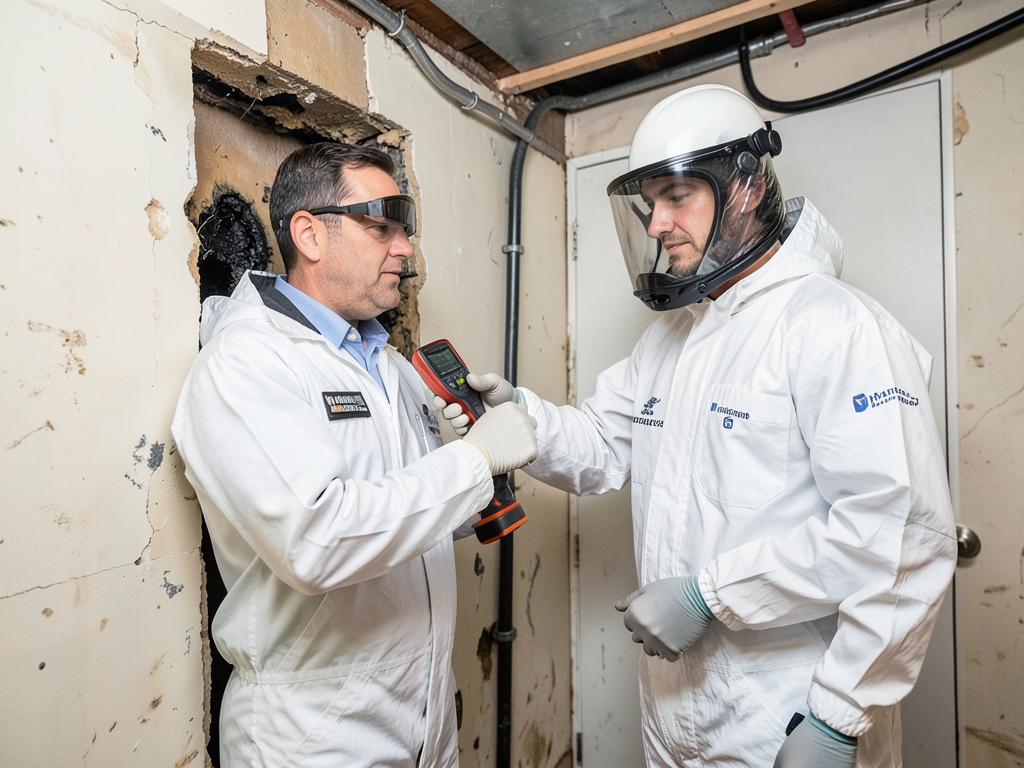
Professional restoration teams follow a systematic approach to assess water damage. The process begins with identifying the water category using visual inspection, moisture meters, and sometimes laboratory testing for contamination levels.
Technicians check for hidden moisture using thermal imaging cameras that detect temperature differences behind walls and under flooring. This helps identify the full extent of damage that isn’t visible to the naked eye. Moisture meters measure water content in materials to determine drying requirements.
The assessment includes checking for structural damage, electrical hazards, and potential contamination spread. Teams look for water migration patterns to determine how far contamination has traveled and what materials need removal or treatment.
Based on the assessment, professionals develop a restoration plan that addresses both immediate water removal and long-term drying needs. The plan includes safety protocols, equipment requirements, and timeline estimates for returning the property to pre-loss condition.
DIY vs. Professional Restoration
Small clean water incidents might be manageable as DIY projects. A minor sink overflow that’s cleaned up within an hour and dried thoroughly with fans might not require professional help. However, the decision to go DIY should consider several factors.
Size matters significantly. Any incident affecting more than 10 square feet or involving water that has been standing for more than 24 hours should be handled professionally. The risk of mold growth and structural damage increases dramatically with time and area affected.
Contamination level is another critical factor. Never attempt to clean up gray or black water yourself. These situations require professional equipment, safety protocols, and disposal methods to protect your health and prevent cross-contamination.
Hidden damage represents a major concern with DIY approaches. Water can travel through wall cavities, under flooring, and into insulation where it’s not visible. Without professional moisture detection equipment, you might miss areas that continue to cause problems long after the visible water is gone. Steps to Take After a Flood.
Insurance coverage is another consideration. Many policies require professional documentation of water damage for claims to be valid. DIY cleanup might void your coverage or leave you without proof of the damage extent.
Insurance and Documentation
Insurance coverage for water damage varies significantly based on the water category and source. Clean water from sudden pipe breaks is typically covered under standard homeowners policies. However, groundwater flooding and sewer backups often require additional coverage.
Documentation is crucial for insurance claims. Professional restoration teams provide detailed reports including water category determination, damage extent, restoration procedures performed, and before-and-after moisture readings. This documentation supports your claim and helps ensure proper compensation.
Category 3 water damage often involves complex insurance situations. Many policies have specific exclusions or limits for sewage backups and groundwater flooding. Understanding your coverage before an incident occurs can help you make informed decisions about restoration approaches.
Time is critical for insurance purposes. Most policies require prompt reporting of water damage and have specific timeframes for filing claims. Delayed reporting can result in claim denial, especially if the damage worsens due to inaction.
Prevention and Protection
Preventing water damage starts with understanding your property’s vulnerabilities. Regular maintenance of plumbing systems, appliances, and drainage can prevent many common water incidents. However, some risks are beyond individual control.
Indianapolis’s combined sewer system creates unique challenges for older homes. Installing backflow preventers and maintaining proper drainage around your foundation can reduce the risk of sewer backups and groundwater intrusion. However, extreme weather events can still overwhelm these protections.
Smart home technology offers new prevention options. Water leak detectors can alert you to problems before they become major incidents. Automatic shutoff valves can stop water flow when leaks are detected, limiting damage even when you’re away from home.
Professional inspections can identify potential problems before they cause damage. Plumbers can check for pipe corrosion, appliance connections can be inspected for wear, and drainage systems can be evaluated for proper function.
Frequently Asked Questions
How quickly does clean water become contaminated?
Clean water typically becomes contaminated within 24-48 hours, but this timeframe shortens in warm, humid conditions. Indianapolis’s summer climate can accelerate contamination to as little as 18 hours. The presence of organic materials, temperature, and air circulation all affect the degradation rate.
Can I save carpet and padding after a water incident?
The answer depends on the water category and exposure time. Clean water affecting carpet for less than 24 hours might be salvageable with professional cleaning and drying. However, carpet and padding exposed to gray or black water must be removed and replaced due to contamination risks.
What should I do immediately after discovering water damage?
First, ensure safety by turning off electricity to affected areas if safe to do so. Stop the water source if possible. Remove valuable items from the affected area. Document the damage with photos for insurance purposes. For any gray or black water, or incidents larger than 10 square feet, call professionals immediately.
How long does professional water damage restoration take?
Restoration timelines vary based on the category, class, and extent of damage. Clean water Class 1 incidents might take 3-5 days. Category 3 incidents involving black water can take 7-14 days or longer, especially if structural repairs are needed. The drying process alone typically takes 3-5 days minimum.
Will my insurance cover all water damage restoration costs?
Coverage depends on your policy and the water source. Sudden pipe breaks are typically covered, but groundwater flooding and sewer backups often require additional coverage. Category 3 water damage may have specific limits or exclusions. Review your policy and consult with your insurance agent to understand your coverage.
Take Action Before Water Damage Escalates
Understanding water categories helps you make informed decisions during a crisis. Clean water might seem harmless, but waiting too long can turn a simple cleanup into a major restoration project with serious health risks. Gray water requires immediate professional attention, while black water demands hazmat-level response.
Indianapolis’s climate and infrastructure create specific water damage patterns that residents should understand. From combined sewer overflows to freeze-thaw pipe bursts, local conditions affect both the likelihood and severity of water incidents.
Don’t wait until contaminated water threatens your family’s health. Professional assessment can determine the water category, identify hidden damage, and create a restoration plan that protects your property and your loved ones. The cost of professional help is far less than the potential health risks and property damage from improper cleanup.
Pick up the phone and call (317) 703-7676 before the next storm hits. Our certified technicians are available 24/7 to assess your water damage situation and provide the expert restoration services you need. Don’t let contaminated water compromise your home’s safety and your family’s health.
Whether you’re dealing with a clean water pipe break or a black water sewage backup, professional help ensures proper cleanup, documentation for insurance, and protection against ongoing problems like mold growth. Call (317) 703-7676 today to schedule your inspection and take the first step toward restoring your property to safe, pre-loss condition.
You may also find this helpful. Salvaging Electronics and Documents After a Pipe Burst in a Southport Office.