
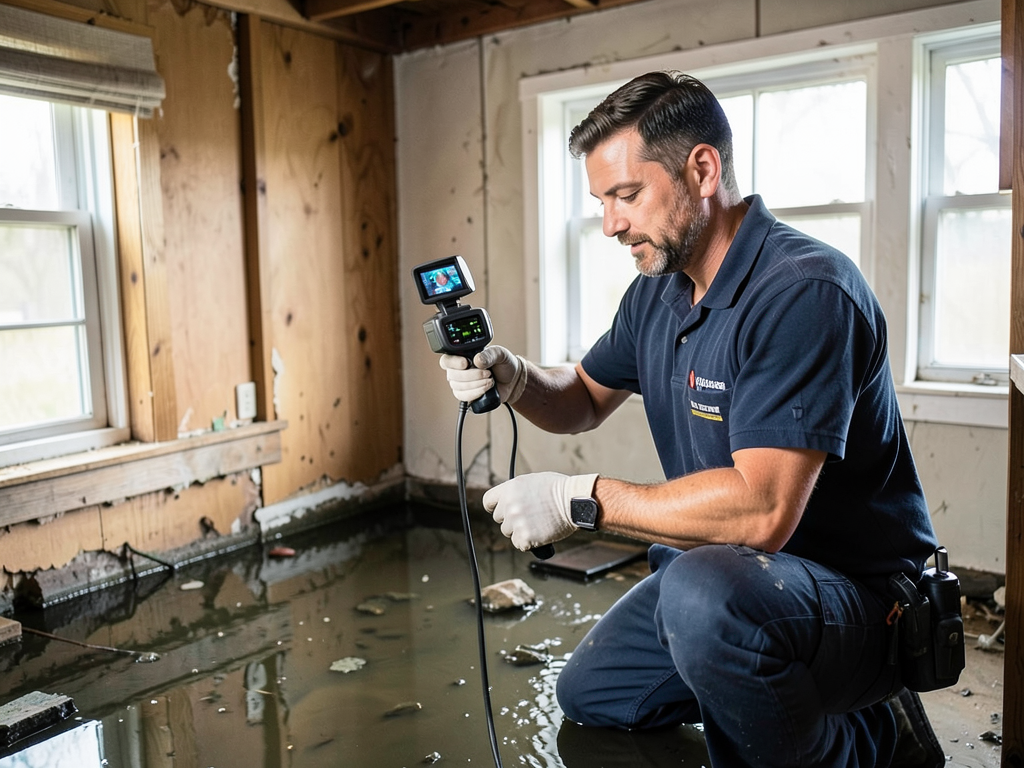
Understanding Why Your Standard Insurance Might Not Cover a Sump Pump Overflow in Greenwood
Standard homeowners insurance policies in Greenwood typically exclude sump pump failures because they view water backup as a maintenance issue rather than sudden accidental damage. When your sump pump fails during a heavy rain event, you might discover that the $10,000 cleanup cost falls entirely on you. This coverage gap affects hundreds of Greenwood homeowners each year, especially in neighborhoods with older clay sewer systems and high water tables near the White River floodplain. Who to Call for Emergency Water Damage Restoration in Carmel.
Indiana’s spring storms combined with Greenwood’s aging infrastructure create a perfect storm for basement flooding. The city’s combined sewer system struggles during heavy rainfall, and many homes built before 2000 have sump pumps that can’t handle the volume. Understanding your policy’s limitations before disaster strikes can save you thousands in out-of-pocket expenses and prevent the stress of navigating a denied claim. Indiana Department of Insurance.
Is Sump Pump Failure Covered by Standard Homeowners Insurance?
Standard homeowners insurance policies in Indiana do not cover sump pump failures under the basic coverage. Insurance companies classify sump pump water damage as a maintenance issue rather than sudden accidental damage. This means if your pump burns out, gets clogged, or simply can’t keep up with rainfall, you’re on the hook for repairs and cleanup. Complete Water Damage Repair for Historic Homes in Meridian-Kessler.
The exclusion exists because insurance carriers view sump pumps as mechanical equipment that requires homeowner maintenance. Unlike a burst pipe that happens suddenly and without warning, a failing sump pump often shows warning signs like unusual noises or reduced pumping capacity. Insurance companies argue that proper maintenance could prevent most failures.
Greenwood homeowners face additional risks due to the city’s aging infrastructure. Many homes in older neighborhoods like Old Towne and Westhaven have original sump systems that weren’t designed for today’s rainfall patterns. The combination of outdated equipment and increased storm intensity creates a coverage nightmare when the inevitable failure occurs.
Water Backup vs. Flood Insurance: What Indianapolis Residents Need to Know
Water backup coverage and flood insurance serve different purposes in Indiana. Water backup coverage protects against sewer line backups and sump pump failures, while flood insurance covers rising groundwater from external sources like rivers and lakes. Understanding this distinction is crucial for Greenwood homeowners. Emergency Water Removal Services in Noblesville That Respond 24-7.
Water backup endorsements typically cover damage from sewer lines, drains, and sump pump overflow. These policies usually have limits between $5,000 and $25,000, depending on your carrier and chosen coverage level. The endorsement costs $50 to $150 annually, making it one of the most affordable insurance additions.
Flood insurance through the National Flood Insurance Program (NFIP) covers damage from external water sources like the White River or heavy rainfall that saturates the ground around your foundation. However, flood insurance won’t cover your sump pump failing to keep up with water pressure. You need both coverages for complete protection in flood-prone areas.
Top 5 Reasons Sump Pump Claims are Denied
Maintenance issues top the list of denied claims. Insurance adjusters look for signs of neglect like dirty intake screens, corroded wiring, or lack of battery backup systems. If your pump hasn’t been serviced in years, expect a denial based on failure to maintain equipment properly.
Gradual damage clauses catch many homeowners off guard. If water slowly seeps into your basement over weeks or months, insurance considers this a maintenance issue rather than sudden damage. The slow deterioration of your foundation or walls from chronic moisture won’t trigger coverage, even if the final collapse seems dramatic.
Lack of battery backup systems becomes problematic during power outages. Most sump pump failures occur during severe storms when electricity goes out. If your pump doesn’t have a battery backup and the power fails, insurance may deny the claim since you didn’t take reasonable precautions against known risks.
Incorrect installation or undersized equipment also leads to denials. If your pump was installed without proper permits or doesn’t meet current Indiana Residential Code requirements, insurance companies can argue that the failure resulted from non-compliant work rather than a covered peril.
Missing or lapsed coverage endorsements create the most obvious denials. Many homeowners assume they have water backup coverage when they actually only have the basic policy. When disaster strikes, they discover the $15,000 cleanup cost isn’t covered because they never added the endorsement to their policy.
How to Document Sump Pump Damage for an Insurance Claim
Documenting damage properly can mean the difference between approval and denial. Start by taking clear photos of the water level, damaged items, and the failed pump itself. Include wide shots showing the extent of flooding and close-ups of water marks on walls and furniture.
Professional assessment matters more than you might think. Insurance companies give more weight to damage reports from certified water mitigation specialists who follow IICRC S500 standards. These professionals can distinguish between gradual and sudden damage, which often determines claim approval. IICRC Water Damage Restoration Standards.
Mitigation logs prove you took reasonable steps to prevent further damage. Document every action you take, from shutting off electricity to moving valuables to higher ground. Insurance expects you to mitigate damages, and your documentation shows you acted responsibly during the crisis. Steps to Take After a Flood.
Keep all receipts for emergency services, temporary housing, and damaged items. Insurance adjusters need proof of loss to calculate your claim. Without documentation, you might only receive a fraction of your actual losses or face a complete denial.
Time stamps on photos and videos can prove invaluable. Modern smartphones automatically add date and time information to media files. This documentation can show when flooding began and how quickly you responded, which helps establish the suddenness required for many insurance claims.. Read more about The Most Reliable Smart Leak Detectors for Protecting Your Home in Noblesville.
Emergency Water Damage Restoration in Indianapolis
When your sump pump fails in Greenwood, every hour matters. Water continues to damage your home’s structure, and mold can begin growing within 24-48 hours in Indiana’s humid climate. Professional restoration teams understand the urgency and arrive equipped to stop the damage immediately. Professional Sewage Cleanup and Sanitization Services in Greenwood.
Certified water damage restoration companies in Indianapolis work directly with Indiana insurance adjusters from State Farm, Liberty Mutual, and other major carriers. They speak the same language and understand what documentation insurance companies require. This expertise can streamline your claim process and ensure you receive maximum coverage.
Professional teams use commercial-grade equipment that homeowners can’t rent from local stores. Industrial pumps, dehumidifiers, and air movers can remove water and moisture much faster than consumer-grade equipment. This speed prevents secondary damage like mold growth and structural weakening.
The restoration process includes water extraction, structural drying, sanitization, and often reconstruction. Each step requires specific expertise and equipment. Attempting DIY restoration often leads to incomplete drying, which creates perfect conditions for mold growth behind walls and under floors.
Insurance companies prefer working with certified restoration companies because they provide detailed documentation and follow industry standards. This documentation often speeds up claim approval and ensures you receive proper compensation for all necessary repairs.
Common Coverage Gaps and How to Fix Them
Most Greenwood homeowners discover their coverage gaps only after disaster strikes. The average water backup claim in Marion County ranges from $5,000 to $25,000, but many policies only cover $5,000 to $10,000. This leaves homeowners responsible for thousands in uncovered expenses.
Adding a water backup and sump discharge endorsement costs $50 to $150 annually but can save you from catastrophic out-of-pocket expenses. This relatively small investment provides coverage for the most common basement flooding scenarios in Indiana homes.
Battery backup systems represent another critical gap. Most standard sump pumps fail during power outages, which often coincide with severe storms. A battery backup system costs $300 to $600 but can prevent thousands in damage when the power goes out during heavy rainfall.
Regular maintenance represents the cheapest gap to fix. Annual sump pump inspections cost $75 to $150 and can identify worn bearings, clogged intakes, or inadequate pumping capacity before failure occurs. This preventative maintenance often satisfies insurance requirements for proper equipment care.
Understanding your policy’s specific exclusions helps you make informed decisions about additional coverage. Some policies exclude groundwater seepage while others exclude mechanical failures. Reading your policy’s fine print reveals exactly what’s covered and what gaps need addressing.
Preventative Measures That Protect Your Home and Your Wallet
Installing a secondary sump pump provides backup protection when your primary pump fails. This dual-pump system costs $800 to $1,500 but can prevent catastrophic flooding during heavy storms. Many Greenwood homes benefit from this redundancy, especially those in flood-prone areas near streams and low-lying areas.
Water alarms alert you to problems before major damage occurs. These devices cost $30 to $100 and can detect rising water levels in your sump pit or basement. Early warning allows you to address issues before they become insurance claims.
Regular testing of your sump system prevents surprise failures. Test your pump monthly by pouring water into the pit until the float activates. This simple test ensures your system works when you need it most. Replace your pump every 7-10 years, even if it seems to work fine.
Proper grading around your home directs water away from your foundation. Ensure soil slopes away from your house at a rate of 6 inches per 10 feet. This simple landscaping technique reduces the load on your sump pump during heavy rains.
Clean your gutters and downspouts regularly to prevent overflow that can saturate soil around your foundation. Extend downspouts at least 6 feet from your home to direct water away from your basement walls. These simple maintenance tasks significantly reduce your flood risk.
Understanding Your Rights as an Indiana Homeowner
Indiana insurance law requires carriers to handle claims in good faith and provide clear explanations for denials. If your claim is denied, you have the right to request a detailed explanation and appeal the decision. Understanding these rights helps you navigate the claims process more effectively.
The Indiana Department of Insurance regulates insurance companies and investigates complaints about unfair claim practices. If you believe your claim was unfairly denied, you can file a complaint with the state agency. This oversight helps ensure insurance companies follow state regulations and treat policyholders fairly.
Documentation requirements vary by carrier but generally include proof of loss, damage estimates, and mitigation efforts. Understanding what your insurance company needs helps you provide complete documentation the first time, which speeds up claim processing and approval.
Time limits for filing claims vary by policy but typically range from 30 to 90 days after the damage occurs. Missing these deadlines can result in automatic denial, even if you have valid coverage. Mark your calendar when damage occurs and begin the claims process immediately.
Working with professionals who understand Indiana insurance requirements can make the difference between approval and denial. Restoration companies familiar with local insurance practices know what documentation carries the most weight with Indiana adjusters.
Frequently Asked Questions
Does homeowners insurance cover sump pump failure in Greenwood?
No standard homeowners insurance does not cover sump pump failures. You need a separate water backup and sump discharge endorsement to get coverage for pump failures and related water damage.
How much does water backup coverage cost in Indiana?
Water backup coverage typically costs $50 to $150 annually in Indiana, depending on your coverage limits and insurance carrier. Most policies offer limits between $5,000 and $25,000.
What should I do immediately after my sump pump fails?
Shut off electricity to the affected area, remove valuables from the water, and document the damage with photos and videos. Contact a professional restoration company immediately to prevent mold growth and structural damage.
How can I prevent sump pump failures?
Install a battery backup system, test your pump monthly, replace it every 7-10 years, and schedule annual professional maintenance. Consider adding a secondary pump for redundancy in flood-prone areas.
Will insurance cover mold damage from sump pump failure?
Standard policies typically exclude mold damage unless it results from a covered peril. Water backup coverage may cover mold if the initial water damage was covered, but gradual mold growth is usually excluded.
Take Action Before Disaster Strikes
Understanding your insurance coverage gaps today can save you thousands tomorrow. Many Greenwood homeowners discover their sump pump failures aren’t covered only after their basements flood during the next big storm. Don’t wait for disaster to strike.
Call (317) 703-7676 today to schedule a free insurance coverage review with our water damage restoration experts. We’ll help you understand your policy’s limitations and recommend cost-effective solutions to protect your home. Our team works with all major Indiana insurance carriers and can help you navigate the claims process when emergencies occur.
Pick up the phone and call (317) 703-7676 before the next storm hits. A 30-minute consultation could save you from a $15,000 out-of-pocket expense and the stress of dealing with insurance denials during a crisis. Your home deserves complete protection, and we’re here to help you achieve it.
{
“@context”: “https://schema.org”,
“@type”: “BlogPosting”,
“headline”: “Understanding Why Your Standard Insurance Might Not Cover a Sump Pump Overflow in Greenwood”,
“description”: “Learn why standard homeowners insurance often excludes sump pump failures in Greenwood. Discover coverage gaps, endorsement options, and what to do when your basement floods.”,
“wordCount”: 2178,
“datePublished”: “2026-06-03T06:12:00.000Z”,
“dateModified”: “2026-06-03T06:12:00.000Z”,
“inLanguage”: “en-US”,
“mainEntityOfPage”: {
“@type”: “WebPage”,
“@id”: “https://apexwaterdamagerestorationindianapolis.com”
},
“publisher”: {
“@type”: “LocalBusiness”,
“name”: “Apex Water Damage Restoration Indianapolis”,
“url”: “https://apexwaterdamagerestorationindianapolis.com”
},
“author”: {
“@type”: “Organization”,
“name”: “Apex Water Damage Restoration Indianapolis”,
“url”: “https://apexwaterdamagerestorationindianapolis.com”
},
“image”: {
“@type”: “ImageObject”,
“url”: “https://apexwaterdamagerestorationindianapolis.com/wp-content/uploads/2026/03/understanding-why-your-standard-insurance-might-no-1.png”
}
}
{
“@context”: “https://schema.org”,
“@type”: “LocalBusiness”,
“name”: “Apex Water Damage Restoration Indianapolis”,
“url”: “https://apexwaterdamagerestorationindianapolis.com”,
“address”: {
“@type”: “PostalAddress”,
“addressLocality”: “Indianapolis”
},
“areaServed”: {
“@type”: “City”,
“name”: “Indianapolis”
}
}
{
“@context”: “https://schema.org”,
“@type”: “FAQPage”,
“mainEntity”: [
{
“@type”: “Question”,
“name”: “Is Sump Pump Failure Covered by Standard Homeowners Insurance?”,
“acceptedAnswer”: {
“@type”: “Answer”,
“text”: “Standard homeowners insurance policies in Indiana do not cover sump pump failures under the basic coverage. Insurance companies classify sump pump water damage as a maintenance issue rather than sudden accidental damage. This means if your pump burns out, gets clogged, or simply can’t keep up with rainfall, you’re on the hook for repairs and cleanup. Complete Water Damage Repair for Historic Homes in Meridian-Kessler.”
}
},
{
“@type”: “Question”,
“name”: “Does homeowners insurance cover sump pump failure in Greenwood?”,
“acceptedAnswer”: {
“@type”: “Answer”,
“text”: “No standard homeowners insurance does not cover sump pump failures. You need a separate water backup and sump discharge endorsement to get coverage for pump failures and related water damage.”
}
},
{
“@type”: “Question”,
“name”: “How much does water backup coverage cost in Indiana?”,
“acceptedAnswer”: {
“@type”: “Answer”,
“text”: “Water backup coverage typically costs $50 to $150 annually in Indiana, depending on your coverage limits and insurance carrier. Most policies offer limits between $5,000 and $25,000.”
}
},
{
“@type”: “Question”,
“name”: “What should I do immediately after my sump pump fails?”,
“acceptedAnswer”: {
“@type”: “Answer”,
“text”: “Shut off electricity to the affected area, remove valuables from the water, and document the damage with photos and videos. Contact a professional restoration company immediately to prevent mold growth and structural damage.”
}
},
{
“@type”: “Question”,
“name”: “How can I prevent sump pump failures?”,
“acceptedAnswer”: {
“@type”: “Answer”,
“text”: “Install a battery backup system, test your pump monthly, replace it every 7-10 years, and schedule annual professional maintenance. Consider adding a secondary pump for redundancy in flood-prone areas.”
}
},
{
“@type”: “Question”,
“name”: “Will insurance cover mold damage from sump pump failure?”,
“acceptedAnswer”: {
“@type”: “Answer”,
“text”: “Standard policies typically exclude mold damage unless it results from a covered peril. Water backup coverage may cover mold if the initial water damage was covered, but gradual mold growth is usually excluded.”
}
}
]
}
{
“@context”: “https://schema.org”,
“@type”: “BreadcrumbList”,
“itemListElement”: [
{
“@type”: “ListItem”,
“position”: 1,
“name”: “Home”,
“item”: “https://apexwaterdamagerestorationindianapolis.com”
},
{
“@type”: “ListItem”,
“position”: 2,
“name”: “Blog”,
“item”: “https://apexwaterdamagerestorationindianapolis.com/blog”
},
{
“@type”: “ListItem”,
“position”: 3,
“name”: “Understanding Why Your Standard Insurance Might Not Cover a Sump Pump Overflow in Greenwood”
}
]
}
{
“@context”: “https://schema.org”,
“@type”: “Service”,
“serviceType”: “Water Damage Restoration”,
“provider”: {
“@type”: “LocalBusiness”,
“name”: “Apex Water Damage Restoration Indianapolis”,
“url”: “https://apexwaterdamagerestorationindianapolis.com”
},
“areaServed”: {
“@type”: “City”,
“name”: “Indianapolis”
},
“description”: “Learn why standard homeowners insurance often excludes sump pump failures in Greenwood. Discover coverage gaps, endorsement options, and what to do when your basement floods.”
}