
What to Do When Your Toilet Overflows and Drips Through the Ceiling in Fishers
Water from a toilet overflow creates a Category 3 biohazard that requires immediate professional cleanup to protect your health and property. When sewage backs up and drips through ceilings in Fishers homes, the contamination spreads rapidly through porous materials like drywall, insulation, and carpet. You need emergency response within 60 minutes to prevent structural damage and dangerous pathogen exposure. Who to Call for Emergency Water Damage Restoration in Carmel.
Our IICRC-certified team provides 24/7 emergency cleanup throughout Fishers and surrounding areas. We arrive with commercial-grade extraction equipment, antimicrobial treatments, and moisture detection technology to restore your home safely. Call (317) 703-7676 now for immediate assistance. Emergency Water Removal Services in Noblesville That Respond 24-7.
Emergency Steps When Toilet Water Floods Through Your Ceiling
Stop the water flow immediately to prevent further damage. Locate the toilet’s shut-off valve behind the base and turn it clockwise. If you cannot find it, shut off the main water supply to your home at the meter. Remove children and pets from the affected area since sewage contains harmful bacteria including E. coli and Salmonella. Professional Sewage Cleanup and Sanitization Services in Greenwood.
Place buckets under ceiling drips to catch falling water. Do not touch contaminated surfaces with bare hands. Document the damage with photos for your insurance claim. Open windows for ventilation but avoid using fans that could spread contaminated droplets through your home’s air system. Complete Water Damage Repair for Historic Homes in Meridian-Kessler.
Call (317) 703-7676 immediately. Category 3 water requires professional-grade antimicrobial treatment and structural drying that household cleaners cannot provide. Our team arrives within 60 minutes with proper PPE and containment equipment to prevent cross-contamination to unaffected areas.
Why Toilet Overflow Creates Category 3 Biohazard Conditions
Category 3 water contains sewage, bacteria, and viruses that pose serious health risks. When toilet water backs up through drains and seeps through ceilings, it carries pathogens from waste materials into your living spaces. The contamination spreads through porous building materials that absorb moisture and harbor bacteria.
Indianapolis area homes often have aging clay sewer pipes that crack and allow tree roots to penetrate. During heavy rains, these compromised pipes cannot handle increased flow, causing backups that force contaminated water into homes. The clay soil common in Fishers expands when saturated, putting pressure on underground plumbing and creating weak points where sewage can escape.
Structural materials affected by Category 3 water must be removed and replaced according to IICRC S500 standards. Drywall absorbs contaminated water up to 24 inches above the visible damage line. Insulation in ceiling cavities becomes a breeding ground for bacteria and must be completely removed. Wood framing may require antimicrobial treatment to prevent mold growth within 24-48 hours.
Professional Sewage Cleanup Process for Ceiling Damage
Our restoration process follows strict protocols to ensure complete decontamination. We begin with moisture mapping using infrared cameras to identify all affected areas, including hidden water in wall cavities and ceiling spaces. This diagnostic step prevents future mold growth by ensuring no contaminated areas remain untreated.
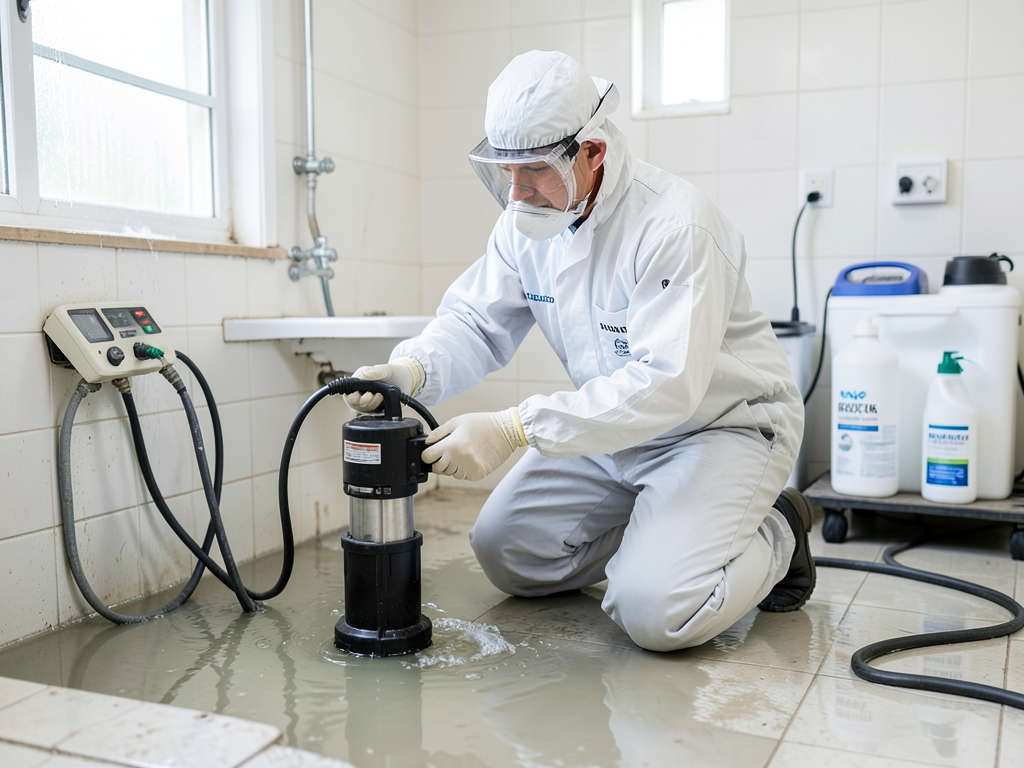
Water extraction uses commercial-grade submersible pumps and truck-mounted extraction units capable of removing thousands of gallons per hour. We then apply EPA-registered antimicrobial treatments to all affected surfaces. These hospital-grade disinfectants kill 99.9% of bacteria and viruses that cause illness. EPA emergency disinfection guidelines.
Structural drying involves industrial dehumidifiers and air movers that create airflow patterns to evaporate moisture from building materials. We monitor moisture levels daily using moisture meters to ensure materials return to safe levels below 15% moisture content. This prevents secondary damage like warping, swelling, and mold colonization.
Deodorization eliminates sewage odors using hydroxyl generators and ozone treatments. These systems break down odor molecules at the molecular level rather than masking smells with fragrances. The process typically takes 24-72 hours depending on contamination severity and building size.
Insurance Coverage for Toilet Overflow and Ceiling Damage
Most homeowners insurance policies cover sudden toilet overflow damage but exclude ongoing maintenance issues. The key distinction is whether the overflow was caused by a sudden pipe break versus gradual deterioration. Sewage backup coverage requires a separate endorsement on your policy, which many Fishers homeowners lack.
Document everything immediately after discovering the damage. Take photos of the overflow source, ceiling damage, and any affected personal belongings. Keep all damaged items unless they pose a health hazard. Your insurance adjuster will need evidence to process your claim quickly.
We work directly with insurance companies to streamline the claims process. Our team provides detailed damage assessments, moisture mapping reports, and restoration plans that meet insurance company requirements. We can often begin emergency cleanup before you reach your deductible, preventing further damage while you handle insurance paperwork.
Category 3 water damage typically requires professional assessment to determine coverage eligibility. Our technicians can identify whether the damage stems from a covered peril like a burst pipe or an excluded maintenance issue. This expertise helps you understand your coverage before filing a claim.
Preventing Future Toilet Overflow and Ceiling Damage
Regular plumbing maintenance prevents most toilet overflow incidents. Have your sewer lines inspected annually using video camera technology to identify tree root intrusion, pipe cracks, or blockages before they cause backups. Many Fishers homes built before 2000 have clay sewer pipes that require more frequent inspection.
Install a backwater valve on your main sewer line to prevent city sewer backups from entering your home during heavy rainfall. These devices automatically close when water flows in the wrong direction, protecting your basement and lower levels from contamination. The installation costs $1,500-3,000 but prevents thousands in damage.
Consider a whole-house water alarm system that detects moisture in areas prone to leaks. These systems can automatically shut off your main water supply when they detect abnormal moisture levels, preventing extensive damage from burst pipes or appliance failures. Smart home integration allows you to monitor your home’s water usage remotely.
Replace old toilets with modern low-flow models that have improved flushing mechanisms and overflow protection. Newer toilets use pressure-assisted flushing that reduces clog frequency and includes overflow tubes that direct excess water into the bowl rather than onto your floor.
Health Risks of Untreated Sewage Contamination
Category 3 water contains pathogens that cause serious illnesses including hepatitis A, giardia, and cryptosporidium. These microorganisms survive in porous materials for weeks if not properly treated. Children, elderly individuals, and those with compromised immune systems face the highest risk of infection from sewage exposure.
Respiratory issues develop when mold grows in water-damaged materials. Stachybotrys chartarum, commonly called black mold, produces mycotoxins that cause chronic fatigue, headaches, and respiratory distress. The warm, moist environment created by ceiling water damage provides ideal conditions for mold growth within 24-48 hours.
Skin infections occur when people touch contaminated surfaces then touch their face or eat without washing hands. Even small amounts of sewage exposure can cause gastrointestinal illness with symptoms including vomiting, diarrhea, and fever. Professional decontamination eliminates these health hazards by removing contaminated materials and treating remaining surfaces.
Air quality testing after restoration ensures your home is safe for occupancy. We use particle counters and air sampling to verify that no harmful microorganisms remain in your indoor environment. This testing provides documentation for insurance claims and peace of mind for your family’s health.
Complete Restoration Timeline for Ceiling Damage
Emergency response begins within 60 minutes of your call. Our team arrives with containment equipment to prevent cross-contamination to unaffected areas. The first 24 hours focus on water extraction, antimicrobial treatment, and initial drying setup. This rapid response prevents mold growth and secondary damage.
Days 2-4 involve intensive drying with commercial dehumidifiers and air movers. We monitor moisture levels twice daily using moisture meters to track progress. Most structural materials dry within 72 hours, though hardwood floors and concrete may require additional time.
Days 5-7 include demolition of irreparably damaged materials like saturated drywall, insulation, and flooring. We remove these materials while wearing full PPE to prevent exposure to remaining contaminants. The demolition process typically generates significant dust, which we contain using plastic barriers and negative air pressure.
Days 8-14 focus on reconstruction and final cleaning. We install new drywall, paint, replace flooring, and restore your home to pre-loss condition. Final cleaning includes HEPA vacuuming all surfaces and air duct cleaning if contamination spread through your HVAC system. Peeling Paint & Wallpaper.
The complete restoration process typically takes 2-3 weeks depending on damage extent and material availability. We provide daily updates and coordinate with your insurance adjuster throughout the process.
Why Choose Professional Restoration Over DIY Cleanup
DIY cleanup cannot eliminate Category 3 contamination effectively. Household cleaners lack the antimicrobial strength to kill sewage-borne pathogens. Porous materials like drywall and insulation absorb contaminants beyond surface level, requiring complete removal rather than cleaning.
Professional equipment extracts water from materials that household fans cannot reach. Our industrial dehumidifiers remove moisture from wall cavities, ceiling spaces, and subfloors where DIY methods leave hidden dampness. This incomplete drying leads to mold growth and structural deterioration within days.
Proper PPE protects technicians from exposure to harmful pathogens. Without this protection, DIY cleanup puts you and your family at risk of infection. Our team uses full-body suits, respirators, and eye protection to safely handle contaminated materials.
Moisture detection technology identifies hidden water damage that visual inspection misses. Infrared cameras reveal temperature differences that indicate moisture presence behind walls and under floors. This technology ensures complete drying and prevents future problems from undetected moisture.
Insurance companies often require professional documentation for Category 3 damage claims. Our detailed reports, moisture mapping, and restoration plans meet insurance company standards, ensuring your claim processes smoothly without delays or denials.
Frequently Asked Questions
How much does toilet overflow cleanup cost in Fishers?
Professional cleanup costs typically range from $2,000 to $10,000 depending on damage extent and affected area size. Category 3 water requires specialized equipment and antimicrobial treatments that increase costs compared to clean water damage. Most homeowners insurance covers these costs when the overflow results from a covered peril.
How long does sewage contamination remain dangerous?
Untreated sewage remains hazardous indefinitely while moisture persists. Pathogens can survive in porous materials for weeks without proper antimicrobial treatment. Professional restoration eliminates these hazards within 24-48 hours of treatment, making your home safe for occupancy.
Can I stay in my home during cleanup?
You should evacuate affected areas immediately due to health risks. The strong odors and airborne contaminants make nearby spaces unsafe, especially for children and elderly individuals. Our team contains work areas to allow you to remain in unaffected portions of your home when possible.
Will my insurance cover the damage?
Coverage depends on your policy and the cause of the overflow. Most policies cover sudden pipe breaks but exclude maintenance issues. Sewage backup requires a separate endorsement. We provide detailed assessments to help you understand your coverage before filing a claim.
How do I prevent toilet overflows in the future?
Annual plumbing inspections identify potential problems before they cause backups. Install backwater valves to prevent city sewer backups and consider whole-house water alarms for early leak detection. Replace old toilets with modern models that include overflow protection features.
What should I do if I discover ceiling water damage?
Stop the water source immediately, document the damage with photos, and call professionals right away. Category 3 water requires immediate professional treatment to prevent health hazards and structural damage. Do not attempt DIY cleanup of sewage-contaminated materials.
24/7 Emergency Response in Fishers
When toilet water drips through your ceiling, every minute counts. Our IICRC-certified team provides immediate emergency response throughout Fishers, including neighborhoods near Ritchey Woods Nature Preserve, Conner Prairie, and the Geist Reservoir area. We understand the unique plumbing challenges in Hamilton County homes and arrive prepared to handle any contamination level.
Our service area includes zip codes 46037, 46038, 46040, and surrounding communities. We maintain fully stocked response vehicles with commercial-grade extraction equipment, antimicrobial treatments, and containment materials to begin cleanup immediately upon arrival. Our technicians wear full PPE to protect your family from exposure to harmful pathogens.
Don’t wait for the damage to spread or mold to grow. Call (317) 703-7676 now for immediate emergency response. We provide free damage assessments and work directly with your insurance company to ensure proper coverage and quick claim processing. Your health and home’s safety depend on professional Category 3 water cleanup.
Pick up the phone and call (317) 703-7676 before the next flush creates more damage. Our team is standing by 24/7 to protect your Fishers home from sewage contamination and restore your property to safe, pre-loss condition. For more information, visit CDC guidelines for water contamination.
{
“@context”: “https://schema.org”,
“@type”: “BlogPosting”,
“headline”: “What to Do When Your Toilet Overflows and Drips Through the Ceiling in Fishers”,
“description”: “Learn the immediate steps to take when toilet water floods your Fishers home and drips through the ceiling. Find 24/7 emergency cleanup and restoration services.”,
“wordCount”: 2108,
“datePublished”: “2026-06-11T13:36:00.000Z”,
“dateModified”: “2026-06-11T13:36:00.000Z”,
“inLanguage”: “en-US”,
“mainEntityOfPage”: {
“@type”: “WebPage”,
“@id”: “https://apexwaterdamagerestorationindianapolis.com”
},
“publisher”: {
“@type”: “LocalBusiness”,
“name”: “Apex Water Damage Restoration Indianapolis”,
“url”: “https://apexwaterdamagerestorationindianapolis.com”
},
“author”: {
“@type”: “Organization”,
“name”: “Apex Water Damage Restoration Indianapolis”,
“url”: “https://apexwaterdamagerestorationindianapolis.com”
},
“image”: {
“@type”: “ImageObject”,
“url”: “https://apexwaterdamagerestorationindianapolis.com/wp-content/uploads/2026/03/what-to-do-when-your-toilet-overflows-and-drips-th-1.png”
}
}
{
“@context”: “https://schema.org”,
“@type”: “LocalBusiness”,
“name”: “Apex Water Damage Restoration Indianapolis”,
“url”: “https://apexwaterdamagerestorationindianapolis.com”,
“address”: {
“@type”: “PostalAddress”,
“addressLocality”: “Indianapolis”
},
“areaServed”: {
“@type”: “City”,
“name”: “Indianapolis”
}
}
{
“@context”: “https://schema.org”,
“@type”: “FAQPage”,
“mainEntity”: [
{
“@type”: “Question”,
“name”: “How much does toilet overflow cleanup cost in Fishers?”,
“acceptedAnswer”: {
“@type”: “Answer”,
“text”: “Professional cleanup costs typically range from $2,000 to $10,000 depending on damage extent and affected area size. Category 3 water requires specialized equipment and antimicrobial treatments that increase costs compared to clean water damage. Most homeowners insurance covers these costs when the overflow results from a covered peril.”
}
},
{
“@type”: “Question”,
“name”: “How long does sewage contamination remain dangerous?”,
“acceptedAnswer”: {
“@type”: “Answer”,
“text”: “Untreated sewage remains hazardous indefinitely while moisture persists. Pathogens can survive in porous materials for weeks without proper antimicrobial treatment. Professional restoration eliminates these hazards within 24-48 hours of treatment, making your home safe for occupancy.”
}
},
{
“@type”: “Question”,
“name”: “Can I stay in my home during cleanup?”,
“acceptedAnswer”: {
“@type”: “Answer”,
“text”: “You should evacuate affected areas immediately due to health risks. The strong odors and airborne contaminants make nearby spaces unsafe, especially for children and elderly individuals. Our team contains work areas to allow you to remain in unaffected portions of your home when possible.”
}
},
{
“@type”: “Question”,
“name”: “Will my insurance cover the damage?”,
“acceptedAnswer”: {
“@type”: “Answer”,
“text”: “Coverage depends on your policy and the cause of the overflow. Most policies cover sudden pipe breaks but exclude maintenance issues. Sewage backup requires a separate endorsement. We provide detailed assessments to help you understand your coverage before filing a claim.”
}
},
{
“@type”: “Question”,
“name”: “How do I prevent toilet overflows in the future?”,
“acceptedAnswer”: {
“@type”: “Answer”,
“text”: “Annual plumbing inspections identify potential problems before they cause backups. Install backwater valves to prevent city sewer backups and consider whole-house water alarms for early leak detection. Replace old toilets with modern models that include overflow protection features.”
}
},
{
“@type”: “Question”,
“name”: “What should I do if I discover ceiling water damage?”,
“acceptedAnswer”: {
“@type”: “Answer”,
“text”: “Stop the water source immediately, document the damage with photos, and call professionals right away. Category 3 water requires immediate professional treatment to prevent health hazards and structural damage. Do not attempt DIY cleanup of sewage-contaminated materials.”
}
}
]
}
{
“@context”: “https://schema.org”,
“@type”: “BreadcrumbList”,
“itemListElement”: [
{
“@type”: “ListItem”,
“position”: 1,
“name”: “Home”,
“item”: “https://apexwaterdamagerestorationindianapolis.com”
},
{
“@type”: “ListItem”,
“position”: 2,
“name”: “Blog”,
“item”: “https://apexwaterdamagerestorationindianapolis.com/blog”
},
{
“@type”: “ListItem”,
“position”: 3,
“name”: “What to Do When Your Toilet Overflows and Drips Through the Ceiling in Fishers”
}
]
}
{
“@context”: “https://schema.org”,
“@type”: “Service”,
“serviceType”: “Water Damage Restoration”,
“provider”: {
“@type”: “LocalBusiness”,
“name”: “Apex Water Damage Restoration Indianapolis”,
“url”: “https://apexwaterdamagerestorationindianapolis.com”
},
“areaServed”: {
“@type”: “City”,
“name”: “Indianapolis”
},
“description”: “Learn the immediate steps to take when toilet water floods your Fishers home and drips through the ceiling. Find 24/7 emergency cleanup and restoration services.”
}