
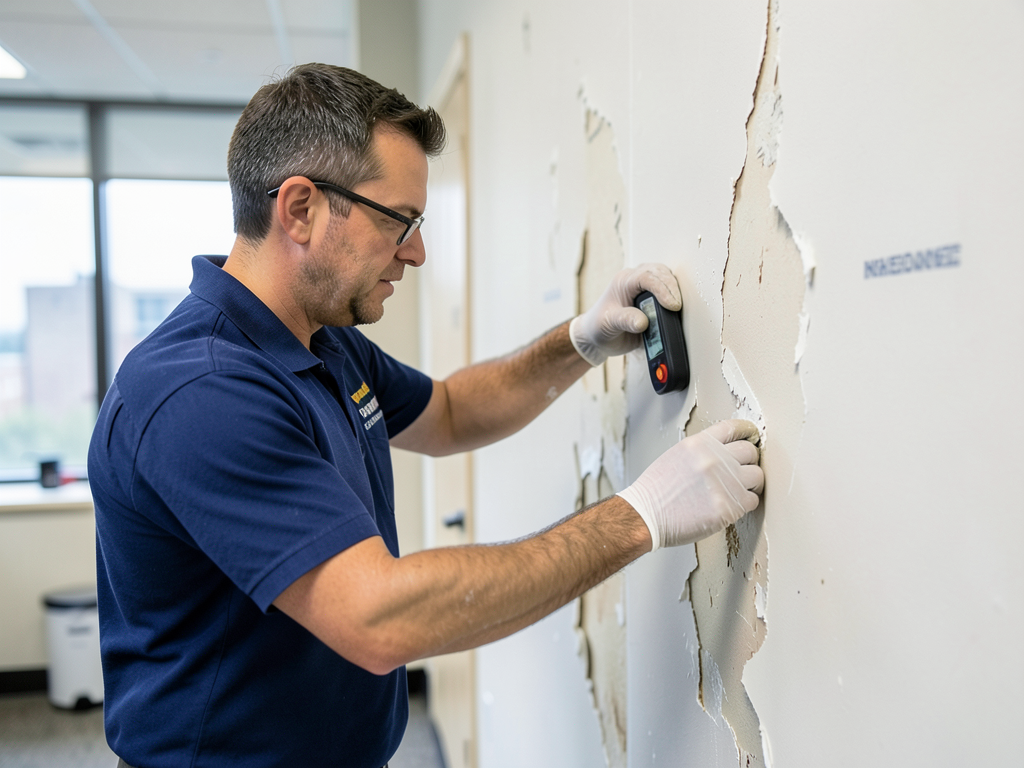
Who Is Responsible for Water Damage in an Indianapolis Commercial Lease?
Water damage in a commercial building creates immediate stress and confusion about who pays for repairs. In Indianapolis the answer depends on your lease structure Indiana property law and insurance policies. Understanding these factors before disaster strikes helps you respond quickly and protect your business assets. Indiana Code Title 32.
Commercial leases fall into three main categories that determine responsibility. Triple Net (NNN) leases shift most maintenance costs to tenants including structural repairs. Gross leases keep those costs with the landlord. Modified Gross leases split responsibilities between parties. The lease document controls everything but Indiana law provides baseline protections when leases are unclear.
Lease Structure Determines Initial Responsibility
Triple Net leases dominate Indianapolis commercial real estate especially in suburban office parks and retail centers. Under NNN terms tenants pay for roof repairs plumbing maintenance and even foundation issues. The landlord handles only major structural failures beyond normal wear and tear. This arrangement means a burst pipe from tenant neglect becomes the tenant’s financial responsibility. Indianapolis combined sewer systems.
Gross leases keep maintenance obligations with the property owner. Tenants pay rent and utilities while the landlord maintains all building systems. Water damage from aging plumbing or roof leaks falls entirely on the landlord’s plate. Modified Gross leases create middle ground where tenants handle interior finishes and the landlord manages common areas and structural elements. Who to Call for Emergency Water Damage Restoration in Carmel.
Indianapolis landlords often use NNN structures to reduce their exposure to repair costs. The city’s freeze-thaw cycles and heavy clay soil create frequent foundation and plumbing issues that make NNN terms attractive to property owners. Before signing any lease review the maintenance sections carefully and understand your exposure.
Indiana Property Code and Commercial Habitability
Indiana Code Title 32 governs commercial property relationships but does not provide the same habitability guarantees as residential law. Commercial tenants cannot claim implied warranties of habitability that force landlords to maintain premises. Instead responsibility flows from explicit lease terms and common law duties.
Landlords must maintain common areas under Indiana law even in NNN leases. Hallways elevators shared restrooms and parking structures remain the owner’s responsibility. Water damage affecting these spaces triggers landlord liability regardless of lease structure. The distinction between common areas and demised premises drives most disputes. Complete Water Damage Repair for Historic Homes in Meridian-Kessler.
Tenants must use premises in a tenant-like manner under Indiana common law. This duty prevents negligence claims against landlords when tenant actions cause damage. Leaving water running overnight or ignoring maintenance requests can shift liability to the tenant even in Gross lease arrangements. Emergency Water Removal Services in Noblesville That Respond 24-7.
Common Area Maintenance and Shared Infrastructure
Indianapolis commercial buildings often share plumbing HVAC and electrical systems. Common Area Maintenance (CAM) charges typically cover these shared systems but responsibility for failures varies by lease. A leak in a shared pipe feeding multiple suites creates complex liability questions.
Buildings with combined sewer systems like older downtown Indianapolis properties face unique risks. Heavy rainfall overwhelms these systems causing backups that damage multiple tenants. The landlord typically bears responsibility for sewer lateral maintenance while tenants handle interior drain lines. This split creates gray areas during major backup events.
Modern Indianapolis office buildings use dedicated plumbing systems with clear demarcation points. The point where building supply lines enter individual suites often marks the tenant’s responsibility boundary. Understanding this physical demarcation helps determine who pays for repairs after water damage occurs. Steps to Take After a Flood.
Insurance Coverage and Subrogation Rights
Commercial General Liability (CGL) insurance covers third-party claims while Commercial Property Insurance protects physical assets. CGL policies exclude damage to the insured’s own property creating gaps CGL fills. Property policies cover building damage but exclude tenant improvements and betterments.
Subrogation allows insurance companies to recover payments from responsible parties. If a tenant’s negligence causes water damage the property insurer may pursue the tenant for reimbursement. This process happens after initial repairs regardless of who paid upfront. Understanding subrogation rights prevents surprise liability months after damage occurs.
Indianapolis businesses should carry both CGL and Property coverage even in NNN leases. CGL protects against liability claims while Property coverage ensures building repairs happen quickly. Some landlords require specific insurance limits and named insured status in lease agreements.
Winter Weather and Frozen Pipe Liability
Indianapolis winters create unique water damage risks through frozen pipe failures. When temperatures drop below 20°F unprotected pipes burst causing extensive damage. Lease terms often specify temperature maintenance requirements and who pays for freeze prevention measures.
Landlords must provide adequate heating to prevent freezing in common areas under most Indiana leases. However tenants control thermostats in leased spaces making them responsible for maintaining safe temperatures. A tenant who turns down heat during cold snaps may bear liability for resulting damage.
Commercial buildings with rooftop HVAC units face additional risks. Ice dams form when heat escapes through roofs melting snow that refreezes at eaves. This water backs up under shingles causing interior damage. Roof maintenance and ice dam prevention typically remain landlord responsibilities in NNN leases.
Emergency Response and Mitigation Duties
Indiana law requires commercial tenants to mitigate damages when water problems occur. Ignoring leaks or failing to shut off water supplies when away can increase liability. Quick response limits damage extent and demonstrates reasonable care.
Indianapolis building codes require automatic water shutoff valves in many commercial properties. These devices prevent catastrophic damage when leaks occur during off hours. Tenants must understand valve locations and operation procedures before emergencies arise.
Professional water damage restoration companies provide 24/7 emergency response throughout Indianapolis. They document damage prevent secondary issues like mold growth and coordinate with insurance adjusters. Quick professional intervention often reduces repair costs significantly. Professional Sewage Cleanup and Sanitization Services in Greenwood.
Documentation and Insurance Claims Process
Proper documentation proves essential for insurance claims and liability determinations. Photos showing damage extent repair invoices and communication records establish claim validity. Indianapolis restoration companies provide detailed reports meeting insurance requirements.
Time limits affect insurance claims in Indiana. Most policies require notice within 30 days of discovering damage. Missing these deadlines can void coverage regardless of liability determination. Understanding policy terms prevents coverage surprises.
Restoration companies coordinate directly with insurance adjusters throughout Indianapolis. They provide damage assessments repair estimates and progress documentation. This coordination speeds claim processing and ensures proper repairs.
Business Interruption and Lost Revenue Protection
Water damage causes business interruption beyond physical repairs. Lost revenue employee downtime and customer disruption create financial impacts exceeding repair costs. Business Interruption Insurance covers these losses when physical damage triggers policy conditions.
Indianapolis commercial tenants should understand BI coverage limits and waiting periods. Some policies require minimum damage thresholds before paying benefits. Others exclude certain business types or revenue sources. Reviewing coverage before damage occurs prevents coverage gaps.
Quick restoration minimizes business interruption. Professional companies work after hours use containment barriers and maintain safe access to minimize downtime. Their experience with Indianapolis commercial properties speeds recovery.
Special Considerations for Different Commercial Types
Retail spaces face unique water damage challenges. Inventory damage customer safety and operating hours create urgency beyond typical office damage. Restoration companies must work around business schedules and protect merchandise during repairs.
Medical offices require contamination control and patient privacy protection. Water damage in these spaces demands specialized cleaning protocols and HIPAA compliance. Restoration companies need healthcare experience for these sensitive environments.
Restaurants must address food safety and health department requirements after water damage. Professional restoration includes sanitizing contamination testing and documentation meeting health code standards. Quick response prevents extended closures.
Who to Call First After Water Damage
Emergency response follows a specific sequence after water damage. First call restoration professionals to stop ongoing damage. They arrive quickly assess situations and begin mitigation. Next contact insurance companies to start claims processes. Finally notify landlords if lease requires.
Indianapolis restoration companies provide 24/7 emergency dispatch. They arrive within hours not days to prevent escalating damage. Their equipment extracts water dries structures and prevents mold growth. This rapid response often saves thousands in repair costs.
Restoration professionals document everything for insurance purposes. They take photos measure moisture levels and create detailed damage reports. This documentation supports claims and proves mitigation efforts.
Preventing Water Damage Through Maintenance
Preventive maintenance reduces water damage risk significantly. Regular plumbing inspections identify potential failures before they cause damage. Roof maintenance prevents leaks during heavy rains. HVAC maintenance prevents condensate line failures.
Indianapolis properties need seasonal maintenance schedules. Fall inspections prepare for winter freezing risks. Spring checks address winter damage. Summer maintenance addresses humidity and drainage issues. Year round attention prevents most water damage scenarios.
Tenants should document maintenance requests and responses. Written records prove diligence and establish timelines if disputes arise later. Photos showing maintenance issues provide additional documentation.
Legal Disputes and Resolution Options
Water damage disputes often end up in litigation when liability remains unclear. Indiana courts examine lease terms maintenance records and expert testimony to determine responsibility. Clear documentation prevents many disputes from reaching court.
Mediation offers faster less expensive dispute resolution. Many commercial leases require mediation before litigation. This process involves neutral third parties who help negotiate settlements. Mediation works well for water damage disputes where facts often support multiple interpretations.
Arbitration provides binding decisions without court proceedings. Some leases specify arbitration for damage disputes. This process costs less than litigation but provides fewer appeal rights. Understanding dispute resolution procedures in leases prevents procedural surprises.
Future Trends in Commercial Water Damage Liability
Smart building technology changes water damage liability dynamics. Leak detection systems automatically notify property managers of problems. These systems can shut off water automatically preventing extensive damage. Insurance companies offer discounts for properties with these systems.
Climate change increases extreme weather frequency in Indianapolis. More intense storms overwhelm drainage systems causing more frequent water damage. Properties need enhanced waterproofing and drainage to handle these new conditions.
Insurance coverage continues evolving. Some companies now exclude certain water damage types or require specific prevention measures. Understanding coverage trends helps businesses prepare for future liability scenarios.
Making Informed Decisions About Commercial Leases
Understanding water damage liability helps businesses make better leasing decisions. Properties with newer plumbing better drainage and modern leak detection offer lower risk profiles. Location factors like flood zones and combined sewer systems affect risk levels.
Insurance costs vary by property characteristics and lease type. Properties with higher risk profiles command higher insurance premiums. These costs affect overall occupancy costs and should factor into leasing decisions.
Professional restoration companies provide risk assessments for potential tenants. They identify vulnerabilities estimate repair costs and suggest mitigation measures. This information helps businesses negotiate better lease terms and insurance coverage.
Frequently Asked Questions
Who pays for water damage in a triple net lease?
In a triple net lease the tenant typically pays for most water damage repairs including plumbing roof leaks affecting their space and damage to their improvements. The landlord maintains structural elements and common areas.
What should I do immediately after discovering water damage?
Call a professional water damage restoration company immediately to stop ongoing damage. Document everything with photos contact your insurance company and notify your landlord if required by your lease.
Does business interruption insurance cover water damage downtime?
Business interruption insurance covers lost revenue when physical damage from covered perils forces closure. Water damage from burst pipes or roof leaks typically qualifies if you have appropriate coverage and meet policy conditions.
How long do I have to report water damage to insurance?
Most commercial insurance policies require notice within 30 days of discovering damage. Some policies have shorter deadlines. Check your specific policy terms and report damage as soon as possible.
Can I be held liable for water damage if I didn’t cause it?
Yes. Lease terms maintenance duties and insurance subrogation rights can create liability even without direct fault. Understanding your lease and maintaining proper insurance protects against unexpected liability.
Take Action Before Water Damage Strikes
Water damage creates immediate financial and operational crises for Indianapolis businesses. Understanding your lease maintaining proper insurance and knowing who to call makes all the difference. Don’t wait for disaster to learn your responsibilities.
Professional water damage restoration companies throughout Indianapolis provide 24/7 emergency response. They work with insurance companies document damage for claims and restore your business quickly. Their experience with local building codes and lease structures ensures proper repairs.
Call (317) 703-7676 today to schedule a risk assessment or keep our number handy for emergencies. Quick professional response prevents small leaks from becoming major disasters. Your business deserves expert protection against water damage risks.
Water damage waits for no one. Prepare now by understanding your lease reviewing your insurance and establishing relationships with restoration professionals. When water strikes you’ll know exactly what to do and who bears responsibility.
You may also find this helpful. Salvaging Electronics and Documents After a Pipe Burst in a Southport Office.