
Why Greenboard and Purpleboard Drywall Still Need Professional Drying After a Bathroom Leak
Many Indianapolis homeowners believe that moisture-resistant drywall like Greenboard or Purpleboard provides complete protection against water damage. This common misconception can lead to serious problems. While these materials offer better resistance than standard drywall, they are not waterproof. When bathroom leaks occur, the paper facing and gypsum core can still absorb water, creating hidden moisture pockets that foster mold growth and compromise structural integrity. Professional drying is essential to ensure your home remains safe and sound. Who to Call for Emergency Water Damage Restoration in Carmel.
Understanding Water-Resistant Drywall (Green Board) vs. Standard Drywall
Standard drywall consists of a gypsum core sandwiched between paper facings. It absorbs water quickly and loses structural integrity when wet. Greenboard features a water-resistant paper facing and sometimes a wax coating on the gypsum core. Purpleboard goes further with enhanced moisture and mold resistance throughout the entire panel. Complete Water Damage Repair for Historic Homes in Meridian-Kessler.
However, the term “resistant” is key. These materials resist water penetration but do not prevent it entirely. When exposed to prolonged moisture from bathroom leaks, the paper facing can still wick water upward through capillary action. The gypsum core, while more stable than standard drywall, can still harbor moisture that leads to mold growth within 24-48 hours according to EPA guidelines. EPA Mold Guidelines.
Indianapolis homes, particularly those in older neighborhoods like Meridian-Kessler and Broad Ripple, often feature bathroom renovations where contractors install moisture-resistant drywall as a precaution. While this is a good practice, it creates a false sense of security when leaks occur.
The Indianapolis Climate Factor: Why Humidity Matters
Indianapolis experiences a humid continental climate with significant moisture challenges throughout the year. Summer humidity often exceeds 70%, while spring brings heavy rainfall that can overwhelm local drainage systems. These conditions create an environment where moisture problems escalate rapidly.
The freeze-thaw cycles common in Central Indiana also stress plumbing systems. Pipes expand and contract with temperature changes, increasing the likelihood of joint failures and pinhole leaks. When these leaks occur behind moisture-resistant drywall, the combination of external humidity and internal moisture creates perfect conditions for mold colonization.
Local building codes in Marion County require moisture-resistant materials in bathroom areas, but they do not mandate professional drying services after water incidents. This regulatory gap leaves many homeowners unaware of the risks associated with DIY drying attempts. Professional Sewage Cleanup and Sanitization Services in Greenwood.
The 4-Step Professional Drying Process
Professional water damage restoration follows industry standards established by the IICRC S500. This systematic approach ensures complete moisture removal and prevents secondary damage. IICRC S500 Standards.
- Moisture Mapping and Assessment
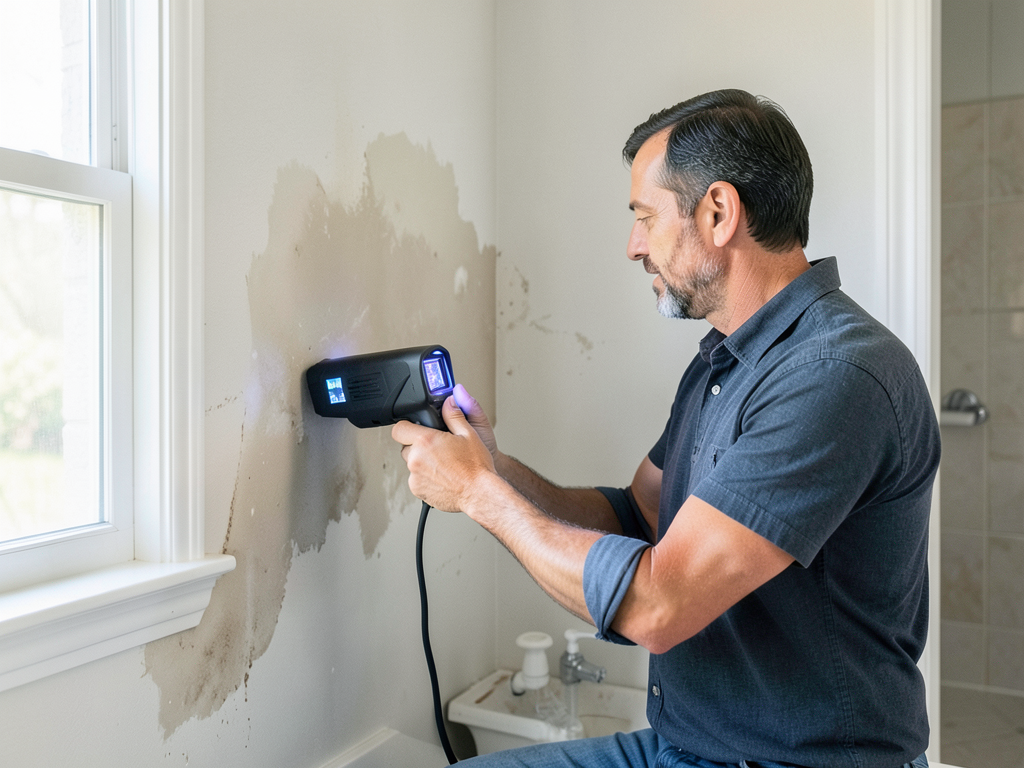
Technicians use moisture meters and thermal imaging cameras to identify all affected areas. Water can travel along wall cavities and under flooring, creating hidden moisture pockets that visual inspection cannot detect. A typical bathroom leak might affect areas 5-10 feet beyond the visible damage. Emergency Water Removal Services in Noblesville That Respond 24-7.
- Strategic Air Movement
Centrifugal air movers create focused airflow patterns that evaporate moisture from surfaces. Unlike household fans, these commercial-grade units move air at 3,000+ cubic feet per minute and can be directed precisely at wet areas behind drywall.
- Dehumidification with LGR Technology
Low-grain refrigerant dehumidifiers remove moisture from the air at a rate of 20-30 gallons per day. These units maintain specific humidity levels that accelerate evaporation while preventing secondary condensation on other surfaces.
- Continuous Monitoring and Documentation
Moisture readings are taken every 24 hours using penetrating and non-penetrating meters. The goal is reducing moisture content to below 12% for drywall, as recommended by industry standards. This process typically requires 3-5 days in Indianapolis’s humid climate.
Can It Be Saved? The ‘Rule of Thumb’ for Replacement
Not all water-damaged drywall requires replacement. The decision depends on several factors including water category, exposure time, and structural integrity.
| Water Category | Timeframe | Action Required |
|---|---|---|
| Category 1 (Clean Water) | 0-24 hours | Professional drying usually sufficient |
| Category 2 (Gray Water) | 0-48 hours | Cleaning and antimicrobial treatment required |
| Category 3 (Black Water) | Any time | Complete removal and replacement mandatory |
Category 3 water includes sewage, flooding from rivers or streams, and water containing harmful pathogens. Indianapolis’s combined sewer system in older neighborhoods like Fountain Square increases the risk of Category 3 contamination during heavy rains.
Structural considerations also matter. If drywall shows signs of warping, sagging, or crumbling, replacement is necessary regardless of water category. Professional assessment using a moisture meter at multiple depths can determine if the core remains structurally sound.
Equipment We Use: Thermal Imaging and Moisture Meters
Professional restoration requires specialized equipment that homeowners cannot rent from local hardware stores. Thermal imaging cameras detect temperature differences caused by moisture, revealing water migration patterns invisible to the naked eye.
Penetrating moisture meters use electrical conductivity to measure moisture content at various depths. Non-penetrating meters use radio frequency to scan without damaging surfaces. Both are essential for accurate assessment of moisture-resistant drywall, which can hide significant moisture behind its water-resistant facing.
Air quality monitors detect elevated mold spore counts that indicate active growth. These readings help determine if remediation is necessary beyond simple drying. In Indianapolis’s humid climate, mold can establish colonies within 24-48 hours of water exposure. Safe and Permanent Mold Remediation for Homes in Broad Ripple.
Why DIY Drying Often Fails
Homeowners attempting DIY drying typically make several critical errors. They underestimate the extent of water migration, use inadequate equipment, and fail to monitor progress scientifically.
Household fans move air at approximately 1,500 cubic feet per minute, while commercial air movers move 3,000+ cubic feet per minute. This difference significantly impacts drying time and effectiveness. Additionally, household dehumidifiers remove only 1-2 gallons of water per day compared to 20-30 gallons for LGR units.
Without moisture mapping, DIY attempts often miss hidden pockets behind tile, under vanities, or within wall cavities. These remaining moisture pockets continue to support mold growth even after visible surfaces appear dry.
Insurance Considerations and Documentation
Insurance companies increasingly require professional documentation for water damage claims. DIY drying attempts can complicate claims if secondary damage occurs later.
Professional restoration companies provide detailed moisture maps, daily readings, and photographic documentation. This evidence supports insurance claims and demonstrates that proper restoration procedures were followed. Many Indianapolis homeowners discover that their policies require professional mitigation to maintain coverage validity.
The cost of professional drying typically ranges from $1,500 to $4,000 depending on the extent of damage. This investment often prevents much more expensive mold remediation or structural repairs that can cost $5,000 to $20,000 or more.
Preventing Future Bathroom Leaks
While professional drying addresses immediate water damage, prevention remains the best strategy. Regular plumbing inspections can identify potential failure points before leaks occur.
Consider installing water leak detection systems that automatically shut off supply lines when leaks are detected. These systems cost $200-500 but can prevent thousands in damage. Additionally, ensure proper sealing around fixtures and regular inspection of supply lines and drain connections.
For Indianapolis homes in areas with high water tables or older plumbing systems, consider upgrading to PEX piping, which resists freeze damage and corrosion better than traditional copper or galvanized steel.
The Cost of Waiting: Secondary Damage Timeline
Time is critical when addressing water damage. The following timeline illustrates how damage progresses:
| Time After Leak | Damage Progression | Restoration Cost Impact |
|---|---|---|
| 0-24 hours | Initial absorption, minimal visible damage | Baseline restoration costs |
| 24-48 hours | Mold begins to colonize, odors develop | Costs increase 30-50% |
| 48-72 hours | Active mold growth, structural weakening | Costs double or triple |
| Beyond 72 hours r> | Extensive mold, potential health hazards | Full replacement often required |
Indianapolis’s humid climate accelerates this timeline. What might take 72 hours in a desert climate can progress in 48 hours or less in Central Indiana.
Professional vs. DIY: Making the Right Choice
Consider these factors when deciding between professional restoration and DIY approaches:
- Extent of visible damage
- Category of water involved
- Age and value of the property
- Health concerns of occupants
- Insurance coverage requirements
For bathroom leaks involving moisture-resistant drywall, professional assessment is recommended even for seemingly minor incidents. The hidden nature of moisture behind these materials makes DIY drying particularly risky.
Frequently Asked Questions
How long does professional drying take for moisture-resistant drywall?
Professional drying typically requires 3-5 days in Indianapolis’s humid climate. This timeframe includes initial assessment, active drying, and final moisture verification. Factors affecting duration include the extent of damage, category of water, and environmental conditions.
Can I just replace the damaged drywall section instead of drying?
Partial replacement might seem cost-effective, but it often fails to address hidden moisture that can spread to new materials. Professional drying ensures complete moisture removal before repairs begin, preventing recurring problems and ensuring warranty validity for new materials.
Does homeowners insurance cover professional drying services?
Most standard homeowners policies cover sudden and accidental water damage, including professional drying services. However, coverage varies by policy and the cause of damage. Gradual leaks or lack of maintenance are typically not covered. Always document damage and contact your insurance provider promptly.
Take Action Before Hidden Damage Spreads
Don’t let a bathroom leak turn into a costly mold remediation project. Moisture-resistant drywall provides protection, not invincibility. When leaks occur, professional assessment and drying are essential to protect your home and health.
Call (317) 703-7676 today to schedule your inspection. Our certified technicians will assess the damage, create a comprehensive drying plan, and work directly with your insurance company to ensure proper coverage. Available 24/7 for emergency response throughout Indianapolis and surrounding communities.
Pick up the phone and call (317) 703-7676 before the next storm hits. Water damage doesn’t wait, and neither should you. Protect your investment with professional water damage restoration that addresses both visible and hidden moisture threats.
Visit our website to learn more about our comprehensive water damage restoration services and how we can help protect your Indianapolis home from the hidden dangers of moisture damage.
{
“@context”: “https://schema.org”,
“@type”: “BlogPosting”,
“headline”: “Why Greenboard and Purpleboard Drywall Still Need Professional Drying After a Bathroom Leak”,
“description”: “Think moisture-resistant drywall is waterproof? Learn why Indianapolis homes still need expert drying after bathroom leaks to prevent hidden mold and structural damage.”,
“wordCount”: 1654,
“datePublished”: “2026-06-09T10:48:00.000Z”,
“dateModified”: “2026-06-09T10:48:00.000Z”,
“inLanguage”: “en-US”,
“mainEntityOfPage”: {
“@type”: “WebPage”,
“@id”: “https://apexwaterdamagerestorationindianapolis.com”
},
“publisher”: {
“@type”: “LocalBusiness”,
“name”: “Apex Water Damage Restoration Indianapolis”,
“url”: “https://apexwaterdamagerestorationindianapolis.com”
},
“author”: {
“@type”: “Organization”,
“name”: “Apex Water Damage Restoration Indianapolis”,
“url”: “https://apexwaterdamagerestorationindianapolis.com”
},
“image”: {
“@type”: “ImageObject”,
“url”: “https://apexwaterdamagerestorationindianapolis.com/wp-content/uploads/2026/03/why-greenboard-and-purpleboard-drywall-still-need-1.png”
}
}
{
“@context”: “https://schema.org”,
“@type”: “LocalBusiness”,
“name”: “Apex Water Damage Restoration Indianapolis”,
“url”: “https://apexwaterdamagerestorationindianapolis.com”,
“address”: {
“@type”: “PostalAddress”,
“addressLocality”: “Indianapolis”
},
“areaServed”: {
“@type”: “City”,
“name”: “Indianapolis”
}
}
{
“@context”: “https://schema.org”,
“@type”: “FAQPage”,
“mainEntity”: [
{
“@type”: “Question”,
“name”: “How long does professional drying take for moisture-resistant drywall?”,
“acceptedAnswer”: {
“@type”: “Answer”,
“text”: “Professional drying typically requires 3-5 days in Indianapolis’s humid climate. This timeframe includes initial assessment, active drying, and final moisture verification. Factors affecting duration include the extent of damage, category of water, and environmental conditions.”
}
},
{
“@type”: “Question”,
“name”: “Can I just replace the damaged drywall section instead of drying?”,
“acceptedAnswer”: {
“@type”: “Answer”,
“text”: “Partial replacement might seem cost-effective, but it often fails to address hidden moisture that can spread to new materials. Professional drying ensures complete moisture removal before repairs begin, preventing recurring problems and ensuring warranty validity for new materials.”
}
},
{
“@type”: “Question”,
“name”: “Does homeowners insurance cover professional drying services?”,
“acceptedAnswer”: {
“@type”: “Answer”,
“text”: “Most standard homeowners policies cover sudden and accidental water damage, including professional drying services. However, coverage varies by policy and the cause of damage. Gradual leaks or lack of maintenance are typically not covered. Always document damage and contact your insurance provider promptly.”
}
}
]
}
{
“@context”: “https://schema.org”,
“@type”: “HowTo”,
“name”: “Professional Drying Process”,
“step”: [
{
“@type”: “HowToStep”,
“position”: 1,
“name”: “Moisture Mapping and Assessment”,
“text”: “Technicians use moisture meters and thermal imaging cameras to identify all affected areas. Water can travel along wall cavities and under flooring, creating hidden moisture pockets that visual inspection cannot detect. A typical bathroom leak might affect areas 5-10 feet beyond the visible damage. Emergency Water Removal Services in Noblesville That Respond 24-7.”
},
{
“@type”: “HowToStep”,
“position”: 2,
“name”: “Strategic Air Movement”,
“text”: “Centrifugal air movers create focused airflow patterns that evaporate moisture from surfaces. Unlike household fans, these commercial-grade units move air at 3,000+ cubic feet per minute and can be directed precisely at wet areas behind drywall.”
},
{
“@type”: “HowToStep”,
“position”: 3,
“name”: “Dehumidification with LGR Technology”,
“text”: “Low-grain refrigerant dehumidifiers remove moisture from the air at a rate of 20-30 gallons per day. These units maintain specific humidity levels that accelerate evaporation while preventing secondary condensation on other surfaces.”
},
{
“@type”: “HowToStep”,
“position”: 4,
“name”: “Continuous Monitoring and Documentation”,
“text”: “Moisture readings are taken every 24 hours using penetrating and non-penetrating meters. The goal is reducing moisture content to below 12% for drywall, as recommended by industry standards. This process typically requires 3-5 days in Indianapolis’s humid climate.”
}
],
“image”: “https://apexwaterdamagerestorationindianapolis.com/wp-content/uploads/2026/03/why-greenboard-and-purpleboard-drywall-still-need-1.png”
}
{
“@context”: “https://schema.org”,
“@type”: “BreadcrumbList”,
“itemListElement”: [
{
“@type”: “ListItem”,
“position”: 1,
“name”: “Home”,
“item”: “https://apexwaterdamagerestorationindianapolis.com”
},
{
“@type”: “ListItem”,
“position”: 2,
“name”: “Blog”,
“item”: “https://apexwaterdamagerestorationindianapolis.com/blog”
},
{
“@type”: “ListItem”,
“position”: 3,
“name”: “Why Greenboard and Purpleboard Drywall Still Need Professional Drying After a Bathroom Leak”
}
]
}
{
“@context”: “https://schema.org”,
“@type”: “Service”,
“serviceType”: “Water Damage Restoration”,
“provider”: {
“@type”: “LocalBusiness”,
“name”: “Apex Water Damage Restoration Indianapolis”,
“url”: “https://apexwaterdamagerestorationindianapolis.com”
},
“areaServed”: {
“@type”: “City”,
“name”: “Indianapolis”
},
“description”: “Think moisture-resistant drywall is waterproof? Learn why Indianapolis homes still need expert drying after bathroom leaks to prevent hidden mold and structural damage.”
}