
Why Professional Grade Air Movers Are Better Than Standard Box Fans for Drying
When water invades your Indianapolis home, every hour matters. You might be tempted to grab a standard box fan from the garage and point it at the wet carpet, but this common DIY approach often fails and can actually make things worse. Professional grade air movers deliver three to four times the airflow of household fans and work in tandem with industrial dehumidifiers to remove moisture from both surfaces and the air itself. This combination prevents mold growth, protects structural materials, and reduces drying time from potentially weeks to just a few days. Who to Call for Emergency Water Damage Restoration in Carmel.
The science behind structural drying relies on psychrometry, the study of air and moisture interactions. Professional equipment manipulates vapor pressure to pull moisture from deep within walls, subfloors, and ceiling cavities where box fans cannot reach. In Indianapolis’s humid climate, where summer dew points often exceed 70°F, this difference becomes even more critical. Standard fans simply move wet air around while professional systems create the conditions necessary for true evaporation and moisture removal. Professional Sewage Cleanup and Sanitization Services in Greenwood.
Consider a flooded basement in Broad Ripple after a summer thunderstorm. The water has seeped into drywall, soaked carpet padding, and wicked up wooden baseboards. A box fan might dry the surface within 24 hours, but the moisture trapped behind walls and under flooring remains. This hidden moisture becomes a breeding ground for mold within 48-72 hours, leading to health hazards and costly secondary damage. Professional grade equipment detects and addresses this hidden moisture using specialized tools and proven drying protocols. Complete Water Damage Repair for Historic Homes in Meridian-Kessler.
The Core Difference: High-Velocity Air Movers vs. Household Box Fans
Professional air movers produce airflow measured in cubic feet per minute (CFM) ranging from 2,500 to 3,500, while standard box fans typically generate only 1,000 to 1,500 CFM. This difference in volume is significant, but the real advantage lies in static pressure. Professional units create high static pressure that pushes air into confined spaces like wall cavities, under cabinets, and beneath flooring where moisture hides. Box fans lack this capability and can only affect surface-level moisture.. Read more about Why Engineered Wood Flooring Reacts Differently to Water Than Solid Oak in Your Downtown Loft.
Air mover design also matters. Professional units use centrifugal or axial designs optimized for water damage restoration. Centrifugal air movers create high-pressure airflow perfect for injecting air into wall cavities through small holes. Axial air movers move large volumes of air across open areas efficiently. Standard box fans use simple blade designs that create turbulent, inefficient airflow patterns unsuitable for structural drying. Emergency Water Removal Services in Noblesville That Respond 24-7.
The physical construction differs dramatically as well. Professional equipment features durable housings, sealed bearings, and moisture-resistant components designed for 24/7 operation in harsh conditions. Box fans have plastic housings, open motors, and components that can fail when exposed to water or operate continuously for extended periods. This durability difference becomes critical during multi-day drying operations.
Energy efficiency represents another key factor. Professional air movers draw 2-3 amps each while moving significantly more air than box fans that draw 3-5 amps. This efficiency allows restoration professionals to deploy multiple units throughout a structure without overloading electrical circuits, creating comprehensive drying systems that address all affected areas simultaneously.
Beyond Airflow: The Critical Role of LGR (Low Grain Refrigerant) Dehumidifiers
Air movement alone cannot dry a structure effectively. Professional water damage restoration relies on the balanced system of air movers and dehumidifiers working together. Low Grain Refrigerant (LGR) dehumidifiers remove 100-200 pints of water per day from the air, compared to household units that remove only 20-30 pints. This massive difference in moisture removal capacity prevents the recirculation of humidity that would occur with fans alone.
LGR dehumidifiers work by drawing in humid air, cooling it below the dew point to condense moisture, then reheating and exhausting dry air. This process creates a vapor pressure differential that pulls moisture from wet materials into the air where the dehumidifier captures it. The dry air then gets circulated by air movers across wet surfaces, accelerating evaporation. This continuous cycle can reduce drying times from weeks to just 3-5 days.
Professional dehumidifiers also feature advanced controls and monitoring capabilities. Digital displays show temperature, relative humidity, and grains of moisture per pound of air. This data allows technicians to track drying progress scientifically rather than guessing. Many units include automatic pump-out systems that continuously drain collected water, eliminating the need for manual emptying every few hours like household models require.
The placement and configuration of this equipment matters significantly. Professionals use specific formulas based on the category of water damage, the type of materials affected, and the class of water loss to determine the exact number and placement of air movers and dehumidifiers needed. This calculated approach ensures optimal drying conditions throughout the entire affected area, not just visible wet spots.
The Science of Psychrometry: Why ‘Dry to the Touch’ is a Dangerous Myth
Psychrometry, the science of drying, reveals why surface dryness does not indicate structural dryness. Water moves through materials via capillary action, wicking moisture far beyond visible wet areas. A carpet may feel dry while the padding underneath remains saturated. Baseboards might appear unaffected while drywall behind them holds significant moisture content. Professional moisture meters detect these hidden moisture pockets using penetrating and non-penetrating sensors.
Professional restoration follows specific moisture content standards. For example, drywall should return to 12-14% moisture content, hardwood flooring to 6-9%, and softwood framing to 15-19%. These targets ensure materials return to pre-loss conditions without warping, swelling, or developing mold. Box fans cannot achieve these specific moisture reduction goals because they lack the ability to create the necessary vapor pressure differentials.
Temperature also plays a crucial role in the drying process. Warm air holds more moisture than cold air, so professional drying often involves controlled heating to accelerate evaporation. Professional equipment can maintain optimal temperatures between 70-90°F while household fans cannot control or even measure temperature in affected areas. This temperature control significantly impacts drying rates and prevents secondary damage from excessive heat.
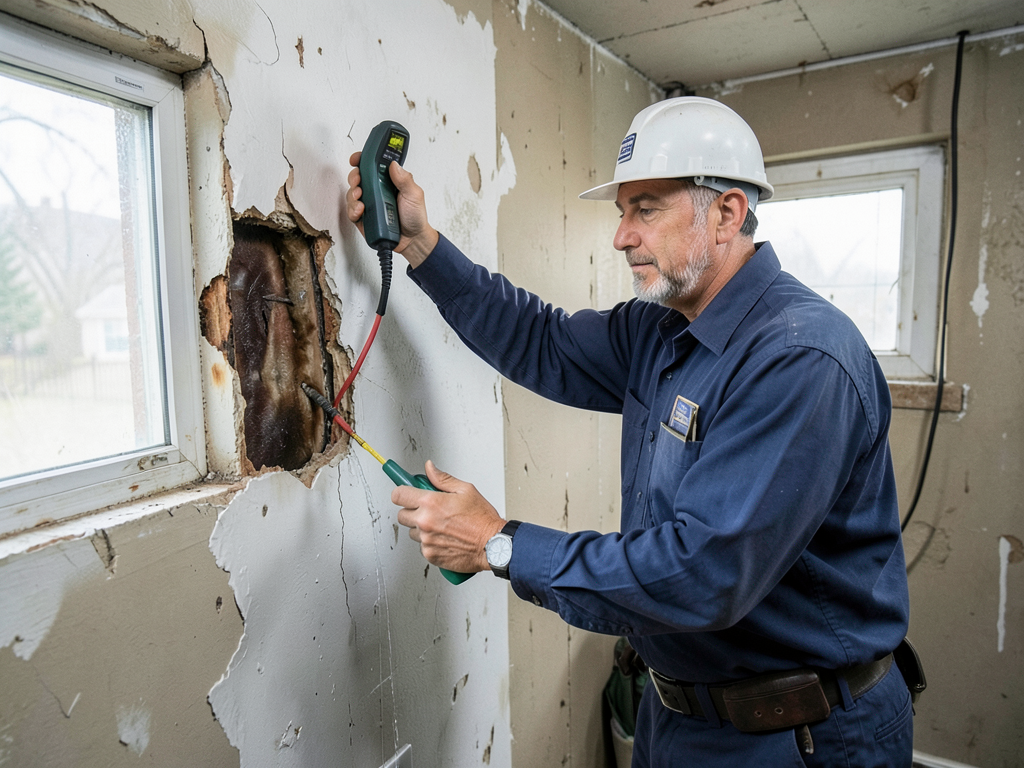
Monitoring equipment provides real-time data throughout the drying process. Thermo-hygrometers measure temperature and relative humidity in affected and unaffected areas. Moisture meters track progress in specific materials. Thermal imaging cameras identify temperature variations that indicate moisture presence. This comprehensive monitoring ensures drying goals are met before equipment removal, preventing costly call-backs and secondary damage claims.
Local Case Study: Drying a Flooded Basement in Indianapolis
A recent water damage incident in a Meridian-Kessler home demonstrates the difference professional equipment makes. A washing machine supply line burst while the homeowners were on vacation, flooding the finished basement for approximately 36 hours. The finished space included carpet over padding, drywall walls, and several areas of hardwood flooring adjacent to the affected zone.
The homeowners initially used three standard box fans they owned, running them for two days before calling for professional help. While the carpet surface felt dry, moisture meters revealed the padding remained saturated at 85% moisture content, drywall behind baseboards measured 35% (normal is under 15%), and hardwood flooring showed 22% moisture (should be 6-9%).
Professional technicians deployed four centrifugal air movers to create airflow under the carpet and into wall cavities, two axial air movers for open areas, and two LGR dehumidifiers sized for the 1,200 square foot space. The equipment operated continuously for four days. Daily moisture readings showed steady progress: padding dropped to 15% by day two, drywall reached normal levels by day three, and hardwood flooring returned to acceptable moisture content by day four.
Without professional intervention, the hidden moisture would have led to mold growth within days. The Indianapolis humidity, averaging 72% in summer months, would have prevented natural evaporation even with fans running. The cost difference proved significant: the professional drying cost $2,400 while the potential mold remediation and material replacement would have exceeded $15,000. The four-day professional drying timeline also prevented business interruption for the homeowner who runs a home-based consulting practice from the basement office. Safe and Permanent Mold Remediation for Homes in Broad Ripple.
Potential Costs of Improper Drying: Mold and Structural Decay
Indianapolis’s climate creates perfect conditions for mold growth when water damage is improperly addressed. Summer humidity levels often exceed 70% relative humidity, and temperatures regularly climb above 85°F. These conditions allow mold spores to germinate and grow within 24-48 hours of water exposure. Standard box fans cannot reduce humidity levels sufficiently to prevent this growth, often circulating moist air that accelerates mold colonization.
Mold remediation costs vary significantly based on the extent of growth. A small bathroom mold issue might cost $500-1,500 to remediate, while widespread growth affecting walls, ceilings, and HVAC systems can exceed $10,000. Professional water damage restoration prevents these scenarios by ensuring complete drying within the critical 48-hour window. The cost of professional drying typically ranges from $1,000-3,000 for residential properties, representing significant savings compared to mold remediation expenses.
Structural damage represents another hidden cost of improper drying. Wood materials swell when saturated, then warp, cup, or crack during improper drying. Hardwood flooring can buckle, requiring complete replacement at $8-15 per square foot. Drywall that appears intact may delaminate internally, losing structural integrity. Subflooring can develop rot, compromising floor stability. These structural issues often remain hidden until extensive damage occurs, making early professional intervention crucial.
Insurance implications add another layer of cost considerations. Many insurance policies require policyholders to take reasonable steps to mitigate damage after a water loss. Using inadequate equipment like box fans may be considered failure to mitigate, potentially reducing claim coverage. Some policies specifically exclude mold damage resulting from failure to properly dry water damage. Professional restoration companies document the drying process with daily readings and photos, providing the evidence insurance companies require for coverage.
When to Call a Pro vs. When to DIY
Small, clean water spills on hard surfaces can often be handled with household fans and proper techniques. A glass of water on sealed concrete or a small toilet overflow on tile flooring typically dries within 24 hours with adequate ventilation. The key factors are the water category, the extent of spread, and the materials affected. Clean water from supply lines on non-porous surfaces represents the lowest risk scenario for DIY drying.
Category 2 and 3 water damage requires professional equipment and handling. Grey water from washing machines or dishwashers contains contaminants that can cause illness. Black water from sewage backups or flooding contains pathogens and requires specialized safety equipment, antimicrobial treatments, and proper disposal protocols. Standard fans cannot address these contamination concerns and may spread harmful organisms throughout the structure.
The size and duration of water exposure also determine the need for professional help. Water affecting more than 100 square feet, water that has been present for more than 24 hours, or water that has wicked into walls or under flooring requires professional assessment. The longer water remains, the more it migrates into hidden areas, increasing both the complexity and cost of proper drying.
Time sensitivity cannot be overstated. Professional restoration companies offer 24/7 emergency response because they understand that every hour of delay increases damage and cost. If you’re unsure about the extent of water damage, the safest approach is to call for a professional assessment. Most reputable companies provide free inspections and can determine within an hour whether professional equipment is necessary. This quick assessment can prevent thousands of dollars in secondary damage and protect your family’s health.
Frequently Asked Questions
How long does professional water damage drying take compared to using box fans?
Professional drying typically takes 3-5 days for most residential water damage situations, while DIY methods with box fans often require 10-14 days or longer. The extended timeline with household fans increases the risk of mold growth and secondary damage significantly.
Can’t I just rent professional equipment instead of hiring a restoration company?
While equipment rental is available, professional restoration companies bring expertise in proper equipment placement, moisture monitoring, and contamination handling that rental customers typically lack. The knowledge of how to create balanced drying systems and interpret moisture readings is often more valuable than the equipment itself.
Will my insurance cover professional water damage restoration?
Most homeowners insurance policies cover sudden and accidental water damage, including the professional drying process. However, coverage varies by policy and by the water source. Gradual damage or maintenance-related issues may not be covered. Professional restoration companies often assist with insurance documentation and claims processing.
How can I tell if water has wicked into walls or under flooring?
Visual inspection alone cannot determine moisture migration. Professional moisture meters can detect elevated moisture levels in materials that appear dry. Signs like bubbling paint, soft drywall, or cupping in hardwood flooring indicate moisture presence, but hidden moisture often exists without visible indicators.
What makes Indianapolis humidity levels affect water damage drying?
Indianapolis experiences high summer humidity levels, often exceeding 70% relative humidity. This moisture in the air prevents natural evaporation even with fans running. Professional LGR dehumidifiers can reduce relative humidity to 30-40%, creating conditions where rapid evaporation occurs. Without this dehumidification, box fans simply circulate humid air, preventing effective drying.
How much does professional water damage restoration cost?
Professional water damage restoration costs vary based on the extent of damage, but typically range from $1,000 to $5,000 for residential properties. Factors affecting cost include the category of water, the size of the affected area, and the types of materials involved. This investment is often significantly less than the cost of secondary damage from improper drying.
- Stop the Water Source
Shut off the main water supply or stop the leak source immediately. Every minute of continued water flow increases damage and cost.
- Ensure Safety First
Turn off electricity in affected areas if safe to do so. Avoid standing water near electrical outlets or appliances. Consider contamination risks with grey or black water.
- Document the Damage
Take photos and videos of all affected areas before beginning any cleanup. This documentation helps with insurance claims and provides a baseline for restoration professionals.
- Remove Excess Water
Use wet vacuums, mops, or towels to remove standing water if safe. Do not use household vacuums or electrical equipment near water.
- Call for Professional Assessment
Contact a certified water damage restoration company immediately. Most offer 24/7 emergency response and can determine within an hour whether professional equipment is needed.
- Begin Proper Drying
Follow professional recommendations for equipment placement and operation. Avoid using household fans as the primary drying method, as they cannot address hidden moisture or prevent mold growth.
Don’t let improper drying turn a manageable water problem into a costly disaster. Professional grade air movers and dehumidifiers provide the airflow, static pressure, and moisture removal capacity necessary for complete structural drying. In Indianapolis’s humid climate, where mold can establish itself within 48 hours, the difference between DIY box fans and professional equipment can mean thousands of dollars in savings and protection for your family’s health.
Pick up the phone and call (317) 703-7676 before the next storm hits. Our certified technicians are ready to respond 24/7 with the professional equipment and expertise needed to protect your home and belongings from water damage. Don’t wait until hidden moisture becomes visible mold growth or structural decay. Call now for your free assessment and protect your investment with proper, professional drying techniques. For more information, visit EPA mold information. For more information, visit IICRC S500 standards.
You may also find this helpful. Getting Rid of That Persistent Damp Smell After a Flood in Your Wanamaker Home.
You may also find this helpful. Can You Actually Save Original Plaster Walls After a Water Leak in Your Old Northside Home?.
{
“@context”: “https://schema.org”,
“@type”: “BlogPosting”,
“headline”: “Why Professional Grade Air Movers Are Better Than Standard Box Fans for Drying”,
“description”: “Discover why professional air movers outperform box fans for water damage restoration in Indianapolis homes. Learn about CFM, dehumidification, and the science behind structural drying.”,
“wordCount”: 2573,
“datePublished”: “2026-05-14T08:00:00.000Z”,
“dateModified”: “2026-05-14T08:00:00.000Z”,
“inLanguage”: “en-US”,
“mainEntityOfPage”: {
“@type”: “WebPage”,
“@id”: “https://apexwaterdamagerestorationindianapolis.com”
},
“publisher”: {
“@type”: “LocalBusiness”,
“name”: “Apex Water Damage Restoration Indianapolis”,
“url”: “https://apexwaterdamagerestorationindianapolis.com”
},
“author”: {
“@type”: “Organization”,
“name”: “Apex Water Damage Restoration Indianapolis”,
“url”: “https://apexwaterdamagerestorationindianapolis.com”
},
“image”: {
“@type”: “ImageObject”,
“url”: “https://apexwaterdamagerestorationindianapolis.com/wp-content/uploads/2026/03/why-professional-grade-air-movers-are-better-than-1.png”
}
}
{
“@context”: “https://schema.org”,
“@type”: “LocalBusiness”,
“name”: “Apex Water Damage Restoration Indianapolis”,
“url”: “https://apexwaterdamagerestorationindianapolis.com”,
“address”: {
“@type”: “PostalAddress”,
“addressLocality”: “Indianapolis”
},
“areaServed”: {
“@type”: “City”,
“name”: “Indianapolis”
}
}
{
“@context”: “https://schema.org”,
“@type”: “FAQPage”,
“mainEntity”: [
{
“@type”: “Question”,
“name”: “How long does professional water damage drying take compared to using box fans?”,
“acceptedAnswer”: {
“@type”: “Answer”,
“text”: “Professional drying typically takes 3-5 days for most residential water damage situations, while DIY methods with box fans often require 10-14 days or longer. The extended timeline with household fans increases the risk of mold growth and secondary damage significantly.”
}
},
{
“@type”: “Question”,
“name”: “Can’t I just rent professional equipment instead of hiring a restoration company?”,
“acceptedAnswer”: {
“@type”: “Answer”,
“text”: “While equipment rental is available, professional restoration companies bring expertise in proper equipment placement, moisture monitoring, and contamination handling that rental customers typically lack. The knowledge of how to create balanced drying systems and interpret moisture readings is often more valuable than the equipment itself.”
}
},
{
“@type”: “Question”,
“name”: “Will my insurance cover professional water damage restoration?”,
“acceptedAnswer”: {
“@type”: “Answer”,
“text”: “Most homeowners insurance policies cover sudden and accidental water damage, including the professional drying process. However, coverage varies by policy and by the water source. Gradual damage or maintenance-related issues may not be covered. Professional restoration companies often assist with insurance documentation and claims processing.”
}
},
{
“@type”: “Question”,
“name”: “How can I tell if water has wicked into walls or under flooring?”,
“acceptedAnswer”: {
“@type”: “Answer”,
“text”: “Visual inspection alone cannot determine moisture migration. Professional moisture meters can detect elevated moisture levels in materials that appear dry. Signs like bubbling paint, soft drywall, or cupping in hardwood flooring indicate moisture presence, but hidden moisture often exists without visible indicators.”
}
},
{
“@type”: “Question”,
“name”: “What makes Indianapolis humidity levels affect water damage drying?”,
“acceptedAnswer”: {
“@type”: “Answer”,
“text”: “Indianapolis experiences high summer humidity levels, often exceeding 70% relative humidity. This moisture in the air prevents natural evaporation even with fans running. Professional LGR dehumidifiers can reduce relative humidity to 30-40%, creating conditions where rapid evaporation occurs. Without this dehumidification, box fans simply circulate humid air, preventing effective drying.”
}
},
{
“@type”: “Question”,
“name”: “How much does professional water damage restoration cost?”,
“acceptedAnswer”: {
“@type”: “Answer”,
“text”: “Professional water damage restoration costs vary based on the extent of damage, but typically range from $1,000 to $5,000 for residential properties. Factors affecting cost include the category of water, the size of the affected area, and the types of materials involved. This investment is often significantly less than the cost of secondary damage from improper drying.”
}
}
]
}
{
“@context”: “https://schema.org”,
“@type”: “BreadcrumbList”,
“itemListElement”: [
{
“@type”: “ListItem”,
“position”: 1,
“name”: “Home”,
“item”: “https://apexwaterdamagerestorationindianapolis.com”
},
{
“@type”: “ListItem”,
“position”: 2,
“name”: “Blog”,
“item”: “https://apexwaterdamagerestorationindianapolis.com/blog”
},
{
“@type”: “ListItem”,
“position”: 3,
“name”: “Why Professional Grade Air Movers Are Better Than Standard Box Fans for Drying”
}
]
}
{
“@context”: “https://schema.org”,
“@type”: “Service”,
“serviceType”: “Water Damage Restoration”,
“provider”: {
“@type”: “LocalBusiness”,
“name”: “Apex Water Damage Restoration Indianapolis”,
“url”: “https://apexwaterdamagerestorationindianapolis.com”
},
“areaServed”: {
“@type”: “City”,
“name”: “Indianapolis”
},
“description”: “Discover why professional air movers outperform box fans for water damage restoration in Indianapolis homes. Learn about CFM, dehumidification, and the science behind structural drying.”
}