
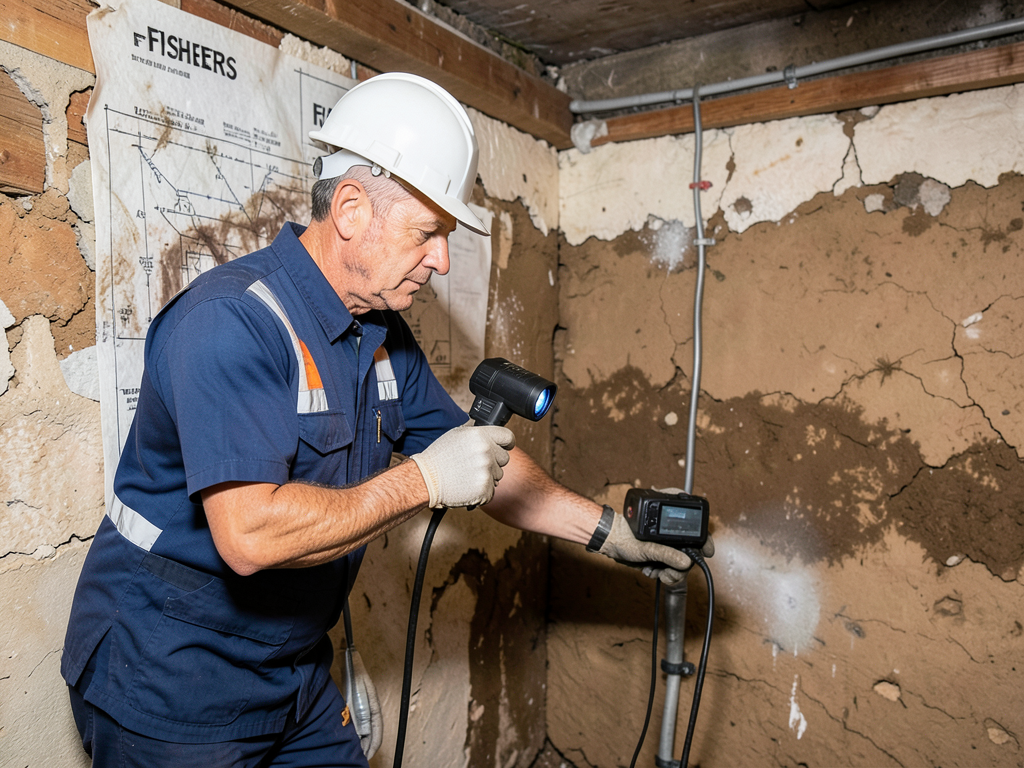
Why the Heavy Clay Soil in Fishers Causes Basement Walls to Seep and Crack
The heavy clay soil in Fishers creates a perfect storm for basement water problems. When rain falls or snow melts, this dense soil expands and contracts dramatically, putting thousands of pounds of pressure against your foundation walls. This constant movement forces water through tiny cracks, creating the seepage and cracks many Fishers homeowners battle every spring and fall. Who to Call for Emergency Water Damage Restoration in Carmel.
Understanding this connection between soil and structure is the first step to solving your basement water issues. The good news is that once you know the cause, you can take specific steps to protect your home from the unique challenges of Fishers’ geology. Complete Water Damage Repair for Historic Homes in Meridian-Kessler.
The Science of Fishers Soil: Why Clay is Ruining Your Basement
Fishers sits on a foundation of glacial till – a dense mixture of clay, silt, and rocks left behind by retreating ice sheets thousands of years ago. This soil is classified as high-plasticity clay, meaning it can absorb water and expand by up to 15% of its original volume. When dry, it contracts and creates gaps around your foundation. Emergency Water Removal Services in Noblesville That Respond 24-7.
This expansion and contraction cycle happens repeatedly throughout the year. During Indiana’s wet springs and heavy summer thunderstorms, the clay swells. During dry spells, it shrinks away from your foundation. This constant movement is what engineers call the “clay bowl effect” – a term that describes how the soil around your home creates a bowl-shaped area that traps water against your foundation walls. Indiana Residential Code requirements for foundation construction.
Local soil tests from Hamilton County show that Fishers’ clay content averages between 35-45%, much higher than surrounding areas. This means your home is under constant pressure from soil that behaves like a living, breathing organism around your foundation.
How Clay Soil Causes Hydrostatic Pressure
Hydrostatic pressure is the technical term for water pushing against your foundation walls. In Fishers, this pressure can reach 30-40 pounds per square foot during heavy rains – that’s like having a dump truck parked against every wall of your basement.
Here’s what happens: water fills the gaps in the clay soil around your foundation. As more water accumulates, it creates a “water column” that pushes against your walls. The clay acts like a sponge, holding this water against your foundation longer than sandy soils would. During Indiana’s typical spring storms that drop 2-3 inches of rain in 24 hours, this pressure builds rapidly.
The pressure doesn’t just push straight against your walls. It also creates upward pressure under your basement floor, forcing water through cracks in the floor or where the wall meets the floor. This is why many Fishers homeowners notice water coming up through floor cracks even when their walls seem dry.
Thermal imaging on local jobs shows temperature differences around foundation walls that indicate moisture intrusion. These cool spots often align with the areas of highest hydrostatic pressure, confirming that the clay soil is actively pushing water through your foundation.
Warning Signs: Is Your Fishers Home at Risk?
Several telltale signs indicate your basement is suffering from clay-induced pressure. Stair-step cracks in block foundation walls are the most common warning sign. These cracks follow the mortar lines and typically appear near the corners of your basement where pressure is highest.
Inward bowing of foundation walls is another serious indicator. Using a level on your basement walls can reveal even slight inward movement. A deflection of just 1/4 inch over 8 feet indicates your walls are under significant stress from the surrounding clay.
Efflorescence – that white, powdery substance on your basement walls – forms when water carries minerals through the concrete and leaves them behind as it evaporates. This is direct evidence that water is moving through your foundation walls due to hydrostatic pressure.
Musty odors in your basement are often the first sign many homeowners notice. These smells come from mold and mildew growing in damp areas behind finished walls. By the time you smell it, moisture has been present for weeks or months.
Seasonal water patterns also reveal clay soil problems. If you notice water entering your basement during specific weather patterns – like after heavy spring rains or during rapid snowmelt – this points to hydrostatic pressure rather than plumbing leaks or surface water issues.
Proven Solutions for Clay-Induced Leaks
Interior drain tile systems are the most effective solution for Fishers’ clay soil problems. These perforated pipes installed along your basement perimeter collect water before it reaches your walls and direct it to a sump pump. The system works because it relieves the pressure before water can force its way through cracks.
Exterior waterproofing creates a barrier between your foundation and the surrounding clay. This involves excavating around your foundation, applying waterproof membranes, and installing drainage boards. While more expensive, this solution addresses the problem at its source by preventing water from ever reaching your foundation walls.. Read more about The Best Ways to Fix Poor Yard Drainage That Floods Your Garage in West Indianapolis.
Wall anchors and carbon fiber straps stabilize bowing walls caused by hydrostatic pressure. These systems can often reverse minor inward movement and prevent further damage. The choice between anchors and straps depends on the severity of your wall movement and the available space outside your foundation.
Sump pump systems require special consideration in Fishers due to the high clay content. A standard sump pump may struggle during heavy rains when the clay releases large volumes of water quickly. Installing a battery backup system and ensuring proper discharge line placement away from your foundation are critical steps.
French drains installed around your property’s perimeter can intercept water before it reaches your foundation. These systems work best when combined with proper grading that directs surface water away from your home. In Fishers’ flat terrain, this often requires creating artificial slopes using fill dirt.
The Fishers Weather Factor
Fishers receives an average of 42 inches of rainfall annually, with most falling during spring thunderstorms and summer downpours. This precipitation pattern creates the perfect conditions for clay soil problems. When heavy rain falls on already saturated clay, the soil reaches maximum expansion almost immediately.
Indiana’s freeze-thaw cycles compound the problem. When water in the clay freezes, it expands by about 9%. This expansion occurs repeatedly throughout winter, creating additional pressure on your foundation walls. By spring, your foundation has endured months of expansion and contraction from both temperature changes and moisture variations.
Local weather data shows that Fishers experiences about 120 days of precipitation annually, with the highest frequency during April and May. These months often see 4-5 inch rainfall totals, creating the conditions where hydrostatic pressure peaks and basement leaks become most common.
Humidity levels in Fishers also contribute to basement moisture problems. Summer humidity often exceeds 85%, and this moisture can condense on cool basement walls even when no active leaks are present. This condensation creates the damp conditions that lead to mold growth and that characteristic musty smell.
Foundation Repair Standards for Central Indiana
The Indiana Residential Code requires specific standards for foundation construction in areas with expansive soils like Fishers. Section 604.1.4 addresses soil classification and requires additional reinforcement for foundations in high-plasticity clay soils. Homes built before 2020 may not meet these current standards.
IICRC S500 standards govern water damage restoration in basements. These standards require specific drying times and techniques based on the category of water involved. For basement leaks caused by hydrostatic pressure, the standards mandate complete moisture mapping to ensure all affected areas are properly dried. IICRC S500 water damage restoration standards.
Local building officials in Hamilton County have noted an increase in foundation-related permit applications, particularly in newer developments built on former agricultural land. This land often contains undisturbed clay that expands more dramatically than the soil around older homes.
Foundation repair contractors in Fishers must follow specific engineering guidelines when installing stabilization systems. These guidelines account for the local soil conditions and require soil tests in some cases to determine the appropriate repair method.
Immediate Steps When You Discover a Leak
Document the damage with photos and videos before doing anything else. This documentation is crucial for insurance claims and helps professionals assess the extent of your problem. Take pictures during the rain if possible to show active water entry. Professional Sewage Cleanup and Sanitization Services in Greenwood.
Move valuables and furniture away from affected areas immediately. Water can cause permanent damage to wood furniture, electronics, and personal items within hours. Use plastic sheeting to create temporary barriers if you can’t move large items. Safe and Permanent Mold Remediation for Homes in Broad Ripple.
Check your sump pump operation if you have one. Many basement leaks occur because sump pumps fail during heavy rains. If your pump isn’t working, this may be the source of your problem rather than clay soil pressure.
Avoid using shop vacuums or other equipment to remove standing water until you’ve identified the source. If the water is entering due to hydrostatic pressure, removing it may cause more to enter as the pressure differential increases.
Contact a professional who understands Fishers’ specific soil conditions. General contractors may not recognize the signs of clay-induced foundation problems, leading to ineffective repairs that don’t address the underlying cause.
Cost Factors for Clay Soil Repairs
The cost of repairing clay-induced basement leaks varies significantly based on several factors. Interior drain tile systems typically range from $8,000 to $15,000 for an average Fishers home, depending on basement size and the complexity of your foundation.
Exterior waterproofing is more expensive, often costing $15,000 to $30,000 due to the excavation required. However, this solution may be more cost-effective long-term since it prevents water from ever reaching your foundation walls.
Wall stabilization using anchors or carbon fiber typically costs $500 to $800 per anchor or strip. Most Fishers homes require 4-8 anchors depending on the extent of wall movement and the pressure from surrounding clay.
Sump pump systems vary widely in cost. A basic system might cost $1,200 to $2,000, while a comprehensive system with battery backup and water-powered backup can cost $3,000 to $5,000. Given Fishers’ weather patterns, the more robust systems often prove worthwhile.
Insurance coverage for clay soil-related damage varies. Most standard policies don’t cover damage from “earth movement” or hydrostatic pressure. However, if a sudden pipe break or other covered event causes water damage in conjunction with clay soil problems, partial coverage may apply.
Preventing Future Problems
Proper grading around your home is crucial for managing water in clay soil. The ground should slope away from your foundation at a rate of 6 inches of drop in the first 10 feet. This simple measure can reduce hydrostatic pressure by directing water away from your foundation before it can accumulate.
Gutter and downspout maintenance becomes even more important in Fishers due to the clay soil. Clean gutters prevent overflow that saturates the soil near your foundation. Downspouts should extend at least 6 feet from your foundation to discharge water where it won’t contribute to the “clay bowl” effect.
Landscaping choices can help manage moisture around your foundation. Avoid planting water-intensive plants within 3 feet of your foundation. Instead, use gravel or mulch that allows water to drain away from your home rather than being held against your foundation by plant roots.
Regular foundation inspections can catch problems early when they’re easier and less expensive to fix. Look for new cracks, inward movement, or efflorescence each season. Early intervention can prevent the thousands of dollars in damage that unchecked foundation movement can cause.
Consider professional moisture monitoring if you’ve had previous issues. These systems can alert you to rising moisture levels before visible damage occurs, giving you time to address problems before they require major repairs.
Frequently Asked Questions
Why does my basement only leak during certain types of rain?
Clay soil problems typically manifest during heavy, sustained rainfall when the soil reaches maximum saturation. Light rain may not generate enough water to create significant hydrostatic pressure, while the rapid accumulation during thunderstorms overwhelms your foundation’s ability to resist water intrusion.
How do I know if I need interior or exterior waterproofing?
Interior systems work well for managing water that’s already entering your basement, while exterior systems prevent water from ever reaching your foundation. The best choice depends on your specific situation, budget, and whether you’re dealing with active water intrusion or want to prevent future problems.
Can I fix clay soil foundation problems myself?
While you can address some symptoms like grading and gutter maintenance yourself, fixing the underlying foundation issues requires professional expertise. Incorrect repairs can actually worsen the problem or create new structural issues that are more expensive to fix.
How long do foundation repairs last in clay soil?
Quality repairs in clay soil typically last 15-25 years, though this varies based on soil conditions, weather patterns, and the specific repair method used. Exterior waterproofing tends to last longer than interior systems since it addresses the problem at its source.
Will foundation repairs increase my home’s value?
Properly documented foundation repairs can actually increase your home’s value by eliminating a major concern for potential buyers. However, the increase typically equals only a portion of the repair cost, so repairs are usually considered maintenance rather than an investment.
- Identify the Problem Source
Check for signs of hydrostatic pressure like stair-step cracks, efflorescence, or seasonal water entry patterns. Document with photos and note when leaks occur.
- Consult a Local Specialist
Choose a contractor familiar with Fishers’ specific soil conditions and building codes. Ask about their experience with clay soil foundation repairs in Hamilton County.
- Get Multiple Assessments
Different contractors may recommend different solutions. Compare approaches, warranties, and costs before making your decision.
- Address Immediate Concerns
If water is actively entering, take steps to minimize damage while planning your permanent solution. Move valuables and document everything for insurance purposes.
- Implement the Right Solution
Choose between interior drain tiles, exterior waterproofing, or wall stabilization based on your specific situation and professional recommendations.
Take Action Before the Next Storm
Clay soil problems in Fishers don’t fix themselves – they get worse over time. What starts as a small crack can become a major structural issue that costs tens of thousands to repair. The longer you wait, the more damage occurs to your foundation, walls, and personal belongings.
Don’t let another Indiana thunderstorm flood your basement. Our team understands the unique challenges of Fishers’ clay soil and has helped hundreds of local homeowners solve their basement water problems permanently. We’ll assess your specific situation, explain your options clearly, and recommend the most effective solution for your home.
Call (317) 703-7676 today to schedule your free inspection. We’ll show you exactly what’s causing your basement problems and provide a detailed plan to fix them. Our inspections include moisture mapping, foundation assessment, and a clear explanation of your repair options with no high-pressure sales tactics.
Pick up the phone and call (317) 703-7676 before the next storm hits. Your basement problems won’t wait, and neither should you. Let’s stop the water from winning this battle against your home’s foundation.
You may also find this helpful. Is Your Family Getting Sick from Hidden Moisture in Your Lawrence Home?.
You may also find this helpful. What to Do When Your Toilet Overflows and Drips Through the Ceiling in Fishers.
{
“@context”: “https://schema.org”,
“@type”: “BlogPosting”,
“headline”: “Why the Heavy Clay Soil in Fishers Causes Basement Walls to Seep and Crack”,
“description”: “Learn why Fishers’ clay soil causes basement leaks and foundation cracks. Get expert waterproofing solutions for your Central Indiana home. Call (317) 703-7676.”,
“wordCount”: 2527,
“datePublished”: “2026-05-28T12:48:00.000Z”,
“dateModified”: “2026-05-28T12:48:00.000Z”,
“inLanguage”: “en-US”,
“mainEntityOfPage”: {
“@type”: “WebPage”,
“@id”: “https://apexwaterdamagerestorationindianapolis.com”
},
“publisher”: {
“@type”: “LocalBusiness”,
“name”: “Apex Water Damage Restoration Indianapolis”,
“url”: “https://apexwaterdamagerestorationindianapolis.com”
},
“author”: {
“@type”: “Organization”,
“name”: “Apex Water Damage Restoration Indianapolis”,
“url”: “https://apexwaterdamagerestorationindianapolis.com”
},
“image”: {
“@type”: “ImageObject”,
“url”: “https://apexwaterdamagerestorationindianapolis.com/wp-content/uploads/2026/03/why-the-heavy-clay-soil-in-fishers-causes-basement-1.png”
}
}
{
“@context”: “https://schema.org”,
“@type”: “LocalBusiness”,
“name”: “Apex Water Damage Restoration Indianapolis”,
“url”: “https://apexwaterdamagerestorationindianapolis.com”,
“address”: {
“@type”: “PostalAddress”,
“addressLocality”: “Indianapolis”
},
“areaServed”: {
“@type”: “City”,
“name”: “Indianapolis”
}
}
{
“@context”: “https://schema.org”,
“@type”: “FAQPage”,
“mainEntity”: [
{
“@type”: “Question”,
“name”: “Warning Signs: Is Your Fishers Home at Risk?”,
“acceptedAnswer”: {
“@type”: “Answer”,
“text”: “Several telltale signs indicate your basement is suffering from clay-induced pressure. Stair-step cracks in block foundation walls are the most common warning sign. These cracks follow the mortar lines and typically appear near the corners of your basement where pressure is highest.”
}
},
{
“@type”: “Question”,
“name”: “Why does my basement only leak during certain types of rain?”,
“acceptedAnswer”: {
“@type”: “Answer”,
“text”: “Clay soil problems typically manifest during heavy, sustained rainfall when the soil reaches maximum saturation. Light rain may not generate enough water to create significant hydrostatic pressure, while the rapid accumulation during thunderstorms overwhelms your foundation’s ability to resist water intrusion.”
}
},
{
“@type”: “Question”,
“name”: “How do I know if I need interior or exterior waterproofing?”,
“acceptedAnswer”: {
“@type”: “Answer”,
“text”: “Interior systems work well for managing water that’s already entering your basement, while exterior systems prevent water from ever reaching your foundation. The best choice depends on your specific situation, budget, and whether you’re dealing with active water intrusion or want to prevent future problems.”
}
},
{
“@type”: “Question”,
“name”: “Can I fix clay soil foundation problems myself?”,
“acceptedAnswer”: {
“@type”: “Answer”,
“text”: “While you can address some symptoms like grading and gutter maintenance yourself, fixing the underlying foundation issues requires professional expertise. Incorrect repairs can actually worsen the problem or create new structural issues that are more expensive to fix.”
}
},
{
“@type”: “Question”,
“name”: “How long do foundation repairs last in clay soil?”,
“acceptedAnswer”: {
“@type”: “Answer”,
“text”: “Quality repairs in clay soil typically last 15-25 years, though this varies based on soil conditions, weather patterns, and the specific repair method used. Exterior waterproofing tends to last longer than interior systems since it addresses the problem at its source.”
}
},
{
“@type”: “Question”,
“name”: “Will foundation repairs increase my home’s value?”,
“acceptedAnswer”: {
“@type”: “Answer”,
“text”: “Properly documented foundation repairs can actually increase your home’s value by eliminating a major concern for potential buyers. However, the increase typically equals only a portion of the repair cost, so repairs are usually considered maintenance rather than an investment.”
}
}
]
}
{
“@context”: “https://schema.org”,
“@type”: “HowTo”,
“name”: “How to Address Clay Soil Basement Leaks”,
“step”: [
{
“@type”: “HowToStep”,
“position”: 1,
“name”: “Identify the Problem Source”,
“text”: “Check for signs of hydrostatic pressure like stair-step cracks, efflorescence, or seasonal water entry patterns. Document with photos and note when leaks occur.”
},
{
“@type”: “HowToStep”,
“position”: 2,
“name”: “Consult a Local Specialist”,
“text”: “Choose a contractor familiar with Fishers’ specific soil conditions and building codes. Ask about their experience with clay soil foundation repairs in Hamilton County.”
},
{
“@type”: “HowToStep”,
“position”: 3,
“name”: “Get Multiple Assessments”,
“text”: “Different contractors may recommend different solutions. Compare approaches, warranties, and costs before making your decision.”
},
{
“@type”: “HowToStep”,
“position”: 4,
“name”: “Address Immediate Concerns”,
“text”: “If water is actively entering, take steps to minimize damage while planning your permanent solution. Move valuables and document everything for insurance purposes.”
},
{
“@type”: “HowToStep”,
“position”: 5,
“name”: “Implement the Right Solution”,
“text”: “Choose between interior drain tiles, exterior waterproofing, or wall stabilization based on your specific situation and professional recommendations.”
}
],
“image”: “https://apexwaterdamagerestorationindianapolis.com/wp-content/uploads/2026/03/why-the-heavy-clay-soil-in-fishers-causes-basement-1.png”
}
{
“@context”: “https://schema.org”,
“@type”: “BreadcrumbList”,
“itemListElement”: [
{
“@type”: “ListItem”,
“position”: 1,
“name”: “Home”,
“item”: “https://apexwaterdamagerestorationindianapolis.com”
},
{
“@type”: “ListItem”,
“position”: 2,
“name”: “Blog”,
“item”: “https://apexwaterdamagerestorationindianapolis.com/blog”
},
{
“@type”: “ListItem”,
“position”: 3,
“name”: “Why the Heavy Clay Soil in Fishers Causes Basement Walls to Seep and Crack”
}
]
}
{
“@context”: “https://schema.org”,
“@type”: “Service”,
“serviceType”: “Water Damage Restoration”,
“provider”: {
“@type”: “LocalBusiness”,
“name”: “Apex Water Damage Restoration Indianapolis”,
“url”: “https://apexwaterdamagerestorationindianapolis.com”
},
“areaServed”: {
“@type”: “City”,
“name”: “Indianapolis”
},
“description”: “Learn why Fishers’ clay soil causes basement leaks and foundation cracks. Get expert waterproofing solutions for your Central Indiana home. Call (317) 703-7676.”
}