


Speedway sits in the White River floodplain, making properties particularly vulnerable to water intrusion during Indiana's intense spring storms and fall rain events. The town's older housing stock near 16th Street and Lynhurst Drive features foundation drainage systems that struggle with Central Indiana's clay-heavy soil, which prevents proper water absorption and forces runoff toward basements and crawlspaces.
Winter freeze-thaw cycles crack foundations and burst pipes throughout neighborhoods near the Indianapolis Motor Speedway, while summer humidity creates ideal conditions for rapid mold growth after any water event. Properties in the Speedway Historic District often have outdated plumbing and insufficient waterproofing by modern standards.
The town's relatively flat topography means water doesn't drain naturally, pooling around foundations during Marion County's frequent heavy rainfall periods. Homes near Eagle Creek and the Brickyard neighborhood face additional groundwater pressure. When water enters your property through any source, Speedway's climate gives you a narrow window before secondary damage occurs. Fast water extraction and proper drying prevent thousands in additional repair costs.
Water damage restoration requires more than fans and towels. Apex Water Damage Restoration Indianapolis brings commercial-grade equipment and IICRC-certified technicians to every Speedway emergency, treating your property with the same urgency we'd want for our own homes.
We serve Speedway with truck-mounted extraction units that remove water faster than portable equipment, reducing drying time and preventing mold colonization. Our thermal imaging cameras detect hidden moisture in walls and subfloors that standard inspections miss, ensuring complete drying that protects your property value and prevents callback issues weeks later.
Insurance coordination is included in every job. We document damage with detailed photo records, provide estimates in formats your adjuster expects, and communicate directly with your insurance company to speed up claim approval. Most Speedway homeowners pay only their deductible.
Our technicians live and work in Central Indiana. We understand how quickly mold grows in Marion County's humidity, which local basement types flood first during heavy rain, and how Speedway's older homes respond to water damage. That local knowledge translates to faster, more effective restoration.
We maintain 24/7 dispatch because water damage doesn't wait for business hours. Your call reaches a live technician who can deploy immediately, not an answering service or out-of-state call center. When your basement floods at 2 AM or a pipe bursts on Sunday, we respond.

Our Speedway response vehicles carry extraction equipment, air movers, and dehumidifiers ready to deploy. We arrive within 60 minutes of your call with everything needed to stop water damage progression. Fast response prevents secondary damage that triples repair costs.

We handle all insurance documentation, adjuster communication, and paperwork. Your claim moves faster because we speak your insurance company's language and provide documentation in the format they require. Most Speedway clients pay only their deductible.
Every technician holds current IICRC water damage restoration certification. We follow industry-standard drying protocols, use calibrated moisture meters, and maintain detailed drying logs that satisfy insurance requirements and protect you from future liability.
We know which Speedway basements flood first, how the town's clay soil affects drainage, and how quickly mold grows in Marion County's climate. Local experience means faster diagnosis and more effective solutions tailored to your specific property type.
Water enters Speedway homes through dozens of different sources, each requiring specific extraction and drying approaches. Apex Water Damage Restoration Indianapolis handles everything from catastrophic flooding to hidden pipe leaks, using the right equipment and techniques for your specific situation.
Our water damage remediation services cover emergency water removal, structural drying, content restoration, and mold prevention. We extract standing water with truck-mounted pumps capable of removing thousands of gallons per hour, then deploy commercial dehumidifiers and air movers in configurations based on your room dimensions, building materials, and moisture meter readings.
Water damage mitigation starts the moment we arrive. While extraction removes visible water, proper mitigation addresses moisture trapped in wall cavities, insulation, and subfloors. We use thermal imaging to map moisture spread and inject drying air into wall cavities, preventing hidden mold growth that appears months later.
Content restoration salvages belongings damaged by water. We inventory affected items, apply antimicrobial treatments, and use specialized drying chambers for documents, electronics, and furniture. Every step follows IICRC S500 standards for water damage restoration, ensuring thorough drying that prevents long-term problems.
Standing water damages flooring, drywall, and furnishings within hours. Our truck-mounted extraction units remove water faster than portable equipment, minimizing absorption into building materials. We extract water from basements, crawlspaces, and living areas, then remove damaged materials that cannot be saved. Fast extraction prevents category 1 clean water from becoming category 2 gray water as it contacts building materials and spreads contaminants.
Removing standing water is only the first step. Structural drying removes moisture absorbed into drywall, insulation, framing, and subfloors. We position commercial air movers and dehumidifiers based on psychrometric calculations, creating airflow patterns that maximize evaporation. Daily moisture readings track drying progress. We continue drying until moisture meters confirm all materials have returned to pre-loss moisture levels, typically 3-5 days depending on materials affected.
Sewage backups and toilet overflows require specialized handling due to dangerous bacteria and pathogens. We wear protective equipment, extract contaminated water separately, remove porous materials that cannot be disinfected, and apply EPA-registered antimicrobials to affected surfaces. Category 3 water restoration follows strict safety protocols that protect your family. We dispose of contaminated materials according to Indiana regulations and thoroughly disinfect all salvageable surfaces.
Speedway's combination of older housing stock, clay soil, and White River proximity creates specific water damage patterns we see repeatedly throughout town. Understanding these common problems helps homeowners recognize early warning signs before minor leaks become major disasters.
Properties built before 1970 often lack proper foundation waterproofing, relying on outdated drain tile systems that clog with sediment over time. When Marion County receives heavy rainfall, these systems fail and basement water appears. The town's flat topography prevents natural drainage, forcing water toward foundation walls instead of away from structures.
Cast iron drain pipes common in Speedway's older homes corrode from the inside, developing pinhole leaks that drip water into walls for months before homeowners notice staining or damage. Summer humidity accelerates mold growth in any damp area, turning small leaks into health hazards. Winter pipe bursts affect properties near the Motor Speedway particularly hard when temperatures drop suddenly and insulation proves inadequate. Recognizing these patterns early prevents extensive damage.
Central Indiana's clay-heavy soil prevents water absorption during heavy rain. Water pools against foundations and enters through cracks, floor drains, or window wells. Older Speedway homes near 16th Street lack modern perimeter drainage systems, making basement flooding a recurring problem every spring and fall.
Sudden temperature drops freeze pipes in crawlspaces, exterior walls, and unheated areas. When pipes burst, water floods walls and ceilings before homeowners can shut off supply lines. Properties built before modern insulation codes suffer burst pipes more frequently, particularly in homes near Eagle Creek.
Corroded supply lines and deteriorating drain pipes leak water inside walls for weeks before staining appears. By the time homeowners notice damage, mold has colonized drywall and insulation. Thermal imaging detects these hidden leaks early, preventing thousands in additional repair costs and protecting indoor air quality.
Water heaters, washing machines, and dishwashers fail without warning, releasing 40-100 gallons of water onto floors. Water migrates through flooring into subfloors and joists, requiring immediate extraction to prevent structural damage. Appliance failures account for nearly 30 percent of water damage insurance claims in residential properties.
Water damage creates panic. You need immediate help, clear communication, and confidence that the problem will be solved correctly. Apex Water Damage Restoration Indianapolis treats every Speedway emergency with the urgency it deserves, from the moment you call until final walkthrough.
Your call reaches a trained technician who asks specific questions about your water source, affected areas, and immediate safety concerns. We dispatch a response vehicle immediately while walking you through emergency steps like shutting off water supply or moving valuables from affected areas.
Our technician arrives with extraction equipment, moisture detection tools, and drying equipment ready to deploy. We assess damage, explain what needs to happen, and begin water removal within minutes of arrival. You receive a detailed scope of work and cost estimate before any charges accrue beyond emergency services.
Throughout restoration, we maintain daily communication about drying progress, timeline, and any discoveries that affect scope or cost. Most Speedway homes reach acceptable moisture levels within 3-5 days. We coordinate directly with your insurance adjuster, providing documentation they need for claim approval without requiring your involvement in technical discussions.
You receive a callback within five minutes of leaving a message, even during overnight hours. We dispatch immediately and arrive within 60 minutes anywhere in Speedway. Our technician performs a complete moisture assessment using thermal imaging and moisture meters, identifying all affected areas including hidden moisture in walls and subfloors. You receive photos, moisture readings, and a written scope of work before any non-emergency work begins.
We call or text daily with moisture readings and drying progress. You know exactly what's happening, how long each phase takes, and what comes next. If we discover additional damage during restoration, we document it with photos and discuss options before proceeding. Your project manager's direct cell number ensures you can reach someone who knows your specific situation anytime questions arise.
We photograph all damage, maintain detailed moisture logs, and provide itemized estimates in the format your insurance company requires. Our documentation satisfies adjuster requirements and speeds claim approval. We communicate directly with your insurance company, answering technical questions and providing additional information they request. Most Speedway homeowners find this removes the most stressful part of water damage recovery.
Effective water damage restoration follows a specific sequence. Each step builds on the previous one, ensuring complete drying and preventing secondary damage.
We extract standing water using truck-mounted pumps and portable extractors, removing thousands of gallons per hour. Technicians pull back carpeting, drill weep holes in baseboard to drain wall cavities, and extract water from all affected areas. We remove unsalvageable materials like soaked drywall, insulation, and flooring that will not dry properly. Fast extraction minimizes absorption into structural materials and prevents category 1 water from becoming contaminated.
After extraction, we position commercial air movers and dehumidifiers to maximize evaporation. Equipment placement follows psychrometric principles based on room size, temperature, and materials affected. We create negative pressure in wall cavities to dry hidden moisture and aim airflow at wet surfaces. Thermal imaging confirms airflow reaches all damp areas. Dehumidifiers pull moisture from air, preventing it from reabsorbing into materials.
Technicians take moisture readings daily, tracking progress in floors, walls, and structural materials. Drying typically takes 3-5 days depending on materials and water category. When readings confirm all materials have returned to normal moisture levels, we remove equipment and provide final documentation for your insurance company. The area is ready for reconstruction or return to service.
Professional water damage restoration follows specific technical standards that protect property value and prevent long-term problems. The Institute of Inspection, Cleaning and Restoration Certification publishes the IICRC S500 Standard for water damage restoration, which defines proper procedures for assessment, water removal, drying, and documentation.
Water is categorized by contamination level. Category 1 clean water from supply lines poses minimal health risk but becomes category 2 gray water after 48 hours or contact with building materials. Category 3 black water from sewage or flooding contains dangerous pathogens requiring specialized handling and disposal. Each category requires different safety equipment, extraction methods, and disposal procedures.
Moisture mapping uses both penetrating moisture meters and non-invasive sensors to document affected areas. Readings taken at floor, mid-wall, and ceiling height identify moisture migration patterns. Thermal imaging detects temperature variations caused by evaporating moisture, revealing hidden water in wall cavities and ceilings that standard inspection misses.
Psychrometric calculations determine proper equipment placement and dehumidification capacity. We measure temperature, relative humidity, and specific humidity to calculate grains per pound and vapor pressure. This science-based approach ensures adequate drying capacity for your specific conditions. Indiana's humid summer climate requires more dehumidification capacity than winter drying projects.
Structural drying requires maintaining specific vapor pressure differentials that pull moisture from building materials into air, then removing that moisture through dehumidification. Air movers alone do not dry materials - they simply evaporate surface moisture that reabsorbs without proper dehumidification. Professional equipment includes refrigerant dehumidifiers for moderate jobs and desiccant dehumidifiers for large losses or low-grain drying requirements.
Antimicrobial application prevents mold growth on materials that dried within 48-72 hours but contacted contaminated water. EPA-registered products applied to studs, subfloors, and surfaces prevent colonization during the window when materials remain damp. This preventive step protects indoor air quality and prevents callbacks weeks later when mold appears.
We follow IICRC S500 water damage restoration standards for assessment, classification, extraction, and drying. This ensures consistent results, satisfies insurance requirements, and protects your property from improper restoration that causes future problems. All technicians hold current IICRC Water Restoration Technician certification with continuing education requirements.
Thermal imaging cameras detect moisture hidden in walls, ceilings, and subfloors by identifying temperature variations caused by evaporation. Penetrating moisture meters measure exact moisture content in wood and drywall. Non-invasive sensors scan large areas for anomalies. This technology finds hidden moisture that standard inspection misses, ensuring complete drying.
Proper drying requires specific temperature, humidity, and airflow conditions based on materials affected and room dimensions. We calculate grains per pound, vapor pressure differentials, and dehumidification capacity requirements. This science-based approach ensures we deploy adequate equipment in optimal configurations. Daily psychrometric readings verify drying progress and identify problems before they extend timeline.
Water source determines handling procedures. Category 1 clean water requires standard extraction and drying. Category 2 gray water needs antimicrobial treatment. Category 3 black water requires protective equipment, material removal, and EPA-registered disinfectants. Proper classification protects health and prevents cross-contamination. We follow Indiana disposal regulations for contaminated materials.
This video explains water damage progression in Speedway homes and proper emergency response procedures. Topics include moisture migration through building materials, water damage categories, thermal imaging moisture detection, structural drying equipment, and common water intrusion sources in Central Indiana properties. Viewers learn professional water damage mitigation techniques, mold prevention protocols, and insurance documentation requirements for successful water damage restoration claims.
Apex Water Damage Restoration Indianapolis serves all Speedway neighborhoods with the same 60-minute response time and professional service. Our central Indianapolis location puts us within rapid reach of properties throughout the greater Speedway metro area.
We regularly respond to water damage emergencies near the Indianapolis Motor Speedway, where older homes built in the 1950s and 1960s experience basement flooding during heavy rain due to inadequate foundation drainage. The Speedway Historic District features charming pre-war homes with cast iron plumbing that develops pinhole leaks requiring wall cavity drying. Properties along 16th Street and Crawfordsville Road face street flooding during severe storms when storm sewers exceed capacity.
The Brickyard neighborhood north of Main Street includes newer construction with better drainage but still experiences appliance failures, water heater leaks, and winter pipe bursts in crawlspaces. Homes near Eagle Creek encounter groundwater pressure during sustained rainfall periods, pushing moisture through foundation walls and floor slabs. The Lynhurst Drive area features mid-century ranches on slabs with hidden plumbing that leaks between concrete and flooring.
South of 10th Street toward the Marion County line, properties in older subdivisions deal with corroded galvanized supply lines that burst without warning. We serve residents throughout Speedway's diverse housing stock, from small starter homes to larger properties near Georgetown Road. Each neighborhood presents specific challenges based on construction era, foundation type, and soil conditions.
Our service area extends throughout Marion County including Clermont, Mars Hill, and surrounding Indianapolis neighborhoods within 20 minutes of Speedway. Water damage does not respect municipal boundaries, and neither do we. Whether your property sits in Speedway proper or nearby communities, you receive the same rapid response and professional service that has made us Central Indiana's trusted water damage restoration company.
Yes. Water damage restoration prevents structural decay, mold growth, and long-term health risks. In Speedway, where humidity can spike after storms, untreated water intrusion quickly destroys drywall, subflooring, and wood framing. Restoration stops the damage clock. You also preserve property value and avoid insurance complications. Many policies require prompt mitigation to cover claims. Delaying restoration turns a manageable problem into foundation issues or black mold contamination. The cost of restoration is always lower than rebuilding or dealing with secondary damage months later.
Costs vary based on damage severity, water category, and affected square footage. Small leaks affecting one room may run a few hundred dollars. Major flooding requiring structural drying, mold remediation, and reconstruction costs significantly more. Speedway homes with basements or crawl spaces often face higher bills due to groundwater intrusion and drainage issues. Insurance typically covers sudden damage like burst pipes. Your final cost depends on materials removed, drying time, and whether contamination is present. Get multiple estimates and verify the scope before work begins.
Water damage restoration includes water extraction, structural drying, moisture mapping, antimicrobial treatment, and debris removal. Technicians use industrial dehumidifiers, air movers, and moisture meters to dry framing, insulation, and subflooring. The process includes documenting damage for insurance, removing unsalvageable materials, and sanitizing affected areas. In Speedway, where older homes may have plaster walls or hardwood floors, restoration also involves careful material assessment to save original features when possible. Final steps include odor control and verifying moisture levels return to normal before reconstruction starts.
Yes. Water damage restoration prevents structural decay, mold growth, and long-term health risks. In Speedway, where humidity can spike after storms, untreated water intrusion quickly destroys drywall, subflooring, and wood framing. Restoration stops the damage clock. You also preserve property value and avoid insurance complications. Many policies require prompt mitigation to cover claims. Delaying restoration turns a manageable problem into foundation issues or black mold contamination. The cost of restoration is always lower than rebuilding or dealing with secondary damage months later.
Costs vary based on damage severity, water category, and affected square footage. Small leaks affecting one room may run a few hundred dollars. Major flooding requiring structural drying, mold remediation, and reconstruction costs significantly more. Speedway homes with basements or crawl spaces often face higher bills due to groundwater intrusion and drainage issues. Insurance typically covers sudden damage like burst pipes. Your final cost depends on materials removed, drying time, and whether contamination is present. Get multiple estimates and verify the scope before work begins.
Water damage restoration includes water extraction, structural drying, moisture mapping, antimicrobial treatment, and debris removal. Technicians use industrial dehumidifiers, air movers, and moisture meters to dry framing, insulation, and subflooring. The process includes documenting damage for insurance, removing unsalvageable materials, and sanitizing affected areas. In Speedway, where older homes may have plaster walls or hardwood floors, restoration also involves careful material assessment to save original features when possible. Final steps include odor control and verifying moisture levels return to normal before reconstruction starts.
Drying takes three to five days for most residential water damage in Speedway. Severe flooding or humidity delays can extend timelines to a week or longer. Basements and crawl spaces dry slower due to poor ventilation. Reconstruction adds days or weeks based on scope. Emergency extraction happens within hours, but structural drying cannot be rushed without risking mold. Technicians monitor moisture daily using meters. Speedway's summer humidity slows evaporation, so dehumidifiers run continuously. Expect delays if materials like hardwood need specialized drying to prevent warping.
Yes, if the damage results from a covered peril like burst pipes, appliance failures, or storm-related roof leaks. Most homeowners policies cover sudden and accidental water damage. Flood damage requires separate flood insurance. In Speedway, basement seepage from poor grading or sump pump failure may not be covered without endorsements. Document everything immediately. Take photos, preserve damaged items, and call your insurer within 24 hours. Restoration companies often work directly with adjusters to streamline claims and ensure proper documentation.
This question does not apply to water damage restoration services. If you are asking about property disclosure laws in Indiana, consult a licensed attorney or automotive specialist. Water damage restoration focuses on structural damage to buildings, not vehicle sales. For homes in Speedway with water damage history, Indiana law requires disclosure of material defects during real estate transactions. Failure to disclose prior flooding or water intrusion can result in legal liability. Always document restoration work and provide buyers with full damage and repair history.
Yes, insurance pays for water restoration when the damage stems from a covered event. Covered causes include burst pipes, roof leaks from storm damage, or sudden appliance malfunctions. Gradual damage from neglect or lack of maintenance gets denied. Flood damage requires separate flood insurance, which matters for Speedway homeowners near drainage corridors or low-lying areas. File your claim immediately and hire a licensed restoration company to document losses. Insurers want proof of prompt mitigation. Delays can reduce payouts or trigger claim denials.
Filing a water damage claim may increase premiums, but not always. Small claims under your deductible often do not trigger rate hikes. Multiple claims within three years usually result in increases or non-renewal. In Speedway, where storm damage is common, insurers evaluate claims contextually. Preventable damage like ignored pipe leaks raises rates more than sudden failures. Shop policies before renewal if your carrier raises rates significantly. Many Indiana insurers offer claim forgiveness programs. Ask your agent about maintaining claim-free discounts and mitigation credits.
Water damage is expensive because it spreads fast and destroys multiple systems. Water wicks through drywall, insulation, and framing within hours. Restoration requires industrial equipment, skilled labor, and continuous monitoring. In Speedway, older homes with plaster walls or hardwood floors require specialized drying to prevent cracking or warping. Contaminated water adds biohazard disposal costs. Mold remediation, structural repairs, and antimicrobial treatments increase bills quickly. Speed matters. Delayed response allows secondary damage, turning a contained problem into whole-home reconstruction.
Mold grows within 24 to 48 hours in Speedway's humid climate. Spores need moisture, warmth, and organic material like drywall or wood. Summer heat accelerates growth. Basements and crawl spaces with poor ventilation grow mold fastest. Black mold and other toxic species colonize quickly after flooding. This is why emergency extraction and drying must start immediately. Once mold establishes, you need separate remediation. Visible mold signals deeper contamination inside walls and subflooring. Fast response stops mold before it spreads.
Drying takes three to five days for most residential water damage in Speedway. Severe flooding or humidity delays can extend timelines to a week or longer. Basements and crawl spaces dry slower due to poor ventilation. Reconstruction adds days or weeks based on scope. Emergency extraction happens within hours, but structural drying cannot be rushed without risking mold. Technicians monitor moisture daily using meters. Speedway's summer humidity slows evaporation, so dehumidifiers run continuously. Expect delays if materials like hardwood need specialized drying to prevent warping.
Yes, if the damage results from a covered peril like burst pipes, appliance failures, or storm-related roof leaks. Most homeowners policies cover sudden and accidental water damage. Flood damage requires separate flood insurance. In Speedway, basement seepage from poor grading or sump pump failure may not be covered without endorsements. Document everything immediately. Take photos, preserve damaged items, and call your insurer within 24 hours. Restoration companies often work directly with adjusters to streamline claims and ensure proper documentation.
This question does not apply to water damage restoration services. If you are asking about property disclosure laws in Indiana, consult a licensed attorney or automotive specialist. Water damage restoration focuses on structural damage to buildings, not vehicle sales. For homes in Speedway with water damage history, Indiana law requires disclosure of material defects during real estate transactions. Failure to disclose prior flooding or water intrusion can result in legal liability. Always document restoration work and provide buyers with full damage and repair history.
Yes, insurance pays for water restoration when the damage stems from a covered event. Covered causes include burst pipes, roof leaks from storm damage, or sudden appliance malfunctions. Gradual damage from neglect or lack of maintenance gets denied. Flood damage requires separate flood insurance, which matters for Speedway homeowners near drainage corridors or low-lying areas. File your claim immediately and hire a licensed restoration company to document losses. Insurers want proof of prompt mitigation. Delays can reduce payouts or trigger claim denials.
Filing a water damage claim may increase premiums, but not always. Small claims under your deductible often do not trigger rate hikes. Multiple claims within three years usually result in increases or non-renewal. In Speedway, where storm damage is common, insurers evaluate claims contextually. Preventable damage like ignored pipe leaks raises rates more than sudden failures. Shop policies before renewal if your carrier raises rates significantly. Many Indiana insurers offer claim forgiveness programs. Ask your agent about maintaining claim-free discounts and mitigation credits.
Water damage is expensive because it spreads fast and destroys multiple systems. Water wicks through drywall, insulation, and framing within hours. Restoration requires industrial equipment, skilled labor, and continuous monitoring. In Speedway, older homes with plaster walls or hardwood floors require specialized drying to prevent cracking or warping. Contaminated water adds biohazard disposal costs. Mold remediation, structural repairs, and antimicrobial treatments increase bills quickly. Speed matters. Delayed response allows secondary damage, turning a contained problem into whole-home reconstruction.
Mold grows within 24 to 48 hours in Speedway's humid climate. Spores need moisture, warmth, and organic material like drywall or wood. Summer heat accelerates growth. Basements and crawl spaces with poor ventilation grow mold fastest. Black mold and other toxic species colonize quickly after flooding. This is why emergency extraction and drying must start immediately. Once mold establishes, you need separate remediation. Visible mold signals deeper contamination inside walls and subflooring. Fast response stops mold before it spreads.
We are proud to serve the entire Indianapolis area and surrounding communities, providing rapid-response water damage restoration right where you need it most. Our central location allows us to deploy our 24/7 emergency teams quickly across the region. View our service area on the map below and remember that wherever you are in the Indianapolis metropolitan area, Apex Water Damage Restoration Indianapolis is ready to deliver expert and trustworthy service to secure your home or business.
Address:
Speedway, IN, 46224

Why Your Bottleworks District Shop Needs a Water Emergency Plan Before the Next Flash Flood\nThe Bottleworks District sits in a low-lying area near Fall Creek, making it particularly vulnerable to flash flooding during heavy Indiana…
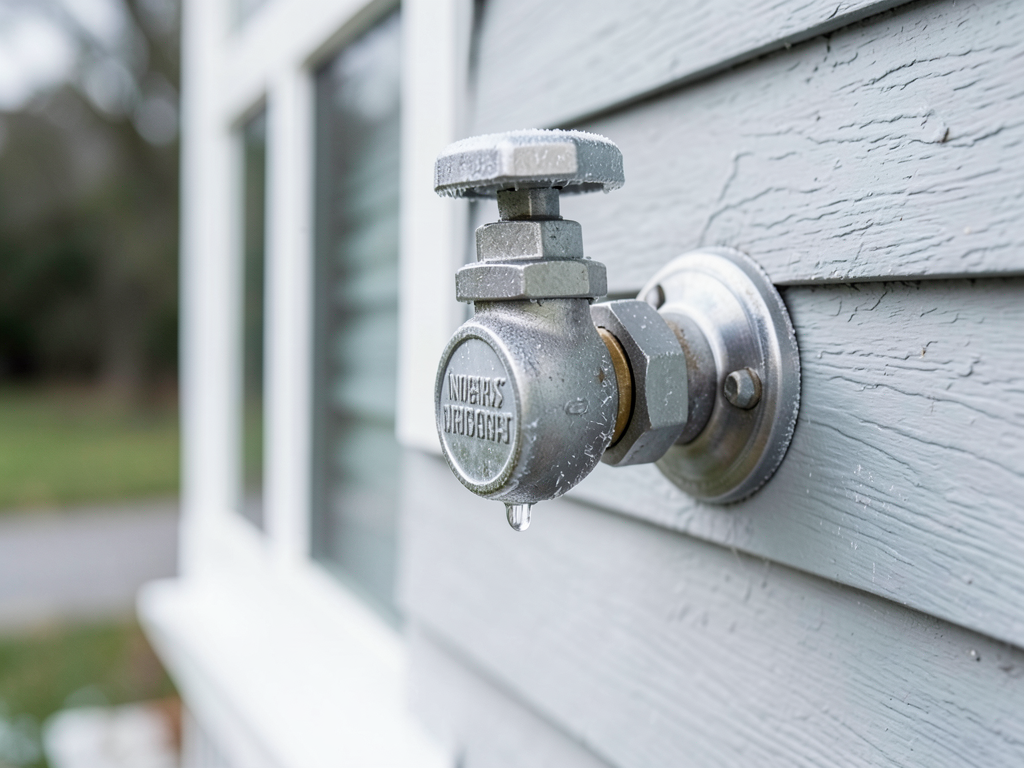
The Hidden Cost of Leaving Your Garden Hose Connected During an Indianapolis Winter Every fall…
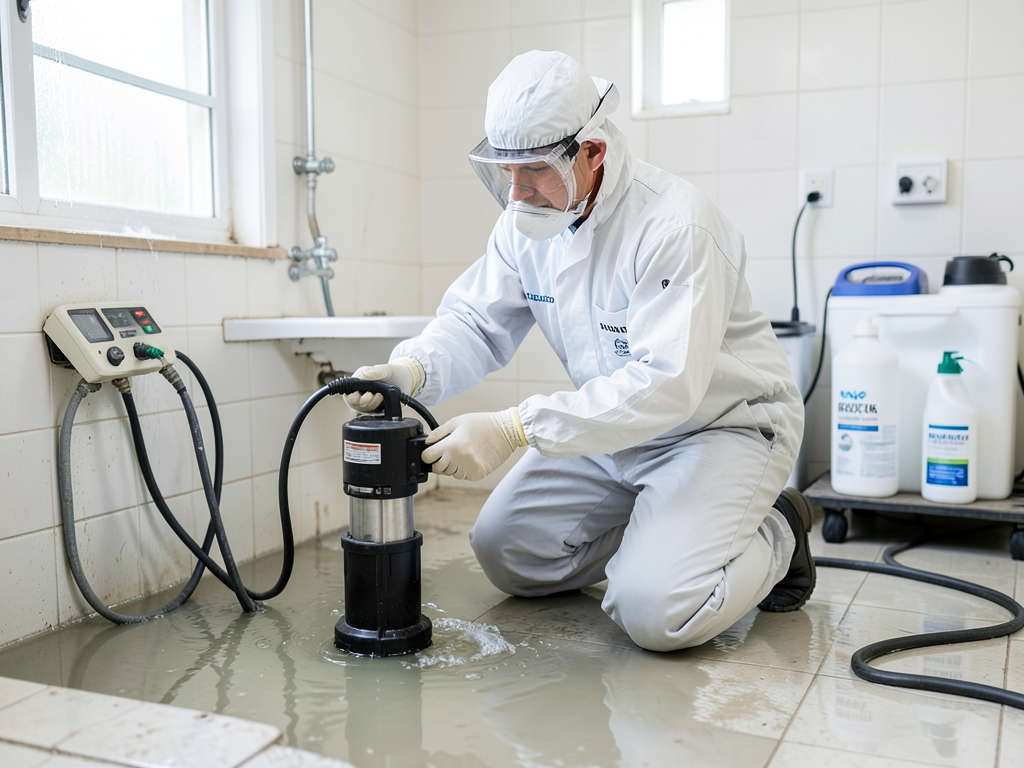
What to Do When Your Toilet Overflows and Drips Through the Ceiling in Fishers Water…
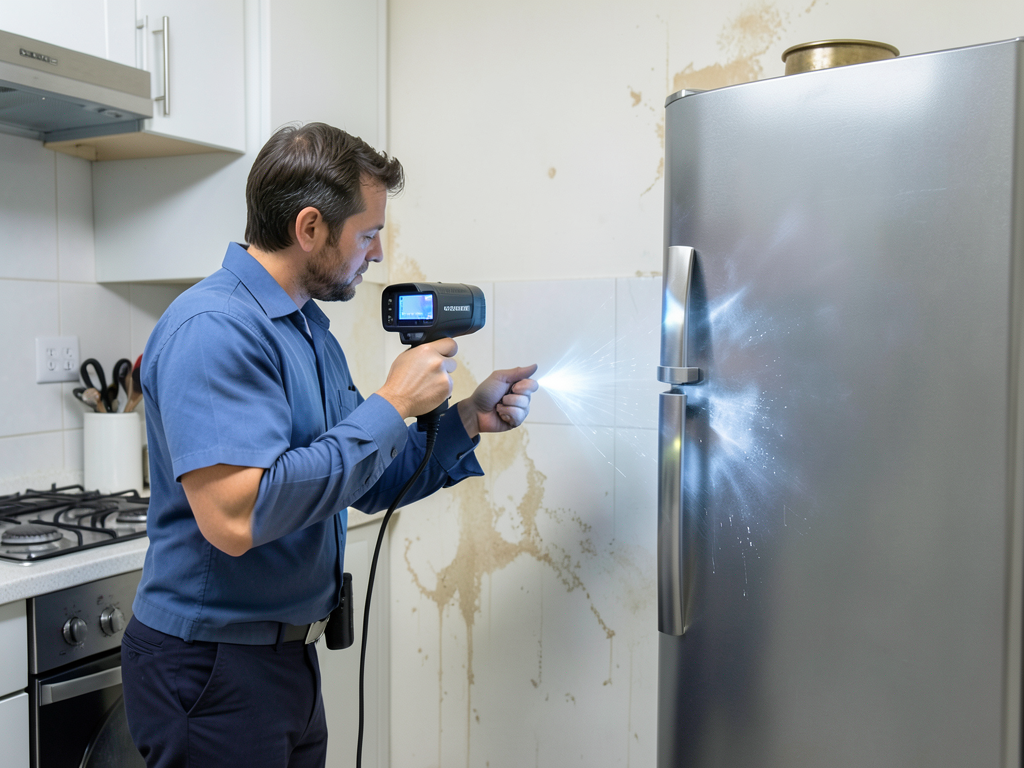
How Your Refrigerator Ice Maker Can Quietly Flood Your Kitchen in Carmel Your refrigerator's ice…
Every hour of delay increases damage and repair costs. Call Apex Water Damage Restoration Indianapolis now at (317) 703-7676 for 60-minute response anywhere in Speedway. Our technicians are standing by 24/7 with extraction equipment and drying systems ready to deploy.