


Greenfield sits in Hancock County where clay-heavy soil creates poor drainage around home foundations. When spring storms dump 3-4 inches of rain in hours, that water has nowhere to go except into basements and crawl spaces. The Brandywine Creek watershed runs through the eastern edge of town, and properties near Riley Park see flooding when the creek jumps its banks during heavy rainfall.
Many Greenfield homes were built between 1950 and 1980 with cast iron drain pipes that corrode from the inside out. When these pipes fail, they dump sewage and water into finished basements without warning. The freeze-thaw cycles we experience from December through March crack foundation walls and create entry points for groundwater. Ice dams form on north-facing roofs when snow melts and refreezes, forcing water under shingles and into attic spaces.
Summer humidity in Central Indiana hovers around 70-80 percent, which means any water that gets into wall cavities or under flooring creates mold growth within 48 hours. Air conditioning systems that run constantly to fight this humidity create condensation issues in ductwork and around supply vents. These conditions make rapid water removal and thorough structural drying non-negotiable for Greenfield property owners.
Apex Water Damage Restoration Indianapolis has pulled water from Greenfield basements, attics, and crawl spaces for over a decade. We know exactly where the clay soil causes chronic seepage issues and which neighborhoods flood when Brandywine Creek rises. Our warehouse sits 15 minutes from downtown Greenfield, which means we arrive with truck-mounted extraction equipment while other companies are still taking your information over the phone.
We staff crews 24 hours a day because pipe bursts and sump pump failures do not respect business hours. When you call at 2 AM with water pouring through your ceiling, a live dispatcher answers and sends a two-person team immediately. No answering services, no callbacks, no delays. Our technicians carry thermal imaging cameras to find hidden moisture in walls and ceilings that standard moisture meters miss. We document everything with photos and detailed moisture readings because we work directly with every major insurance carrier that covers Greenfield properties.
Other restoration companies subcontract their water extraction or mold remediation work. We handle every phase in-house with IICRC-certified technicians who answer to our quality standards. You deal with one company, one project manager, and one guarantee. We pull permits when structural drying requires removing drywall or flooring, and we coordinate with Greenfield building inspectors to keep your project moving. Our equipment stays on your property until moisture readings hit acceptable levels, not when some arbitrary timeline expires. We dry structures right the first time because shortcuts create mold problems that cost you thousands later.

Our dispatch system tracks technician locations in real-time. When you call with a water emergency, we send the closest crew immediately. Most Greenfield properties get a technician on-site within 60 minutes, even during overnight hours. We start extracting water while other companies are still scheduling appointments.

We work directly with your insurance adjuster and provide detailed documentation they need to process your claim quickly. Our estimates follow Xactimate pricing that adjusters recognize and approve. We handle the paperwork so you can focus on getting your life back to normal.
Every technician on our crews holds current IICRC certification in water damage restoration and applied structural drying. We follow industry protocols for moisture mapping, equipment placement, and drying verification. Our work meets the standards insurance companies and building inspectors require.
We know which Greenfield neighborhoods flood, where the soil causes foundation seepage, and how local weather patterns create water damage risks. This knowledge helps us dry your property faster and identify hidden damage other companies miss. We understand the specific challenges Hancock County properties face.
Water damage hits Greenfield homes in different ways depending on the source and location. A burst washing machine hose in a second-floor laundry room creates different problems than a sump pump failure that floods your basement with six inches of groundwater. Apex Water Damage Restoration Indianapolis handles every category of water damage with specialized equipment and proven protocols.
We separate our services into three main categories based on how quickly we need to respond and what the water contains. Emergency extraction for sudden pipe bursts and appliance failures. Structural drying for ongoing seepage and humidity issues. Contaminated water remediation when sewage or floodwater enters your property. Each category requires different equipment, safety protocols, and drying timelines.
Our trucks carry truck-mounted extraction units that pull thousands of gallons per hour, commercial dehumidifiers that process 150 pints daily, and air movers that create the airflow needed for proper drying. We deploy thermal imaging cameras to find moisture in wall cavities and use moisture meters to verify materials have reached acceptable dryness levels. Every project gets documented with photos and moisture readings from start to finish.
When clean water floods your property from burst pipes, failed water heaters, or washing machine overflows, we dispatch crews immediately for emergency extraction. Our truck-mounted pumps remove standing water in minutes, not hours. We pull up saturated carpeting, extract water from pad and subfloor, and set commercial dehumidifiers to pull moisture from the air. Speed matters because water wicks up drywall and into wall cavities within hours. We stop the spread before structural damage occurs.
After extraction, moisture remains trapped in structural materials like drywall, insulation, subflooring, and framing lumber. We deploy air movers and dehumidifiers in specific configurations based on what materials got wet and how saturated they became. Thermal imaging shows us exactly where moisture hides. We monitor daily with moisture meters and adjust equipment placement until readings confirm materials have dried completely. This prevents mold growth and structural rot that show up weeks after water damage occurs.
Sewage backups and floodwater contain bacteria, viruses, and chemical contaminants that make affected materials unsafe. Our technicians wear protective equipment and follow IICRC S500 protocols for contaminated water remediation. We remove porous materials that cannot be sanitized, apply antimicrobial treatments to structural surfaces, and dispose of contaminated debris properly. Air scrubbers with HEPA filtration run continuously to remove airborne particles. We verify safety with post-remediation testing before returning your property to normal use.
Greenfield properties face specific water damage risks that stem from local soil conditions, weather patterns, and housing age. The clay soil throughout Hancock County swells when saturated and shrinks when dry, which creates constant pressure on foundation walls. This pressure cracks concrete and opens gaps where water seeps through during heavy rain. Properties in older neighborhoods near downtown see chronic basement seepage because foundations were poured before modern waterproofing methods existed.
The severe thunderstorms that roll through Central Indiana from April through September dump rainfall faster than storm sewers can handle. When street drains back up, water flows toward the lowest point, which is usually your basement window wells or garage floor drains. Ice dams form on roofs during winter when attic heat melts snow that refreezes at the eaves. The resulting ice forces water under shingles and into attic spaces where it saturates insulation and drips through ceilings.
Many Greenfield homes still have original cast iron drain pipes and galvanized supply lines installed 40-60 years ago. These pipes corrode from the inside and fail without warning, dumping water into finished spaces. Understanding these common problems helps property owners recognize damage early and call for professional water removal before mold growth starts.
Clay soil around Greenfield foundations holds water like a sponge during spring rains. When saturated clay pushes against basement walls, water finds every crack and seam. We see this constantly in properties near Riley Park and along the east side where the water table sits higher. Foundation seepage requires extraction plus identification of entry points.
Central Indiana winters swing between freezing nights and 40-degree days. This freeze-thaw pattern bursts copper pipes in exterior walls and crawl spaces. When pipes fail, they dump gallons per minute until someone shuts off the main supply. The longer water runs, the more damage it causes to drywall, insulation, and flooring.
When spring storms knock out power or sump pumps fail from age, basements flood quickly in Greenfield. The pump that kept your basement dry for years quits during the worst possible moment. Water rises several inches before homeowners notice, saturating carpet, drywall, and stored belongings. Rapid extraction prevents permanent damage.
Ice dams form on north-facing roofs when snow melts and refreezes at the eaves. The ice blocks proper drainage and forces water under shingles. Water saturates attic insulation and drips through ceilings into living spaces below. Summer thunderstorms exploit any weak spots in aging roof systems, causing leaks that damage ceilings and walls.
The moment you discover water damage, confusion and panic set in. You need clear answers and immediate action. When you call Apex Water Damage Restoration Indianapolis, you speak with a trained dispatcher who understands water damage emergencies. They ask specific questions about what happened, where water is coming from, and what areas got affected. This information helps us send the right equipment and crew for your specific situation.
Our dispatcher gives you an estimated arrival time and walks you through immediate safety steps. If water is still flowing, they explain how to shut off your main water supply or specific fixture valves. If electrical outlets or panels got wet, they advise cutting power to affected areas. These first few minutes can prevent additional damage while our crew travels to your property.
When our technicians arrive, they inspect all affected areas with moisture detection equipment. They explain what they find, what equipment they will use, and how long the drying process typically takes for your specific situation. We start extracting water immediately while explaining the work as we go. You get straight answers about damage extent, repair needs, and insurance coverage. No confusion, no surprises, just clear communication and immediate action to stop the damage.
Our dispatch center operates 24 hours daily with trained staff who answer your call immediately. No automated systems or voicemail during emergencies. The dispatcher collects essential information, provides safety guidance, and dispatches the closest available crew to your Greenfield property. Most customers get a technician on-site within 60 minutes of their initial call. We understand that water damage emergencies create stress, so we eliminate delays and provide clear timeframes from the first conversation.
Our project manager explains the complete scope of work before equipment gets deployed. You receive a detailed written estimate that breaks down extraction, drying, and any necessary repairs. Daily moisture readings get documented and shared so you understand exactly how the drying progresses. If we discover additional damage during the process, we notify you immediately and explain what needs to happen next. You get answers to questions in plain language without industry jargon that creates confusion.
We photograph all damage before starting work and document moisture readings throughout the drying process. Our estimates follow Xactimate pricing that insurance adjusters recognize and approve. We communicate directly with your insurance carrier and provide the technical documentation they need to process your claim quickly. You receive copies of all photos, moisture logs, and equipment placement diagrams. This documentation protects you if questions arise later about the scope of damage or necessary repairs.
Water damage restoration follows a specific sequence that addresses immediate damage first, then progressively dries structural materials to prevent long-term problems. Each phase requires different equipment and expertise.
Our crew arrives with truck-mounted extraction units and portable pumps that remove standing water in minutes. We extract water from carpeting, pull saturated pad, and remove water trapped in subflooring. Furniture gets elevated on blocks to prevent additional damage. We document all affected areas with photos and initial moisture readings. The faster we extract standing water, the less damage occurs to structural materials and contents.
After extraction, we deploy commercial dehumidifiers and air movers in specific configurations based on what materials got wet. Thermal imaging cameras locate hidden moisture in walls and ceilings. We monitor moisture levels daily and adjust equipment placement to optimize drying. Dehumidifiers run continuously to pull moisture from the air while air movers create the airflow needed to dry structural materials. This phase continues until moisture meters confirm materials have reached acceptable dryness levels.
Once moisture readings hit target levels, we remove drying equipment and verify all affected areas with final moisture mapping. Any materials that suffered permanent damage get documented for repair or replacement. We coordinate with your insurance adjuster on final scope and provide detailed documentation of all work completed. Your property returns to pre-loss condition and you can move forward knowing the job was done right.
Professional water damage restoration follows specific technical standards established by the Institute of Inspection, Cleaning and Restoration Certification. The IICRC S500 Standard guides every decision we make about water removal, structural drying, and contamination control. These standards exist because improper drying creates mold growth, structural rot, and indoor air quality problems that show up weeks or months after water damage occurs.
Water damage gets classified into three categories based on contamination level. Category 1 is clean water from supply lines or rainwater. Category 2 is gray water from washing machines, dishwashers, or toilet overflow with urine but no feces. Category 3 is black water containing sewage, floodwater, or groundwater with bacteria and chemical contaminants. Each category requires different safety protocols and determines which materials can be dried versus what must be removed.
The IICRC also classifies damage by how much water affected materials absorbed and how difficult drying will be. Class 1 affects only part of a room with minimal absorption into materials. Class 2 affects an entire room with significant absorption into carpet, pad, and up to 24 inches of wall structure. Class 3 involves ceiling, wall, and floor saturation from overhead sources. Class 4 requires specialty drying for hardwood, plaster, and concrete that absorbed deep moisture.
We use psychrometry to calculate the specific dehumidification capacity needed for your property. This science measures air temperature, relative humidity, and moisture content to determine exactly how many dehumidifiers and air movers we need for proper drying. Daily readings track the drying curve and tell us when to adjust equipment placement or when materials have reached the goal moisture content of 15 percent or less for wood and 1.5 percent or less for concrete.
Thermal imaging cameras detect moisture in wall cavities and ceiling spaces where standard moisture meters cannot reach. These cameras show temperature differences that indicate wet insulation, saturated drywall, or moisture trapped behind finished surfaces. We use this technology to find hidden damage that would otherwise lead to mold growth after we leave your property. Every finding gets documented with thermal images included in your final report.
The IICRC S500 Standard establishes protocols for water damage restoration based on decades of research and field testing. We follow these guidelines for water classification, material removal decisions, drying procedures, and verification methods. Insurance companies recognize IICRC standards as the benchmark for proper restoration work. Our compliance protects you from substandard work that creates future problems.
Several factors determine how long drying takes and what equipment we need. Water category and damage class provide the foundation. Building materials matter because hardwood and plaster dry slower than carpet and drywall. Outdoor humidity affects dehumidifier performance during summer months. How quickly we arrive after damage occurs impacts how much water absorbed into materials. These variables explain why accurate drying estimates require on-site inspection.
Most water damage projects require 3-5 days of active drying with equipment running continuously. Simple carpet and pad flooding may dry in 72 hours. Wall cavity saturation or hardwood floor damage can take 7-10 days. We never pull equipment based on arbitrary timelines. Drying continues until moisture meters confirm materials have reached acceptable levels. Rushing the drying process creates mold problems that cost thousands to remediate later.
Indiana does not require specific state licensing for water damage restoration contractors, which means homeowners must verify company credentials independently. Look for IICRC certification, general liability insurance, and workers compensation coverage. We carry full insurance and maintain IICRC certification for every technician on our crews. This protects you from liability if someone gets injured on your property during restoration work.
This video explains water damage risks specific to Greenfield, Indiana properties, including clay soil foundation seepage, storm flooding near Brandywine Creek, and aging pipe failures. Learn the IICRC restoration process, proper structural drying techniques, and insurance documentation requirements. Covers emergency water extraction, dehumidification protocols, and mold prevention strategies used by certified water damage restoration professionals serving Hancock County communities.
Apex Water Damage Restoration Indianapolis serves all of Greenfield and the surrounding communities throughout Hancock County. Our response area includes the established neighborhoods near downtown Greenfield where homes date back to the early 1900s and foundation seepage remains a constant challenge. We frequently work in the Chapel Woods and Brandywine subdivisions on the east side where newer construction still faces water damage from storm runoff and plumbing failures.
Properties near Riley Park see flooding when Brandywine Creek rises during heavy spring storms. The low-lying areas along the creek corridor require rapid response when water overtops banks and flows into basements and crawl spaces. We know these flood-prone zones and keep equipment staged for quick deployment when the National Weather Service issues flood warnings for Hancock County.
The north side of Greenfield includes a mix of ranch homes and two-story properties built in the 1960s and 1970s. These homes often have aging cast iron drain pipes that fail without warning, dumping sewage and water into finished basements. We handle contaminated water cleanup throughout this area with proper safety protocols and antimicrobial treatments. The commercial district along US 40 also calls us for water damage in retail spaces and office buildings when roof leaks or pipe bursts threaten inventory and equipment.
We extend service to McCordsville, Fortville, and New Palestine where residential growth has created demand for reliable water damage restoration. The newer subdivisions in these communities face different challenges than older Greenfield properties, but water damage requires the same rapid response regardless of building age. Cumberland to the west also falls within our service area, and we respond quickly when residents there face basement flooding or pipe failures.
Our warehouse location keeps us within 15-20 minutes of any property in Hancock County. This proximity matters when water is actively damaging your home or business. The difference between a 30-minute response time and a 2-hour response time can mean thousands of dollars in additional damage. We understand the geography, the weather patterns, and the specific challenges that Greenfield properties face. This local knowledge helps us dry structures faster and identify hidden damage that out-of-area companies miss.
Water damage restoration in Greenfield involves removing water, drying affected areas, and repairing structural damage to your property. Professional teams assess the extent of damage, extract standing water, and use industrial equipment to dry walls, floors, and belongings. The process includes treating mold growth, sanitizing affected spaces, and restoring your home to pre-damage condition. Quick action is critical because water spreads rapidly through porous materials. Most restoration projects take three to seven days depending on severity. Your homeowner's insurance often covers water damage from sudden incidents like burst pipes or appliance failures.
Response time determines the success of water damage restoration. Contact a Greenfield restoration company within the first 24 hours of discovering water damage. Water begins causing permanent damage to drywall and flooring within hours. Mold spores start growing within 48 hours in moist environments. The longer water sits, the more extensive and expensive repairs become. Professional crews arrive equipped with moisture meters, extraction tools, and drying equipment. They document damage for insurance claims and create a restoration plan. Evening and weekend emergencies require immediate attention to prevent structural deterioration and health hazards.
Greenfield restoration teams categorize water damage into three types. Clean water comes from broken pipes, rainwater, or overflowing sinks. Gray water contains some contaminants from appliances like dishwashers or washing machines. Black water includes sewage or flood water carrying dangerous bacteria and pathogens. Each category requires different safety protocols and cleaning methods. Clean water restoration is straightforward, while black water demands protective equipment and thorough sanitization. Professionals test water sources before starting work. They follow health department guidelines for disposal and cleaning. Never attempt black water cleanup yourself due to serious health risks.
Water damage restoration in Greenfield involves removing water, drying affected areas, and repairing structural damage to your property. Professional teams assess the extent of damage, extract standing water, and use industrial equipment to dry walls, floors, and belongings. The process includes treating mold growth, sanitizing affected spaces, and restoring your home to pre-damage condition. Quick action is critical because water spreads rapidly through porous materials. Most restoration projects take three to seven days depending on severity. Your homeowner's insurance often covers water damage from sudden incidents like burst pipes or appliance failures.
Response time determines the success of water damage restoration. Contact a Greenfield restoration company within the first 24 hours of discovering water damage. Water begins causing permanent damage to drywall and flooring within hours. Mold spores start growing within 48 hours in moist environments. The longer water sits, the more extensive and expensive repairs become. Professional crews arrive equipped with moisture meters, extraction tools, and drying equipment. They document damage for insurance claims and create a restoration plan. Evening and weekend emergencies require immediate attention to prevent structural deterioration and health hazards.
Greenfield restoration teams categorize water damage into three types. Clean water comes from broken pipes, rainwater, or overflowing sinks. Gray water contains some contaminants from appliances like dishwashers or washing machines. Black water includes sewage or flood water carrying dangerous bacteria and pathogens. Each category requires different safety protocols and cleaning methods. Clean water restoration is straightforward, while black water demands protective equipment and thorough sanitization. Professionals test water sources before starting work. They follow health department guidelines for disposal and cleaning. Never attempt black water cleanup yourself due to serious health risks.
Professional restoration equipment removes water faster and more thoroughly than household tools. Industrial extractors pull thousands of gallons from carpets and padding. Air movers create airflow patterns that speed evaporation from surfaces. Commercial dehumidifiers remove moisture from the air, preventing it from reabsorbing into materials. Moisture meters detect hidden water pockets inside walls and under floors. Thermal imaging cameras identify wet areas invisible to the naked eye. This specialized equipment works together to dry structures completely. Incomplete drying leads to mold growth and structural weakness. Rental equipment lacks the power of professional-grade machines.
Your insurance coverage depends on the water source and your policy terms. Most homeowner policies cover sudden and accidental water damage like burst pipes, appliance malfunctions, or roof leaks from storms. Policies typically exclude gradual damage from poor maintenance or flooding from outside sources. Flood insurance requires a separate policy through the National Flood Insurance Program. Document everything with photos and videos before cleanup begins. Keep receipts for emergency repairs and temporary housing. Contact your insurance company immediately after securing the property. Restoration companies often work directly with insurance adjusters to streamline claims processing.
Mold becomes a concern within 48 hours of water exposure. Greenfield's humid climate accelerates mold growth in damp spaces. Restoration teams apply antimicrobial treatments to affected surfaces during the drying process. They remove porous materials like carpet padding and drywall if saturation is severe. Air scrubbers filter mold spores from the air during restoration. After drying, technicians test moisture levels to confirm complete removal. Persistent musty odors indicate hidden moisture or mold growth. Never paint over or cover water-stained areas without proper drying. Trapped moisture creates ideal conditions for toxic mold species.
Restoration teams follow a systematic approach to water damage. First, they inspect your property and identify the water source. Next, they extract standing water with pumps and vacuums. Then they move or remove furniture and belongings from affected areas. Technicians set up drying equipment and monitor moisture levels daily. They remove unsalvageable materials like soaked drywall or insulation. After complete drying, crews clean and sanitize all surfaces. Finally, they rebuild damaged structures and restore your home. The entire process requires coordination between water extraction, drying, mold prevention, and reconstruction phases.
You must act immediately when you discover water damage. First, shut off the water source if safe to do so. Turn off electricity to affected areas to prevent electrocution. Move valuables and furniture to dry areas. Remove standing water with mops or towels for small amounts. Open windows for ventilation if weather permits. Take photos and videos of all damage for insurance documentation. Call a Greenfield restoration company for emergency service. Do not use regular vacuum cleaners on wet carpets. Avoid entering rooms with standing water if electrical outlets are submerged. Quick action minimizes damage and reduces restoration time.
Not all materials survive water exposure. Hardwood floors often warp and buckle when saturated. Laminate flooring delaminates and requires replacement. Carpet and padding harbor bacteria and mold after soaking. Drywall loses structural integrity and crumbles when wet. Insulation becomes compressed and ineffective after water damage. Electronics and appliances suffer internal corrosion from moisture. However, tile, concrete, and metal often survive with proper cleaning. Solid wood furniture dries successfully if treated quickly. Professional assessment determines what items you save versus replace. Attempting to salvage severely damaged materials leads to future problems.
Prevention saves you from expensive restoration projects. Inspect your Greenfield home regularly for leaks around pipes, appliances, and the roof. Clean gutters and downspouts to direct water away from your foundation. Replace washing machine hoses every five years. Install water detection alarms near water heaters, sump pumps, and under sinks. Know where your main water shutoff valve is located. Maintain your HVAC system to prevent condensation problems. Check your water bill for unexplained increases indicating hidden leaks. Seal basement walls and install a sump pump in flood-prone areas. Small investments in prevention avoid major restoration expenses.
Professional restoration equipment removes water faster and more thoroughly than household tools. Industrial extractors pull thousands of gallons from carpets and padding. Air movers create airflow patterns that speed evaporation from surfaces. Commercial dehumidifiers remove moisture from the air, preventing it from reabsorbing into materials. Moisture meters detect hidden water pockets inside walls and under floors. Thermal imaging cameras identify wet areas invisible to the naked eye. This specialized equipment works together to dry structures completely. Incomplete drying leads to mold growth and structural weakness. Rental equipment lacks the power of professional-grade machines.
Your insurance coverage depends on the water source and your policy terms. Most homeowner policies cover sudden and accidental water damage like burst pipes, appliance malfunctions, or roof leaks from storms. Policies typically exclude gradual damage from poor maintenance or flooding from outside sources. Flood insurance requires a separate policy through the National Flood Insurance Program. Document everything with photos and videos before cleanup begins. Keep receipts for emergency repairs and temporary housing. Contact your insurance company immediately after securing the property. Restoration companies often work directly with insurance adjusters to streamline claims processing.
Mold becomes a concern within 48 hours of water exposure. Greenfield's humid climate accelerates mold growth in damp spaces. Restoration teams apply antimicrobial treatments to affected surfaces during the drying process. They remove porous materials like carpet padding and drywall if saturation is severe. Air scrubbers filter mold spores from the air during restoration. After drying, technicians test moisture levels to confirm complete removal. Persistent musty odors indicate hidden moisture or mold growth. Never paint over or cover water-stained areas without proper drying. Trapped moisture creates ideal conditions for toxic mold species.
Restoration teams follow a systematic approach to water damage. First, they inspect your property and identify the water source. Next, they extract standing water with pumps and vacuums. Then they move or remove furniture and belongings from affected areas. Technicians set up drying equipment and monitor moisture levels daily. They remove unsalvageable materials like soaked drywall or insulation. After complete drying, crews clean and sanitize all surfaces. Finally, they rebuild damaged structures and restore your home. The entire process requires coordination between water extraction, drying, mold prevention, and reconstruction phases.
You must act immediately when you discover water damage. First, shut off the water source if safe to do so. Turn off electricity to affected areas to prevent electrocution. Move valuables and furniture to dry areas. Remove standing water with mops or towels for small amounts. Open windows for ventilation if weather permits. Take photos and videos of all damage for insurance documentation. Call a Greenfield restoration company for emergency service. Do not use regular vacuum cleaners on wet carpets. Avoid entering rooms with standing water if electrical outlets are submerged. Quick action minimizes damage and reduces restoration time.
Not all materials survive water exposure. Hardwood floors often warp and buckle when saturated. Laminate flooring delaminates and requires replacement. Carpet and padding harbor bacteria and mold after soaking. Drywall loses structural integrity and crumbles when wet. Insulation becomes compressed and ineffective after water damage. Electronics and appliances suffer internal corrosion from moisture. However, tile, concrete, and metal often survive with proper cleaning. Solid wood furniture dries successfully if treated quickly. Professional assessment determines what items you save versus replace. Attempting to salvage severely damaged materials leads to future problems.
Prevention saves you from expensive restoration projects. Inspect your Greenfield home regularly for leaks around pipes, appliances, and the roof. Clean gutters and downspouts to direct water away from your foundation. Replace washing machine hoses every five years. Install water detection alarms near water heaters, sump pumps, and under sinks. Know where your main water shutoff valve is located. Maintain your HVAC system to prevent condensation problems. Check your water bill for unexplained increases indicating hidden leaks. Seal basement walls and install a sump pump in flood-prone areas. Small investments in prevention avoid major restoration expenses.
We are proud to serve the entire Indianapolis area and surrounding communities, providing rapid-response water damage restoration right where you need it most. Our central location allows us to deploy our 24/7 emergency teams quickly across the region. View our service area on the map below and remember that wherever you are in the Indianapolis metropolitan area, Apex Water Damage Restoration Indianapolis is ready to deliver expert and trustworthy service to secure your home or business.
Address:
Greenfield, IN, 46140

Why Your Bottleworks District Shop Needs a Water Emergency Plan Before the Next Flash Flood\nThe Bottleworks District sits in a low-lying area near Fall Creek, making it particularly vulnerable to flash flooding during heavy Indiana…
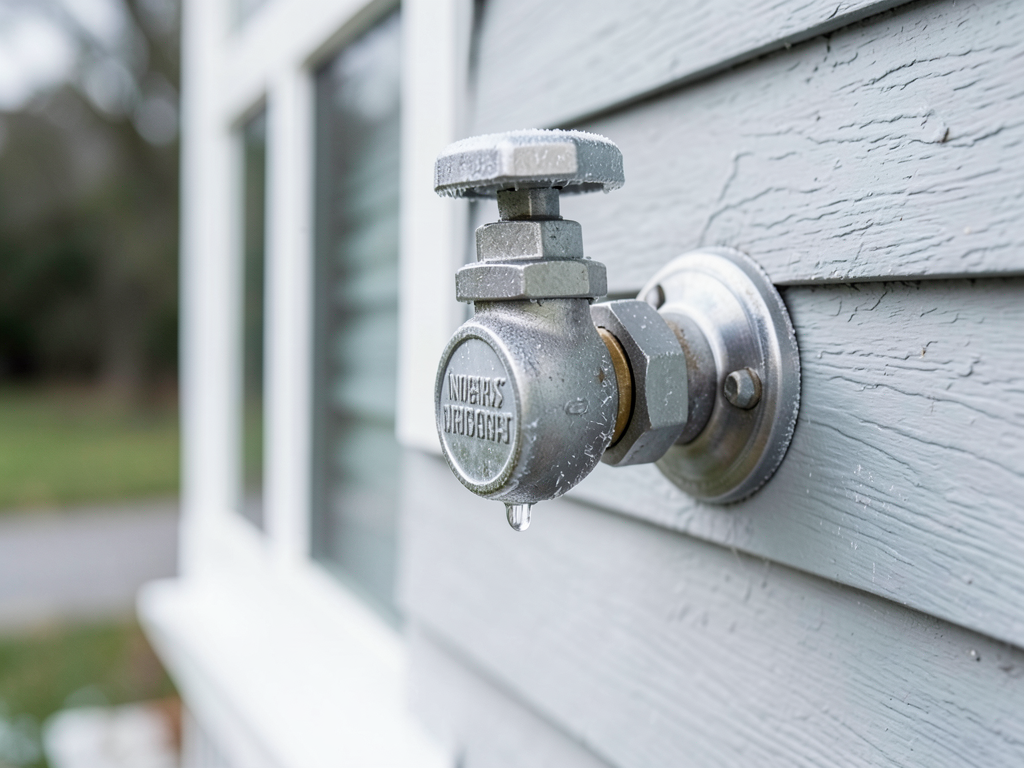
The Hidden Cost of Leaving Your Garden Hose Connected During an Indianapolis Winter Every fall…
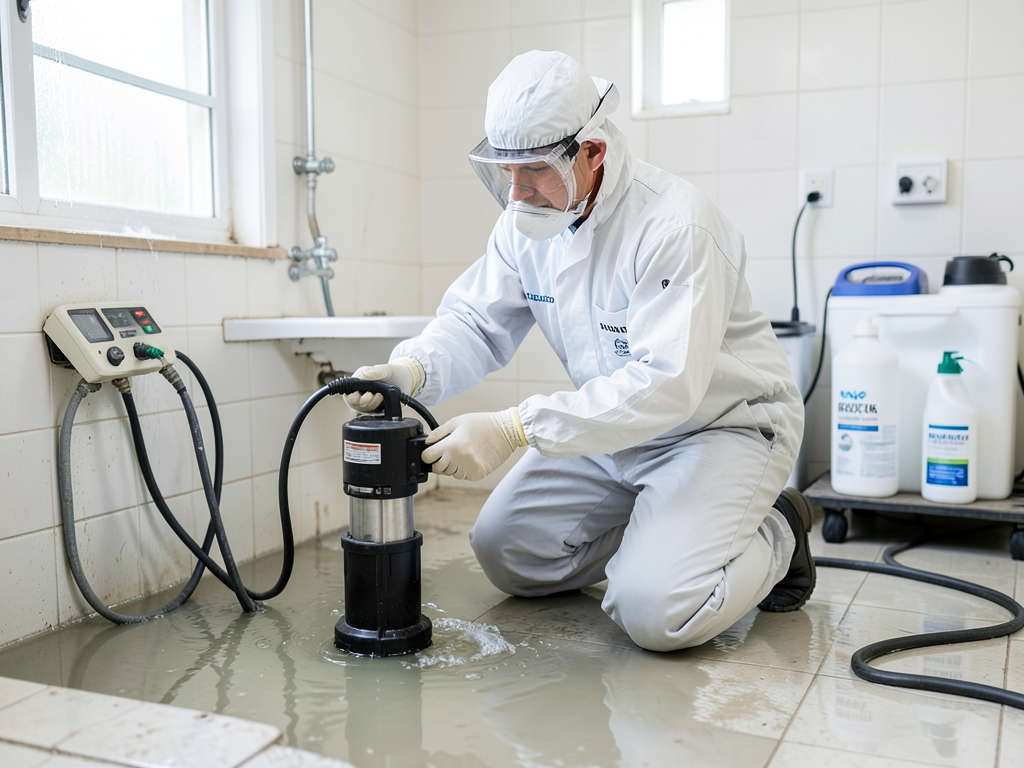
What to Do When Your Toilet Overflows and Drips Through the Ceiling in Fishers Water…
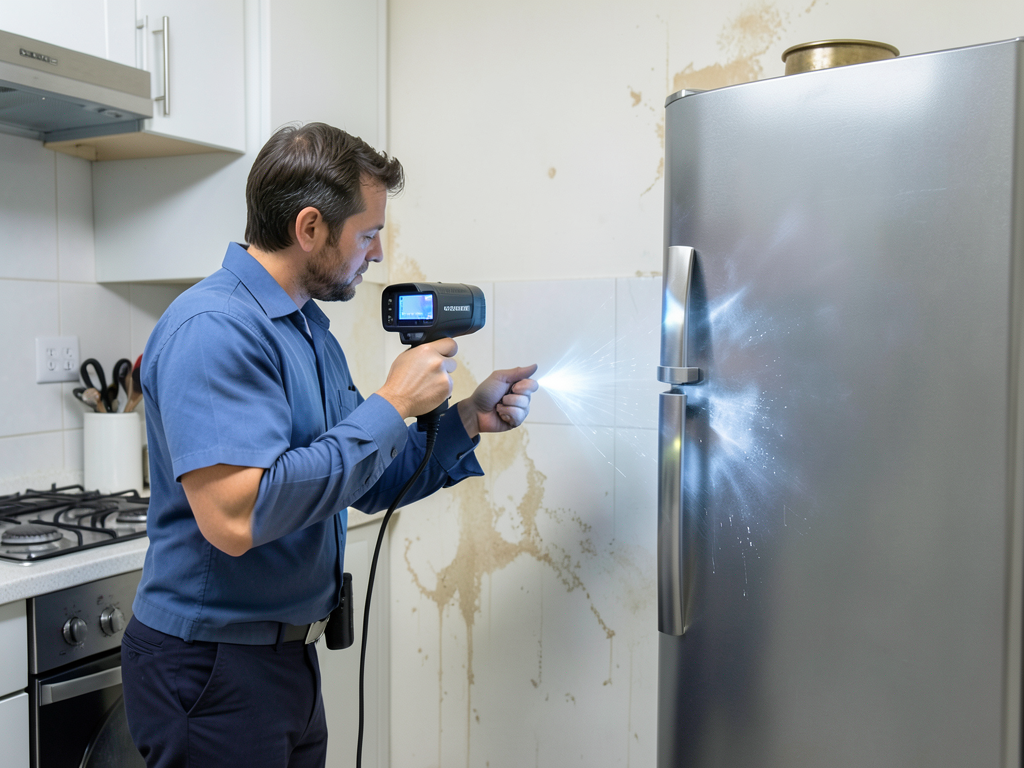
How Your Refrigerator Ice Maker Can Quietly Flood Your Kitchen in Carmel Your refrigerator's ice…
Water damage gets worse every hour you wait. Our crews are standing by 24 hours daily to respond to your emergency. Call Apex Water Damage Restoration Indianapolis right now at (317) 703-7676 for immediate dispatch to your Greenfield property.