menu

Rapid Response Flood Extraction in Indianapolis – Emergency Crews Dispatched in Under 60 Minutes

When water invades your Indianapolis home or business, our rapid response flood extraction teams arrive fast with industrial-grade pumps and truck-mounted vacuums to stop structural damage before it spreads through your foundation and walls.

Slider Image 1
Slider Image 2
Slider Image 3
Slider Image 4
Slider Image 5
Slider Image 7
Slider Image 8
Slider Image 9
Slider Image 10
Slider Image 11

Why Indianapolis Basements and Crawl Spaces Flood Fast

Indianapolis sits on dense clay soil that does not absorb water. When heavy rain hits, water pools on the surface and finds the path of least resistance, which is your foundation. Combine that with our freeze-thaw cycles that crack concrete and our outdated storm sewer systems in neighborhoods like Broad Ripple and Fountain Square, and you have a recipe for basement flooding.

Most Indianapolis homes were built between 1920 and 1970. Many still have original sump pumps or no backflow prevention at all. When the White River or Fall Creek overflow during spring storms, combined sewer systems back up into basements. Your carpet soaks through in minutes. Drywall wicks moisture three feet up the wall in hours. Mold spores activate in 24 to 48 hours.

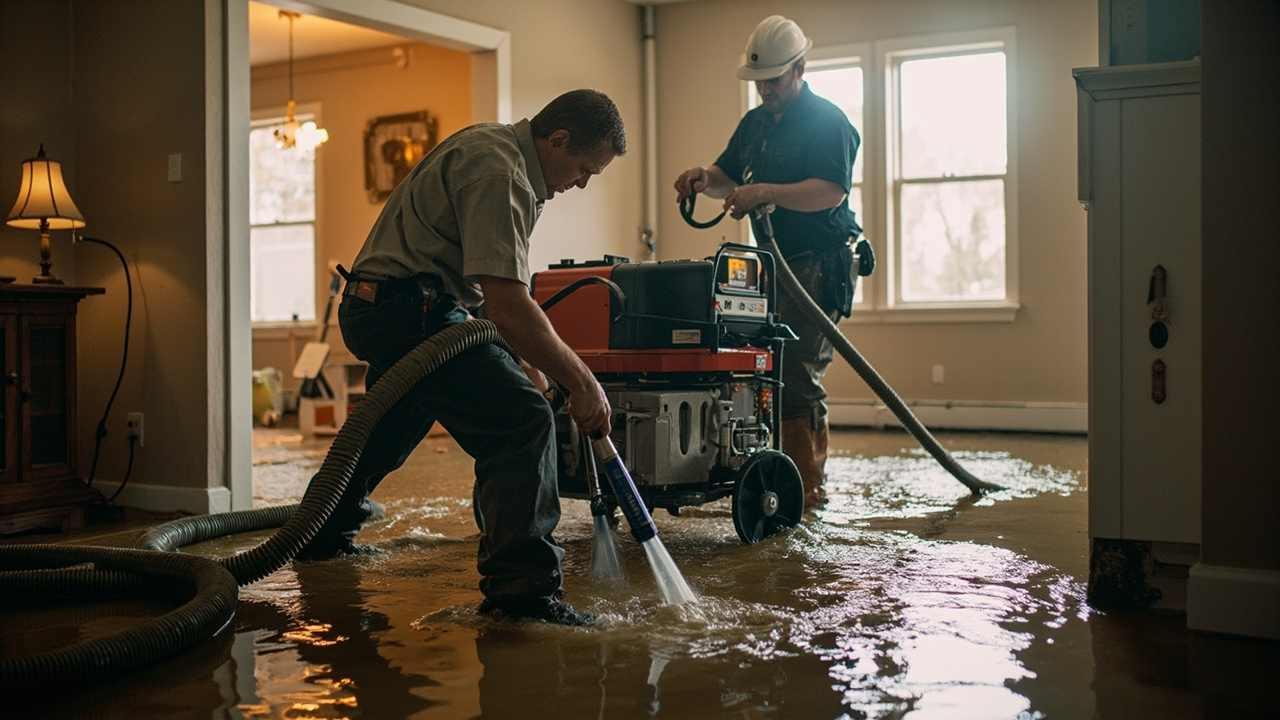
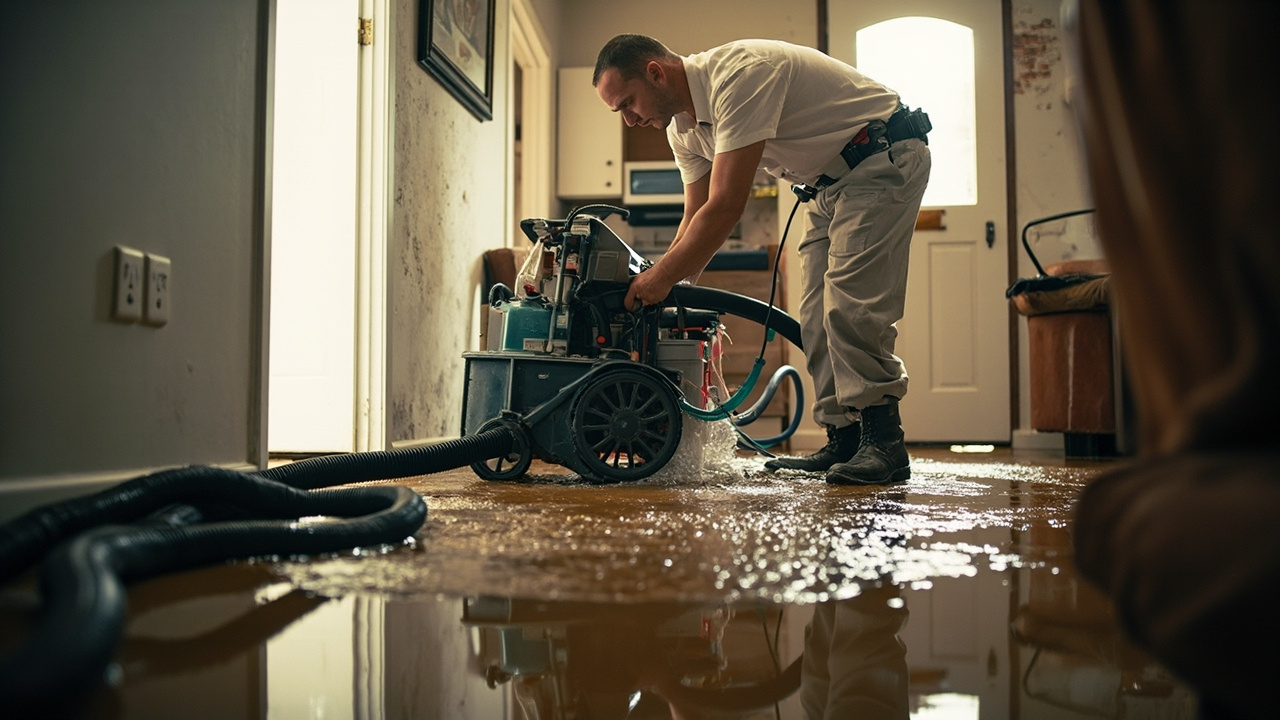
You need emergency water removal services that understand how fast water spreads in Indianapolis homes. Our 24/7 flood extraction teams know the difference between a burst pipe and a sewer backup. We bring truck-mounted extraction units that pull thousands of gallons per hour, not the small shop-vacs that leave standing water in your crawl space. Urgent water cleanup means stopping the spread before your HVAC ducts pull contaminated air through your home. Immediate flood pumping means we deploy submersible pumps to clear your basement before the water undermines your foundation footings.

When you call for emergency water damage extraction, every minute counts. Water does not wait for business hours.

Why Indianapolis Basements and Crawl Spaces Flood Fast
How We Extract Flood Water Without Destroying Your Property

How We Extract Flood Water Without Destroying Your Property

Most homeowners grab a wet-dry vacuum and make the problem worse. You cannot extract water fast enough with consumer equipment. You need commercial extraction that pulls water from carpet padding, subfloors, and wall cavities without tearing apart your home.

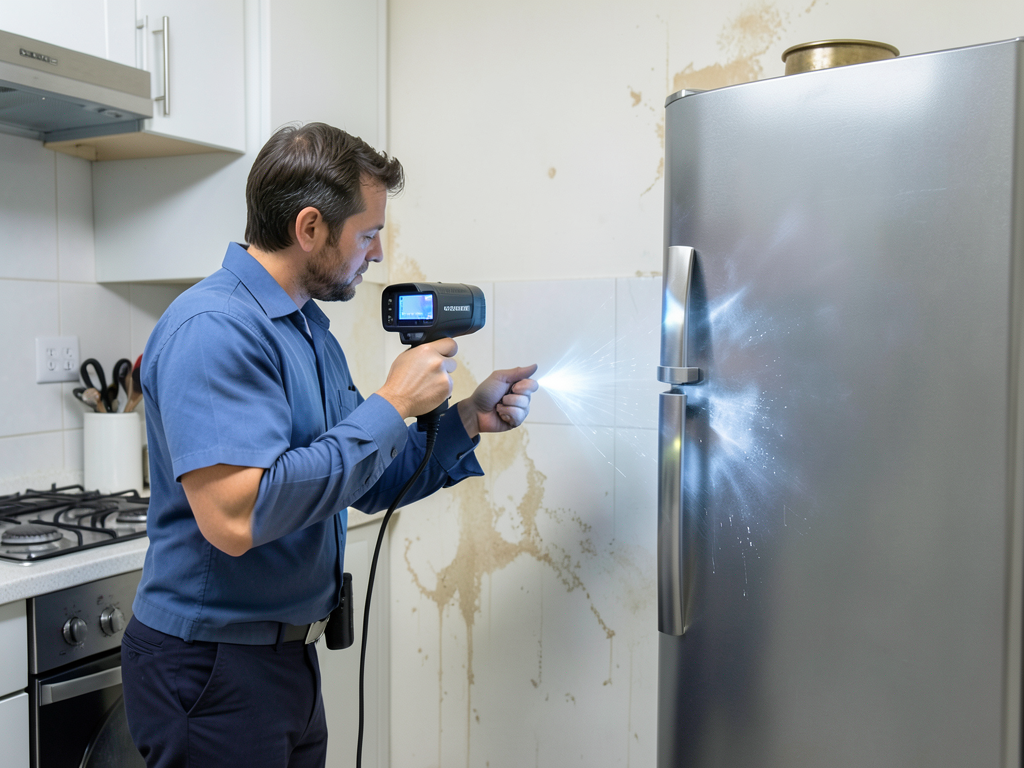
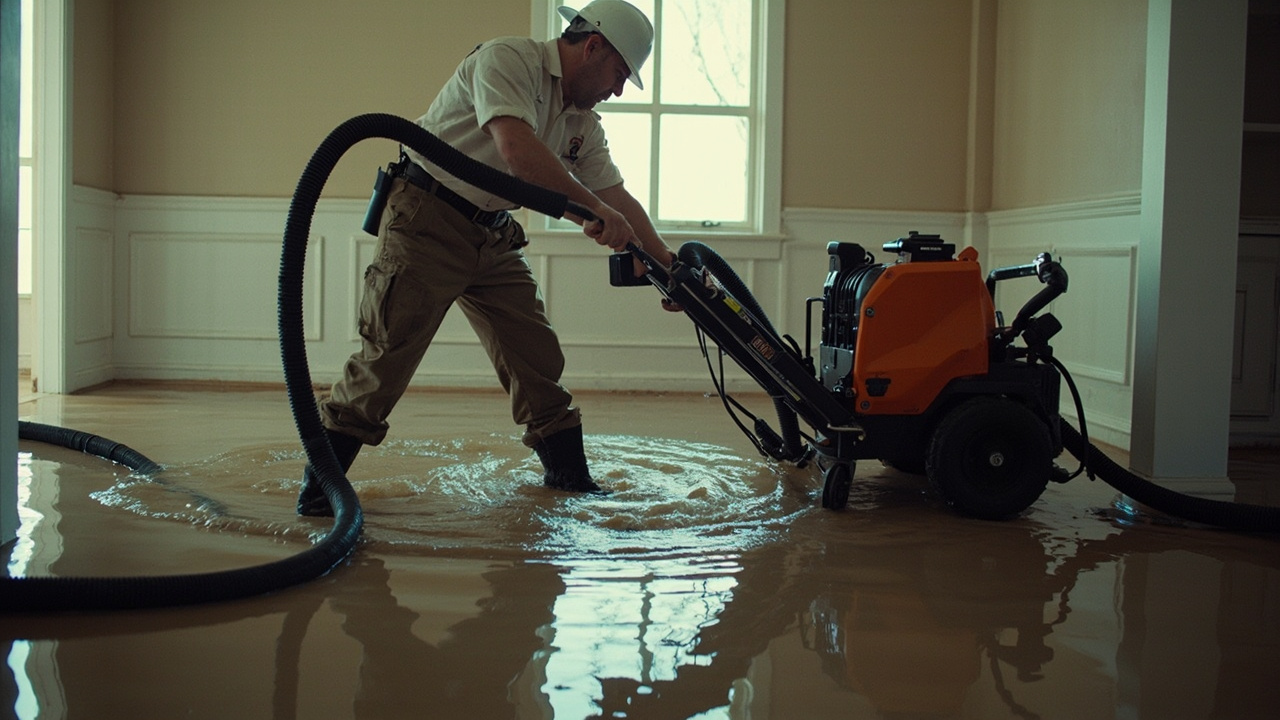
We use truck-mounted extraction units that generate vacuum pressures five times stronger than portable units. These systems pull water through wands inserted into carpet edges and pad seams. We extract water without pulling up your flooring unless the subfloor is compromised. Our technicians map moisture levels using thermal imaging cameras to identify hidden pockets in wall cavities and insulation.

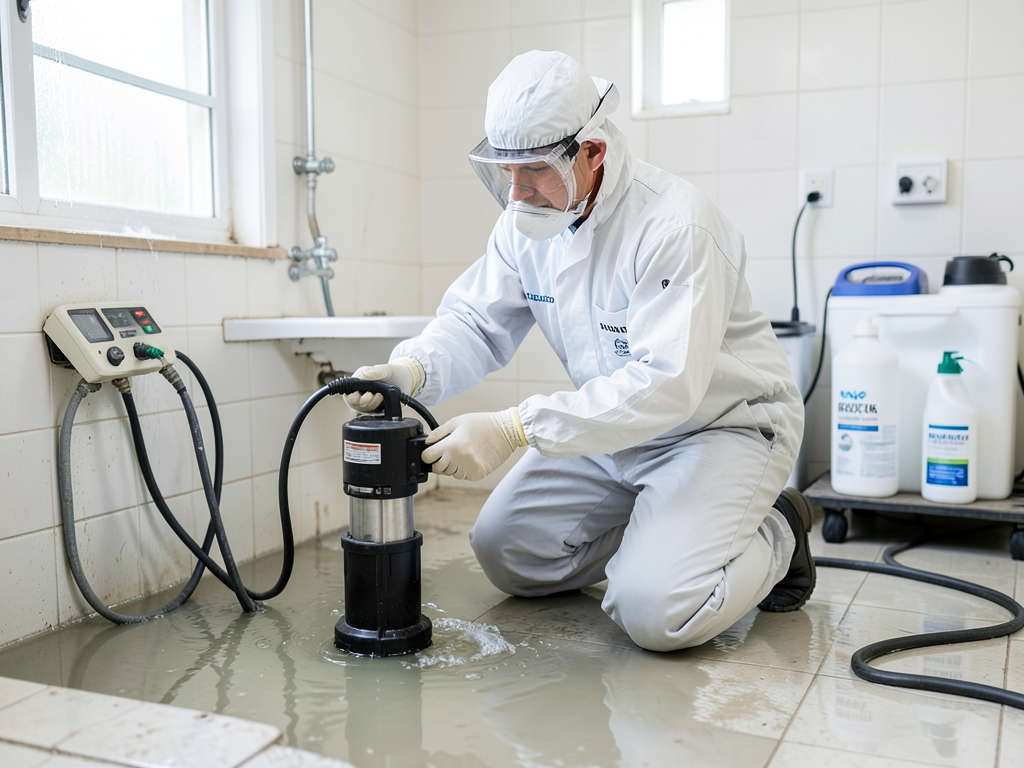
For crawl spaces and basements with standing water, we deploy submersible trash pumps rated for solids up to two inches. These pumps clear debris-filled floodwater without clogging. We stage pumps at the lowest point and run discharge lines away from your foundation to prevent re-entry.

After extraction, we place commercial air movers in a vortex pattern to create airflow across all wet surfaces. We pair these with low-grain refrigerant dehumidifiers that pull moisture from the air faster than desiccant models. We do not just dry the surface. We dry the structure. Our psychrometric calculations determine the exact equipment placement and runtime needed to reach equilibrium moisture content in your framing lumber and concrete.

Apex Water Damage Restoration Indianapolis monitors drying progress with moisture meters calibrated for wood, drywall, and concrete. We document readings twice daily until your structure reaches pre-loss moisture levels. This is not guesswork. This is building science applied to emergency water removal services.

What Happens When You Call for Emergency Flood Extraction

Rapid Response Flood Extraction in Indianapolis – Emergency Crews Dispatched in Under 60 Minutes
01

Immediate Dispatch and Assessment

We dispatch a crew to your Indianapolis property within 60 minutes of your call. Our lead technician performs a source identification assessment to stop active water intrusion. We classify the water as clean, gray, or black based on contamination level, which determines extraction protocols and safety equipment. We document pre-loss conditions with photos and moisture readings for your insurance claim.
02

High-Volume Water Extraction

Our crew deploys truck-mounted extractors or submersible pumps based on water volume and location. We extract water from all affected areas, including carpet, padding, and porous materials. Our technicians use weighted extraction tools on carpets and tile extraction wands on hard surfaces. We remove unsalvageable materials like soaked insulation and degraded drywall to prevent secondary microbial growth.
03

Structural Drying and Monitoring

We position commercial air movers and dehumidifiers in a scientifically calculated layout to create optimal drying conditions. Our team monitors moisture levels in structural materials twice daily using penetrating and non-invasive meters. We adjust equipment placement and runtime based on psychrometric data until your property reaches normal moisture equilibrium. We provide daily updates and a final drying report for your records and insurance adjuster.

Why Indianapolis Homeowners Choose Local Flood Extraction Experts

When your basement floods at 2 a.m., you need a crew that knows Indianapolis. We know which neighborhoods flood during flash storms. We know the older homes in Irvington have cast iron drain lines that corrode from the inside. We know the brick ranch homes in Northeastside have crawl spaces with vapor barriers that trap water instead of channeling it to sump basins.

We work with every major insurance carrier that writes policies in Marion County. We know what State Farm requires for documentation. We know how to write estimates that meet Travelers' pricing guidelines. We handle the entire claims process so you do not spend hours on hold with adjusters.

Our extraction equipment is staged in Indianapolis, not shipped from regional hubs. When you call, we load the truck and drive to your property. We do not wait for equipment to arrive from Louisville or Cincinnati. We own our truck-mounted extractors, submersible pumps, and drying equipment. We do not rent equipment and pass the cost to you.

Apex Water Damage Restoration Indianapolis is not a franchise paying royalties to a national brand. We invest in our equipment and our people. Our lead technicians hold IICRC certifications in water damage restoration and applied structural drying. They understand building science, not just equipment operation.

We also understand Indianapolis building codes. We know when wet drywall can be dried in place and when it must be removed to meet IRC standards for mold prevention. We coordinate with city inspectors when required for permit compliance. We do the work right so you pass inspection the first time.

You get local expertise backed by commercial-grade equipment and insurance industry knowledge.

What to Expect During Emergency Flood Extraction

Response Time and Availability

We answer emergency calls 24 hours a day, 365 days a year. When you call, you speak to a dispatcher who collects your address, contact information, and a brief description of the water damage. We dispatch a crew immediately and provide an estimated arrival time, usually within 60 minutes for Indianapolis properties. Our crews carry all necessary extraction and safety equipment on their trucks. We do not need to return to a warehouse to load gear. We arrive ready to work and begin water removal within minutes of walking through your door.

Initial Inspection and Water Classification

Our lead technician performs a visual inspection to identify the water source and classify contamination level. Clean water from supply lines requires different protocols than gray water from appliances or black water from sewage backups. We use moisture meters and thermal cameras to map the extent of saturation in floors, walls, and ceilings. We document all findings with photos and written notes for your insurance claim. This inspection takes 15 to 30 minutes and determines our extraction strategy and safety precautions for your specific situation.

Extraction Quality and Thoroughness

We extract water until moisture readings drop below saturation thresholds for each material type. Carpet should read below 20 percent moisture content. Wood subfloors should read below 16 percent. Concrete should read below 4 percent on a non-destructive scanner. We do not stop when the surface looks dry. We stop when the structure is dry. Our goal is to prevent secondary damage like swelling, warping, and microbial growth. You receive a property that is ready for reconstruction or safe to reoccupy, depending on damage severity.

Documentation and Insurance Coordination

We provide detailed documentation for every phase of the extraction and drying process. You receive daily moisture logs, equipment placement diagrams, and photo documentation. We prepare estimates in Xactimate, the software used by most insurance adjusters, which speeds up approval times. We communicate directly with your adjuster to answer questions and provide technical justification for our scope of work. We also store your documentation digitally so you have permanent records if future issues arise. Our goal is to make the insurance process as smooth as possible while you focus on getting back to normal.

Frequently Asked Questions

You Have Questions,
We Have Answers

What is the average insurance payout for water damage? +

Average insurance payouts for water damage in Indianapolis vary widely based on damage extent and policy coverage. Most homeowners receive between $2,500 and $7,500, but severe flooding can push claims higher. Your payout depends on your deductible, policy limits, and whether the damage stems from a covered peril like burst pipes or storm surge. Document everything with photos and detailed notes. Get a professional assessment immediately to strengthen your claim. Insurance adjusters need proof of damage and restoration costs, so act fast to protect your payout.

What is the immediate response to a flood? +

Shut off your water source immediately if safe to do so. Turn off electricity at the breaker panel to prevent electrocution. Move to higher ground and evacuate if flooding worsens. Contact a professional water extraction team right away. Indianapolis properties face unique risks from heavy spring rains and White River overflow. Time matters. Standing water spreads contaminants and causes structural damage within hours. Do not enter deep floodwater. Call for 24/7 emergency extraction services while documenting damage from a safe location for your insurance claim.

Will insurance cover flash floods? +

Standard homeowners insurance does not cover flash floods in Indianapolis. You need separate flood insurance through the National Flood Insurance Program or private carriers. Flash flooding from severe storms, rapid snowmelt, or White River overflow requires flood-specific coverage. Review your policy now. Many Indianapolis homeowners in low-lying areas near Eagle Creek or Fall Creek lack proper protection. Flood policies have a 30-day waiting period, so get coverage before disaster strikes. If you have flood insurance, file your claim immediately after extraction begins.

How much does flood removal cost? +

Flood removal costs in Indianapolis depend on water volume, contamination level, and affected square footage. Emergency extraction for a typical residential property ranges from several hundred to several thousand dollars. Basement flooding costs less than whole-house extraction. Sewage contamination increases costs due to biohazard protocols. Your insurance may cover most expenses if you have flood coverage. Get multiple quotes but prioritize speed over savings. Delays cause mold growth and structural damage, multiplying your total restoration costs. Most companies offer direct insurance billing.

How long does it take for flood insurance to pay out? +

Flood insurance claims in Indianapolis take 30 to 60 days on average after you file. Simple claims with clear documentation move faster. Complex damage assessments or disputes extend timelines. Submit your proof of loss within 60 days of the flood event. Provide detailed invoices, photos, and contractor estimates. NFIP claims follow federal processing schedules. Private flood insurers sometimes pay faster. Start restoration work immediately. Do not wait for the payout. Most restoration companies work directly with insurers to expedite payment and reduce your out-of-pocket costs.

What not to say to a home claims adjuster? +

Never admit fault or speculate about damage causes. Do not exaggerate losses or downplay damage. Avoid saying your property was not maintained or that damage existed before the flood. Do not agree to quick settlements without professional assessment. Never say you are not sure what happened. Indianapolis adjusters look for reasons to reduce payouts. Stick to facts. Provide documentation. Let restoration professionals explain technical damage details. Do not sign anything without reading it. Get everything in writing and keep detailed records of all conversations and correspondence.

What does flood insurance cover? +

Flood insurance covers direct physical losses from flooding, including structural damage, foundation issues, electrical systems, plumbing, and appliances. It pays for debris removal and cleanup. Coverage includes furnaces, water heaters, and permanently installed items. In Indianapolis, policies cover basement equipment but limit basement contents coverage. Flood insurance does not cover temporary living expenses, landscaping, or moisture damage from lack of maintenance. It excludes mold from neglect. Read your policy carefully. Coverage limits vary. Most policies have separate limits for buildings and contents, so understand your protection before disaster hits.

What is the first thing you should do after a flood? +

Contact a professional flood extraction team immediately. Every hour increases damage and mold risk. Turn off electricity if you can safely reach your breaker panel. Document all damage with photos and videos before touching anything. Call your insurance company to start your claim. Remove standing water quickly to prevent foundation damage and contamination spread. Do not use regular vacuums on floodwater. Indianapolis properties need professional-grade extraction equipment and antimicrobial treatment. Move valuables to dry areas. Safety first. Floodwater contains sewage, chemicals, and bacteria.

What are the 4 steps of emergency response? +

The four emergency response steps are assessment, containment, extraction, and restoration. First, assess damage extent and safety hazards. Second, contain the water source and prevent spreading. Third, extract standing water using industrial pumps and vacuums. Fourth, dry and restore affected areas with dehumidifiers and air movers. Indianapolis flood response requires fast action due to high humidity levels that accelerate mold growth. Professional teams execute all four steps simultaneously to minimize damage. They document each phase for insurance purposes and follow IICRC standards for water damage restoration.

Why would insurance deny a water damage claim? +

Insurance denies water damage claims for several reasons. Lack of flood insurance is the most common issue in Indianapolis. Policies exclude gradual damage, poor maintenance, or pre-existing conditions. Delayed reporting raises red flags. Missing documentation weakens your claim. Some denials stem from policy exclusions like sewer backup without specific riders. Insurance companies deny claims when damage falls below your deductible or exceeds policy limits. Failure to mitigate damage after discovery gives adjusters grounds for denial. Always read your policy, document everything, and start professional restoration immediately.

Why Indianapolis Clay Soil Makes Rapid Flood Extraction Critical

Indianapolis sits on Crosby-Brookston clay loam, a dense soil type that drains slowly. When spring rains hit, water cannot percolate through the clay. It pools on the surface and flows toward low points like your foundation. This soil also shrinks when dry and swells when wet, creating pressure on basement walls and cracking foundation perimeter drains. Rapid response flood extraction is not just about removing water. It is about stopping hydrostatic pressure before it cracks your foundation walls or pushes water through mortar joints in older brick foundations common in neighborhoods like Butler-Tarkington and Meridian-Kessler.

Indianapolis building codes require perimeter drainage systems for new construction, but most homes built before 1980 lack proper foundation waterproofing. Apex Water Damage Restoration Indianapolis understands the difference between surface water intrusion and groundwater seepage. We know when to recommend exterior drainage improvements and when interior extraction and drying is sufficient. Our crews have worked in every Indianapolis neighborhood from Castleton to Garfield Park. We understand the construction methods used in different eras and how they respond to water damage. You get local expertise that saves you time and prevents recurring problems.
Water Damage Restoration Services in The Indianapolis Area

We are proud to serve the entire Indianapolis area and surrounding communities, providing rapid-response water damage restoration right where you need it most. Our central location allows us to deploy our 24/7 emergency teams quickly across the region. View our service area on the map below and remember that wherever you are in the Indianapolis metropolitan area, Apex Water Damage Restoration Indianapolis is ready to deliver expert and trustworthy service to secure your home or business.

Address:
Apex Water Damage Restoration Indianapolis, 6767 E Washington St, Indianapolis, IN, 46219

Additional Services We Offer

Our news updates

Latest Articles & News from The Blogs

The Hidden Cost of Leaving Your Garden Hose Connected During an Indianapolis Winter Every fall Indianapolis homeowners face the same…

The Hidden Cost of Leaving Your Garden Hose Connected During an Indianapolis Winter

The Hidden Cost of Leaving Your Garden Hose Connected During an Indianapolis Winter Every fall Indianapolis homeowners face the same…

What to Do When Your Toilet Overflows and Drips Through the Ceiling in Fishers

What to Do When Your Toilet Overflows and Drips Through the Ceiling in Fishers Water from a toilet overflow creates…

How Your Refrigerator Ice Maker Can Quietly Flood Your Kitchen in Carmel

How Your Refrigerator Ice Maker Can Quietly Flood Your Kitchen in Carmel Your refrigerator's ice maker can leak for weeks…

Contact Us

Water damage spreads fast. Call Apex Water Damage Restoration Indianapolis at (317) 703-7676 right now. Our emergency crews are standing by 24/7 to dispatch to your property. We answer the phone, not a voicemail system. Stop the damage before it costs you thousands more.