menu

Frozen Pipe Burst Cleanup in Indianapolis – Emergency Teams Deployed in Under 60 Minutes

When frozen pipes rupture, every minute counts. Apex Water Damage Restoration Indianapolis dispatches certified technicians around the clock to stop flooding, extract standing water, and prevent structural collapse before secondary damage sets in.

Slider Image 1
Slider Image 2
Slider Image 3
Slider Image 4
Slider Image 5
Slider Image 7
Slider Image 8
Slider Image 9
Slider Image 10
Slider Image 11

Why Frozen Pipe Bursts Devastate Indianapolis Homes Every Winter

Indianapolis winters expose your plumbing to a dangerous cycle. Temperatures drop below freezing for days, then swing back above 32 degrees. This freeze-thaw pattern stresses copper and PEX lines until they crack. When that happens, a single burst pipe releases up to 400 gallons per hour into walls, ceilings, and crawlspaces.

The city's older housing stock makes this worse. Homes in Broad Ripple, Fountain Square, and Historic Meridian-Kessler were built before modern insulation standards. Exterior walls lack vapor barriers. Attics sit unheated. Crawlspaces stay damp. These conditions turn a frozen pipe into a structural emergency within hours.

You face three immediate threats. First, water soaks drywall and subflooring faster than you can mop. Second, wet insulation loses R-value and breeds mold within 48 hours. Third, standing water compromises floor joists and ceiling beams. What starts as a plumbing failure becomes a full-scale disaster without emergency burst pipe water removal.

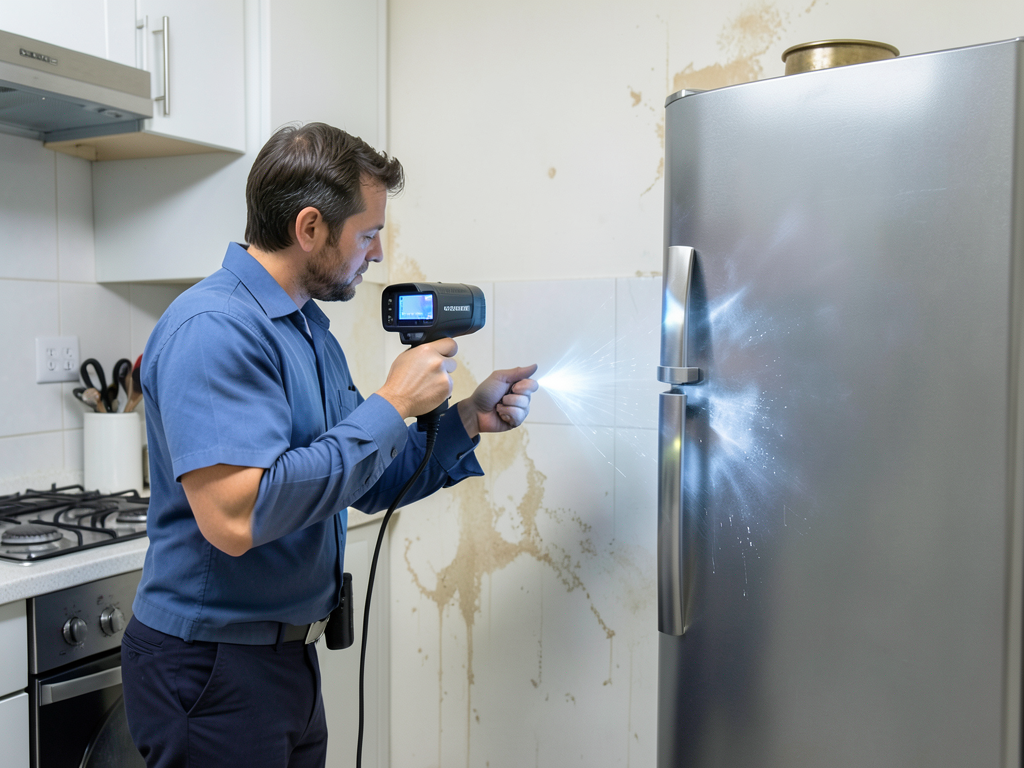
Homeowners often underestimate the scope. You see water pooling in one room, but it has already traveled through wall cavities into adjacent spaces. Frozen pipe flood cleanup requires thermal imaging to trace hidden moisture. Reliance HVAC Indianapolis uses infrared cameras to map wet zones, then deploys industrial extractors and dehumidifiers. We stop the spread before your insurance claim doubles.

Indianapolis building codes require fast action. You have a narrow window to document damage, stabilize the structure, and file your claim. Burst pipe water damage restoration teams work with adjusters daily. We photograph everything, log moisture readings, and provide the documentation your carrier demands. Delay costs you coverage.

Why Frozen Pipe Bursts Devastate Indianapolis Homes Every Winter
How Professional Frozen Pipe Burst Remediation Protects Your Property

How Professional Frozen Pipe Burst Remediation Protects Your Property

Most homeowners try to clean up burst pipe flooding themselves. They rent a shop vacuum, pull up soaked carpet, and run box fans. Three weeks later, black mold blooms behind baseboards. The subfloor warps. The insurance adjuster finds hidden damage and reduces your payout. DIY efforts fail because you cannot measure moisture content or control drying conditions.

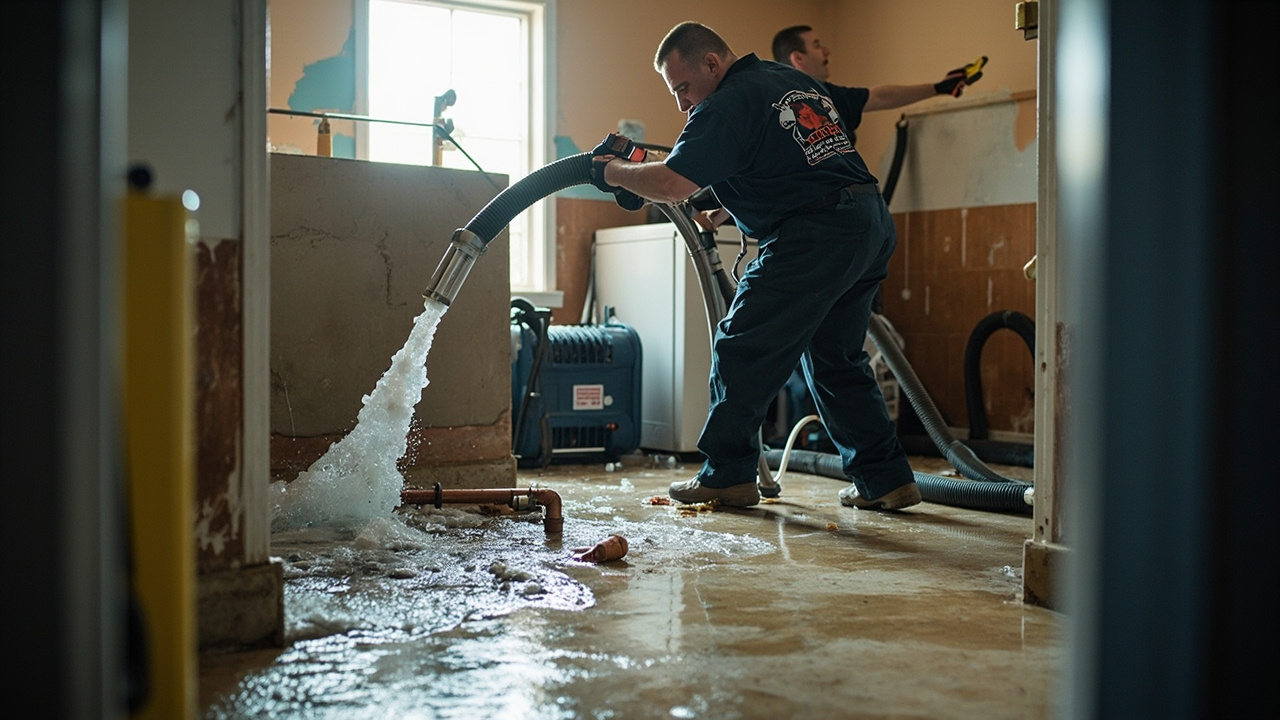
Professional frozen pipe burst remediation follows a strict protocol. We arrive with truck-mounted extraction units that pull 150 gallons per minute from carpets, padding, and subflooring. This is not a wet vac. It is a hydraulic system that removes water faster than gravity can push it deeper into building materials.

After extraction, we deploy axial air movers and low-grain refrigerant dehumidifiers. Air movers create laminar airflow across wet surfaces, accelerating evaporation. Dehumidifiers pull moisture from the air before it condenses back into walls. We monitor ambient humidity, material moisture content, and temperature every six hours. When wood moisture drops below 15 percent and drywall reads under 1.0 percent, the structure is stable.

Thermal imaging reveals what you cannot see. Wet insulation shows up as cold spots on infrared scans. Hidden water pooling in wall cavities appears as temperature differentials. We use FLIR cameras to map every wet zone, then inject drying air into wall cavities through small access holes. This prevents mold colonization and preserves structural integrity.

We also test for contamination. If the burst pipe flooded a basement where sewage lines run overhead, we treat it as Category 2 water. That requires antimicrobial fogging and disposal of porous materials like drywall. Water extraction for frozen pipes is never just about removing liquid. It is about restoring safe, dry conditions before secondary damage takes hold.

What Happens When You Call for Emergency Frozen Pipe Cleanup

Frozen Pipe Burst Cleanup in Indianapolis – Emergency Teams Deployed in Under 60 Minutes
01

Immediate Water Shutoff

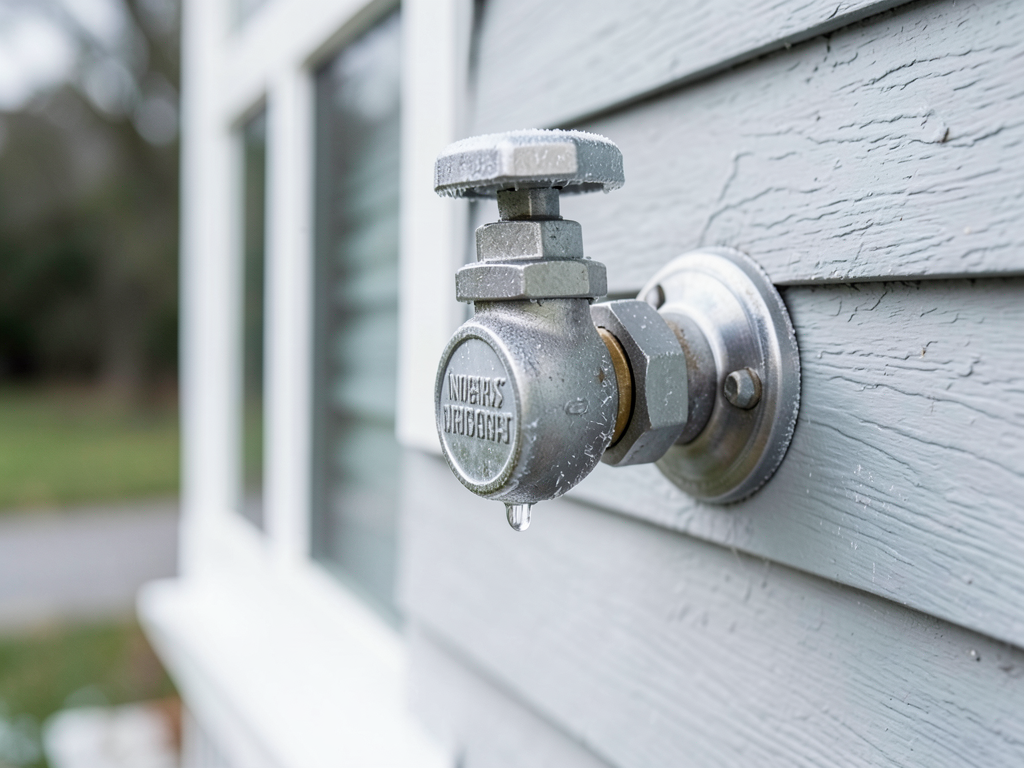
Our technician locates your main water shutoff valve within two minutes of arrival and stops the flood at the source. If the valve is frozen or inaccessible, we use pipe clamps or bladder plugs to isolate the break. Stopping the flow prevents additional gallons from saturating building materials. We then assess the burst location, document the damage with photos, and identify secondary risks like electrical hazards or ceiling collapse zones.
02

High-Volume Water Extraction

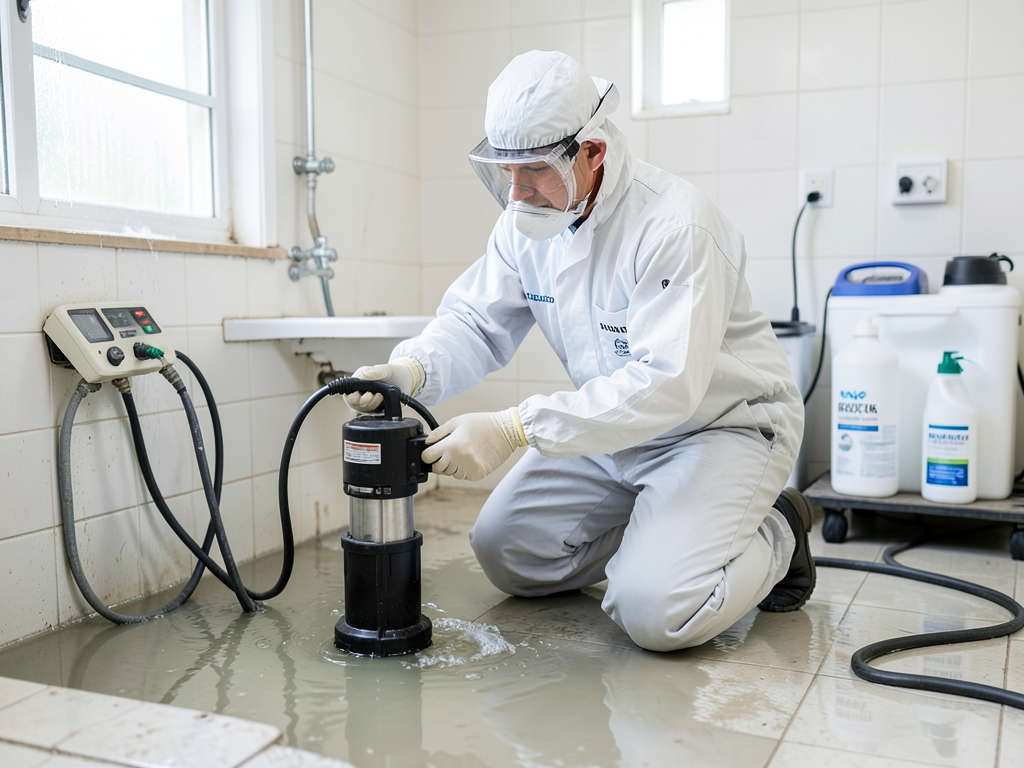
We deploy truck-mounted extractors and submersible pumps to remove standing water from floors, carpets, and crawlspaces. These units pull water faster than it can migrate into adjoining rooms. Wet insulation is removed and bagged for disposal. We extract water from hardwood floors using weighted extraction mats that create a vacuum seal. Refrigerant dehumidifiers begin reducing ambient humidity while extraction continues. Every surface is inspected with moisture meters to confirm no hidden saturation remains.
03

Structural Drying and Documentation

Air movers and dehumidifiers run continuously for three to five days, monitored by daily moisture readings. We rotate equipment placement to target stubborn wet zones. Thermal imaging confirms drying progress inside wall cavities and under subflooring. Once moisture content meets IICRC standards, we provide a certificate of dryness and a full moisture log for your insurance carrier. This documentation protects your claim and proves the property is safe for reconstruction.

Why Indianapolis Homeowners Trust Local Frozen Pipe Burst Experts

Out-of-state restoration franchises do not understand Indianapolis construction. They send crews unfamiliar with crawlspace venting requirements or the city's strict mold remediation guidelines. They miss wet zones because they do not know how moisture travels through balloon-framed walls common in older Indianapolis neighborhoods. Local expertise prevents mistakes that delay your recovery and inflate costs.

Apex Water Damage Restoration Indianapolis has cleaned up hundreds of frozen pipe floods across Marion County. We know which insurance carriers require third-party drying logs and which accept our internal documentation. We coordinate with local plumbers to repair burst pipes while drying continues, saving you days of downtime. Our equipment stays on your property until the job is done, not until a corporate scheduler pulls us to another city.

We also understand Indianapolis building codes. If the burst pipe damaged load-bearing walls or ceiling joists, we work with city inspectors to ensure repairs meet structural standards. We pull permits when required and provide engineering reports if your insurer demands them. Out-of-town crews skip these steps, leaving you liable for code violations during resale.

Insurance adjusters know our name. We communicate in their language. When we document moisture readings, they trust the data. When we recommend wall cavity drying, they approve it without argument. This credibility speeds up your claim and maximizes your payout. National chains provide generic estimates that get challenged. We provide locally calibrated assessments that hold up under scrutiny.

You also get faster response times. Our trucks are parked in Indianapolis, not two states away. When pipes burst at 2 a.m., we arrive before the water reaches your second floor. Franchise crews wait for regional dispatchers to assign jobs. We dispatch directly from your call. That difference saves your hardwood floors, your furniture, and your sanity.

What to Expect During Emergency Frozen Pipe Flood Cleanup

Arrival Time and Immediate Action

We guarantee arrival within 60 minutes of your call, 24 hours a day. Our technician carries a full equipment load: extractors, moisture meters, thermal cameras, and safety gear. Within five minutes of arrival, water flow stops and extraction begins. We do not wait for daylight or business hours. If your pipe bursts during a blizzard at 3 a.m., we respond immediately. Speed determines whether you face a cleanup or a reconstruction. Early intervention saves tens of thousands in structural repairs and prevents mold growth that turns a water loss into a health hazard.

Damage Assessment and Moisture Mapping

After stopping the flood, we map moisture penetration using handheld meters and thermal imaging. This identifies wet insulation, saturated subflooring, and hidden water in wall cavities. We document moisture content in percentages and photograph every affected area. This data supports your insurance claim and guides our drying strategy. We test adjoining rooms, check ceiling cavities, and inspect crawlspaces. Many homeowners discover water traveled three rooms away from the burst pipe. Our assessment prevents surprises later. You receive a written moisture map within 24 hours, along with a scope of work your adjuster can review.

Certified Drying and Final Verification

Drying is not guesswork. We follow IICRC S500 standards for water damage restoration. Air movers run at calculated CFM rates based on room size and material type. Dehumidifiers cycle continuously, pulling moisture from the air faster than evaporation releases it. We monitor progress twice daily and adjust equipment placement to eliminate drying dead zones. When moisture readings meet industry thresholds, we provide a certificate of completion. This document proves your property is dry and safe for repairs. Insurance carriers require this certification before authorizing reconstruction. We also guarantee our drying work. If moisture reappears within 30 days, we return at no charge.

Insurance Coordination and Documentation Support

We handle the insurance paperwork you dread. Our team photographs damage, logs equipment run times, and provides itemized estimates your adjuster can process immediately. We speak the language of insurance restoration: line-item pricing, Xactimate codes, and mitigation vs. remediation classifications. If your carrier disputes a charge, we provide supporting documentation and explain why each step was necessary. Many homeowners do not realize their policy covers emergency mitigation costs separately from repairs. We ensure you claim every dollar you are entitled to. Our documentation package includes moisture logs, thermal images, equipment manifests, and a narrative explanation of our work. This thoroughness prevents claim delays and maximizes your settlement.

Frequently Asked Questions

You Have Questions,
We Have Answers

What to do when a pipe freezes and bursts? +

Shut off your main water valve immediately to stop flooding. This valve sits near your water meter or where the main line enters your home. Turn off electricity to affected areas if water contacts outlets or appliances. Move furniture and belongings away from standing water. Call a 24/7 emergency restoration company right away. Indianapolis winters bring brutal freeze-thaw cycles that cause pipe failures, so speed matters. Document all damage with photos for your insurance claim. Do not attempt to thaw frozen pipes yourself after a burst occurs. Professional crews extract water, dry structural components, and prevent mold growth within 24-48 hours.

How to clean up after a pipe burst? +

Start water extraction within the first hour using pumps and vacuums. Remove all standing water from floors, carpets, and baseboards. Pull up wet carpeting and padding immediately because they trap moisture against subflooring. Use industrial fans and dehumidifiers to dry wall cavities, insulation, and framing. Indianapolis humidity makes drying harder, so commercial-grade equipment works faster than box fans. Remove damaged drywall and insulation that stayed wet beyond 48 hours. Disinfect all surfaces to prevent bacteria growth. Monitor moisture levels with meters until readings return to normal. Professional cleanup prevents hidden moisture pockets that cause mold outbreaks and structural rot.

Which faucets to drip during freeze? +

Drip faucets farthest from your main water line and those on exterior walls. In Indianapolis homes, this typically means bathrooms and kitchens on north-facing walls. Focus on faucets in unheated spaces like garages, crawl spaces, or rooms above unheated basements. Let both hot and cold taps drip at a pencil-lead width. Moving water resists freezing better than standing water. Prioritize fixtures with exposed pipes under cabinets or against outside walls. If your home has a second story, drip those faucets too because heat rises and upper floors stay colder. Single-handle faucets should stay slightly open toward the warm setting.

How much do plumbers charge to unfreeze pipes? +

Emergency pipe thawing in Indianapolis typically costs between several hundred dollars for accessible pipes and more for pipes inside walls or under foundations. Price depends on pipe location, access difficulty, and time of service. Weekend and after-hours calls cost extra. The price includes diagnosis, thawing equipment, and temporary repairs to prevent re-freezing. Some plumbers charge flat rates while others bill hourly. Get quotes from multiple licensed plumbers before committing. Remember that paying for professional thawing costs far less than repairing burst pipe damage, which runs into thousands when you factor in water extraction, drywall replacement, and mold remediation.

Should you leave your faucets open if your pipes are frozen? +

Yes, leave faucets slightly open after discovering frozen pipes. This releases pressure building between the freeze point and your faucet. Pressure causes pipes to burst, not the ice itself. When ice expands inside a pipe, it pushes water toward closed faucets, creating explosive force against pipe walls. An open faucet gives that pressure somewhere to escape. Keep the faucet open while thawing pipes so melting ice can drain immediately. This applies to all fixtures on the affected line. Indianapolis plumbers see fewer burst pipes when homeowners leave faucets open during freeze events. The small water waste prevents catastrophic damage.

Does homeowners insurance cover frozen pipes? +

Most homeowners policies cover sudden pipe bursts but not gradual freezing damage from neglect. Insurance pays for burst pipe cleanup if you maintained reasonable heat and took preventive steps. Insurers may deny claims if you left your Indianapolis home unheated during winter travel or ignored weatherization. Coverage includes water extraction, structural drying, and repairs to damaged walls, floors, and belongings. You pay your deductible first. Document everything with photos and keep receipts. Call your adjuster within 24 hours. Some policies exclude exterior pipes or sewer backups, so review your declarations page. Insurance covers emergency mitigation to prevent further damage.

How to dry out a house after burst pipe? +

Remove standing water immediately using pumps and wet vacuums. Set up commercial dehumidifiers and air movers within two hours to pull moisture from walls, floors, and ceilings. Indianapolis humidity slows natural drying, making professional equipment essential. Open cabinets and closets to expose hidden spaces. Remove baseboards to dry wall cavities. Pull up wet flooring if water soaked through. Run equipment 24/7 for three to five days minimum. Use moisture meters to check framing, drywall, and subflooring daily. Readings must drop below 15 percent before reconstruction starts. Inadequate drying creates mold problems within 48 hours and causes wood rot.

How long does it take for a water leak to cause mold? +

Mold starts growing within 24 to 48 hours after water exposure in Indianapolis homes. High indoor humidity and temperatures between 60-80 degrees accelerate growth. Mold spores exist everywhere and only need moisture, oxygen, and organic material like drywall or wood. Visible mold appears within three to five days, but colonies establish much earlier. Hidden mold grows inside walls, under flooring, and within insulation before you see surface signs. This tight timeline makes emergency water extraction critical. Every hour you wait increases mold risk exponentially. Professional drying equipment removes moisture faster than mold can colonize, protecting your home and health.

How much water should I run to keep pipes from freezing? +

Run faucets at a pencil-lead drip, which equals roughly five drips per minute or a thin stream. This small flow keeps water moving through pipes without wasting significant volume. You need just enough movement to prevent ice crystal formation. Indianapolis water bills increase slightly, but the cost stays minimal compared to burst pipe repairs. Start dripping when temperatures drop below 20 degrees or when wind chill creates extreme conditions. Focus on vulnerable fixtures against exterior walls or in unheated spaces. Both hot and cold lines need flow because both can freeze. The goal is movement, not volume.

Should you drip faucets all day or just at night? +

Drip faucets continuously during freeze warnings, not just at night. Indianapolis temperatures often stay below freezing for 24-hour periods during polar vortex events. Pipes freeze during day or night when temperatures drop and stay down. Nighttime poses higher risk because temperatures hit their lowest point between 2-6 AM, but daytime cold matters too. Monitor forecasts and start dripping before temperatures fall below 20 degrees. Keep dripping until temperatures rise consistently above freezing for several hours. Intermittent dripping provides incomplete protection. Pipes need constant water movement during the entire freeze period, especially those against north-facing walls where sun never warms them.

How Indianapolis Freeze-Thaw Cycles Turn Minor Pipe Cracks Into Major Floods

Indianapolis sits in a climate zone where winter temperatures swing 30 degrees in 24 hours. A Monday morning freeze at 18 degrees stresses pipe walls. By Tuesday afternoon, temperatures hit 45 degrees and ice inside the pipe expands during the thaw. This cycle repeats weekly from December through March. Each freeze-thaw event weakens solder joints and stresses pipe walls. When the pipe finally ruptures, it floods your home during the thaw phase when you are least prepared. Crawlspace pipes in Fountain Square and Broad Ripple face the highest risk because they sit in unheated zones with poor insulation. Emergency burst pipe water removal becomes critical because the flood happens fast and without warning.

Indianapolis building codes require restoration contractors to follow Marion County Health Department guidelines for mold prevention. Any water damage cleanup exceeding 48 hours must include antimicrobial treatment if moisture levels stay elevated. Apex Water Damage Restoration Indianapolis maintains relationships with local adjusters at State Farm, Allstate, and Indiana Farm Bureau. We know which documentation formats they prefer and how to expedite claim approvals. Choosing a local frozen pipe burst remediation team means faster permitting, smoother inspections, and zero delays waiting for out-of-state crews to learn local requirements. We also coordinate with Indianapolis plumbers to repair burst pipes while drying continues, reducing your total downtime.
Water Damage Restoration Services in The Indianapolis Area

We are proud to serve the entire Indianapolis area and surrounding communities, providing rapid-response water damage restoration right where you need it most. Our central location allows us to deploy our 24/7 emergency teams quickly across the region. View our service area on the map below and remember that wherever you are in the Indianapolis metropolitan area, Apex Water Damage Restoration Indianapolis is ready to deliver expert and trustworthy service to secure your home or business.

Address:
Apex Water Damage Restoration Indianapolis, 6767 E Washington St, Indianapolis, IN, 46219

Additional Services We Offer

Our news updates

Latest Articles & News from The Blogs

The Hidden Cost of Leaving Your Garden Hose Connected During an Indianapolis Winter Every fall Indianapolis homeowners face the same…

The Hidden Cost of Leaving Your Garden Hose Connected During an Indianapolis Winter

The Hidden Cost of Leaving Your Garden Hose Connected During an Indianapolis Winter Every fall Indianapolis homeowners face the same…

What to Do When Your Toilet Overflows and Drips Through the Ceiling in Fishers

What to Do When Your Toilet Overflows and Drips Through the Ceiling in Fishers Water from a toilet overflow creates…

How Your Refrigerator Ice Maker Can Quietly Flood Your Kitchen in Carmel

How Your Refrigerator Ice Maker Can Quietly Flood Your Kitchen in Carmel Your refrigerator's ice maker can leak for weeks…

Contact Us

Do not wait for water to reach your electrical panel or collapse your ceiling. Call Apex Water Damage Restoration Indianapolis now at (317) 703-7676. Our emergency crews dispatch immediately, arriving within 60 minutes to stop the flood and begin extraction. Every minute you delay costs you more in structural damage and higher insurance deductibles.