menu

Musty Smells & Odor Removal in Indianapolis | Eliminate the Source, Not Just the Symptom

Expert mildew odor elimination and damp smell remediation that targets hidden moisture pockets and microbial growth in your home or business, restoring clean, breathable air throughout Indianapolis properties.

Slider Image 1
Slider Image 2
Slider Image 3
Slider Image 4
Slider Image 5
Slider Image 7
Slider Image 8
Slider Image 9
Slider Image 10
Slider Image 11

Why Indianapolis Homes Trap Moisture and Breed Persistent Odors

You notice it the moment you walk through the door. That damp, earthy smell that clings to your basement, crawl space, or bathroom. You have tried air fresheners, open windows, and dehumidifiers, but the musty odor keeps returning. You are not imagining it, and it is not just an annoyance.

Indianapolis sits in a humid continental climate zone where summer humidity regularly pushes past 70 percent. The White River and Fall Creek watersheds create localized moisture pockets across Marion County. Combine that with older homes built on crawl spaces with inadequate vapor barriers, and you have the perfect recipe for persistent dampness. When moisture accumulates in hidden areas like wall cavities, subfloors, or HVAC ductwork, mold and mildew colonize those spaces within 24 to 48 hours.

The smell you detect is microbial volatile organic compounds, or MVOCs. These are the gaseous byproducts of mold metabolism. The odor signals active microbial growth, which means you have a moisture problem that needs professional attention. Masking the smell with sprays or candles does nothing to address the underlying issue. The mold continues to grow, the air quality deteriorates, and the structural materials in your home begin to degrade.

Neighborhoods like Broad Ripple, Fountain Square, and areas near Eagle Creek Reservoir face elevated risk due to proximity to water sources and aging housing stock. If your home was built before 1980, there is a high chance the crawl space or basement lacks proper moisture control. Removing moldy scents and eradicating water damage smells requires identifying the moisture source, eliminating the microbial contamination, and restoring dry conditions.

Why Indianapolis Homes Trap Moisture and Breed Persistent Odors
How Professional Odor Remediation Actually Works

How Professional Odor Remediation Actually Works

Neutralizing musty odors is not about covering them up. It requires a systematic approach that addresses moisture intrusion, removes contaminated materials, and sanitizes affected surfaces.

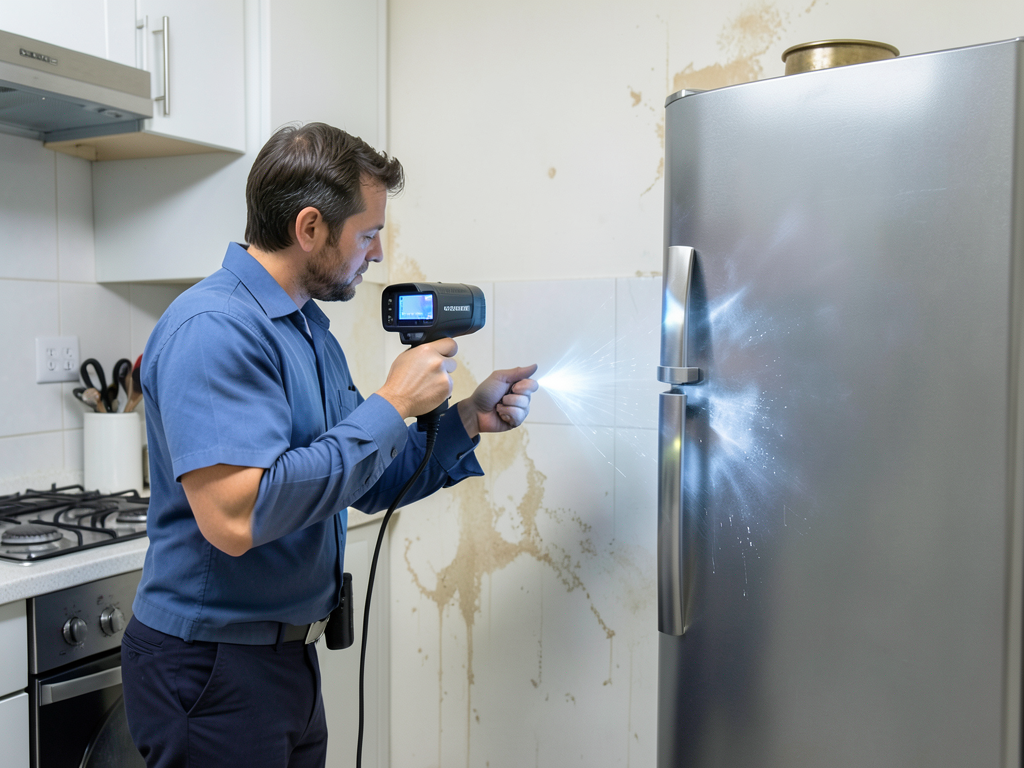
The first step is moisture mapping. We use thermal imaging cameras and moisture meters to scan walls, floors, and ceilings. This identifies hidden water sources like plumbing leaks, condensation zones, or foundation seepage. You cannot eliminate the odor if you are still feeding the mold colony with active moisture.

Once we locate the moisture source, we perform containment and air filtration. HEPA filtration units with activated carbon filters capture airborne mold spores and VOCs while we work. Containment barriers prevent cross-contamination to unaffected areas of your property.

Next comes material removal and surface treatment. Porous materials like drywall, insulation, and carpet padding that have absorbed moisture and microbial growth must be removed. You cannot clean mold out of drywall. Semi-porous materials like wood framing can often be treated with antimicrobial agents if the contamination is surface-level.

We then apply professional-grade biocides and fungicides to remaining structural surfaces. These are EPA-registered products that kill mold at the root system, not just surface spores. After treatment, we use hydroxyl generators or ozone machines to oxidize remaining odor molecules in the air and within porous surfaces like concrete or untreated wood.

The final phase is drying and prevention. Industrial dehumidifiers and air movers bring the space down to acceptable moisture levels, typically below 60 percent relative humidity. We verify dryness with moisture readings before reconstruction begins. Without this final step, damp smell remediation fails because you are just creating conditions for recontamination.

What Happens During Your Odor Removal Service

Musty Smells & Odor Removal in Indianapolis | Eliminate the Source, Not Just the Symptom
01

Diagnostic Moisture Assessment

We start with a complete property inspection using thermal imaging and moisture detection equipment. This reveals hidden water intrusion points in wall cavities, under flooring, and within ductwork. The assessment identifies the root cause of the odor, whether it is foundation seepage, HVAC condensation, or a slow plumbing leak. You receive a detailed moisture map showing exactly where the problem originates.
02

Microbial Remediation and Decontamination

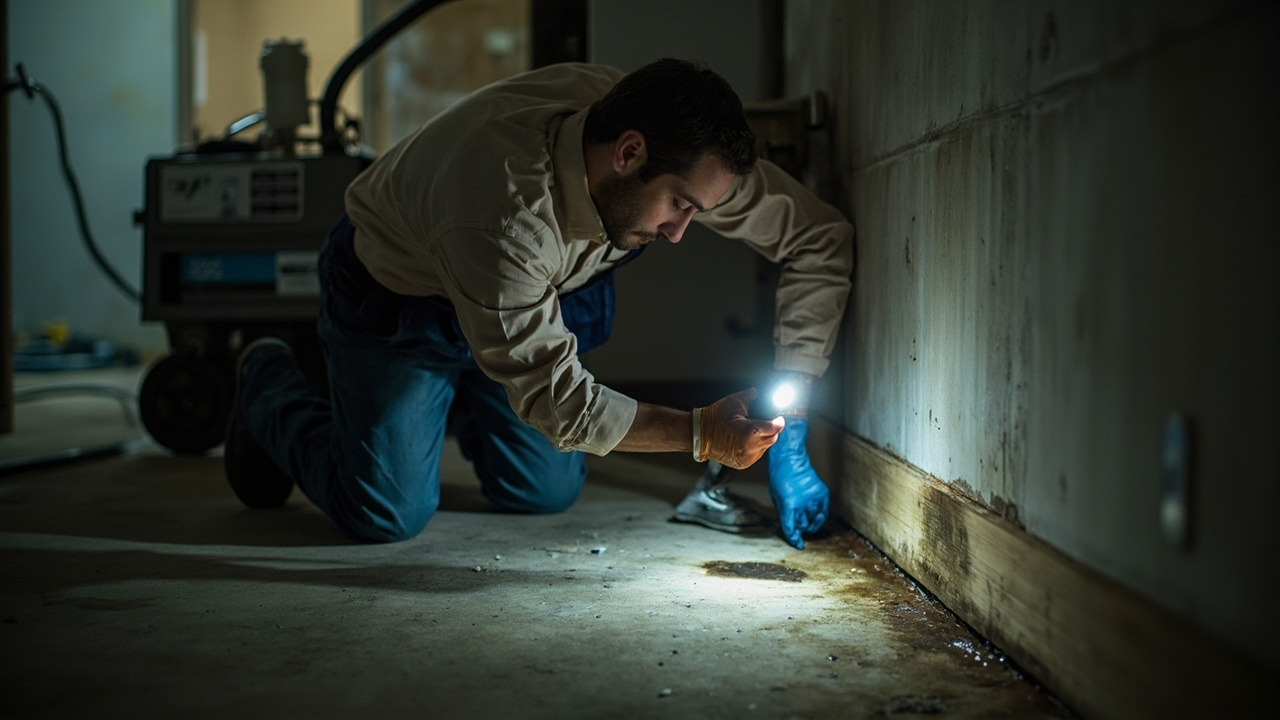
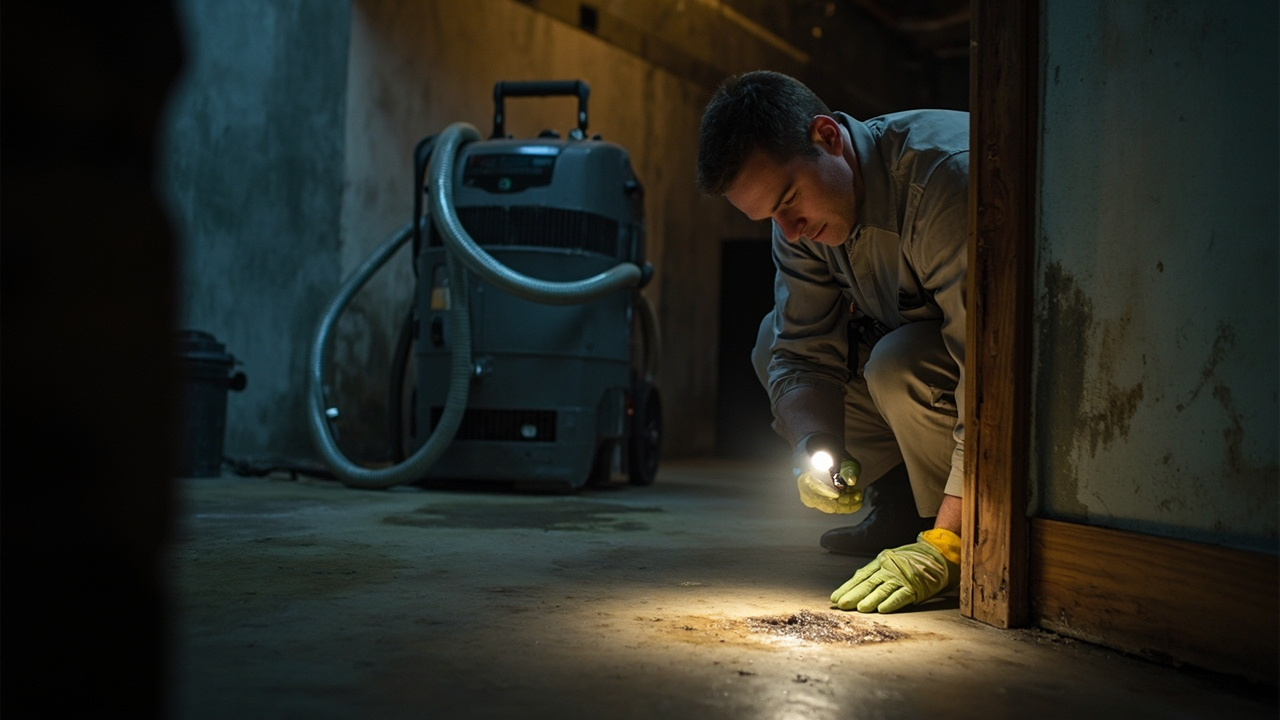
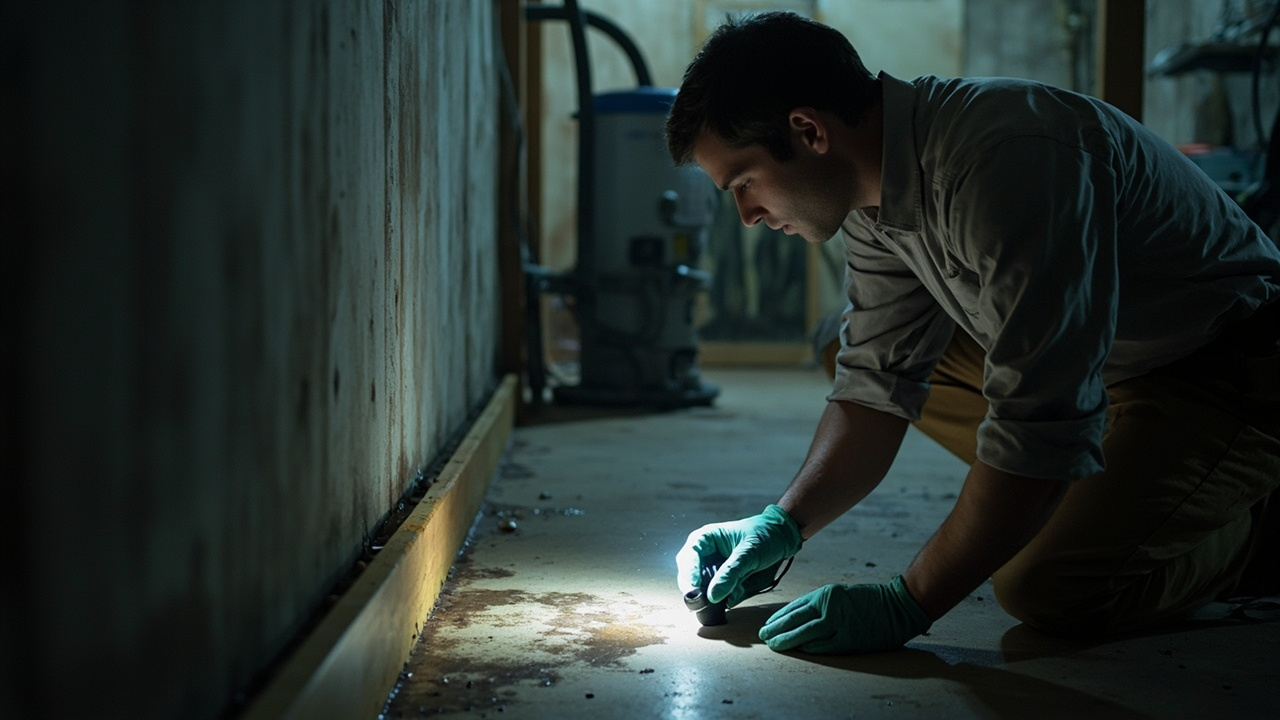
After isolating the affected area, we remove contaminated materials and treat all surfaces with antimicrobial solutions. HEPA air scrubbers run continuously to capture airborne spores and VOCs. We treat structural elements like floor joists and studs with fungicides to prevent regrowth. Hydroxyl generators neutralize odor molecules at the molecular level, eliminating smells embedded in concrete, wood, and other porous materials.
03

Controlled Drying and Verification

Industrial dehumidifiers and air movers run until moisture readings return to acceptable levels. We monitor progress with daily moisture checks and adjust equipment placement as needed. Once the space reaches target dryness, we perform a final air quality test and provide documentation of moisture levels. You receive a detailed report showing before and after readings, confirming the environment is dry and odor-free.

Why Local Expertise Matters for Indianapolis Odor Problems

Indianapolis presents unique challenges for mildew odor elimination. The city experiences dramatic seasonal swings, from summer humidity that saturates basements to winter freeze-thaw cycles that crack foundations. These conditions create constant moisture intrusion opportunities that out-of-town contractors do not anticipate.

Apex Water Damage Restoration Indianapolis understands the construction patterns common to Marion County homes. We know that homes in Butler-Tarkington and Meridian-Kessler often have limestone foundations that wick moisture. We recognize that properties near the Central Canal face elevated groundwater tables. We understand that mid-century ranch homes in Pike Township often lack proper crawl space ventilation.

This local knowledge changes how we approach odor remediation. We do not apply generic solutions. We address the specific failure points common to Indianapolis construction and geography. When we inspect a basement in Fountain Square, we check for combined sewer overflow risk. When we assess a crawl space in Broad Ripple, we look for inadequate vapor barriers and poor drainage grading.

We also understand local building codes and permitting requirements for restoration work. If your project requires structural repairs or HVAC modifications, we know the Marion County approval process. We work with local insurance adjusters who understand regional claim patterns and coverage expectations.

You also get rapid response. We are not routing calls through a regional dispatch center three states away. Our trucks are stationed in Indianapolis. When you call about a musty smell emergency, we arrive within hours, not days. We stock our vehicles with equipment calibrated for Indiana humidity levels and have relationships with local suppliers for same-day material delivery.

Choosing a local company means accountability. We live and work in the same community you do. Our reputation depends on solving your problem correctly the first time.

What to Expect When You Call for Odor Removal

Rapid Response and Availability

We dispatch a technician to your property within two hours of your call. Odor problems indicate active microbial growth, which worsens by the hour. Our trucks carry diagnostic equipment, containment materials, and initial treatment supplies to begin work immediately. We offer 24/7 emergency service for urgent situations like sewage backups or flooding aftermath. For standard odor complaints, we schedule same-day or next-day assessments. You receive a detailed scope of work and estimate before any remediation begins, so you know exactly what the project involves and how long it will take.

Comprehensive Property Assessment

The initial consultation includes thermal imaging, moisture mapping, and air quality evaluation. We inspect all potential moisture sources including plumbing systems, HVAC components, roof penetrations, and foundation perimeter drainage. You receive a written report detailing moisture readings, contaminated areas, and the recommended remediation plan. We photograph all affected areas and document findings for insurance claims if needed. The assessment takes one to two hours depending on property size. We explain our findings in plain language and answer all questions before moving forward with any work.

Complete Odor Elimination Results

You receive a property that smells clean and tests dry on moisture meters. We do not consider the job complete until air quality returns to acceptable levels and all musty odors are eliminated. Final verification includes moisture readings below 60 percent relative humidity and visual confirmation that no microbial growth remains. We provide documentation of all work performed, materials used, and final test results. If the odor returns within the documented dry-down period, we return to identify any missed moisture sources. The goal is permanent elimination, not temporary masking.

Prevention Guidance and Monitoring

After remediation, we provide specific recommendations to prevent recurrence. This includes guidance on dehumidifier use, crawl space encapsulation, drainage improvements, or HVAC modifications. We explain how to monitor humidity levels and recognize early warning signs of moisture problems. For properties with chronic issues, we offer follow-up inspections to verify conditions remain stable. You receive maintenance tips specific to your property type and location. We also provide referrals to trusted local contractors for any structural repairs or waterproofing work beyond our scope. The goal is to keep your property dry and odor-free long term.

Frequently Asked Questions

You Have Questions,
We Have Answers

How to get rid of a strong musty smell? +

Strong musty smells signal moisture problems. First, identify the source. Check basements, crawl spaces, and HVAC systems for leaks or standing water. In Indianapolis, high humidity and older homes with poor ventilation make this common. Open windows to increase airflow. Run a dehumidifier to drop humidity below 50%. Clean affected surfaces with a vinegar solution or antimicrobial cleaner. If the smell persists after 48 hours, you likely have hidden mold or water damage in walls or subfloors. Professional odor removal targets the source, not just the symptom.

What is the hardest smell to get rid of in a house? +

Decomposition odors and fire smoke are the hardest smells to eliminate. They penetrate porous materials like drywall, insulation, and subflooring. Cigarette smoke ranks close behind. These odors require thermal fogging, ozone treatment, or hydroxyl generators to break down odor molecules at a chemical level. Surface cleaning does not work. Indianapolis homes with flood damage often develop similar stubborn odors when water sits too long. DIY methods mask the problem temporarily. Professional equipment and antimicrobial treatments are needed to remove these smells permanently from building materials.

Will DampRid get rid of musty smell? +

DampRid absorbs moisture in small, enclosed spaces like closets or cabinets. It helps with minor humidity issues but does not eliminate musty smells caused by mold, water damage, or poor ventilation. In Indianapolis basements where humidity climbs during summer months, DampRid is a temporary fix. It cannot address the root cause. If you smell mustiness, you need airflow, dehumidification, and source removal. DampRid also requires frequent replacement and cannot handle whole-room moisture problems. A dehumidifier or professional assessment is more effective for persistent odors.

How to get rid of old lady smell in house? +

This smell comes from stale air, mothballs, old fabrics, and poor ventilation. Start by airing out the house. Open windows and run fans to flush out stagnant air. Wash or remove old curtains, upholstery, and carpets that trap odors. Clean walls and ceilings with a mild detergent solution. Replace HVAC filters and clean ductwork if needed. In Indianapolis, older homes often have this issue due to closed-up spaces and aging materials. If the smell lingers, check for hidden mildew in basements or attics. Professional odor neutralization may be required.

What causes a house to have a musty smell? +

Musty smells indicate mold growth or moisture accumulation. Common causes include basement leaks, roof leaks, plumbing failures, high indoor humidity, and poor ventilation. Indianapolis homes face humidity spikes in summer and freeze-thaw cycles in winter, both creating moisture entry points. Crawl spaces without vapor barriers allow ground moisture to rise into living areas. Even small leaks behind walls or under flooring can produce strong odors. The smell you detect is microbial volatile organic compounds released by mold colonies. Finding and fixing the moisture source is the only way to stop the smell.

How do you deodorize a house completely? +

Complete deodorization requires removing the odor source, not masking it. Start by deep cleaning all surfaces, including walls, floors, and ceilings. Wash or replace soft materials like curtains, rugs, and upholstery. Clean or replace HVAC filters and ductwork. Use an air scrubber with HEPA and carbon filtration to remove airborne particles and odor molecules. For persistent smells, thermal fogging or hydroxyl generators break down embedded odors at the molecular level. In Indianapolis, basement and crawl space treatments often require encapsulation and dehumidification to prevent odor return.

What is the old lady's smell called? +

The smell is often called nonenal or old person smell. It comes from a chemical compound produced by aging skin, combined with environmental factors like stale air, mothballs, and old fabrics. The scent is more noticeable in closed spaces with poor ventilation. It is not harmful but signals that the indoor environment needs refreshing. Improving airflow, washing textiles, and cleaning surfaces usually resolves the issue. If the smell persists after ventilation and cleaning, check for hidden mildew or moisture problems that may be contributing to the stale odor.

How to get rid of a horrible smell in the house? +

Identify the source first. Common culprits include decomposing food, plumbing backups, dead animals in walls or attics, mold, or sewage leaks. Remove the source immediately if accessible. Ventilate the area by opening windows and using fans. Clean affected surfaces with enzyme cleaners or antimicrobial solutions. For smells embedded in porous materials, professional equipment like ozone machines or hydroxyl generators may be needed. In Indianapolis, basement sewer backups and wildlife intrusions are frequent odor causes. If you cannot locate the source or the smell persists, professional odor removal is the next step.

What does toxic mold smell like in a house? +

Toxic mold, including black mold, smells earthy, musty, or like rotting wood. Some describe it as damp socks or decaying leaves. The smell intensifies in humid conditions. In Indianapolis, basements and crawl spaces with poor ventilation often harbor mold growth after water intrusion. The odor comes from microbial volatile organic compounds released during mold metabolism. If you smell this and see discoloration on walls, ceilings, or floors, do not disturb it. Airborne spores spread easily. Professional mold testing and remediation are needed to safely remove contaminated materials and treat affected areas.

Is DampRid better than a dehumidifier? +

A dehumidifier is better for controlling moisture long-term. DampRid is a passive moisture absorber suitable for small spaces like closets or RVs. It does not circulate air or actively remove humidity from a room. Dehumidifiers pull moisture from the air continuously and handle larger areas. In Indianapolis basements where humidity stays high during summer, a dehumidifier prevents mold and musty smells year-round. DampRid requires frequent replacement and cannot keep up with significant moisture loads. For persistent dampness or odor problems, invest in a dehumidifier rated for your square footage.

How Indianapolis Humidity and Aging Infrastructure Create Persistent Odor Problems

Indianapolis averages 86 days per year with relative humidity above 80 percent, primarily during summer months when dew points climb into the uncomfortable range. This sustained humidity overwhelms crawl space ventilation in older homes and creates condensation on cool basement walls. Many neighborhoods built before 1970 lack proper vapor barriers, allowing ground moisture to migrate directly into living spaces. Properties near the White River floodplain or Eagle Creek face additional risk from elevated water tables that saturate foundation walls during spring thaw. The combination of humid air and moisture-laden building materials creates ideal conditions for mildew growth and persistent damp smells that standard ventilation cannot resolve.

Apex Water Damage Restoration Indianapolis maintains relationships with local building inspectors, insurance adjusters, and property managers throughout Marion County. We understand the specific challenges facing Indianapolis homeowners, from combined sewer systems in older neighborhoods to clay soil expansion that cracks foundations. Our technicians train on moisture control strategies appropriate for Indiana climate conditions and Indianapolis construction types. We stock hydroxyl generators, thermal foggers, and HEPA filtration units in our local facility for immediate deployment. When you need mildew odor elimination, you get a team that understands why Indianapolis properties develop these problems and how to solve them permanently.
Water Damage Restoration Services in The Indianapolis Area

We are proud to serve the entire Indianapolis area and surrounding communities, providing rapid-response water damage restoration right where you need it most. Our central location allows us to deploy our 24/7 emergency teams quickly across the region. View our service area on the map below and remember that wherever you are in the Indianapolis metropolitan area, Apex Water Damage Restoration Indianapolis is ready to deliver expert and trustworthy service to secure your home or business.

Address:
Apex Water Damage Restoration Indianapolis, 6767 E Washington St, Indianapolis, IN, 46219

Additional Services We Offer

Our news updates

Latest Articles & News from The Blogs

Is Crawl Space Encapsulation Worth the Investment for Your Home in Wynnedale? Crawl space encapsulation can save Wynnedale homeowners thousands…

Is Crawl Space Encapsulation Worth the Investment for Your Home in Wynnedale?

Is Crawl Space Encapsulation Worth the Investment for Your Home in Wynnedale? Crawl space encapsulation can save Wynnedale homeowners thousands…

How to Decide Which Water Damaged Items to Keep and Which to Throw Away

How to Decide Which Water Damaged Items to Keep and Which to Throw Away When water floods your Indianapolis home…

Battery Backup vs Water Powered Sump Pumps for Your Near Eastside Basement

Why Your Near Eastside Basement Needs a Reliable Backup Sump Pump Living in the Near Eastside means dealing with Indianapolis's…

Contact Us

Stop living with damp, moldy air. Call Apex Water Damage Restoration Indianapolis at (317) 703-7676 for same-day odor assessment and professional remediation. We identify the source, eliminate the contamination, and restore clean air to your property.