menu

Swollen Baseboards & Trim in Indianapolis – Expert Diagnosis & Permanent Solutions

Professional moisture assessment and targeted restoration to stop baseboard expansion, prevent mold growth, and restore your Indianapolis home's trim to original condition.

Slider Image 1
Slider Image 2
Slider Image 3
Slider Image 4
Slider Image 5
Slider Image 7
Slider Image 8
Slider Image 9
Slider Image 10
Slider Image 11

Why Indianapolis Baseboard Damage Gets Worse Fast

You walk past that bulging baseboard every day. The paint is cracking. The seam is separating from the wall. You press on it and the wood feels soft, almost spongy.

Indianapolis homeowners face a perfect storm for water damaged baseboards. Our humid summers push indoor moisture levels above 60 percent. Add in the freeze-thaw cycles of our winters, and you create constant expansion and contraction in your home's foundation. That foundation movement creates hairline cracks where water seeps in and pools against your trim.

Most homes in Indianapolis neighborhoods like Broad Ripple, Fountain Square, and Irvington were built with MDF baseboards. MDF is compressed wood fiber. When moisture swollen baseboards absorb water, they expand like a sponge. The bloated wood trim pushes outward. Paint bubbles. Seams open. The damage spreads fast.

The bigger problem is what you cannot see. Warped baseboard molding signals active water intrusion. That water is soaking into your subfloor, your drywall, and your wall studs. Mold begins growing in 24 to 48 hours. The longer you wait, the more expensive the fix becomes.

Expanded MDF trim does not dry out and return to shape. You cannot sand it smooth or repaint it. The wood fibers have permanently deformed. The only solution is identifying the moisture source, eliminating it, and replacing the damaged materials before structural decay spreads.

Why Indianapolis Baseboard Damage Gets Worse Fast
How We Stop the Damage and Fix It Right

How We Stop the Damage and Fix It Right

Most contractors see swollen baseboards and assume a simple trim replacement will fix the problem. They rip out the damaged boards, slap up new ones, and leave. Three months later, your new baseboards are swelling again.

Apex Water Damage Restoration Indianapolis does not treat symptoms. We eliminate the cause.

We start with thermal imaging cameras to map moisture inside your walls. We measure relative humidity at floor level using hygrometers. We trace water migration patterns to find the source. Common culprits in Indianapolis homes include failed sump pump seals, foundation cracks from settling clay soil, condensation from poorly insulated crawl spaces, and slow leaks from corroded supply lines.

Once we locate the source, we stop the water. If it is foundation seepage, we seal the crack and install a drainage channel. If it is a plumbing leak, we coordinate repairs with a licensed plumber. If it is condensation, we address ventilation and insulation.

Then we dry the structure. We use commercial-grade air movers and dehumidifiers to pull moisture out of the wall cavity, the subfloor, and the framing. We monitor daily with moisture meters until readings drop below 15 percent. Anything above that threshold and mold will grow.

After drying, we remove all compromised materials. We cut away water damaged baseboards, warped drywall, and any insulation that absorbed moisture. We treat exposed wood with antimicrobial solution. Then we rebuild with moisture-resistant materials and proper flashing to prevent future water intrusion.

Our Three-Phase Restoration Process

Swollen Baseboards & Trim in Indianapolis – Expert Diagnosis & Permanent Solutions
01

Moisture Source Investigation

We deploy thermal imaging and moisture meters to identify where water is entering your home. We inspect foundation walls, crawl spaces, plumbing penetrations, and window flashing. Most Indianapolis homes have clay soil that shifts with seasonal moisture, creating foundation cracks. We document the full extent of water intrusion before beginning any demolition work.
02

Structural Drying and Remediation

We extract standing water, then dry the structure to below 15 percent moisture content using industrial dehumidifiers and air movers. We monitor progress with daily readings. Once dry, we remove all moisture swollen baseboards, damaged drywall, and compromised insulation. We treat exposed framing with EPA-registered antimicrobial agents to prevent mold colonization on porous surfaces.
03

Trim Replacement and Sealing

We install new baseboards using solid wood or moisture-resistant MDF. We seal all seams with paintable caulk and apply a vapor barrier where needed. We prime and paint to match your existing trim. Before we leave, we verify all moisture readings are normal and provide documentation showing your home is dry and safe from future baseboard expansion.

Why Indianapolis Homeowners Trust Apex for Baseboard Water Damage

You need a restoration company that understands Indianapolis construction. Our technicians have worked in hundreds of homes across Marion County. We know the difference between a 1920s bungalow in Irvington with plaster walls and a 1990s ranch in Greenwood with drywall. We know how the clay soil behaves under your foundation. We know which neighborhoods flood during heavy rain because of poor storm drain capacity.

That local knowledge matters when your baseboards are swelling. A national franchise follows a checklist. We adapt our approach to your specific home and your specific problem.

We work directly with Indianapolis insurance adjusters. We document damage with detailed moisture maps and thermal imaging. We provide line-item estimates that match Xactimate pricing. We handle the paperwork so you do not spend hours on the phone with your carrier arguing about what is covered.

Our equipment is commercial grade. We do not use consumer fans from the hardware store. We deploy trailer-mounted desiccant dehumidifiers that can pull 20 gallons of water per day out of your structure. We use HEPA-filtered negative air machines during demolition to contain dust and potential mold spores.

We do not subcontract the work. Every technician is trained in IICRC water damage restoration protocols. They understand moisture dynamics, psychrometrics, and antimicrobial chemistry. You get experienced professionals who know what they are doing, not day laborers with a crowbar.

The goal is not just fixing your baseboards. The goal is making sure the problem never comes back.

What Happens When You Call Apex

Response Time and Availability

We answer the phone 24 hours a day, seven days a week. If you call at 2 a.m. because your basement flooded, we dispatch a technician immediately. For non-emergency baseboard swelling, we schedule an inspection within 24 hours. Our technicians arrive in marked vehicles with all diagnostic equipment on board. The initial moisture assessment takes 60 to 90 minutes. We provide a written estimate before we start any work.

Inspection and Moisture Mapping

We use thermal imaging cameras to identify temperature differentials that indicate hidden moisture. We take moisture readings in your baseboards, drywall, and subfloor using pin-type and pinless meters. We document findings with photos and diagrams. We explain exactly where the water is coming from and what needs to happen to stop it. You get a clear scope of work with no surprise charges later.

Restoration Quality and Materials

We replace damaged baseboards with matching profiles. If your home has custom millwork, we source matching trim or have it milled to specification. We use moisture-resistant primer and paint rated for high-humidity areas. All seams are caulked and sealed. We match existing paint colors using spectrophotometer analysis. The finished work blends seamlessly with your existing trim. You should not be able to tell where the repair happened.

Post-Restoration Monitoring

We provide a final moisture report showing all readings are within normal range. We recommend follow-up inspections at 30 and 90 days to verify the moisture source has been eliminated. If you experience any recurring swelling within the first year, we return to investigate at no charge. We also provide maintenance recommendations specific to your home, including humidity control strategies and seasonal foundation monitoring.

Frequently Asked Questions

You Have Questions,
We Have Answers

How to fix swollen baseboards? +

First, identify and fix the water source causing the swelling. Remove the damaged baseboard sections carefully. Check the wall studs and drywall behind for moisture using a meter. Let everything dry completely for 48-72 hours. If the baseboard is solid wood and only slightly swollen, you can sand it down after drying. Most MDF or particle board baseboards cannot be salvaged. Replace damaged sections with new material, matching the profile. Prime and paint before installation. In Indianapolis homes, basement baseboards often swell due to foundation moisture and humidity, so address drainage issues first.

What is the 7 rule for baseboards? +

The 7 rule is a proportion guideline stating baseboard height should be roughly 7 percent of your wall height. For standard 8-foot ceilings common in Indianapolis homes, that means 5 to 7-inch baseboards. Ten-foot ceilings call for 7 to 9-inch baseboards. This creates visual balance without overwhelming the room. However, this is just a starting point. Consider your door casing width, room size, and architectural style. Historic Indianapolis homes with taller ceilings and ornate details can handle larger baseboards, while modern spaces often use simpler, thinner profiles.

Why do baseboards swell? +

Baseboards swell when moisture penetrates the material and causes the fibers to expand. Common causes include plumbing leaks from pipes inside walls, flooding events, high humidity without proper ventilation, and condensation from HVAC systems. In Indianapolis, basement moisture from spring rains and snowmelt is a frequent culprit. Foundation cracks allow groundwater intrusion. MDF and particle board baseboards absorb water like a sponge and swell rapidly. Even painted surfaces can fail if moisture enters through nail holes or unfinished bottom edges. The freeze-thaw cycles in Indianapolis winters can worsen foundation moisture issues.

Can you repair swollen particle board? +

No, you cannot successfully repair swollen particle board. Once particle board absorbs water, the wood fibers and adhesive break down permanently. The material loses structural integrity and will not return to its original shape, even after drying. Attempting to sand or compress swollen particle board leaves a rough, unstable surface that will fail again. You must replace damaged sections completely. When replacing baseboards in Indianapolis homes, consider upgrading to solid wood or moisture-resistant MDF in areas prone to humidity, like basements and bathrooms. This prevents repeat problems during our humid summers and wet springs.

What does water damage on baseboards look like? +

Water damage on baseboards appears as dark staining, bubbling paint or finish, warping away from the wall, and visible swelling at the bottom edge. You might see a waterline mark showing how high moisture traveled. The baseboard feels soft or spongy when pressed. Paint may crack or peel in sheets. Mold appears as black, green, or gray spots, especially in corners. In Indianapolis basements, check for musty odors and white mineral deposits indicating ongoing moisture problems. The bottom edge often shows the most damage where water pools. Touch the wall behind it for dampness extending up from the floor.

What is the average cost to replace baseboards? +

Baseboard replacement in Indianapolis typically costs between material and labor expenses that vary based on several factors. Costs depend on baseboard height, profile complexity, material choice, and linear footage needed. Solid wood costs more than MDF or pine. Intricate profiles require more skill and time to install. Removing old baseboards, repairing wall damage, and painting add to the total. Older Indianapolis homes with plaster walls require extra care during removal. If water damage affected the drywall or flooring underneath, repair those first. Get multiple quotes from local contractors who understand Indianapolis housing stock and common moisture issues.

What are common trim installation mistakes? +

Common trim installation mistakes include incorrect miter angles that leave gaps at corners, failing to cope inside corners for tight joints, and using too few nails that allow warping. Not caulking gaps between the baseboard and wall creates an unfinished look. Installing baseboards before flooring leads to incorrect height gaps. Skipping primer causes paint adhesion problems. In Indianapolis homes with settling foundations, installers sometimes force baseboards against uneven floors, creating stress points. Not accounting for expansion gaps near hardwood flooring causes buckling. Rushing through nail hole filling shows through paint. Always verify walls are straight before cutting material.

Should baseboards be flush with the floor? +

Baseboards should sit slightly above the floor, not flush against it. Leave a small gap for flooring expansion, especially with hardwood that moves with humidity changes common in Indianapolis. The gap also prevents moisture wicking from the floor into the baseboard. For carpet, baseboards can sit closer but should not compress the padding. For hard surfaces, a 1/8 to 1/4-inch gap is standard. Use shoe molding or quarter round to cover this expansion gap while protecting the baseboard bottom from mop water and spills. This detail prevents the swelling problems many Indianapolis homeowners face in moisture-prone areas.

What is the current trend for baseboards? +

Current baseboard trends favor taller profiles, typically 5 to 7 inches, even with standard ceiling heights. Simple, clean lines dominate over ornate Victorian styles, though historic Indianapolis neighborhoods maintain traditional profiles for authenticity. White remains the most popular color, but bold contrasts matching door casings are gaining traction. Thicker baseboards, 3/4 inch or more, create substantial shadow lines and modern appeal. Many Indianapolis homeowners renovating older homes upgrade from thin 3-inch baseboards to 5-inch profiles for better proportion. Waterproof PVC baseboards are becoming common in basements and bathrooms where moisture is a persistent concern.

Will a swollen wood floor go back to normal? +

Swollen wood floors rarely return to normal on their own. Solid hardwood has some recovery potential if you catch moisture intrusion early and dry it quickly within 24-48 hours. The wood may contract as it dries, but cupping, crowning, and warping often remain permanent. Engineered wood floors have less recovery ability due to their layered construction. The adhesive between layers breaks down when wet. Indianapolis humidity swings between seasons can worsen the damage as the wood tries to adjust. Professional drying equipment and controlled dehumidification improve recovery chances. Remove baseboards to allow airflow along floor edges where moisture concentrates.

How Indianapolis Clay Soil and Humidity Create Baseboard Expansion

Indianapolis sits on dense clay soil that expands when wet and contracts when dry. During spring and fall, this soil movement creates small foundation cracks. Water seeps through these cracks and pools at floor level, directly against your baseboards. Add in our summer humidity, which regularly exceeds 70 percent, and you create ideal conditions for water damaged baseboards. Homes in older neighborhoods like Butler-Tarkington and Broad Ripple are especially vulnerable because their foundations predate modern waterproofing standards. The combination of soil movement and high moisture loads means baseboard swelling is not a matter of if, but when.

Apex Water Damage Restoration Indianapolis has worked on homes throughout Marion County for years. We understand how local construction methods affect water intrusion patterns. We know which foundation types are common in different neighborhoods and how they fail. We stay current with Indianapolis building codes and coordinate with local inspectors when structural repairs require permits. That local expertise means faster diagnosis, accurate repairs, and solutions designed for Indianapolis conditions. You get a team that knows your home and your neighborhood.
Water Damage Restoration Services in The Indianapolis Area

We are proud to serve the entire Indianapolis area and surrounding communities, providing rapid-response water damage restoration right where you need it most. Our central location allows us to deploy our 24/7 emergency teams quickly across the region. View our service area on the map below and remember that wherever you are in the Indianapolis metropolitan area, Apex Water Damage Restoration Indianapolis is ready to deliver expert and trustworthy service to secure your home or business.

Address:
Apex Water Damage Restoration Indianapolis, 6767 E Washington St, Indianapolis, IN, 46219

Additional Services We Offer

Our news updates

Latest Articles & News from The Blogs

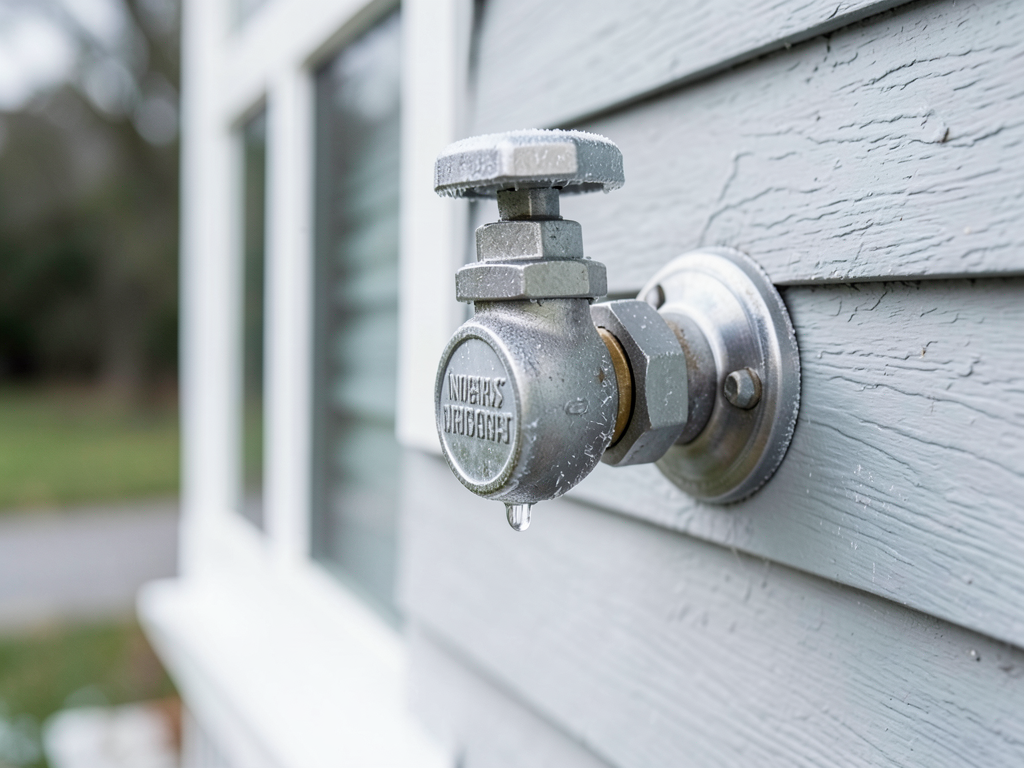
The Hidden Cost of Leaving Your Garden Hose Connected During an Indianapolis Winter Every fall Indianapolis homeowners face the same…

The Hidden Cost of Leaving Your Garden Hose Connected During an Indianapolis Winter

The Hidden Cost of Leaving Your Garden Hose Connected During an Indianapolis Winter Every fall Indianapolis homeowners face the same…

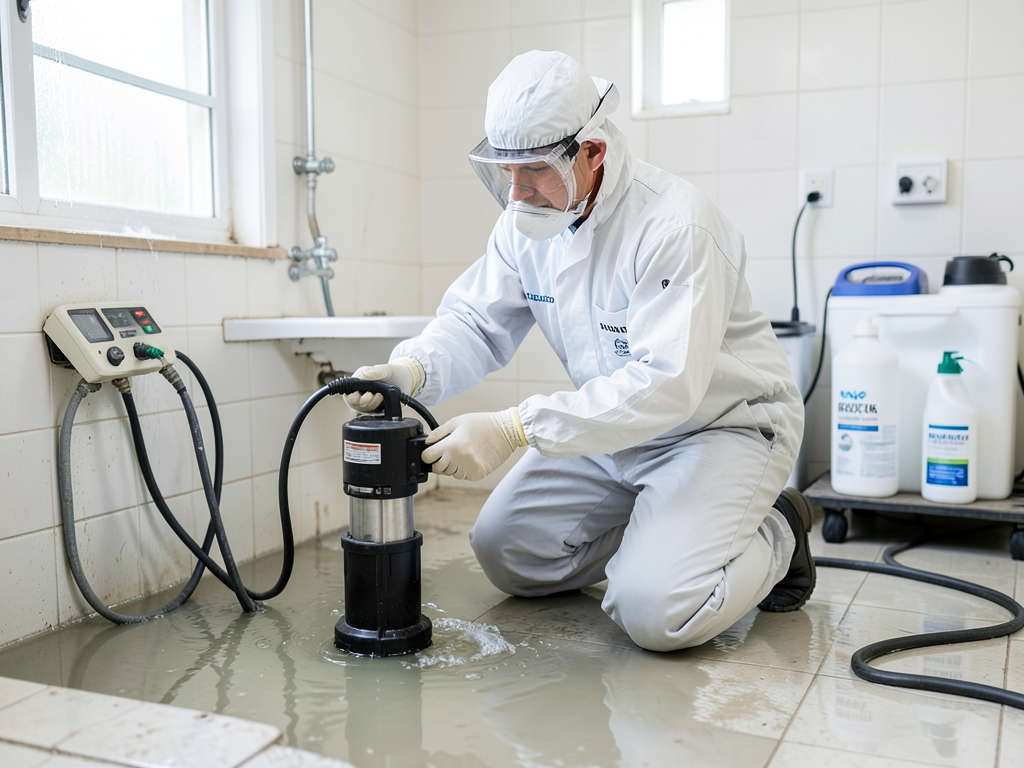
What to Do When Your Toilet Overflows and Drips Through the Ceiling in Fishers

What to Do When Your Toilet Overflows and Drips Through the Ceiling in Fishers Water from a toilet overflow creates…

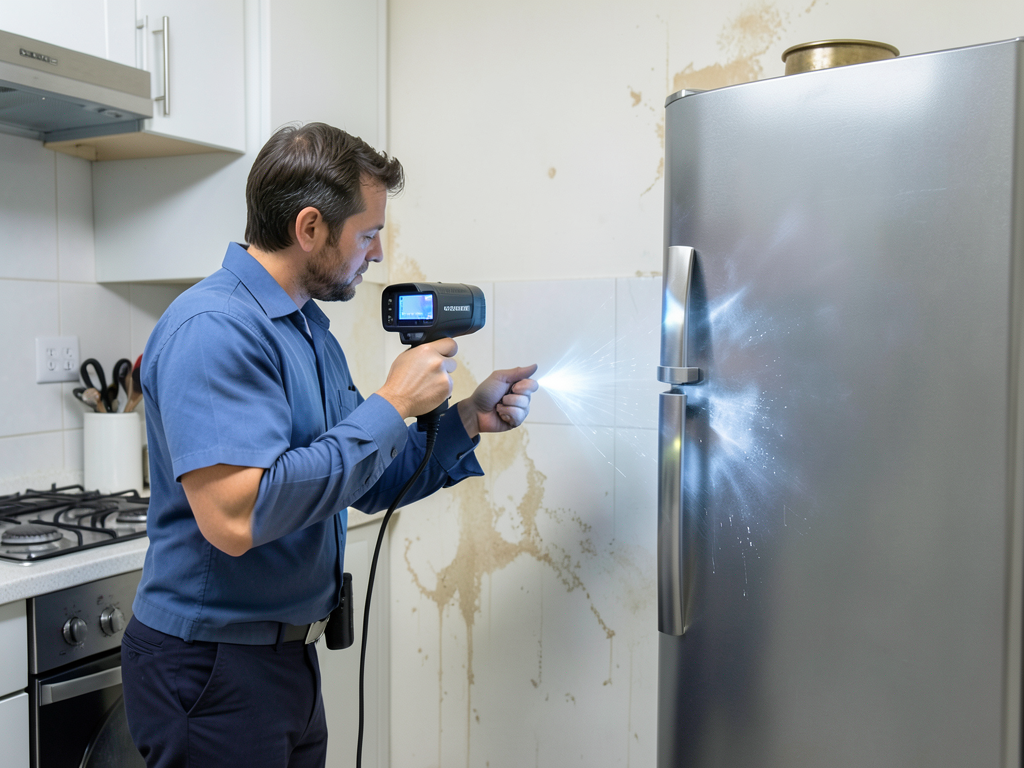
How Your Refrigerator Ice Maker Can Quietly Flood Your Kitchen in Carmel

How Your Refrigerator Ice Maker Can Quietly Flood Your Kitchen in Carmel Your refrigerator's ice maker can leak for weeks…

Contact Us

Do not wait for mold to grow or your subfloor to rot. Call Apex Water Damage Restoration Indianapolis at (317) 703-7676 for a professional moisture assessment. We identify the source, stop the water, and restore your trim permanently.