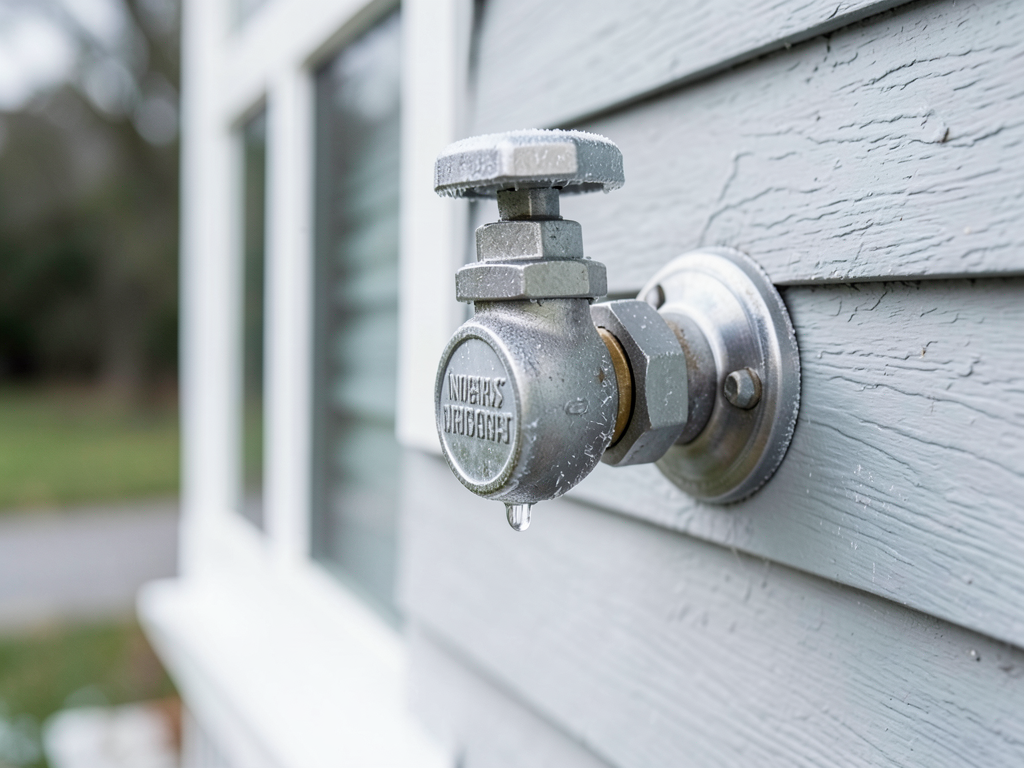
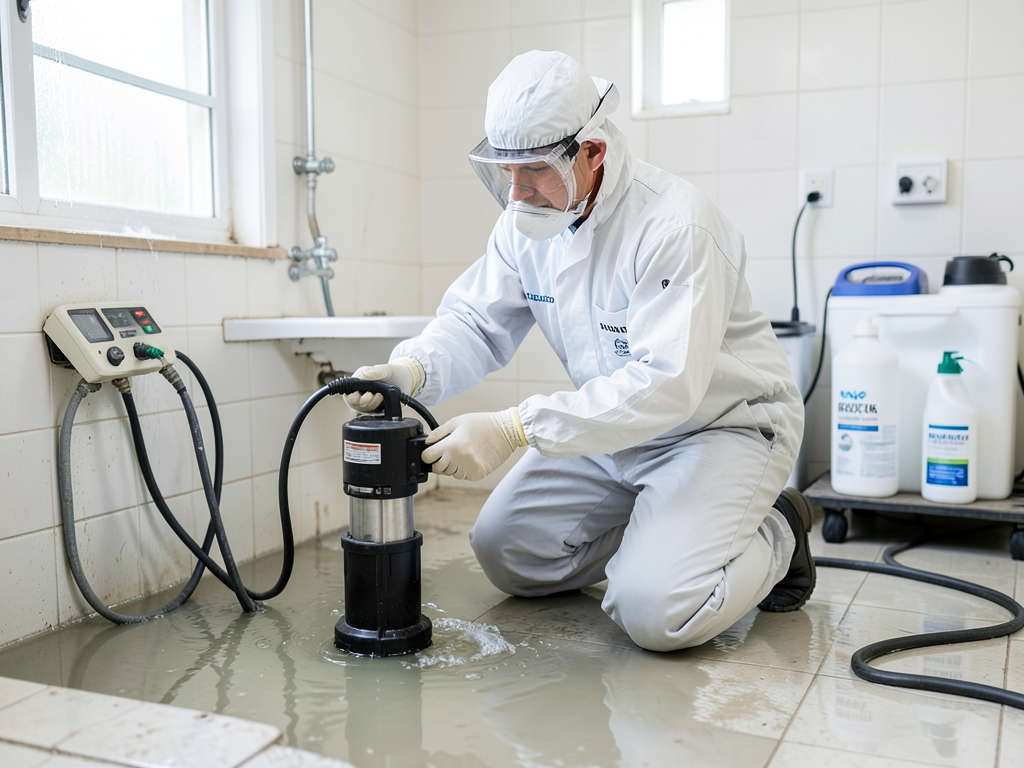
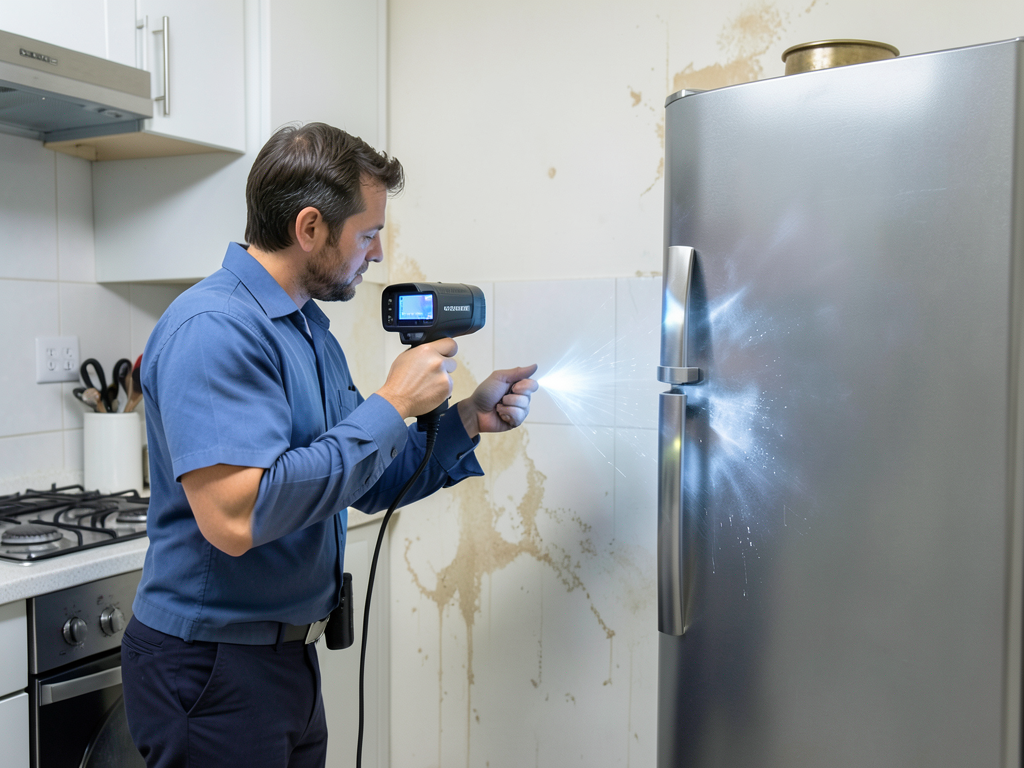
Indianapolis averages 73 percent relative humidity during July and August. Basements in homes built before 1980 rarely include interior drainage systems or vapor barriers on foundation walls. Clay soil prevalent throughout Marion County absorbs water during spring rains, then expands against foundation walls. Hydrostatic pressure forces groundwater through mortar joints and foundation cracks. Winter freeze-thaw cycles worsen the damage. January temperatures drop below freezing an average of 25 nights. Pipes in unheated rim joists burst. Ice dams form on north-facing rooflines. When temperatures rise above 40 degrees in February, trapped ice melts into wall cavities and attic insulation. By April, mold colonies establish themselves in damp materials.
Indianapolis building codes updated drainage requirements in 1995, but older homes in Fountain Square, Broad Ripple, and Irvington lack modern moisture management systems. Local restoration expertise matters when you face chronic mold problems tied to pre-code construction. We understand which neighborhoods face the highest risk from clay soil expansion. We recognize foundation designs that channel water into basement living spaces. We know how to retrofit older homes with vapor barriers and drainage solutions that meet current standards. National restoration chains lack this neighborhood-specific knowledge. You need technicians who have remediated hundreds of Indianapolis basements and understand local moisture patterns.