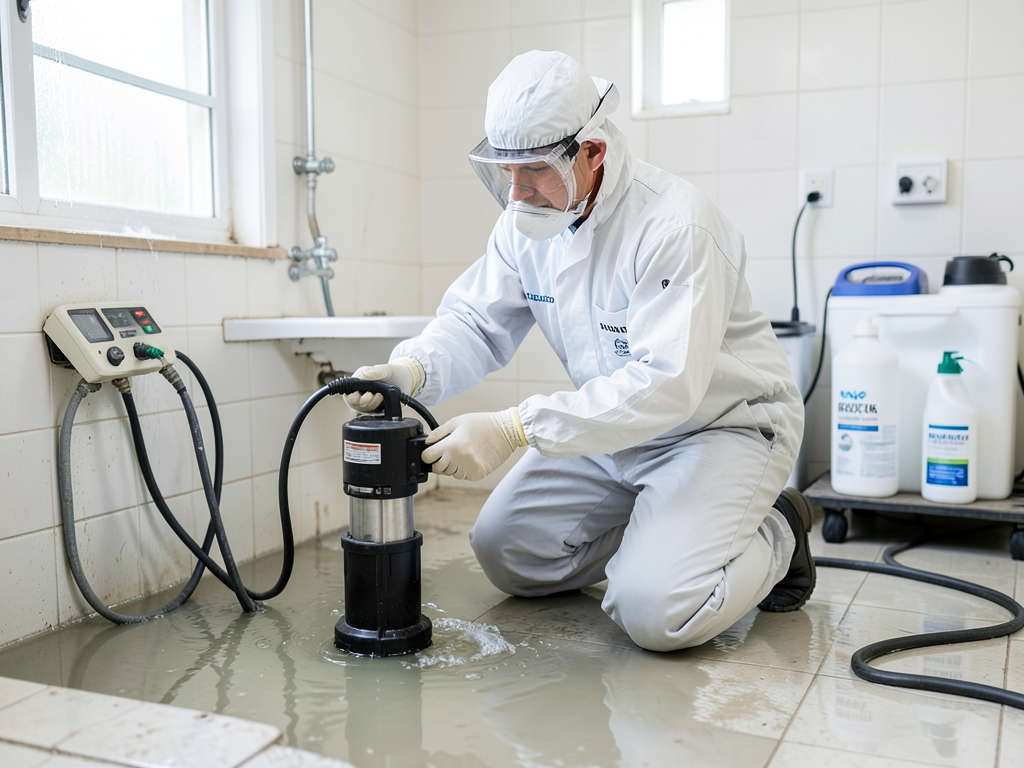
Older Indianapolis neighborhoods including Fountain Square, Bates-Hendricks, and parts of Broad Ripple operate on combined sewer systems where stormwater and sewage flow through the same pipes. During heavy rain events, these systems overflow, sending diluted sewage into basements through floor drains and foundation cracks. This means what looks like clean rainwater flooding your basement may actually contain raw sewage and associated pathogens. Standard water damage protocols are insufficient for sewage contamination. You need Category 3 water treatment, which involves complete removal of porous materials that contacted floodwater, antimicrobial treatment of all surfaces, and specialized cleaning methods for salvageable belongings. Indianapolis homeowners must understand this contamination risk when deciding what to save and what to discard after flooding.
Marion County floodplain regulations affect reconstruction after flood damage. Properties in designated floodplains face specific building code requirements for repairs, including elevation standards and flood-resistant materials. Local restoration companies familiar with Indianapolis building codes help homeowners navigate these requirements during the insurance claim process. Out-of-state companies miss these details, leading to code violations discovered during final inspections. Working with Indianapolis-based professionals who maintain relationships with Marion County building inspectors ensures your restoration meets local requirements the first time. This local knowledge prevents reconstruction delays and additional costs from failed inspections or non-compliant repairs.