menu

Understanding Mold Toxicity in Indianapolis – Critical Health Information and Expert Assessment Services

Apex Water Damage Restoration Indianapolis provides comprehensive mold toxicity education, professional air quality testing, and certified remediation to protect your family from mycotoxin illness and black mold health risks.

Slider Image 1
Slider Image 2
Slider Image 3
Slider Image 4
Slider Image 5
Slider Image 7
Slider Image 8
Slider Image 9
Slider Image 10
Slider Image 11

How Indianapolis Climate Conditions Create Hidden Mold Toxicity Risks

Indianapolis residents face a perfect storm for mold growth and mycotoxin illness. The city's humid continental climate delivers summer humidity levels that regularly exceed 70%, while our freeze-thaw winter cycles create condensation inside wall cavities. Homes built on the clay-rich soil common throughout Marion County experience foundation settling that creates cracks where moisture intrudes.

You might notice mold illness symptoms like persistent headaches, respiratory irritation, or unexplained fatigue without connecting them to your home environment. Signs of mold poisoning often mimic allergies or flu, which leads many Indianapolis homeowners to treat the symptoms while ignoring the source. Black mold health risks become severe when Stachybotrys chartarum colonizes behind drywall or under flooring, releasing mycotoxins that affect neurological function and immune response.

The White River and Fall Creek corridors create localized humidity zones where homes experience elevated moisture levels year-round. Older neighborhoods like Broad Ripple, Irvington, and Butler-Tarkington contain housing stock built before modern vapor barriers became standard, making these areas particularly vulnerable to hidden mold colonization.

Effects of mold exposure accumulate over time. You might attribute brain fog or chronic sinus issues to stress or seasonal changes, but mycotoxin illness presents with specific patterns: symptoms that worsen inside your home and improve when you leave, respiratory issues that don't respond to typical allergy treatments, or skin irritation without clear cause.

Indianapolis homes with finished basements face the highest risk. Our water table sits close to surface level in many areas, creating persistent dampness in below-grade spaces where families spend significant time.

How Indianapolis Climate Conditions Create Hidden Mold Toxicity Risks
How Professional Mold Toxicity Assessment Protects Your Health

How Professional Mold Toxicity Assessment Protects Your Health

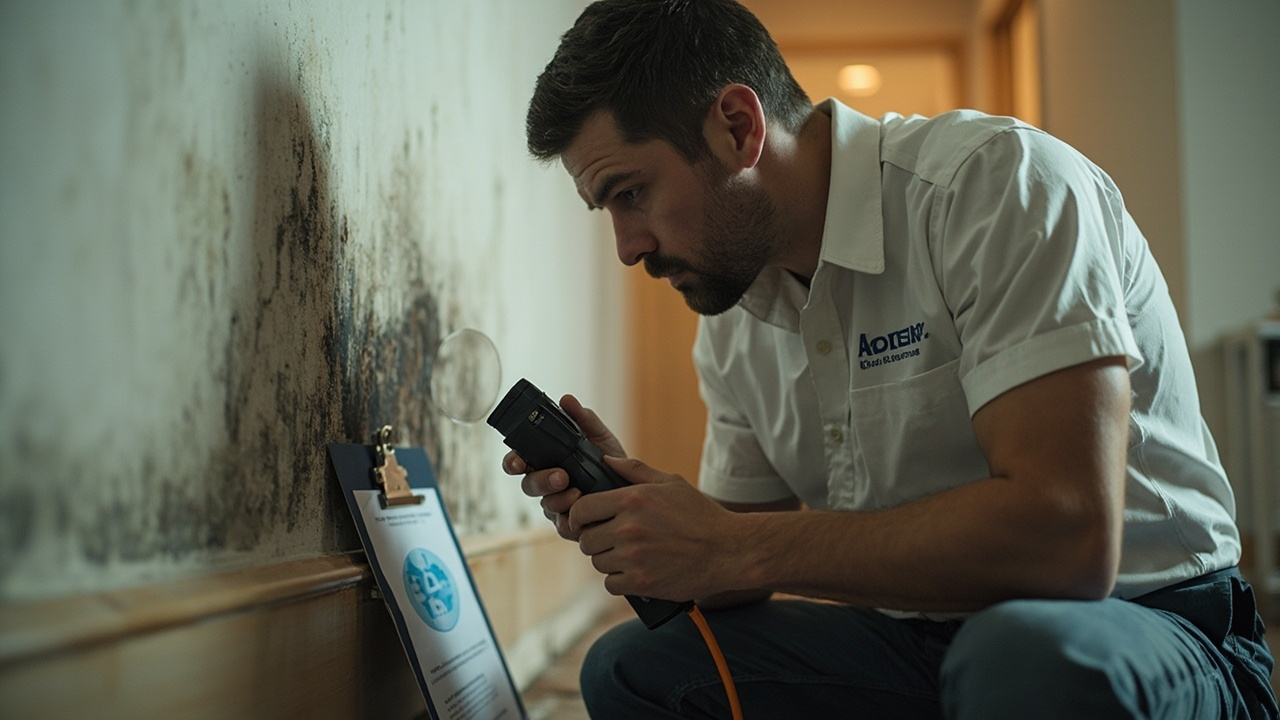
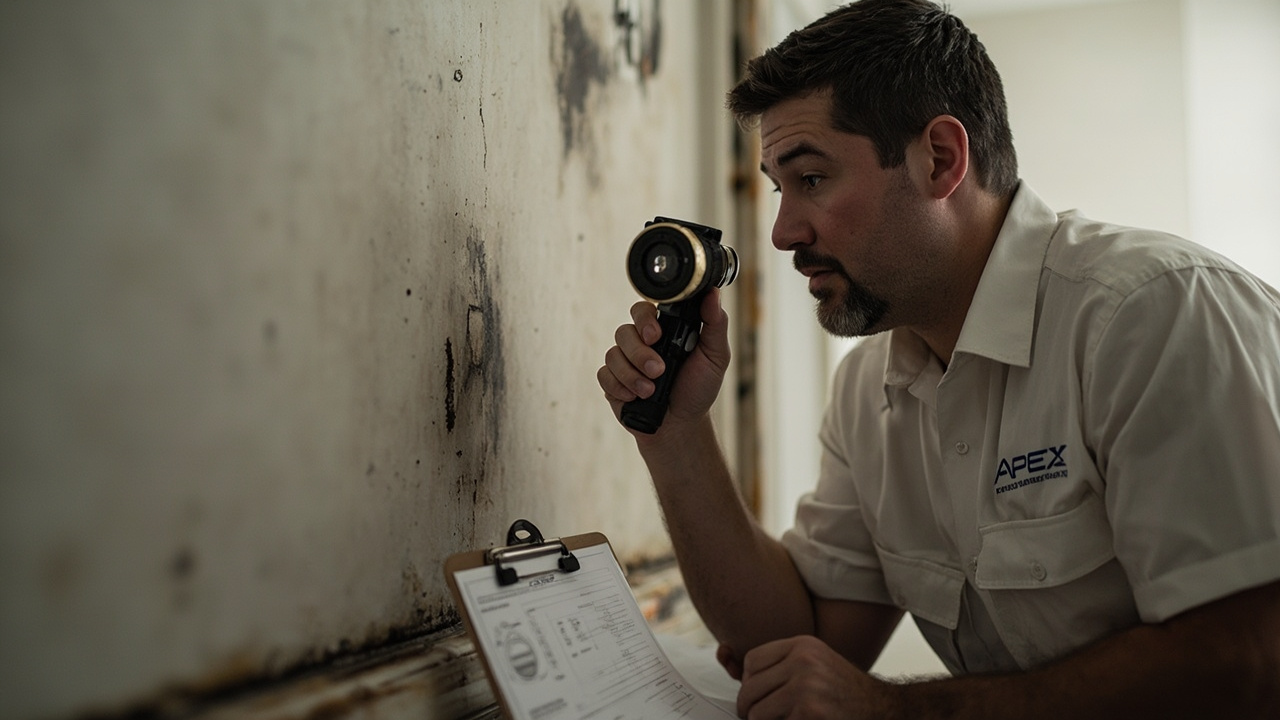
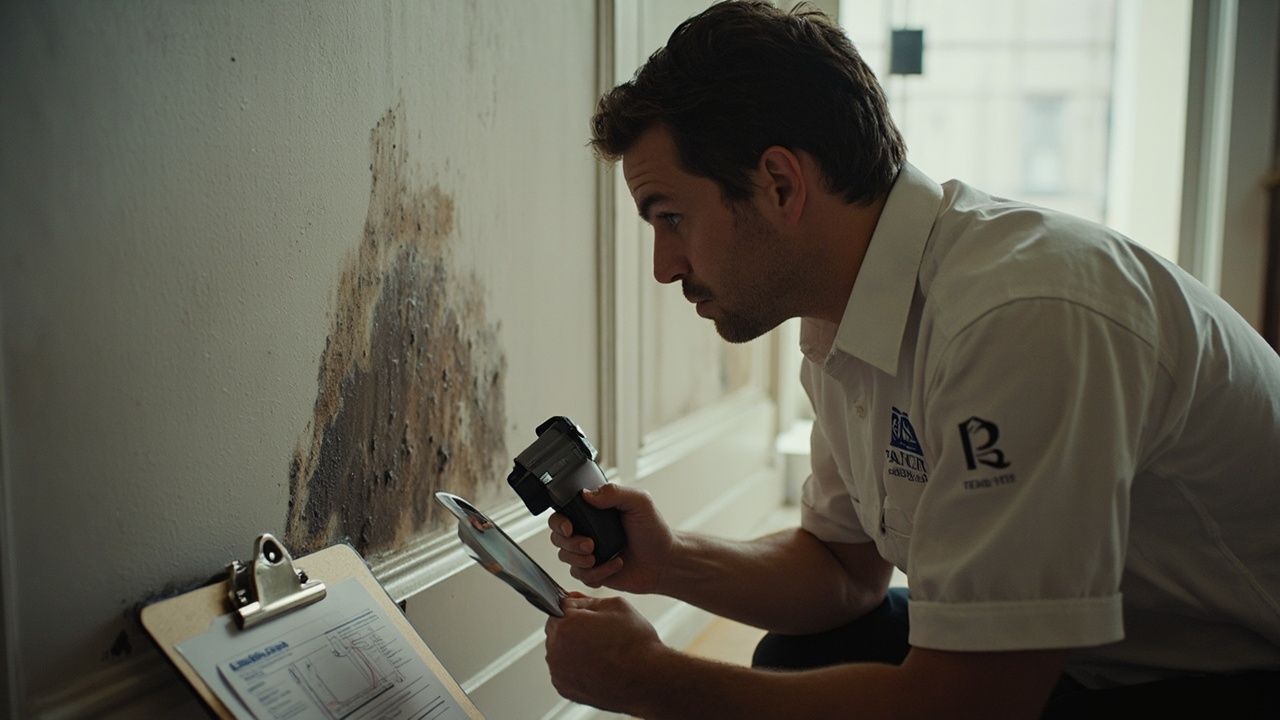
Understanding mold toxicity requires more than visual inspection. Apex Water Damage Restoration Indianapolis uses a multi-layer diagnostic protocol that identifies both active mold growth and the mycotoxin contamination that threatens your health.

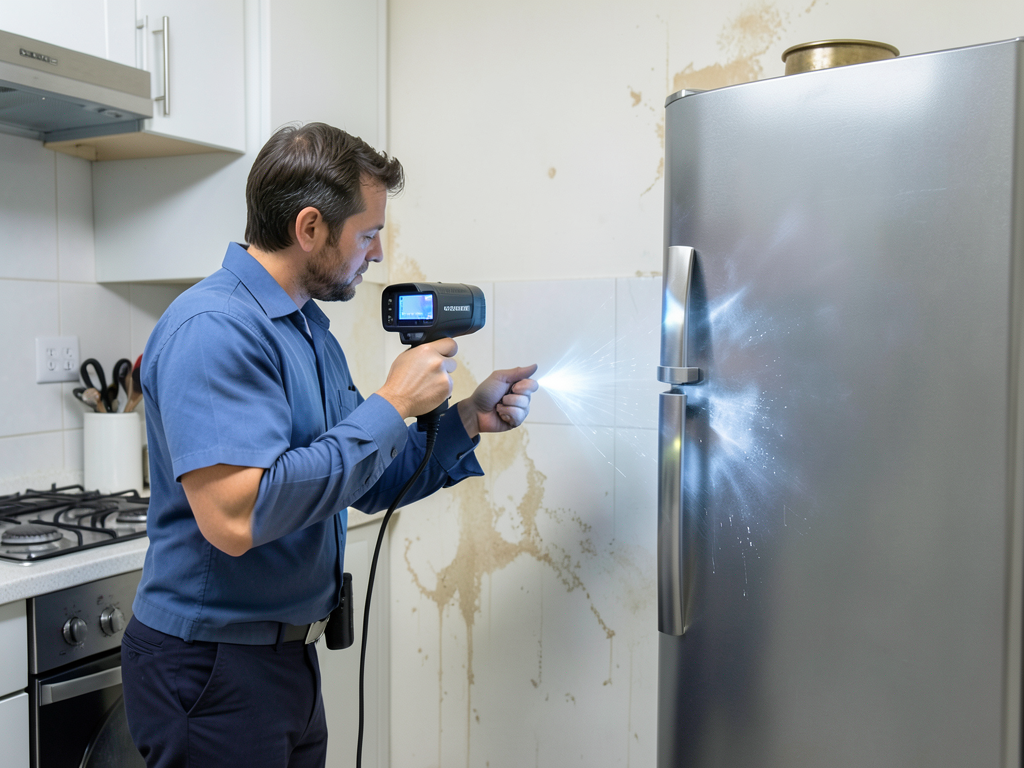
We deploy particle counters that measure airborne spore concentrations in parts per million, comparing indoor readings against outdoor baseline samples. This differential analysis reveals hidden mold colonies that release spores without visible growth. Our moisture mapping uses thermal imaging cameras to detect temperature differentials that indicate water intrusion inside wall assemblies, under flooring systems, or above ceiling planes.

Surface sampling with tape lifts captures mold species for laboratory identification. This matters because Stachybotrys, Aspergillus, and Penicillium species produce different mycotoxins with varying health impacts. You need to know exactly what you're breathing to understand your risk profile.

Air sampling with spore traps collects particles across multiple room zones and HVAC return ducts. Many Indianapolis homes circulate contaminated air through ductwork, spreading mycotoxins from a single source throughout the entire structure. We test supply and return air separately to map contamination patterns.

Bulk material sampling identifies hidden reservoirs. Carpet padding, drywall backing paper, and ceiling tile often harbor mold growth invisible from room surfaces. We extract core samples from suspected materials and submit them for culture analysis.

Our protocol includes relative humidity monitoring over 48 to 72 hours. Indianapolis homes often show acceptable humidity during dry periods but spike into mold-growth range during weather changes. Continuous monitoring reveals these dangerous fluctuations that single-point readings miss.

The data we collect creates a complete toxicity profile that guides remediation strategy and helps medical professionals diagnose mold-related illness.

What Happens During Your Mold Toxicity Evaluation

Understanding Mold Toxicity in Indianapolis – Critical Health Information and Expert Assessment Services
01

Initial Health and Home Assessment

We start by documenting your mold illness symptoms and mapping them against your home's history. You'll describe when symptoms started, which rooms make you feel worse, and any water damage events you remember. We inspect visible areas for water staining, musty odors, and surface mold while identifying risk factors like poor ventilation, HVAC issues, or drainage problems common in Indianapolis neighborhoods.
02

Diagnostic Testing and Sampling

Our team deploys air quality monitors, moisture meters, and thermal cameras throughout your home. We collect air samples from living spaces, basements, and crawl spaces, along with surface samples from suspected contamination sites. Each sample gets labeled with location data and environmental conditions. This phase takes two to four hours depending on home size and typically requires access to attics, crawl spaces, and utility areas.
03

Results Analysis and Action Planning

Within 72 hours, you receive a detailed report showing mold species identified, spore concentration levels, moisture readings, and contamination zones mapped to your floor plan. We explain which findings pose immediate health risks and which require monitoring. You get a prioritized remediation plan with scope of work, containment requirements, and timeline. We can share these results with your physician to support medical treatment.

Why Indianapolis Homeowners Trust Our Mold Toxicity Expertise

Apex Water Damage Restoration Indianapolis specializes in the unique mold challenges our city presents. We understand how Indianapolis building codes evolved over decades, which means we know the vulnerability points in homes built during different eras. Structures from the 1920s through 1940s in neighborhoods like Meridian-Kessler lack moisture barriers entirely. Homes from the 1960s and 1970s in areas like Lawrence and Speedway used construction methods that trap moisture in exterior walls.

Our team trains specifically on the mycotoxin health effects that matter most to families. We recognize that understanding mold toxicity means connecting environmental testing data to the symptoms you experience. When laboratory results show elevated Stachybotrys levels, we explain the neurological and respiratory effects associated with that specific species. When Aspergillus appears in air samples, we discuss the immune system impacts and respiratory sensitization risks.

We work directly with Indianapolis physicians, allergists, and environmental medicine specialists who treat mold illness symptoms. This collaborative approach means your health provider receives the technical data needed to make accurate diagnoses and treatment decisions. Many local doctors refer patients to us specifically because our reports provide the clinical detail medical treatment requires.

Our moisture source diagnosis accounts for Indianapolis-specific factors. We know which foundation types perform poorly in Marion County clay soils. We understand how summer humidity interacts with air conditioning systems in homes without proper dehumidification. We recognize the drainage issues that plague neighborhoods built before modern stormwater management standards.

You get honest assessments. If testing shows mold levels within normal range, we tell you. If your symptoms suggest other environmental factors, we say so. Our goal is accurate diagnosis, not unnecessary remediation work.

What Your Mold Toxicity Assessment Includes

Response Time and Scheduling

We schedule mold toxicity assessments within 24 to 48 hours of your call. If you're experiencing acute symptoms like severe respiratory distress or neurological issues, we prioritize emergency evaluation. Most assessments take three to five hours including environmental history documentation, visual inspection, moisture mapping, and air quality sampling. We work around your schedule and can perform testing when you're away from the property if mold illness symptoms make it difficult for you to be present during the evaluation.

Comprehensive Testing Protocol

Your assessment includes multiple air samples from different zones, surface sampling from suspected growth areas, moisture content readings throughout the structure, thermal imaging to detect hidden water intrusion, and relative humidity monitoring. We test HVAC systems separately because ductwork often distributes contamination. Each sample goes to an accredited mycology laboratory for analysis. You receive chain of custody documentation and full laboratory reports showing mold species identification, spore counts, and moisture levels with interpretation of what the data means for your health.

Detailed Results and Health Correlation

Your report maps contamination to specific rooms and building assemblies. We explain which mold species produce mycotoxins and how those toxins affect human health. You get clear information about black mold health risks, mycotoxin illness pathways, and effects of mold exposure based on the actual species found in your home. We identify whether your symptoms align with the contamination discovered and provide references to medical research connecting specific molds to health outcomes. This gives your physician actionable information for treatment decisions.

Remediation Planning and Follow-Up Testing

If testing reveals contamination requiring remediation, we provide a detailed scope of work including containment procedures, removal protocols, and clearance testing requirements. After remediation completes, we perform post-remediation verification testing to confirm spore levels returned to normal range. This clearance documentation protects you if you're selling your home or need proof of remediation for insurance claims. We also provide maintenance protocols to prevent recurrence, including humidity control strategies specific to Indianapolis climate conditions and seasonal moisture management.

Frequently Asked Questions

You Have Questions,
We Have Answers

How to tell if your body has mold toxicity? +

Mold toxicity symptoms vary, but common signs include persistent fatigue, headaches, brain fog, respiratory issues, sinus congestion, and skin rashes. You might experience joint pain, digestive problems, or unusual sensitivity to light and sound. Indianapolis residents often report worsening symptoms during humid summer months when mold growth accelerates in basements and crawl spaces. If you notice these symptoms improve when you leave your home and return when you come back, mold exposure is likely. Consult a physician familiar with mold illness for proper testing and diagnosis. Document your symptoms and their timing to help identify patterns.

Can mold cause heartburn? +

Yes, mold exposure can trigger heartburn and acid reflux symptoms. Mold spores and mycotoxins irritate the esophageal lining and disrupt gut bacteria balance, leading to increased stomach acid production. This inflammation can weaken the lower esophageal sphincter, allowing acid to flow backward. Indianapolis homes with basement moisture issues or poor ventilation create conditions where mold thrives and residents inhale spores regularly. If you experience unexplained heartburn alongside other respiratory or neurological symptoms, inspect your home for hidden mold growth. Addressing the mold source often reduces digestive symptoms significantly. Professional testing can identify problematic mold species in your environment.

What are the 5 most toxic molds? +

The five most toxic molds are Stachybotrys chartarum (black mold), Aspergillus fumigatus, Fusarium, Chaetomium, and Penicillium. Black mold produces dangerous mycotoxins that cause severe respiratory and neurological problems. Aspergillus releases spores that trigger lung infections, especially in immunocompromised individuals. Fusarium grows in water-damaged materials and produces toxins affecting the immune system. Indianapolis homes with flood damage or chronic leaks provide ideal conditions for these species. Chaetomium thrives in wet drywall and produces a musty odor. Each species requires different remediation approaches. Professional testing identifies which toxic molds are present so you can address the specific health risks.

Can mold cause croup? +

Mold exposure can trigger croup-like symptoms in children, especially those with asthma or allergies. Mold spores irritate airways, causing inflammation, coughing, and difficulty breathing that mimics viral croup. The characteristic barking cough and respiratory distress worsen in moldy environments. Indianapolis homes with basement dampness or poor HVAC maintenance circulate mold spores that inflame young airways. If your child experiences recurrent croup symptoms without viral illness, inspect your home for hidden mold growth. Bedrooms, basements, and bathrooms are common culprits. Removing mold sources often reduces respiratory episodes. Consult your pediatrician if symptoms persist, as chronic mold exposure requires medical intervention.

Can bloodwork show mold exposure? +

Yes, bloodwork can detect mold exposure through specific tests. Mycotoxin testing identifies toxins in your blood or urine. IgG and IgE antibody tests measure immune responses to mold species. Complete blood counts may show elevated eosinophils, indicating allergic reactions. C4a and TGF-beta1 markers reveal inflammation from mold exposure. Indianapolis residents with suspected mold toxicity should seek physicians experienced in environmental medicine who order appropriate panels. Standard blood tests miss mold-specific markers, so request comprehensive mycotoxin screening. Results guide treatment protocols and confirm whether your home environment is making you sick. Combine testing with professional mold inspection for complete diagnosis.

Can air purifiers remove mold spores? +

Air purifiers with HEPA filters remove airborne mold spores but do not eliminate the mold source. HEPA filters capture 99.97% of particles 0.3 microns or larger, including most mold spores. They reduce spore concentration and improve air quality temporarily. However, air purifiers cannot remove mold colonies growing in walls, carpets, or HVAC systems. Indianapolis homes need both air filtration and professional mold remediation to address the root problem. Place purifiers in bedrooms and common areas while investigating moisture sources. Change filters regularly, as trapped spores can release mycotoxins. Air purification is a helpful tool but never a complete solution.

How long does it take for mold in your house to make you sick? +

Mold can make you sick within 24 hours of exposure, though timing varies by individual sensitivity and mold concentration. Sensitive individuals experience immediate reactions like sneezing, coughing, or headaches. Others develop symptoms after weeks or months of chronic exposure as mycotoxins accumulate in the body. Indianapolis homes with high humidity and poor ventilation accelerate mold growth and health impacts. Immunocompromised individuals, children, and elderly residents react faster. Symptoms worsen gradually, making it hard to connect them to mold exposure. If you suspect mold, address it immediately rather than waiting for symptoms to appear. Early intervention prevents serious health complications.

Can mold mess up your gut? +

Mold exposure disrupts gut health by introducing mycotoxins that damage intestinal lining and kill beneficial bacteria. This creates digestive issues like bloating, diarrhea, constipation, and food sensitivities. Mycotoxins trigger inflammation that increases intestinal permeability, allowing toxins into your bloodstream. Indianapolis residents with basement mold or water damage often report unexplained digestive problems alongside respiratory symptoms. The gut-brain connection means mold-related gut dysfunction also causes brain fog and mood changes. Restoring gut health requires removing mold exposure, taking probiotics, and healing the intestinal barrier. Professional mold remediation stops the toxin source while medical treatment addresses gut damage.

Can mold cause thyroid issues? +

Mold exposure can disrupt thyroid function by triggering autoimmune responses and inflammation. Mycotoxins interfere with hormone production and receptor sensitivity, causing hypothyroid or hyperthyroid symptoms. You might experience unexplained weight changes, fatigue, hair loss, or temperature sensitivity. Indianapolis homes with chronic moisture problems expose residents to mold that stresses the endocrine system over time. Mold-related inflammation can trigger Hashimoto's thyroiditis or worsen existing thyroid conditions. If you have unexplained thyroid dysfunction alongside other mold symptoms, test your home and consult an endocrinologist familiar with environmental triggers. Removing mold exposure often improves thyroid markers and reduces medication needs.

Which mold kills you? +

Stachybotrys chartarum (black mold) is the most dangerous species, producing mycotoxins that can cause fatal pulmonary hemorrhage in infants and severe illness in adults. Aspergillus fumigatus kills immunocompromised individuals through invasive lung infections. However, no mold species instantly kills healthy adults. Death occurs from prolonged exposure or preexisting health conditions. Indianapolis homes with severe water damage or flooding create environments where toxic molds thrive. Infants, elderly residents, and those with compromised immune systems face the highest risk. Any visible mold growth requires immediate professional remediation. Do not attempt DIY removal of large colonies, as disturbing spores increases exposure danger.

Why Indianapolis Humidity and Soil Conditions Make Mold Toxicity Assessment Critical

Indianapolis sits in a humid continental climate zone where summer dew points regularly reach 65 to 70 degrees, creating ideal conditions for mold growth inside homes. Our clay-rich soil throughout Marion County expands and contracts with moisture changes, causing foundation movement that cracks basement walls and floor slabs. These cracks allow groundwater intrusion and create damp environments where toxic mold species colonize. The White River and Fall Creek corridors add localized humidity that keeps basements and crawl spaces persistently damp. Homes in Broad Ripple, Irvington, and near Butler University experience elevated mold risk due to proximity to these water features combined with older housing stock that lacks modern moisture barriers.

Understanding mold toxicity in Indianapolis requires familiarity with local construction methods and building code evolution. Apex Water Damage Restoration Indianapolis has assessed thousands of homes across Marion County, from historic districts downtown to newer subdivisions in Fishers and Carmel. We know which HVAC configurations create condensation problems, which foundation types fail in our soil conditions, and which neighborhoods experience chronic moisture issues. Our team maintains relationships with local environmental medicine physicians who treat mycotoxin illness, allowing us to provide assessment data that supports your medical care. When you choose local expertise, you get professionals who understand the specific factors that create mold toxicity risk in your Indianapolis home.
Water Damage Restoration Services in The Indianapolis Area

We are proud to serve the entire Indianapolis area and surrounding communities, providing rapid-response water damage restoration right where you need it most. Our central location allows us to deploy our 24/7 emergency teams quickly across the region. View our service area on the map below and remember that wherever you are in the Indianapolis metropolitan area, Apex Water Damage Restoration Indianapolis is ready to deliver expert and trustworthy service to secure your home or business.

Address:
Apex Water Damage Restoration Indianapolis, 6767 E Washington St, Indianapolis, IN, 46219

Additional Services We Offer

Our news updates

Latest Articles & News from The Blogs

The Hidden Cost of Leaving Your Garden Hose Connected During an Indianapolis Winter Every fall Indianapolis homeowners face the same…

The Hidden Cost of Leaving Your Garden Hose Connected During an Indianapolis Winter

The Hidden Cost of Leaving Your Garden Hose Connected During an Indianapolis Winter Every fall Indianapolis homeowners face the same…

What to Do When Your Toilet Overflows and Drips Through the Ceiling in Fishers

What to Do When Your Toilet Overflows and Drips Through the Ceiling in Fishers Water from a toilet overflow creates…

How Your Refrigerator Ice Maker Can Quietly Flood Your Kitchen in Carmel

How Your Refrigerator Ice Maker Can Quietly Flood Your Kitchen in Carmel Your refrigerator's ice maker can leak for weeks…

Contact Us

If you're experiencing unexplained health symptoms or suspect mold contamination, call Apex Water Damage Restoration Indianapolis at (317) 703-7676. We provide comprehensive mold toxicity testing with results in 72 hours. Protect your family's health with accurate diagnosis and expert remediation planning.