menu

Fire Damage Safety Checklist in Indianapolis – Expert Post-Fire Protocol to Protect Your Family and Property

After a fire, hidden hazards like structural compromise, toxic soot, and water damage from firefighting efforts threaten your safety. Our comprehensive fire damage safety checklist walks Indianapolis homeowners through every critical post-fire safety step.

Slider Image 1
Slider Image 2
Slider Image 3
Slider Image 4
Slider Image 5
Slider Image 7
Slider Image 8
Slider Image 9
Slider Image 10
Slider Image 11

Why Post-Fire Inspections Are Critical in Indianapolis Homes

The moment firefighters extinguish the flames, a new set of dangers emerges. Indianapolis homes face unique post-fire challenges due to the combination of older housing stock in neighborhoods like Fountain Square and Butler-Tarkington, where wood-frame construction and balloon framing allow fire and smoke to travel rapidly through wall cavities. The city's freeze-thaw cycles further complicate recovery, as water used to extinguish fires can freeze in pipes and hidden spaces during winter months, causing secondary damage that may not surface for weeks.

Post-fire safety steps begin the second you return to your property. Soot contains acidic residues that corrode metal surfaces, etch glass, and release volatile organic compounds into the air you breathe. Water damage from fire hoses saturates insulation, drywall, and subflooring, creating ideal conditions for mold growth within 24 to 48 hours. The combination of these hazards makes a fire recovery safety guide essential for every Indianapolis homeowner.

Many residents underestimate structural risks after a fire. Heat weakens wooden joists, compromises steel beams, and causes concrete to spall. Walking through a fire-damaged home without a proper post-fire hazard checklist puts you at risk of collapse, electrical shock from damaged wiring, and exposure to carcinogens embedded in smoke residue. After fire safety precautions must account for visible damage and hidden compromises that only trained professionals can identify. The fire damage safety protocol you follow in the first 72 hours determines whether your home can be restored or requires extensive demolition.

Why Post-Fire Inspections Are Critical in Indianapolis Homes
How Professional Fire Damage Assessment Protects Indianapolis Property Owners

How Professional Fire Damage Assessment Protects Indianapolis Property Owners

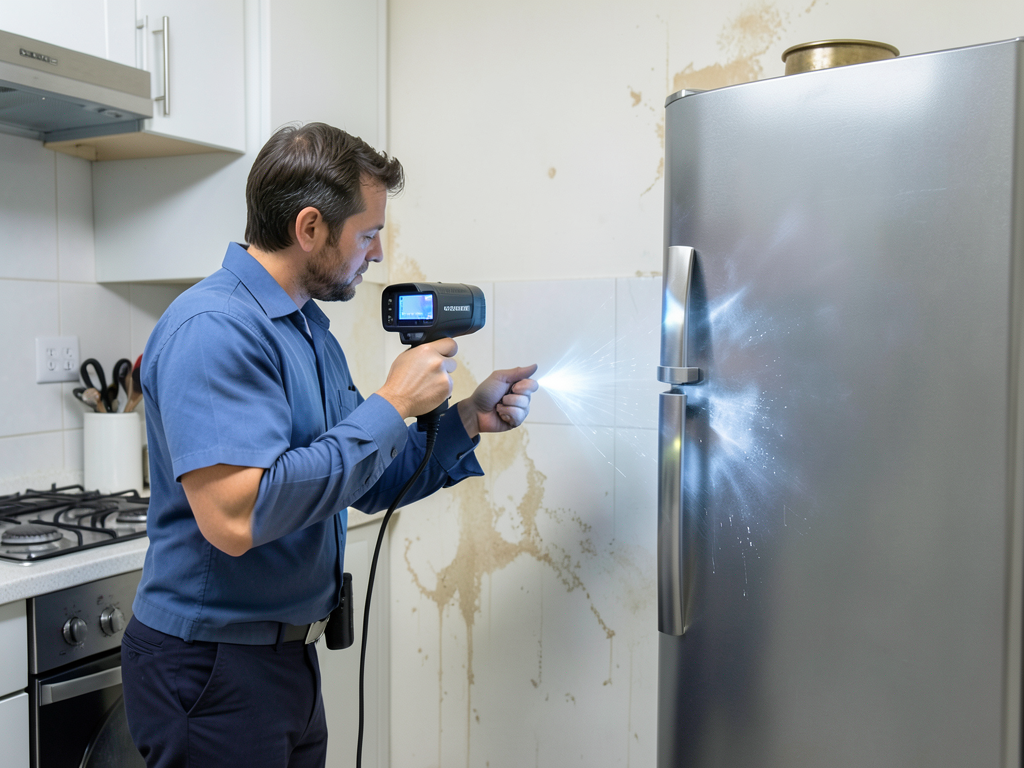
A professional fire damage safety protocol begins with structural stabilization. We assess load-bearing walls, roof integrity, and foundation stability before allowing any entry beyond the perimeter. Our technicians use moisture meters to map water intrusion patterns from firefighting efforts, identifying saturated areas that require immediate extraction to prevent microbial growth. We document thermal imaging data to locate hidden hot spots that could reignite hours or days after the initial fire.

Soot categorization determines the cleaning methodology. Protein residues from kitchen fires require enzyme-based treatments, while synthetic soot from burning plastics demands different chemical neutralization. We test surfaces for pH levels to identify acidic deposits that will continue corroding materials if not neutralized within 48 hours. This specificity prevents the common mistake of using general-purpose cleaners that spread contamination rather than remove it.

Air quality testing is non-negotiable. We measure particulate levels, volatile organic compounds, and carbon monoxide concentrations before clearing any space for occupancy. Indianapolis homes with forced-air HVAC systems face particular risk, as soot particles circulate through ductwork and contaminate every room, even those untouched by flames. We seal off HVAC systems, replace filters, and clean duct interiors before restoring airflow.

Our approach integrates water damage mitigation with fire recovery. Structural drying equipment runs simultaneously with soot removal to prevent the secondary disaster of mold colonization. We monitor humidity levels and adjust dehumidification capacity based on real-time readings. This prevents the weeks-long delay that occurs when restoration companies address fire and water damage sequentially rather than concurrently.

Our Post-Fire Safety Inspection Process

Fire Damage Safety Checklist in Indianapolis – Expert Post-Fire Protocol to Protect Your Family and Property
01

Initial Hazard Assessment

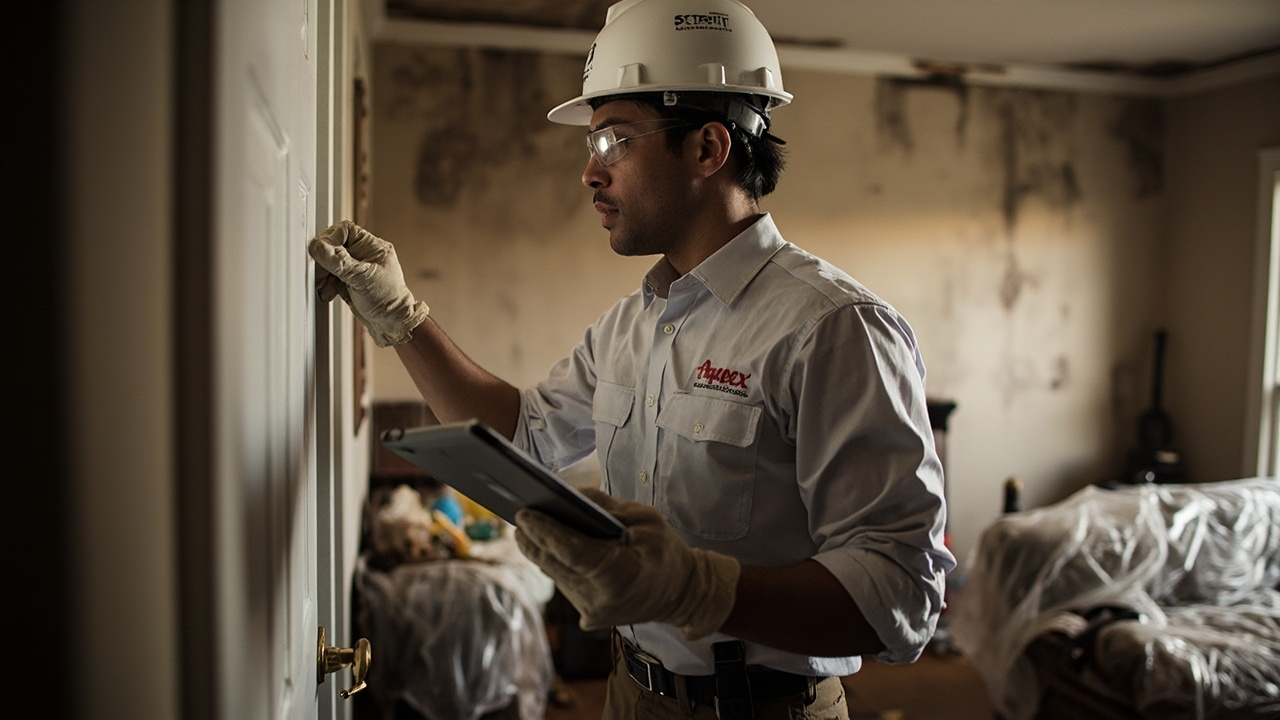
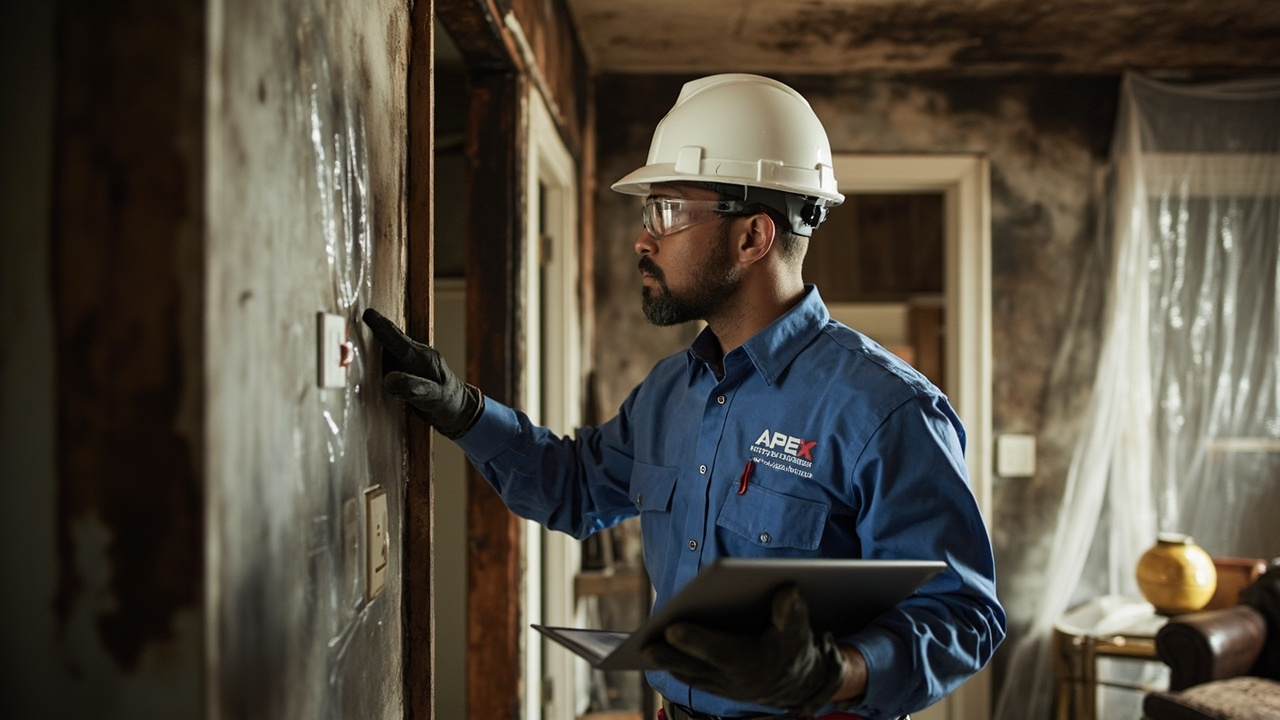
We conduct a comprehensive exterior and interior evaluation to identify structural instability, electrical hazards, and contamination zones. Our technicians photograph every damaged area, test air quality for toxic particulates, and establish safe entry points. We coordinate with Indianapolis fire marshals to ensure compliance with safety clearances and document all findings for insurance claims. This assessment determines which areas require immediate containment and which can proceed to active restoration.
02

Contamination Control and Mitigation

We establish negative air pressure zones using HEPA-filtered air scrubbers to prevent soot migration into unaffected areas. Thermal foggers neutralize odor molecules embedded in porous materials. Our team removes water-damaged materials that cannot be salvaged, extracts standing water, and begins structural drying protocols. We apply antimicrobial treatments to prevent mold growth and seal off HVAC systems to stop particulate circulation. Every surface undergoes pH testing to guide chemical neutralization efforts.
03

Clearance Testing and Documentation

Before declaring any space safe for occupancy, we conduct final air quality testing, moisture readings, and structural verification. We provide a detailed post-fire hazard checklist showing what has been remediated and what requires ongoing monitoring. All documentation includes photographic evidence, lab results, and material inventories for insurance purposes. We coordinate with local Indianapolis building inspectors when structural repairs require permits, ensuring you receive proper clearances before reconstruction begins.

Why Indianapolis Homeowners Trust Local Fire Damage Experts

Indianapolis fire recovery demands knowledge of local construction methods and regional climate patterns. Homes built before 1950 in neighborhoods like Irvington and Woodruff Place often feature plaster walls over wood lath, which retains water differently than modern drywall. These older materials require specialized drying techniques to prevent permanent damage. We understand the difference between balloon-frame and platform-frame construction, which dictates how fire travels through structures and where hidden damage likely exists.

Local building codes require specific documentation for post-fire reconstruction. Marion County has particular requirements for electrical system upgrades and structural reinforcement after fire damage. We work directly with Indianapolis building inspectors to ensure all repairs meet code and obtain necessary permits before reconstruction begins. This local expertise prevents the delays and compliance issues that occur when out-of-state restoration companies attempt to navigate unfamiliar regulations.

Our relationship with Indianapolis insurance adjusters streamlines the claims process. We provide the detailed documentation and photographic evidence that adjusters require, including moisture mapping, thermal imaging, and itemized loss inventories. This thoroughness reduces claim disputes and accelerates payment timelines. We understand which restoration methods local adjusters prefer and can justify our protocols with industry-standard methodologies they recognize.

Response time matters after fire damage. We maintain equipment staging in Indianapolis, allowing us to arrive with industrial dehumidifiers, air scrubbers, and moisture detection tools within hours. This speed prevents secondary water damage and mold growth that occurs when restoration delays beyond the first 24 hours. Our local presence means we understand seasonal challenges, like winter freezing risks and summer humidity spikes that complicate drying protocols.

What to Expect During Fire Damage Safety Assessment

Rapid Response Timeline

We arrive within two to four hours of your call to begin emergency stabilization. The first 24 hours are critical for preventing secondary damage from water intrusion and airborne contamination. Our teams work around the clock during the initial mitigation phase, extracting water, establishing containment barriers, and documenting damage. This immediate response prevents the exponential increase in restoration costs that occurs when water sits for more than 48 hours. We maintain equipment inventories in Indianapolis to avoid the delays associated with cross-state mobilization. Your property receives active monitoring and adjustment of drying equipment every eight to twelve hours during the critical first week.

Comprehensive Damage Documentation

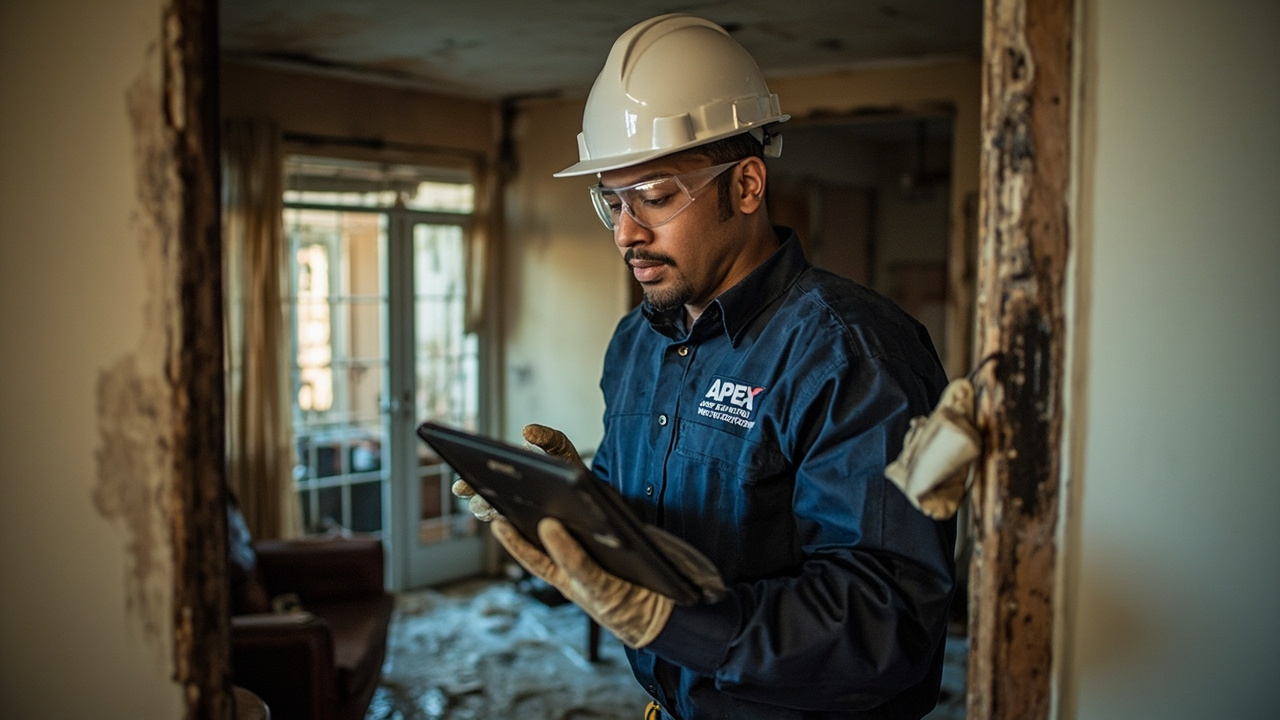
Our assessment includes thermal imaging to identify hidden moisture, air quality testing for particulate contamination, and structural evaluation by certified inspectors. We photograph every affected area from multiple angles and create detailed floor plans showing damage zones. Moisture meters provide numerical readings that we track daily to verify drying progress. We test soot deposits to determine chemical composition, which dictates cleaning methodology. This documentation serves two purposes: guiding our restoration work and providing insurance companies with the evidence they need to process your claim quickly. You receive copies of all reports, lab results, and photographic documentation in formats that insurance adjusters prefer.

Certified Restoration Standards

All work follows Institute of Inspection, Cleaning and Restoration Certification standards for fire and water damage restoration. We use EPA-registered antimicrobials and follow manufacturer specifications for application rates and dwell times. Our technicians hold certifications in water damage restoration, applied structural drying, and odor control. Equipment calibration records verify that our moisture meters, thermal cameras, and air quality monitors provide accurate readings. We never declare a space safe for occupancy based on visual inspection alone. Final clearance requires laboratory-verified air quality results showing particulate levels below EPA thresholds and moisture readings within industry-standard ranges for your specific building materials.

Ongoing Monitoring and Support

Post-restoration monitoring continues for 30 days after equipment removal. We schedule follow-up inspections to verify that moisture levels remain stable and no secondary issues have emerged. You receive a detailed maintenance guide outlining warning signs of recurring problems and recommended preventive measures. If any issues arise during the monitoring period, we return to assess and address them at no additional charge. Our documentation remains available for future insurance needs or property transactions. We coordinate with your contractors during reconstruction to ensure that our mitigation work integrates properly with structural repairs. This continuity prevents the gaps in responsibility that occur when restoration and reconstruction teams fail to communicate.

Frequently Asked Questions

You Have Questions,
We Have Answers

How Indianapolis Climate Patterns Complicate Fire Recovery Safety Protocols

Indianapolis experiences dramatic seasonal temperature swings, with winter lows reaching single digits and summer highs exceeding 90 degrees. These extremes create unique challenges for post-fire recovery. Water from firefighting efforts freezes in unheated spaces during winter months, expanding within wall cavities and causing structural damage that may not become apparent until spring thaw. Summer humidity levels above 70 percent accelerate microbial growth in water-damaged materials, reducing the safe window for salvage from 72 hours to less than 48 hours. The city's clay soil composition also affects foundation stability after fire damage, as heat-compromised structures on clay substrates experience differential settling that worsens over time if not addressed immediately.

Indianapolis fire code requires specific documentation for post-fire reconstruction permits, particularly in historic districts where original materials and architectural features must be preserved when possible. Our familiarity with Marion County building department procedures streamlines permit acquisition and ensures compliance with local preservation standards. We maintain relationships with Indianapolis structural engineers who provide the load calculations and reinforcement specifications required for major repairs. This local network prevents the delays that occur when national restoration chains attempt to navigate unfamiliar municipal requirements. Our understanding of regional construction methods allows us to identify risks specific to Indianapolis housing stock, from aging brick veneer on wood-frame structures to outdated electrical systems common in pre-1970 homes.
Water Damage Restoration Services in The Indianapolis Area

We are proud to serve the entire Indianapolis area and surrounding communities, providing rapid-response water damage restoration right where you need it most. Our central location allows us to deploy our 24/7 emergency teams quickly across the region. View our service area on the map below and remember that wherever you are in the Indianapolis metropolitan area, Apex Water Damage Restoration Indianapolis is ready to deliver expert and trustworthy service to secure your home or business.

Address:
Apex Water Damage Restoration Indianapolis, 6767 E Washington St, Indianapolis, IN, 46219

Additional Services We Offer

Our news updates

Latest Articles & News from The Blogs

The Hidden Cost of Leaving Your Garden Hose Connected During an Indianapolis Winter Every fall Indianapolis homeowners face the same…

The Hidden Cost of Leaving Your Garden Hose Connected During an Indianapolis Winter

The Hidden Cost of Leaving Your Garden Hose Connected During an Indianapolis Winter Every fall Indianapolis homeowners face the same…

What to Do When Your Toilet Overflows and Drips Through the Ceiling in Fishers

What to Do When Your Toilet Overflows and Drips Through the Ceiling in Fishers Water from a toilet overflow creates…

How Your Refrigerator Ice Maker Can Quietly Flood Your Kitchen in Carmel

How Your Refrigerator Ice Maker Can Quietly Flood Your Kitchen in Carmel Your refrigerator's ice maker can leak for weeks…

Contact Us

Every hour of delay increases restoration costs and health risks. Call (317) 703-7676 now for immediate fire damage evaluation and safety clearance. Our Indianapolis team responds 24/7 with the equipment and expertise to protect your property and family.