menu

Sump Pump Maintenance Guide in Indianapolis – Prevent Basement Flooding Before the Next Storm

Learn how to maintain a sump pump system that works when you need it most. Our preventative sump pump maintenance checklist helps Indianapolis homeowners avoid costly water damage from spring storms and flash flooding.

Slider Image 1
Slider Image 2
Slider Image 3
Slider Image 4
Slider Image 5
Slider Image 7
Slider Image 8
Slider Image 9
Slider Image 10
Slider Image 11

Why Sump Pump Failures Are Common in Indianapolis Basements

Indianapolis sits in a unique hydrological position. The White River and its tributaries create a high water table across Marion County. When spring storms dump two inches of rain in an hour, that water has nowhere to go but down. Your sump pump becomes the only barrier between a dry basement and thousands of dollars in water damage.

Most Indianapolis homeowners ignore their sump pump until it fails. The basin fills with sediment from our clay-heavy soil. The float switch jams. The discharge line freezes during January cold snaps. By the time you hear water pooling near your furnace, the damage is already happening.

A sump pump maintenance checklist prevents these failures. Regular sump pump care tips focus on three critical points: the intake screen, the float mechanism, and the discharge line. These components fail predictably when neglected. They work reliably when maintained.

Indianapolis experiences an average of 42 inches of precipitation annually. Most of that falls between April and June. Your sump pump runs harder during those months than any other time of year. Preventative sump pump maintenance before storm season means your pump can handle the load when a severe thunderstorm warning hits Hamilton County and pushes water south into the city.

How to maintain a sump pump comes down to understanding what kills them. Debris clogs the intake. Mechanical wear degrades the float. Power outages leave you vulnerable. Sump pump upkeep instructions address each failure point systematically. The goal is simple: make sure the pump activates when water enters the basin and discharges that water away from your foundation.

Why Sump Pump Failures Are Common in Indianapolis Basements
The Core Components of Effective Sump Pump Maintenance

The Core Components of Effective Sump Pump Maintenance

A functioning sump pump system requires four elements working in coordination: the basin, the pump mechanism, the float switch, and the discharge line. Each element has specific maintenance requirements.

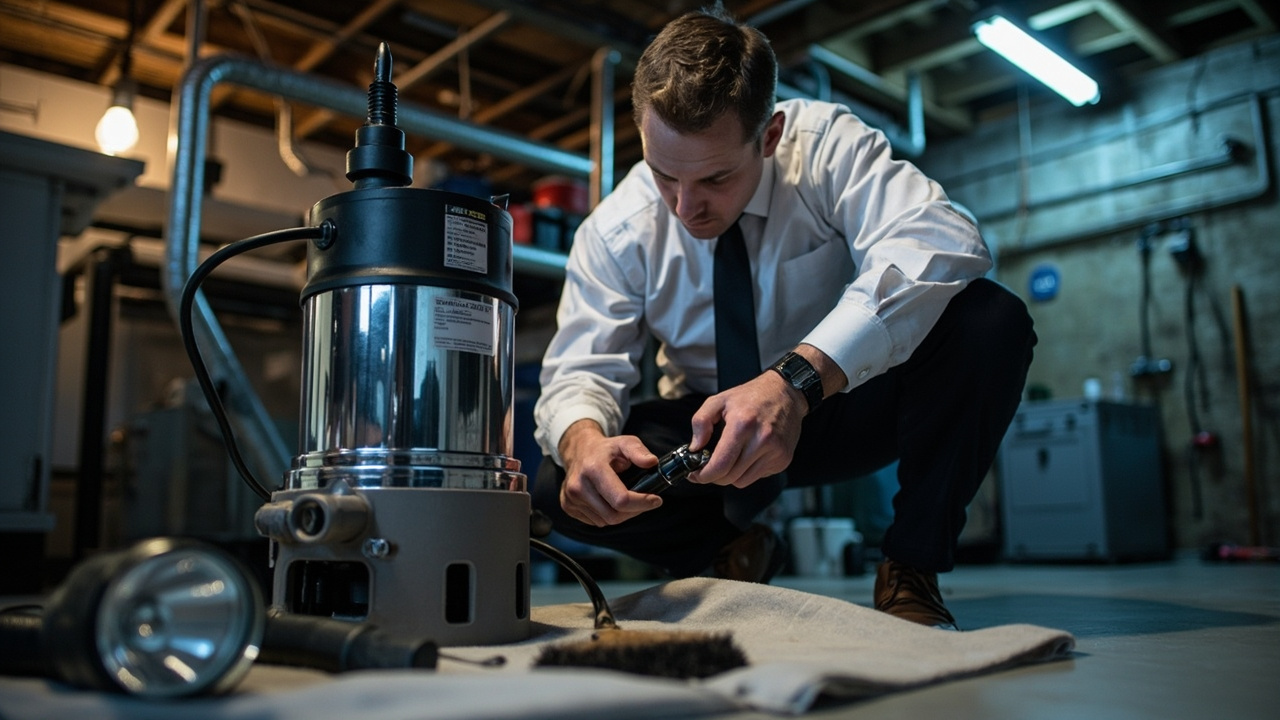
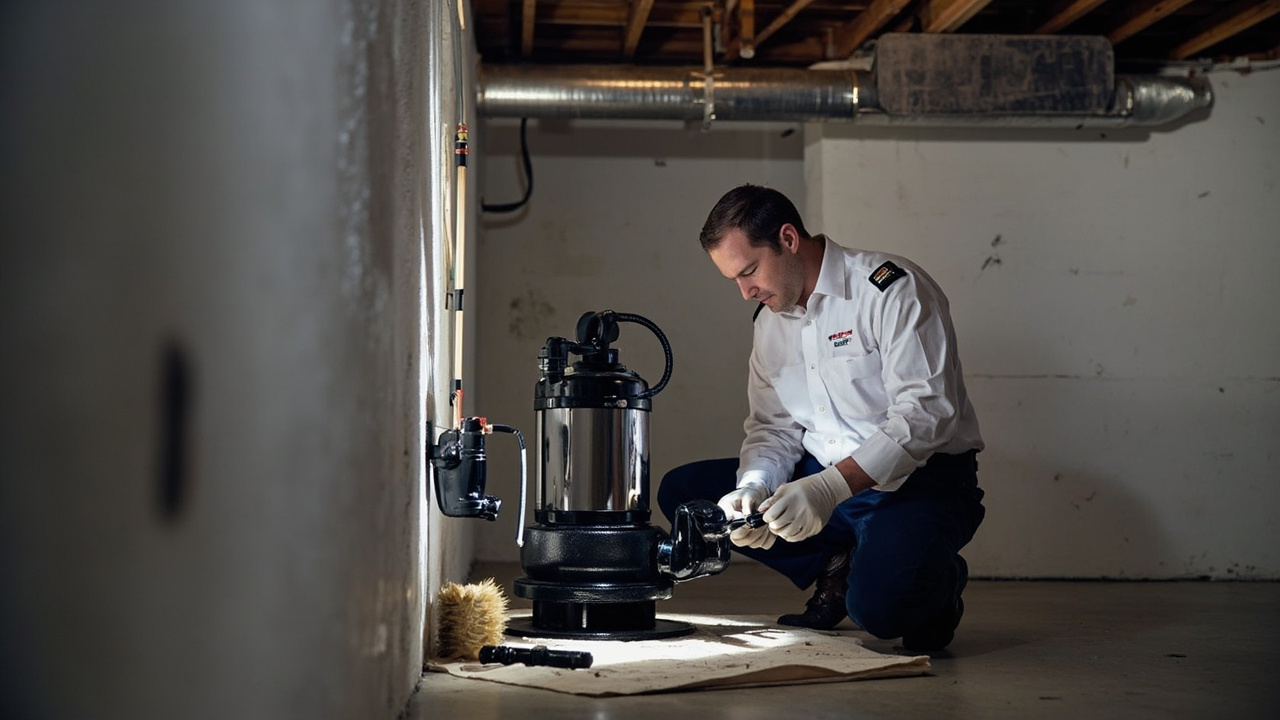
The basin collects groundwater before it saturates your basement slab. Over time, sediment accumulates at the bottom. This sediment comes from the surrounding soil as water percolates through. Indianapolis clay soil produces fine particles that settle in the basin. When sediment depth exceeds two inches, it can jam the float switch or clog the intake screen. Basin cleaning requires removing the pump, scooping out debris, and flushing the walls. This should happen at least once per year, preferably in March before heavy spring rains begin.

The pump mechanism itself uses an impeller to move water. The impeller spins at high speed, creating pressure that forces water up the discharge pipe. Small stones or debris can damage impeller blades. A damaged impeller reduces flow rate. Your pump runs longer to move the same volume of water. This increases wear on the motor and raises the risk of overheat failure during extended rain events.

The float switch activates the pump when water reaches a specific depth. Most residential sump pumps use a tethered float or a vertical float design. Tethered floats hang on a cord and swing upward as water rises. They can tangle on the discharge pipe or basin walls. Vertical floats slide up a shaft and are less prone to tangling. Testing the float switch monthly ensures it moves freely and triggers the pump at the correct water level.

The discharge line carries water away from your foundation. In Indianapolis, this line must extend at least ten feet from the house to prevent water from cycling back into the basin. During winter, the discharge line can freeze if water remains in the pipe after a pump cycle. Installing a weep hole or using an extended discharge line with proper slope prevents freeze damage.

Your Seasonal Sump Pump Maintenance Routine

Sump Pump Maintenance Guide in Indianapolis – Prevent Basement Flooding Before the Next Storm
01

Spring System Check

Before April storms arrive, inspect your entire sump pump system. Remove the cover and check for debris in the basin. Pour water into the basin until the float activates the pump. Listen for unusual grinding or rattling. Check the discharge line exit point to confirm water flows freely away from the foundation. Verify your backup power source if you have a battery system installed.
02

Monthly Function Test

During active months from April through September, test your sump pump monthly. Fill the basin with a garden hose. Watch the float rise and trigger the pump. Time how long the pump takes to evacuate five gallons of water. A functioning pump should clear the basin in under 60 seconds. Slower performance indicates impeller wear or a clogged intake screen that needs cleaning.
03

Fall Winterization Prep

Before December freezes arrive, extend your discharge line or install a freeze-prevention fitting. Clean the basin one final time to remove any accumulated sediment. Check the weep hole to ensure it is not clogged. Consider adding a sump pump cover with a sealed gasket to reduce humidity and prevent freezing air from entering the basin during January cold snaps.

Why Local Knowledge Matters for Indianapolis Sump Pump Systems

Indianapolis homes built before 1980 often lack proper foundation drainage systems. Many basements in Fountain Square, Irvington, and Broad Ripple rely entirely on sump pumps to manage groundwater. These older neighborhoods sit in flood zones near Pogue's Run and Pleasant Run creeks. When these tributaries swell during spring storms, the water table rises quickly. Your sump pump may cycle every ten minutes during a heavy rain event.

Homes in newer developments north of 96th Street face different challenges. Carmel and Fishers subdivisions use clay tile drainage systems that funnel water into sump basins. These systems work well when maintained but fail catastrophically when tree roots infiltrate the tile lines. A sump pump maintenance guide for these areas must include drain tile inspection, not just pump testing.

Indianapolis building codes require sump pump discharge lines to daylight at least ten feet from the foundation. Many older homes discharge directly onto driveways or into window wells. This creates a cycle where the same water re-enters the basement through foundation cracks. Proper discharge line routing is not optional. It determines whether your sump pump actually protects your home or just moves water in circles.

We work with Indianapolis homeowners to assess their specific drainage situation. A home in Meridian-Kessler with a high water table needs a different maintenance approach than a home in Warren Park with poor lot grading. The sump pump care tips that work in one neighborhood may not address the problems in another. Local experience means understanding which failures happen where and why.

Indianapolis experiences severe thunderstorms with rainfall rates exceeding two inches per hour. Your sump pump must handle peak flow during these events. A pump that works fine during light rain may fail when a summer storm dumps water faster than the system can evacuate it. We test pumps under load conditions that simulate real storm scenarios specific to central Indiana weather patterns.

What to Expect from Professional Sump Pump Maintenance

Same-Day Service Availability

We respond to maintenance requests within four hours during business days. If your sump pump shows signs of failure or you want a pre-storm inspection before severe weather arrives, we schedule service the same day when possible. Spring maintenance appointments fill quickly between March and May. Scheduling your annual sump pump upkeep in February or early March ensures availability before storm season peaks. Emergency pump failures receive immediate dispatch regardless of timing.

Comprehensive System Inspection

Our maintenance service includes basin cleaning, float switch testing, impeller inspection, and discharge line verification. We measure pump flow rate to establish a performance baseline. This baseline tells us when your pump begins to degrade over time. We check for foundation cracks near the sump basin that could indicate settling or water pressure issues. The inspection includes testing your backup battery system if installed and verifying the check valve prevents backflow into the basin.

Documented Performance Report

After maintenance, you receive a written report documenting pump flow rate, float activation depth, and any identified issues. This report provides a reference point for future maintenance visits. If your pump begins to fail, comparing current performance to baseline measurements identifies exactly what component is degrading. The report includes photos of the basin interior, discharge line routing, and any visible foundation concerns. This documentation proves valuable for insurance claims if flooding occurs despite proper maintenance.

Annual Maintenance Reminders

Sump pump maintenance is easy to forget until a problem develops. We send annual reminders in February to schedule your pre-storm inspection. These reminders help you stay ahead of failures rather than reacting to flooding. If you prefer more frequent service, we offer quarterly inspection plans for homes in high water table areas or properties with histories of repeated flooding. Maintenance plans include priority scheduling during storm season when service demand peaks across Indianapolis.

Frequently Asked Questions

You Have Questions,
We Have Answers

What maintenance does a sump pump require? +

Your sump pump needs quarterly testing by pouring water into the pit to trigger the float switch. Check the discharge line for clogs or freeze damage, especially after Indianapolis winters. Clean the inlet screen and pit of debris every three months. Test the backup battery if you have one. Inspect the check valve annually to prevent backflow. Listen for unusual grinding or rattling noises during operation. Given Indianapolis's clay soil and seasonal flooding, your pump works harder during spring thaw and heavy summer storms. Professional inspection once a year catches worn impellers or failing switches before they strand you during the next downpour.

What is the most common problem with sump pumps? +

The float switch fails most often, leaving your basement vulnerable during storms. Debris clogs the switch mechanism or the float gets stuck against the pit wall. Indianapolis homeowners face this during spring when melting snow and rain increase groundwater pressure. Discharge line freezing ranks second, particularly after cold snaps when standing water in the pipe turns to ice. This forces the pump to overwork or shut down completely. Sediment buildup from our clay-heavy soil also jams the impeller. Power outages during severe weather leave pumps useless without battery backup. Regular testing catches these problems before water invades your finished basement.

Does sump pump maintenance really matter? +

Absolutely. A failed sump pump during Indianapolis's intense spring rains or summer thunderstorms causes thousands in water damage within hours. Our area sees heavy seasonal groundwater fluctuation due to clay soil that drains poorly. Your pump is the only barrier between your basement and flooding. Neglected pumps fail when you need them most. Corroded switches, jammed floats, and clogged discharge lines do not announce themselves until water rises. Insurance claims skyrocket after major storms because homeowners skip basic testing. Spending 20 minutes quarterly on maintenance prevents emergency restoration costs and protects your foundation from hydrostatic pressure damage that worsens over time.

Can I put a chlorine tablet in my sump pump? +

No. Chlorine tablets damage rubber components, corrode metal parts, and void most manufacturer warranties. The bleach concentration is too harsh for pump seals and check valves. Indianapolis homeowners try this to control odors from bacteria in stagnant pit water, but it backfires. The tablets also create toxic fumes in enclosed basement spaces. Instead, use a diluted vinegar solution or bacteria-specific sump pump cleaners designed for mechanical systems. If odor persists, you likely have a venting problem or need pit cleaning. Running clean water through the system quarterly and scrubbing the pit walls handles most smell issues without chemical damage to your equipment.

How Indianapolis Clay Soil Accelerates Sump Pump Maintenance Needs

Central Indiana sits on deep clay deposits left by glacial activity. This clay soil has low permeability, which means water moves through it slowly. When rain saturates the surface, water pools underground and creates hydrostatic pressure against basement walls. That pressure forces water through any available crack or seam. Sump pumps in Indianapolis handle more frequent cycling than pumps in sandy soil regions. The clay also produces fine sediment that accumulates in sump basins faster than coarse soil particles. This makes regular basin cleaning more critical here than in other parts of the country.

Indianapolis building codes evolved significantly after the White River floods of 1913 and 1937. Modern homes built after 1980 include perimeter drain tiles and properly sized sump basins. Older homes often have undersized systems retrofitted into crawl spaces or added after basement finishing projects. We understand which neighborhoods have which systems and what maintenance challenges each design presents. Homes in the Historic Districts often require creative solutions that protect original foundations while managing groundwater effectively. Local expertise means knowing these distinctions and applying the right maintenance approach for your specific property.
Water Damage Restoration Services in The Indianapolis Area

We are proud to serve the entire Indianapolis area and surrounding communities, providing rapid-response water damage restoration right where you need it most. Our central location allows us to deploy our 24/7 emergency teams quickly across the region. View our service area on the map below and remember that wherever you are in the Indianapolis metropolitan area, Apex Water Damage Restoration Indianapolis is ready to deliver expert and trustworthy service to secure your home or business.

Address:
Apex Water Damage Restoration Indianapolis, 6767 E Washington St, Indianapolis, IN, 46219

Additional Services We Offer

Our news updates

Latest Articles & News from The Blogs

The Hidden Cost of Leaving Your Garden Hose Connected During an Indianapolis Winter Every fall Indianapolis homeowners face the same…

The Hidden Cost of Leaving Your Garden Hose Connected During an Indianapolis Winter

The Hidden Cost of Leaving Your Garden Hose Connected During an Indianapolis Winter Every fall Indianapolis homeowners face the same…

What to Do When Your Toilet Overflows and Drips Through the Ceiling in Fishers

What to Do When Your Toilet Overflows and Drips Through the Ceiling in Fishers Water from a toilet overflow creates…

How Your Refrigerator Ice Maker Can Quietly Flood Your Kitchen in Carmel

How Your Refrigerator Ice Maker Can Quietly Flood Your Kitchen in Carmel Your refrigerator's ice maker can leak for weeks…

Contact Us

Do not wait until water fills your basement to check if your sump pump works. Call Apex Water Damage Restoration Indianapolis at (317) 703-7676 to schedule your maintenance inspection. We respond the same day and provide documented performance reports for your records.