
What Actually Happens if You Don’t Dry Out Your Wet Drywall Fast Enough
Wet drywall in your Indianapolis home becomes a serious problem within 48 hours. The paper facing on drywall creates the perfect food source for mold spores that are already present in your indoor air. Once moisture content exceeds 16%, the clock starts ticking. You’re not just dealing with a damp wall anymore—you’re facing potential structural damage, air quality issues, and thousands in repair costs. EPA Mold Information.
Central Indiana’s humid summers and freeze-thaw winters make this problem even worse. Moisture trapped behind walls doesn’t just evaporate; it creates the perfect conditions for microbial growth that can spread through your entire home’s framing system. The longer you wait, the more expensive and invasive the repair becomes.. Read more about Why High Summer Humidity in McCordsville Leads to Attic Mold.
The 48-Hour Window: Why Speed Matters
Water damage restoration follows a critical timeline that most homeowners don’t realize exists. Within the first 24 hours, drywall begins absorbing moisture like a sponge. The paper facing wicks water upward at a rate of about one inch per hour. By hour 48, mold spores that were dormant become active colonies. Who to Call for Emergency Water Damage Restoration in Carmel.
Here’s what happens during that critical window:
- Hours 0-24
Surface moisture is present. Drywall feels cool to touch. No visible mold yet. This is the optimal window for simple drying procedures.
- Hours 24-48
Moisture content reaches critical levels. Paper facing begins to separate from gypsum core. Musty odor becomes noticeable. This is your last chance for non-invasive repair.
- Hours 48-72
Mold colonies become visible. Structural integrity begins to fail. Insulation behind walls becomes saturated. Professional intervention required. Professional Sewage Cleanup and Sanitization Services in Greenwood.
Indianapolis’s average summer humidity of 72% means moisture evaporates slower than in drier climates. What might dry in 24 hours in Arizona could take 72+ hours here, giving mold more time to establish.
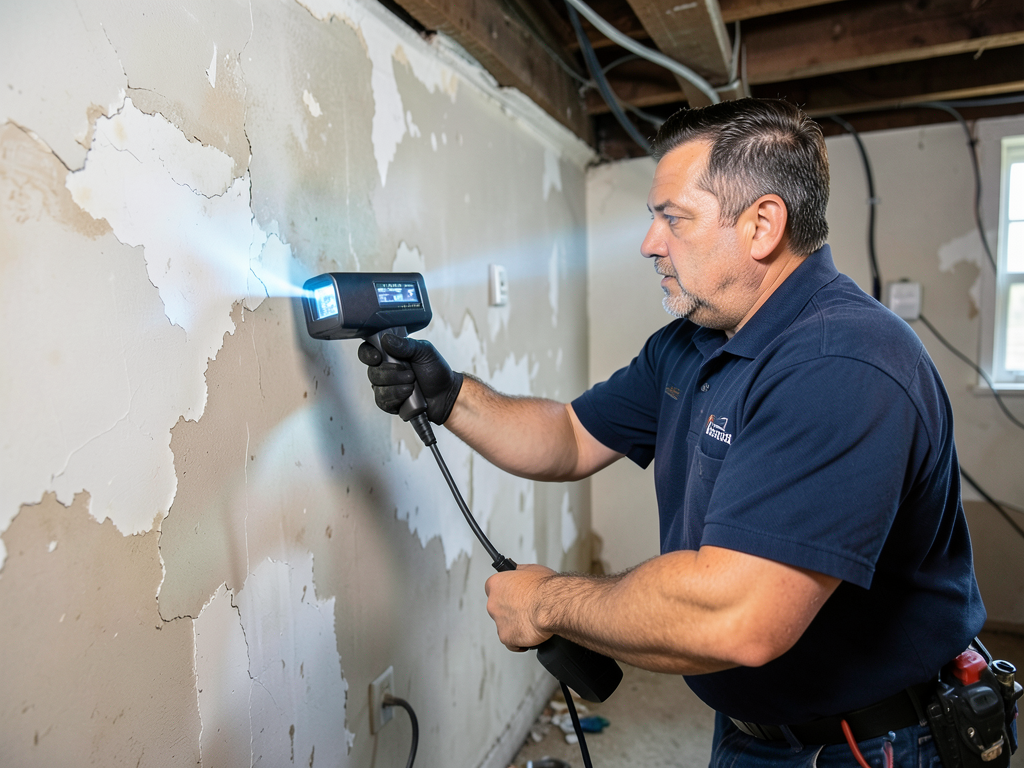
Thermal imaging camera scan showing moisture patterns behind drywall in a flooded basement, with color gradients indicating water saturation levels.
When You Can Repair Wet Drywall
Not all water-damaged drywall needs replacement. The key factors are water category, exposure time, and moisture content readings. Category 1 water—clean water from broken pipes or rainwater—gives you the best chance for successful repair. Complete Water Damage Repair for Historic Homes in Meridian-Kessler.
Repair is possible when:
- Moisture content reads below 16% on a penetrating moisture meter
- Exposure time is less than 48 hours
- No microbial growth is visible or detectable by smell
- The drywall shows no sagging or warping
- Insulation behind the wall remains dry
The repair process involves removing baseboard trim to improve airflow, using industrial air movers at specific angles, and running commercial dehumidifiers until moisture content drops below 12%. This typically takes 3-5 days in Indianapolis’s climate.. Read more about How Industrial Dehumidifiers Speed Up Recovery in Downtown Indy Lofts.
When Replacement is Non-Negotiable
Some water damage situations make repair impossible or dangerous. Category 2 water (gray water from washing machines, dishwashers) and Category 3 water (black water from sewage or flooding) always require replacement due to contamination risks. Emergency Water Removal Services in Noblesville That Respond 24-7.
Replacement becomes mandatory when:
- Moisture content exceeds 16% and has been present for more than 48 hours
- Mold is visible or produces a strong musty odor
- Structural sagging occurs—the drywall feels soft or spongy
- Insulation behind the wall is saturated (fiberglass loses R-value when wet)
- The water source was contaminated with sewage, chemicals, or bacteria
Category 3 water carries pathogens that can cause serious illness. The IICRC S500 Standard for Professional Water Damage Restoration classifies this as an immediate health hazard requiring full containment and HEPA filtration during removal. IICRC S500 Standards.
The 2-Foot Rule: What Indianapolis Restoration Pros Use
Professional water damage restoration follows the “2-foot rule” for flood cuts. This means cutting away drywall two feet above the highest visible water line. Here’s why this matters in Indianapolis homes:. Read more about The Real Cost of Water Damage Restoration in Central Indiana.
| Factor | Standard Measurement | Indianapolis Adjustment |
|---|---|---|
| Water wicking height | 1 inch per hour | 1.2 inches per hour (higher humidity) |
| Minimum flood cut | 2 feet above water line | 2.5 feet (clay soil moisture) |
| Drying time | 24-48 hours | 48-72 hours (humid climate) |
Central Indiana’s heavy clay soil contributes to this adjustment. When the ground is saturated, moisture migrates through foundation walls and into basement drywall at accelerated rates. The 2.5-foot standard accounts for this regional factor.
During a flood cut, technicians also inspect the sill plate (the wood that sits on your foundation) and the first floor joist. These areas often harbor hidden moisture that can cause floor joist rot if left untreated.. Read more about Hidden Signs of Water Damage Behind Your Bathroom Tiles (And How to Check).
Average Costs in Indianapolis
Water damage restoration costs vary based on damage extent, water category, and required demolition. Indianapolis market rates reflect our region’s specific challenges with humidity and soil conditions.. Read more about Emergency Water Damage Drying Services for Plainfield Homes.
| Service Type | Cost Range (Per Square Foot) | Typical Project Cost |
|---|---|---|
| Moisture assessment only | $0.50 – $1.00 | $150 – $300 |
| Drying and monitoring | $2.00 – $3.50 | $500 – $1,500 |
| Flood cut and removal | $4.00 – $6.00 | $1,200 – $2,500 |
| Full replacement and painting | $8.00 – $12.00 | $2,500 – $5,000 |
| Mold remediation add-on | $15.00 – $25.00 | $2,000 – $4,000 |
These prices reflect 2026 Indianapolis market conditions. Older homes in neighborhoods like Meridian-Kessler or Broad Ripple often cost more due to lath and plaster walls that require specialized removal techniques.
DIY vs. Professional Restoration
Many homeowners attempt to handle wet drywall themselves, especially with clean water damage. While DIY can work for minor incidents, there are critical limitations to understand.
DIY approaches typically involve:
- Household fans and dehumidifiers
- Surface drying without moisture metering
- No containment for potential mold spores
- Limited ability to detect hidden moisture in wall cavities
Professional restoration provides:
- Industrial-grade dehumidifiers (200+ pints per day capacity)
- Air movers with specific CFM ratings for optimal airflow
- Moisture meters that read through multiple material layers
- Thermal imaging to detect temperature variations indicating moisture
- HEPA air filtration during demolition to prevent cross-contamination
The biggest risk with DIY is “trapping” moisture behind new paint or drywall. This creates a perfect environment for hidden mold growth that won’t become apparent until it’s a major problem—often 6-12 months later. Peeling Paint & Wallpaper.
Insurance Documentation and Photo Evidence
Insurance companies require specific documentation for water damage claims. The moment you discover wet drywall, start documenting everything.
Essential documentation includes:
- Time-stamped photos of the damage extent
- Close-ups of water sources and affected areas
- Moisture meter readings if you have access to one
- Photos of any mold growth (stop here and call a professional)
- Receipts for any emergency measures taken
Indianapolis insurance providers typically require notification within 24-48 hours of discovery. Many policies have specific clauses about gradual damage versus sudden events. A burst pipe is usually covered; slow leaks over months often aren’t.. Read more about Dealing with Ceiling Leaks from Upstairs Neighbors in Mass Ave Condos.
Professional restoration companies provide detailed documentation that insurance adjusters expect: moisture mapping, daily drying logs, and before/after photos with dimensional references.. Read more about How Long You Really Have Before Mold Starts Growing in Your Humid Indy Basement.
Preventing Future Water Damage
Once you’ve experienced water damage, prevention becomes a priority. Indianapolis’s specific climate challenges require targeted solutions.
Key prevention strategies:
- Install water leak detectors near water heaters, washing machines, and under sinks
- Maintain your sump pump annually—Indianapolis’s clay soil makes basement flooding common
- Clean gutters and downspouts at least twice yearly to prevent foundation water intrusion
- Inspect your roof after severe storms—missing shingles often lead to ceiling drywall damage
- Consider whole-house humidity control during summer months when levels exceed 60%
Older Indianapolis homes in areas like Irvington or Woodruff Place often have unique vulnerabilities. Original plumbing may be near the end of its service life, and foundations may have settled, creating gaps where water can enter.
Warning Signs You’re Already Too Late
Sometimes homeowners discover water damage long after the initial incident. Here are signs that moisture has been present for extended periods:
- Musty odors that persist even after cleaning
- Dark spots or discoloration on walls or ceilings
- Paint bubbling or peeling without obvious cause
- Warped or buckled drywall surfaces
- Visible mold growth in corners or along baseboards
If you notice these signs, the damage has likely progressed beyond simple repair. The gypsum core of drywall loses structural integrity when moisture content exceeds 20%, and mold can establish within wall cavities where it’s not visible.
Professional testing with borescopes or thermal imaging can reveal the true extent of hidden damage. What looks like a small water spot on the surface might indicate saturation throughout an entire wall cavity.
Call for Professional Help
Water damage doesn’t wait, and neither should you. Every hour counts when it comes to protecting your home from escalating damage. If you’re seeing signs of water damage or have experienced flooding, immediate professional assessment can save you thousands in repairs.
Pick up the phone and call (317) 703-7676 before the next storm hits. Our certified technicians are available 24/7 to respond to water emergencies throughout Indianapolis and surrounding communities. We’ll assess your situation, provide a clear action plan, and work directly with your insurance company to make the process as smooth as possible.
Don’t let wet drywall turn into a mold nightmare or structural failure. Call (317) 703-7676 today to schedule your inspection and take the first step toward protecting your home.
Frequently Asked Questions
How long can wet drywall sit before mold grows?
Mold can begin growing on wet drywall within 24-48 hours, especially in Indianapolis’s humid climate. The paper facing provides food for mold spores, and moisture content above 16% creates ideal growth conditions.
Can I just paint over water-stained drywall?
No. Painting over water-stained drywall without proper drying and treatment traps moisture behind the paint, leading to hidden mold growth and eventual paint failure. The underlying moisture must be addressed first.
Does homeowners insurance cover wet drywall repair?
Most policies cover sudden and accidental water damage, like burst pipes or appliance failures. They typically don’t cover gradual damage from long-term leaks or flooding from external sources without additional coverage.
How do professionals detect moisture behind drywall?
Professionals use penetrating moisture meters that can read through drywall to measure moisture content in wall cavities. They also use thermal imaging cameras to detect temperature variations that indicate moisture presence.
What’s the difference between drying and replacing wet drywall?
Drying is possible when water is clean, damage is recent (under 48 hours), and moisture content is low. Replacement is required for contaminated water, extensive damage, or when structural integrity is compromised.
You may also find this helpful. Preventing Attic Condensation During a Cold Indianapolis Winter.
{
“@context”: “https://schema.org”,
“@type”: “BlogPosting”,
“headline”: “What Actually Happens if You Don’t Dry Out Your Wet Drywall Fast Enough”,
“description”: “Wet drywall left untreated in Indianapolis homes quickly leads to mold, structural damage, and costly repairs. Learn the 48-hour window, warning signs, and when to call professionals.”,
“wordCount”: 1710,
“datePublished”: “2026-03-08T07:32:00.000Z”,
“dateModified”: “2026-03-08T07:32:00.000Z”,
“inLanguage”: “en-US”,
“mainEntityOfPage”: {
“@type”: “WebPage”,
“@id”: “https://apexwaterdamagerestorationindianapolis.com”
},
“publisher”: {
“@type”: “LocalBusiness”,
“name”: “Apex Water Damage Restoration Indianapolis”,
“url”: “https://apexwaterdamagerestorationindianapolis.com”
},
“author”: {
“@type”: “Organization”,
“name”: “Apex Water Damage Restoration Indianapolis”,
“url”: “https://apexwaterdamagerestorationindianapolis.com”
},
“image”: {
“@type”: “ImageObject”,
“url”: “https://apexwaterdamagerestorationindianapolis.com/wp-content/uploads/2026/03/what-actually-happens-if-you-don-t-dry-out-your-we-1.png”
}
}
{
“@context”: “https://schema.org”,
“@type”: “LocalBusiness”,
“name”: “Apex Water Damage Restoration Indianapolis”,
“url”: “https://apexwaterdamagerestorationindianapolis.com”,
“address”: {
“@type”: “PostalAddress”,
“addressLocality”: “Indianapolis”
},
“areaServed”: {
“@type”: “City”,
“name”: “Indianapolis”
}
}
{
“@context”: “https://schema.org”,
“@type”: “FAQPage”,
“mainEntity”: [
{
“@type”: “Question”,
“name”: “How long can wet drywall sit before mold grows?”,
“acceptedAnswer”: {
“@type”: “Answer”,
“text”: “Mold can begin growing on wet drywall within 24-48 hours, especially in Indianapolis’s humid climate. The paper facing provides food for mold spores, and moisture content above 16% creates ideal growth conditions.”
}
},
{
“@type”: “Question”,
“name”: “Can I just paint over water-stained drywall?”,
“acceptedAnswer”: {
“@type”: “Answer”,
“text”: “No. Painting over water-stained drywall without proper drying and treatment traps moisture behind the paint, leading to hidden mold growth and eventual paint failure. The underlying moisture must be addressed first.”
}
},
{
“@type”: “Question”,
“name”: “Does homeowners insurance cover wet drywall repair?”,
“acceptedAnswer”: {
“@type”: “Answer”,
“text”: “Most policies cover sudden and accidental water damage, like burst pipes or appliance failures. They typically don’t cover gradual damage from long-term leaks or flooding from external sources without additional coverage.”
}
},
{
“@type”: “Question”,
“name”: “How do professionals detect moisture behind drywall?”,
“acceptedAnswer”: {
“@type”: “Answer”,
“text”: “Professionals use penetrating moisture meters that can read through drywall to measure moisture content in wall cavities. They also use thermal imaging cameras to detect temperature variations that indicate moisture presence.”
}
},
{
“@type”: “Question”,
“name”: “What’s the difference between drying and replacing wet drywall?”,
“acceptedAnswer”: {
“@type”: “Answer”,
“text”: “Drying is possible when water is clean, damage is recent (under 48 hours), and moisture content is low. Replacement is required for contaminated water, extensive damage, or when structural integrity is compromised.”
}
}
]
}
{
“@context”: “https://schema.org”,
“@type”: “HowTo”,
“name”: “Timeline of Water Damage Progression”,
“step”: [
{
“@type”: “HowToStep”,
“position”: 1,
“name”: “Hours 0-24”,
“text”: “Surface moisture is present. Drywall feels cool to touch. No visible mold yet. This is the optimal window for simple drying procedures.”
},
{
“@type”: “HowToStep”,
“position”: 2,
“name”: “Hours 24-48”,
“text”: “Moisture content reaches critical levels. Paper facing begins to separate from gypsum core. Musty odor becomes noticeable. This is your last chance for non-invasive repair.”
},
{
“@type”: “HowToStep”,
“position”: 3,
“name”: “Hours 48-72”,
“text”: “Mold colonies become visible. Structural integrity begins to fail. Insulation behind walls becomes saturated. Professional intervention required. Professional Sewage Cleanup and Sanitization Services in Greenwood.”
}
],
“image”: “https://apexwaterdamagerestorationindianapolis.com/wp-content/uploads/2026/03/what-actually-happens-if-you-don-t-dry-out-your-we-1.png”
}
{
“@context”: “https://schema.org”,
“@type”: “BreadcrumbList”,
“itemListElement”: [
{
“@type”: “ListItem”,
“position”: 1,
“name”: “Home”,
“item”: “https://apexwaterdamagerestorationindianapolis.com”
},
{
“@type”: “ListItem”,
“position”: 2,
“name”: “Blog”,
“item”: “https://apexwaterdamagerestorationindianapolis.com/blog”
},
{
“@type”: “ListItem”,
“position”: 3,
“name”: “What Actually Happens if You Don’t Dry Out Your Wet Drywall Fast Enough”
}
]
}
{
“@context”: “https://schema.org”,
“@type”: “Service”,
“serviceType”: “Water Damage Restoration”,
“provider”: {
“@type”: “LocalBusiness”,
“name”: “Apex Water Damage Restoration Indianapolis”,
“url”: “https://apexwaterdamagerestorationindianapolis.com”
},
“areaServed”: {
“@type”: “City”,
“name”: “Indianapolis”
},
“description”: “Wet drywall left untreated in Indianapolis homes quickly leads to mold, structural damage, and costly repairs. Learn the 48-hour window, warning signs, and when to call professionals.”
}