
Hidden Signs of Water Damage Behind Your Bathroom Tiles (And How to Check)
Water damage behind bathroom tiles often goes unnoticed until it causes major structural problems. In Indianapolis homes, the combination of high humidity summers and freeze-thaw cycles creates perfect conditions for moisture to seep through grout lines and attack the wall assembly. The problem isn’t just cosmetic. Hidden water damage can compromise your home’s structural integrity and create serious health risks from mold growth. Who to Call for Emergency Water Damage Restoration in Carmel.
This guide shows you exactly what to look for and how to check for hidden moisture before it becomes a costly disaster. You’ll learn the warning signs, diagnostic techniques, and when it’s time to call in professional restoration experts who understand Indianapolis’s unique building challenges. Professional Sewage Cleanup and Sanitization Services in Greenwood.
5 Warning Signs of Water Trapped Behind Your Shower Wall
Before you can check for hidden damage, you need to know what to look for. These five signs indicate water may be trapped behind your tiles: Complete Water Damage Repair for Historic Homes in Meridian-Kessler.
- Musty odors or recurring mold in grout lines – A persistent earthy smell near your shower suggests mold is growing behind the wall. Indianapolis’s humid summers accelerate mold colonization behind damp surfaces.
- Loose, cracked, or ‘hollow’ sounding tiles – When you tap on tiles, they should feel solid. Hollow sounds indicate the adhesive has failed because moisture is breaking down the substrate.
- Peeling paint or wallpaper on the wall behind the shower – If you have an adjacent room with wall damage near the shower, water is likely wicking through the wall assembly.
- Discolored or darkening grout – While some grout discoloration is normal, dark spots that won’t clean off often indicate water saturation behind the tiles.
- Spongy or soft flooring near the shower base – Water can travel down and affect the subfloor. If the floor feels soft when you step near the shower entrance, you have a serious problem.
Golden Nugget #1: Indianapolis’s clay soil expands when wet, creating hydrostatic pressure that pushes moisture through foundation walls and up through bathroom floors. This makes basement bathrooms particularly vulnerable to hidden water damage.
The Hidden Dangers: Why This Isn’t Just a Cosmetic Issue
Many Indianapolis homeowners make the mistake of thinking tile damage is just about appearance. The reality is far more serious.. Read more about What Is Secondary Water Damage (And Why It Costs So Much to Fix).
When water penetrates behind tiles, it attacks the structural components of your wall. The cement board backer can delaminate, wooden studs can rot, and the subfloor can deteriorate. In older Indianapolis homes, especially those built before modern building codes required vapor barriers, this damage happens faster and more extensively. Emergency Water Removal Services in Noblesville That Respond 24-7.
Black mold growth and indoor air quality represent another major concern. The Environmental Protection Agency (EPA) states that mold can begin growing within 24-48 hours of water exposure. Once established, mold colonies release spores that can cause respiratory issues, allergic reactions, and other health problems.
Golden Nugget #2: Indianapolis’s combined sewer system in older neighborhoods means that during heavy rains, sewage backups can occur through floor drains, introducing Category 3 black water that carries dangerous pathogens. This makes professional sanitization critical after any water damage event.
The impact on Indianapolis home resale value can be significant. Home inspectors routinely check for signs of water damage, and evidence of past moisture problems can reduce your home’s market value by thousands of dollars. Buyers are increasingly aware of mold risks and structural integrity issues.
DIY vs. Professional Restoration: When to Call the Experts
Many homeowners try to fix tile problems with surface-level solutions like recaulking or regrouting. While these might help temporarily, they often mask deeper structural issues that continue to worsen.
Golden Nugget #3: According to the IICRC S500 Standard for Professional Water Damage Restoration, proper mitigation requires moisture mapping, controlled demolition of affected materials, and industrial-grade drying equipment. Surface repairs without addressing the moisture source violate these industry standards.
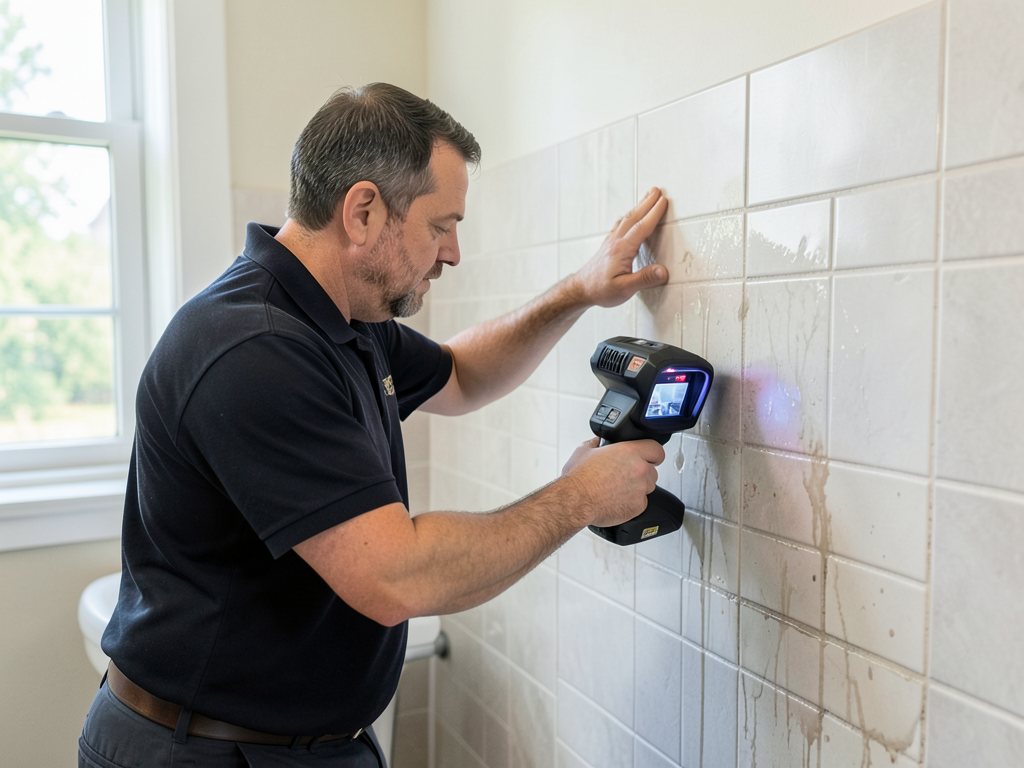
You should call professionals when you notice multiple warning signs, when the damage covers a large area, or when you suspect structural involvement. Professional restoration technicians use thermal imaging cameras and moisture meters to detect hidden moisture that visual inspection cannot reveal.. Read more about Using Thermal Imaging to Find Hidden Water Leaks Behind Walls in Fall Creek Place.
The cost difference between DIY repairs and professional restoration often comes down to this: surface fixes might cost $200-500 but fail within months, while professional restoration costs $2,000-8,000 but addresses the root cause and prevents future damage. EPA mold information.
Our Restoration Process for Indianapolis Homeowners
When you call Apex Water Damage Restoration Indianapolis, we follow a systematic process that addresses both immediate damage and long-term prevention.
Step 1: Inspection with Thermal Imaging and Moisture Meters
Our technicians use FLIR thermal cameras to detect temperature variations that indicate moisture presence. We also use penetrating and non-penetrating moisture meters to map the extent of water damage behind walls. This diagnostic phase is critical for developing an effective restoration plan.
Step 2: Containment to Prevent Mold Spore Spread
Before any demolition begins, we establish containment barriers using 6-mil polyethylene sheeting and negative air pressure machines. This prevents mold spores from contaminating other areas of your home during the restoration process.. Read more about What to Expect During the Initial Water Damage Inspection and Assessment.
Step 3: Controlled Demolition and Tile Removal
We carefully remove damaged tiles, backer board, and any compromised structural elements. In Indianapolis homes, we often find that the original builders didn’t install proper vapor barriers or used materials that don’t meet current building codes.
Step 4: Industrial-Grade Structural Drying and Dehumidification
We use commercial dehumidifiers and air movers to dry the wall cavity to IICRC-approved moisture content levels. This typically takes 3-5 days depending on the extent of damage and current weather conditions. IICRC S500 Standard.
Step 5: Final Antimicrobial Treatment
After drying is complete, we apply EPA-registered antimicrobial treatments to prevent future mold growth. We also recommend installing proper vapor barriers and using cement board or Schluter systems that meet current Indianapolis building codes.. Read more about How to Identify Mold After a Small Window Leak in Your Brownsburg Bedroom.
How to Check for Hidden Water Damage Behind Your Bathroom Tiles
Before calling professionals, you can perform some basic checks to determine if you have a serious problem. Here’s a step-by-step diagnostic process:
- Visual Inspection
Look for cracked grout, loose tiles, or discoloration. Pay special attention to corners and areas near the shower base where water tends to accumulate.
- Tapping Test
Gently tap on tiles with a rubber mallet or the handle of a screwdriver. Solid tiles sound different from hollow ones. Hollow sounds indicate adhesive failure due to moisture.
- Moisture Meter Check
If you have a moisture meter, test the wall surface near the shower. Readings above 15-20% indicate water presence. Test multiple locations for comparison.
- Smell Test
Close the bathroom door for an hour, then enter and take a deep breath. Musty or earthy odors suggest mold growth behind walls.
- Adjacent Room Check
Check walls in adjacent rooms for peeling paint, bubbling wallpaper, or soft spots. These signs indicate water is traveling through the wall assembly. Peeling Paint & Wallpaper.
Golden Nugget #4: Indianapolis’s hard water contains high mineral content that accelerates grout deterioration. The calcium and magnesium deposits create microscopic channels that allow water to penetrate more easily than in areas with softer water.
Frequently Asked Questions
Does homeowners insurance cover water damage behind tiles?
Coverage depends on the cause. Sudden pipe bursts are typically covered, while slow leaks from failed grout or improper installation are often considered maintenance issues. Most Indianapolis policies exclude mold damage unless it results from a covered peril. Always check your specific policy details.
How long does the drying process take?
Professional structural drying typically takes 3-5 days for moderate damage. Severe cases may require 7-10 days. Factors include the extent of saturation, temperature, humidity levels, and the materials affected. Indianapolis’s high summer humidity can extend drying times.
Can I just regrout to stop the leak?
Regrouting addresses surface appearance but rarely solves underlying moisture problems. If water has already penetrated behind tiles, new grout will fail just like the old grout. Professional restoration requires addressing the moisture source and damaged materials.
What building codes apply to bathroom waterproofing in Indianapolis?
Indianapolis follows the Indiana Residential Code, which requires vapor barriers on exterior walls, proper waterproofing in wet areas, and cement board or approved backing materials in shower areas. The code also mandates proper slope for shower pans and waterproofing membranes in certain applications.
Call (317) 703-7676 Today to Schedule Your Inspection
Don’t wait until hidden water damage becomes a major structural problem. The longer you wait, the more expensive the repairs become. Our certified technicians can assess your situation and provide a clear plan for restoration.
We serve homeowners throughout Indianapolis including Broad Ripple, Carmel, Fishers, Greenwood, and surrounding communities. Our team understands the unique challenges of Central Indiana’s climate and building practices.
Pick up the phone and call (317) 703-7676 before the next storm hits. Early detection can save you thousands in repair costs and protect your family from health risks associated with mold exposure.
Remember: What you can’t see can hurt you. Hidden water damage behind bathroom tiles is one of the most common and costly problems we see in Indianapolis homes. Don’t let it destroy your investment.
You may also find this helpful. How a Tiny Icemaker Line Leak Can Rot Your Kitchen Subfloor in Warren Park.
{
“@context”: “https://schema.org”,
“@type”: “BlogPosting”,
“headline”: “Hidden Signs of Water Damage Behind Your Bathroom Tiles (And How to Check)”,
“description”: “Discover the hidden signs of water damage behind your bathroom tiles and learn how to check for moisture in Indianapolis homes. Call (317) 703-7676 for expert inspection.”,
“wordCount”: 1535,
“datePublished”: “2026-04-03T06:49:00.000Z”,
“dateModified”: “2026-04-03T06:49:00.000Z”,
“inLanguage”: “en-US”,
“mainEntityOfPage”: {
“@type”: “WebPage”,
“@id”: “https://apexwaterdamagerestorationindianapolis.com”
},
“publisher”: {
“@type”: “LocalBusiness”,
“name”: “Apex Water Damage Restoration Indianapolis”,
“url”: “https://apexwaterdamagerestorationindianapolis.com”
},
“author”: {
“@type”: “Organization”,
“name”: “Apex Water Damage Restoration Indianapolis”,
“url”: “https://apexwaterdamagerestorationindianapolis.com”
},
“image”: {
“@type”: “ImageObject”,
“url”: “https://apexwaterdamagerestorationindianapolis.com/wp-content/uploads/2026/03/hidden-signs-of-water-damage-behind-your-bathroom-1.png”
}
}
{
“@context”: “https://schema.org”,
“@type”: “LocalBusiness”,
“name”: “Apex Water Damage Restoration Indianapolis”,
“url”: “https://apexwaterdamagerestorationindianapolis.com”,
“address”: {
“@type”: “PostalAddress”,
“addressLocality”: “Indianapolis”
},
“areaServed”: {
“@type”: “City”,
“name”: “Indianapolis”
}
}
{
“@context”: “https://schema.org”,
“@type”: “FAQPage”,
“mainEntity”: [
{
“@type”: “Question”,
“name”: “Does homeowners insurance cover water damage behind tiles?”,
“acceptedAnswer”: {
“@type”: “Answer”,
“text”: “Coverage depends on the cause. Sudden pipe bursts are typically covered, while slow leaks from failed grout or improper installation are often considered maintenance issues. Most Indianapolis policies exclude mold damage unless it results from a covered peril. Always check your specific policy details.”
}
},
{
“@type”: “Question”,
“name”: “How long does the drying process take?”,
“acceptedAnswer”: {
“@type”: “Answer”,
“text”: “Professional structural drying typically takes 3-5 days for moderate damage. Severe cases may require 7-10 days. Factors include the extent of saturation, temperature, humidity levels, and the materials affected. Indianapolis’s high summer humidity can extend drying times.”
}
},
{
“@type”: “Question”,
“name”: “Can I just regrout to stop the leak?”,
“acceptedAnswer”: {
“@type”: “Answer”,
“text”: “Regrouting addresses surface appearance but rarely solves underlying moisture problems. If water has already penetrated behind tiles, new grout will fail just like the old grout. Professional restoration requires addressing the moisture source and damaged materials.”
}
},
{
“@type”: “Question”,
“name”: “What building codes apply to bathroom waterproofing in Indianapolis?”,
“acceptedAnswer”: {
“@type”: “Answer”,
“text”: “Indianapolis follows the Indiana Residential Code, which requires vapor barriers on exterior walls, proper waterproofing in wet areas, and cement board or approved backing materials in shower areas. The code also mandates proper slope for shower pans and waterproofing membranes in certain applications.”
}
}
]
}
{
“@context”: “https://schema.org”,
“@type”: “HowTo”,
“name”: “How to Check for Hidden Water Damage”,
“step”: [
{
“@type”: “HowToStep”,
“position”: 1,
“name”: “Visual Inspection”,
“text”: “Look for cracked grout, loose tiles, or discoloration. Pay special attention to corners and areas near the shower base where water tends to accumulate.”
},
{
“@type”: “HowToStep”,
“position”: 2,
“name”: “Tapping Test”,
“text”: “Gently tap on tiles with a rubber mallet or the handle of a screwdriver. Solid tiles sound different from hollow ones. Hollow sounds indicate adhesive failure due to moisture.”
},
{
“@type”: “HowToStep”,
“position”: 3,
“name”: “Moisture Meter Check”,
“text”: “If you have a moisture meter, test the wall surface near the shower. Readings above 15-20% indicate water presence. Test multiple locations for comparison.”
},
{
“@type”: “HowToStep”,
“position”: 4,
“name”: “Smell Test”,
“text”: “Close the bathroom door for an hour, then enter and take a deep breath. Musty or earthy odors suggest mold growth behind walls.”
},
{
“@type”: “HowToStep”,
“position”: 5,
“name”: “Adjacent Room Check”,
“text”: “Check walls in adjacent rooms for peeling paint, bubbling wallpaper, or soft spots. These signs indicate water is traveling through the wall assembly. Peeling Paint & Wallpaper.”
}
],
“image”: “https://apexwaterdamagerestorationindianapolis.com/wp-content/uploads/2026/03/hidden-signs-of-water-damage-behind-your-bathroom-1.png”
}
{
“@context”: “https://schema.org”,
“@type”: “BreadcrumbList”,
“itemListElement”: [
{
“@type”: “ListItem”,
“position”: 1,
“name”: “Home”,
“item”: “https://apexwaterdamagerestorationindianapolis.com”
},
{
“@type”: “ListItem”,
“position”: 2,
“name”: “Blog”,
“item”: “https://apexwaterdamagerestorationindianapolis.com/blog”
},
{
“@type”: “ListItem”,
“position”: 3,
“name”: “Hidden Signs of Water Damage Behind Your Bathroom Tiles (And How to Check)”
}
]
}
{
“@context”: “https://schema.org”,
“@type”: “Service”,
“serviceType”: “Water Damage Restoration”,
“provider”: {
“@type”: “LocalBusiness”,
“name”: “Apex Water Damage Restoration Indianapolis”,
“url”: “https://apexwaterdamagerestorationindianapolis.com”
},
“areaServed”: {
“@type”: “City”,
“name”: “Indianapolis”
},
“description”: “Discover the hidden signs of water damage behind your bathroom tiles and learn how to check for moisture in Indianapolis homes. Call (317) 703-7676 for expert inspection.”
}