
Why Gutters Are the Most Important Part of Your Water Damage Prevention Strategy
Your gutters might seem like a minor detail on your Indianapolis home but they control thousands of gallons of water every year. A single inch of rain falling on a typical 2,000-square-foot roof produces about 1,250 gallons of runoff. When gutters clog or fail the water spills directly onto your foundation where Central Indiana’s heavy clay soil pushes it against basement walls with immense hydrostatic pressure. This is the leading cause of basement flooding in neighborhoods like Meridian-Kessler and Broad Ripple where older homes sit on dense clay that expands when wet and contracts when dry. Who to Call for Emergency Water Damage Restoration in Carmel.
Most homeowners discover the damage only after it happens. Water seeps through hairline foundation cracks creating mold colonies within 24-48 hours in our humid Indiana summers. The musty smell in your basement or the peeling paint on your exterior walls are late-stage symptoms. By then you are facing foundation repairs that cost 10 to 15 times more than routine gutter maintenance. EPA mold guidelines.
The math is simple. Professional gutter cleaning twice yearly costs $150 to $300. Foundation repair after water damage starts at $5,000 and often exceeds $15,000 when mold remediation is needed. Insurance rarely covers preventable water damage from maintenance neglect. Your gutters are not just drainage channels. They are your home’s first line of defense against structural failure.
How Clogged Gutters Cause Structural Water Damage
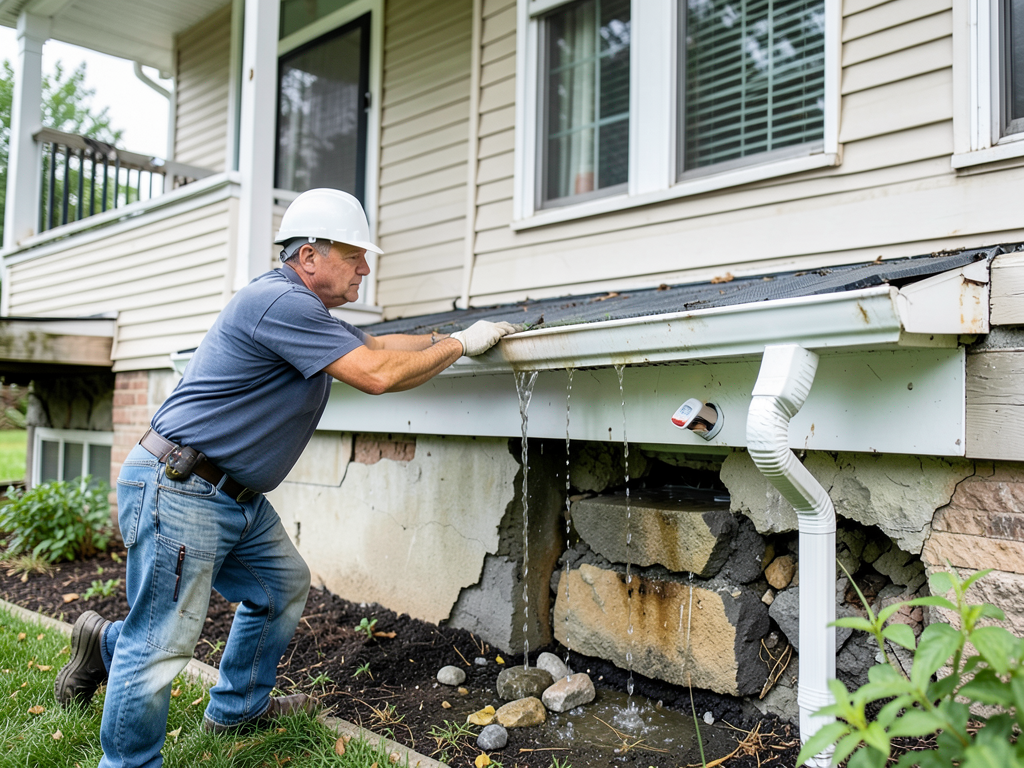
When leaves pine needles and debris block your gutters water cannot flow to the downspouts. Instead it overflows the sides and pours directly against your home’s foundation. In Indianapolis this is particularly dangerous because our region receives about 42 inches of rainfall annually concentrated in spring and summer thunderstorms. Complete Water Damage Repair for Historic Homes in Meridian-Kessler.
The water follows the path of least resistance. It saturates the soil immediately adjacent to your foundation creating what engineers call a “clay lens.” This saturated zone exerts lateral pressure on basement walls. Over time this pressure causes: Emergency Water Removal Services in Noblesville That Respond 24-7.
- Hairline foundation cracks that widen with freeze-thaw cycles
- Basement wall bowing inward from hydrostatic pressure
- Floor slab heaving from expanding clay beneath
- Water infiltration through mortar joints and porous concrete
During winter clogged gutters create ice dams. Melting snow from your warm roof cannot drain through frozen gutters. Water backs up under shingles and drips into your attic insulation and walls. By spring you have hidden water damage that spreads through wooden structural members.. Read more about Fixing Ceiling Damage from Winter Ice Dams in Your Meridian Hills Home.
The Economic Cost: Gutter Cleaning vs. Foundation Repair
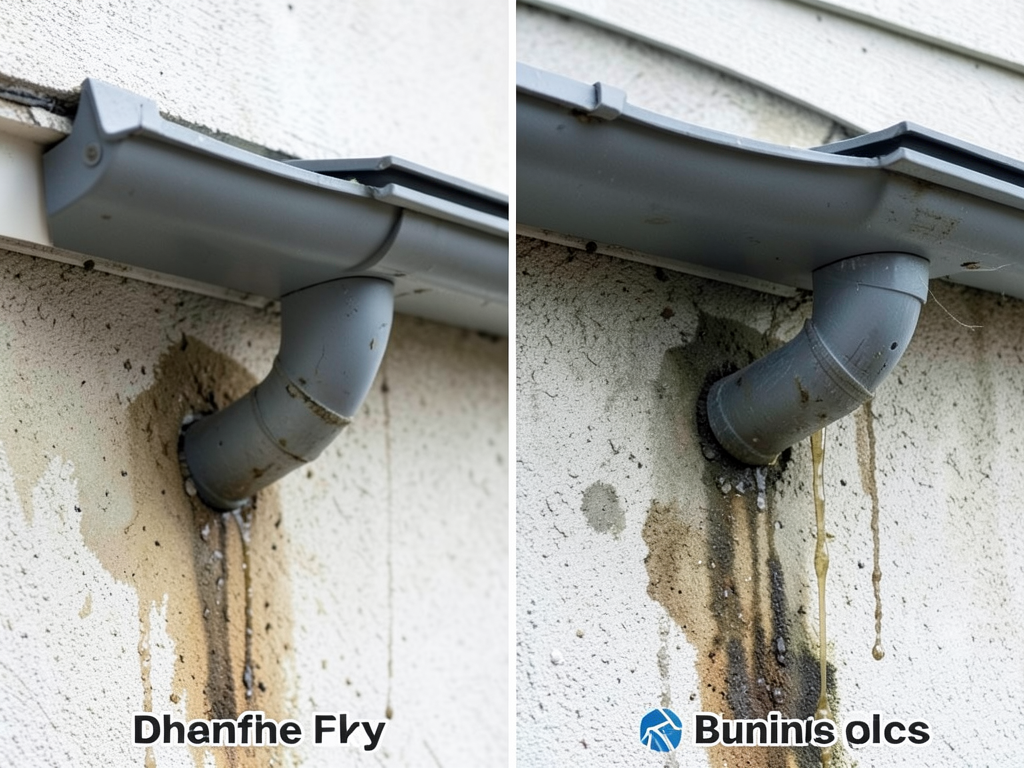
Consider the financial impact over a 10-year period. Annual gutter maintenance costs $300. Over a decade that is $3,000 invested in prevention.
Foundation damage from neglected gutters typically costs:
| Damage Type | Average Cost | Timeline |
|---|---|---|
| Minor crack repair | $1,500 – $3,000 | 3-5 years |
| Basement wall stabilization | $5,000 – $10,000 | 5-8 years |
| Complete foundation repair | $10,000 – $25,000 | 8-12 years |
| Mold remediation | $3,000 – $8,000 | Concurrent |
Water damage from foundation failure often requires removing and replacing drywall flooring and insulation. The total restoration can easily exceed $30,000. Your insurance deductible alone might be $2,000 to $5,000. Prevention through gutter maintenance costs less than one year’s insurance premium.
Signs Your Indianapolis Home Has Gutter-Related Water Damage
Early detection saves thousands. Look for these warning signs around your Indianapolis property:. Read more about Protecting Your Indianapolis Business from Heavy Rain Drainage Issues.
- Foundation Examination
Walk the perimeter of your home during or immediately after rain. Look for water pooling within 5 feet of the foundation. This indicates downspouts are not directing water far enough away or gutters are overflowing.
- Basement Wall Inspection
Check basement walls for efflorescence white powdery deposits that form when water evaporates through concrete leaving mineral salts behind. This signals chronic moisture intrusion.
- Exterior Wall Assessment
Examine your home’s exterior for peeling paint bubbling siding or rotting wood trim near the roofline. These indicate water is escaping from clogged gutters and running down walls.
- Landscape Evaluation
Look for erosion channels around your foundation or mulch washing away from planting beds adjacent to the house. This shows water is not being properly diverted.
Odor detection is equally important. A persistent musty smell in your basement or crawl space indicates active mold growth. In Indianapolis’s humid climate mold can establish within 24 hours of water exposure. The EPA recommends addressing moisture sources within 48 hours to prevent mold colonization.
Seasonal Maintenance Checklist for Central Indiana Climates
Indianapolis weather creates unique challenges for gutter maintenance. Our four distinct seasons each bring specific threats.
Spring: Post-Winter Recovery
Winter leaves gutters full of ice and debris. Spring thunderstorms test your drainage system. Schedule professional cleaning in late March or early April before heavy rains begin. Check for: Professional Sewage Cleanup and Sanitization Services in Greenwood.
- Ice damage to gutter seams and brackets
- Missing or loose downspout extensions
- Tree debris accumulated over winter
Summer: Storm Preparation
Summer brings intense rainfall and thunderstorms. July and August often deliver 4 to 6 inches of rain in short bursts. Clean gutters again in June. Install gutter guards if you have many trees nearby. Ensure downspouts extend at least 6 feet from your foundation.
Fall: Leaf Season
Central Indiana’s deciduous trees drop massive amounts of leaves in October and November. Maple oak and ash trees common in neighborhoods like Carmel and Fishers can completely fill gutters in days. Clean gutters at least twice during fall. Consider professional installation of leaf guards for heavily wooded properties.
Winter: Ice Dam Prevention
Before the first freeze ensure gutters are completely clear. Consider heated gutter cables in areas prone to ice dam formation. These electric cables prevent ice buildup along roof edges. Check attic insulation to ensure proper heat retention preventing snow melt that refreezes in gutters.
Professional Restoration: When Gutter Maintenance Isn’t Enough
Sometimes water damage progresses beyond what maintenance can fix. When you discover foundation cracks basement flooding or extensive mold growth you need professional restoration services. The IICRC S500 standard governs water damage restoration requiring specific drying protocols and microbial remediation procedures. IICRC S500 standards.
Professional restoration involves:
- Emergency water extraction using commercial-grade pumps
- Structural drying with industrial air movers and dehumidifiers
- Moisture mapping to identify hidden water pockets
- Antimicrobial treatment to prevent mold growth
- Reconstruction of damaged building materials
The restoration process typically takes 3 to 7 days depending on damage extent. Category 3 water damage from sewage backups or flooding requires additional sanitization steps following EPA guidelines for biological contaminants.
Insurance claims for water damage restoration require documentation of the source and extent of damage. Professional restoration companies provide detailed reports that satisfy insurance adjusters. They also coordinate directly with your insurance company reducing your stress during an already difficult situation.
Ice Dam Prevention and Gutter Heaters
Ice dams form when heat escaping from your attic melts snow on the roof. The melted water flows down to the colder roof edge where it refreezes creating a dam. Water backs up behind this ice dam and seeps under shingles into your attic and walls.
Preventing ice dams requires a three-pronged approach:
- Proper attic insulation to minimize heat loss
- Adequate roof ventilation to maintain cold roof temperature
- Heated gutter cables to keep drainage paths open
Heated gutter cables cost $300 to $800 for professional installation depending on your home’s size. They use minimal electricity operating only when temperatures drop below freezing. The investment prevents thousands in ice dam damage.
Downspout Extension Best Practices
Even clean gutters fail if downspouts dump water too close to your foundation. Indianapolis building codes require downspouts to discharge at least 5 feet from the foundation. However 6 to 10 feet provides better protection especially on sloped properties.
Effective downspout extensions include:
| Extension Type | Cost Range | Best For |
|---|---|---|
| Flexible plastic | $5 – $15 each | DIY installation |
| Roll-up vinyl | $8 – $20 each | Lawns where mowing is needed |
| Buried drain pipe | $15 – $30 per foot | Professional installation |
| French drain system | $20 – $40 per foot | Severe drainage issues |
Buried extensions provide the most reliable long-term solution. They prevent freezing damage and eliminate tripping hazards. A typical 50-foot buried extension costs $1,500 to $2,500 installed but protects your foundation from thousands in potential damage.
Professional Gutter Inspection vs. DIY Cleaning
DIY gutter cleaning seems cost-effective but often misses critical issues. Professional inspections include:
- Checking gutter slope and alignment
- Inspecting fascia board condition
- Testing downspout flow rates
- Identifying roof damage near gutters
- Assessing soffit ventilation
Professionals use specialized tools including high-reach cameras to inspect hidden areas. They also identify early signs of wood rot and pest infestation that homeowners often overlook.. Read more about Signs Your Chimney Is Letting Water Into Your Living Room in Meridian-Kessler.
The cost difference is minimal. Professional cleaning averages $150 to $300 versus $50 to $100 for DIY when you factor in equipment rental and your time. More importantly professionals carry insurance protecting you from liability if someone falls from a ladder.
Emergency Water Damage Prevention During Storms
Indianapolis experiences severe thunderstorms that can dump 2 to 3 inches of rain in an hour. When this happens clogged gutters overflow within minutes. Prepare your home before storm season:
- Pre-Storm Inspection
Check gutters for debris 24 hours before predicted heavy rain. Remove visible blockages from ground level using a leaf blower or garden hose.
- Sump Pump Testing
Test your sump pump by pouring water into the pit. Ensure it activates and discharges properly. Consider a battery backup system for power outages.
- Emergency Supplies
Keep a wet-dry vacuum and mops accessible. Have plastic sheeting ready to cover valuable items if water intrusion seems likely.
During heavy rain monitor your basement for water entry. If you notice flooding immediately call a professional restoration company. Fast response within the first 24 hours can prevent mold growth and reduce restoration costs by 50% or more.
Foundation Waterproofing and Gutter Integration
Even the best gutter system cannot protect a poorly waterproofed foundation. Exterior waterproofing involves excavating around your foundation applying waterproof membranes and installing drainage boards. This creates a complete moisture management system working with your gutters.
Interior waterproofing provides an additional layer of protection. This includes:
- Applying waterproof sealants to interior basement walls
- Installing interior drainage systems along foundation footings
- Adding vapor barriers to prevent moisture migration
The combination of proper gutter drainage and foundation waterproofing provides comprehensive protection against Indianapolis’s challenging climate. Clay soil expands when wet creating pressure against foundation walls. Waterproofing membranes flex with this movement preventing cracks and leaks.
The Hidden Cost of Mold Growth
Mold remediation adds significant cost to water damage restoration. In Indianapolis’s humid climate mold can colonize within 24 to 48 hours of water exposure. Common mold species include: Safe and Permanent Mold Remediation for Homes in Broad Ripple.
| Mold Type | Growth Time | Health Concerns |
|---|---|---|
| Aspergillus | 24-48 hours | Respiratory issues |
| Penicillium | 24-72 hours | Allergic reactions |
| Stachybotrys | 72+ hours | Severe respiratory problems |
Professional mold remediation follows IICRC S520 standards requiring containment negative air pressure and HEPA filtration. The process typically costs $15 to $30 per square foot of affected area. A 500-square-foot basement mold problem can cost $7,500 to $15,000 to remediate.
Preventing mold through proper gutter maintenance costs a fraction of remediation. Clean gutters prevent the moisture intrusion that creates mold-friendly environments. This makes gutter maintenance one of the most cost-effective health protections for your home.
Local Building Codes and Drainage Requirements
Indianapolis building codes specify minimum requirements for roof drainage and foundation protection. The Indianapolis Department of Metropolitan Development requires:
- Gutters on all roof edges with slopes exceeding 2:12
- Downspouts discharging at least 5 feet from foundation walls
- Proper grading sloping away from foundation at 1% minimum
Local codes also address ice dam prevention in historic districts where traditional architecture may lack modern drainage features. Homeowners in areas like Lockerbie Square must balance code compliance with preservation requirements.
Commercial properties face additional requirements. The Indianapolis Fire Department requires specific roof drainage to prevent water accumulation that could interfere with fire suppression systems. Multi-story buildings need engineered drainage systems handling much larger water volumes than residential properties.
Emergency Response: When to Call for Help
Certain situations require immediate professional intervention. Call (317) 703-7676 for emergency water damage restoration when you observe:
- Basement flooding with more than 1 inch of standing water
- Visible foundation cracks wider than 1/4 inch
- Mold growth covering more than 10 square feet
- Water damage affecting electrical systems
- Sewer backup or contaminated water intrusion
Emergency response teams arrive within 60 minutes in most Indianapolis areas. They provide immediate water extraction structural drying and damage assessment. Fast action prevents secondary damage and reduces overall restoration costs.
Professional restoration companies coordinate with insurance adjusters streamlining the claims process. They document damage with photos moisture readings and detailed reports supporting your insurance claim. This expertise often results in higher claim approvals and faster settlements.
Cost Comparison: Prevention vs. Restoration
The financial impact of gutter maintenance versus water damage restoration is stark. Consider a typical Indianapolis home over 15 years:
| Scenario | Initial Cost | 5-Year Cost | 10-Year Cost | 15-Year Cost |
|---|---|---|---|---|
| Preventative Maintenance | $300 | $1,500 | $3,000 | $4,500 |
| Water Damage Restoration | $5,000 | $7,500 | $12,000 | $18,000 |
| Foundation Repair | $10,000 | $12,500 | $17,000 | $25,000 |
Preventative maintenance costs $4,500 over 15 years. Water damage restoration costs $18,000. Foundation repair costs $25,000. The difference is $13,500 to $20,500 in avoided expenses. This does not include the stress disruption and potential health impacts of major water damage.
Technology and Smart Gutter Systems
Modern technology offers advanced solutions for gutter management. Smart gutter systems include:
- Water flow sensors that detect blockages
- Temperature sensors that predict ice dam formation
- Automated cleaning systems using water jets
- Remote monitoring via smartphone apps
These systems cost $1,000 to $3,000 installed but provide early warning of problems. They can prevent emergency situations by alerting homeowners to developing issues before major damage occurs.
Some systems integrate with home automation platforms. They can automatically activate heating cables when ice formation is detected or schedule professional cleaning when flow rates drop below normal levels.
Final Thoughts: Your Home’s First Line of Defense
Gutters are not optional home features. They are engineered systems designed to protect your most valuable investment. In Indianapolis where heavy rainfall and clay soil create perfect conditions for foundation damage proper gutter maintenance is essential.
The choice is simple. Invest a few hundred dollars annually in gutter maintenance or risk thousands in water damage restoration. The peace of mind knowing your home is protected from the elements is worth every penny.
Take action today. Schedule a professional gutter inspection before the next storm hits. Clean your gutters twice yearly and check downspout extensions regularly. Your future self will thank you when you avoid the stress and expense of water damage restoration.
Call (317) 703-7676 today to schedule your inspection. Our experienced technicians will assess your gutter system identify potential problems and recommend solutions tailored to your Indianapolis home’s specific needs. Don’t wait for the next storm to discover your gutters have failed.
Protect your home protect your investment and protect your peace of mind with professional gutter maintenance and water damage prevention services.
Frequently Asked Questions
How often should I clean my gutters in Indianapolis?
Clean your gutters at least twice yearly in Indianapolis. Schedule cleaning in late March or early April before spring rains and again in late October or early November after leaves fall. Homes with many trees may need quarterly cleaning.
What are signs my gutters need immediate attention?
Look for water overflowing during rain sagging gutters visible debris accumulation or water stains on exterior walls. Inside watch for musty basement odors or efflorescence on foundation walls. These indicate clogged gutters causing water damage.
Can I install gutter guards instead of cleaning?
Gutter guards reduce but do not eliminate maintenance needs. They prevent large debris but still allow small particles and pollen to enter. Indianapolis’s heavy rainfall means guards can become overwhelmed during intense storms. Annual inspection remains necessary.
How much does professional gutter cleaning cost in Indianapolis?
Professional gutter cleaning in Indianapolis costs $150 to $300 depending on home size and roof complexity. Two-story homes and those with steep roofs cost more due to increased safety requirements and equipment needs.
What should I do if I discover water damage?
Stop the water source if possible and call (317) 703-7676 immediately. Professional restoration teams arrive within 60 minutes in most Indianapolis areas. Quick response prevents mold growth and reduces restoration costs significantly.
Are heated gutter cables worth the investment?
Heated cables cost $300 to $800 installed but prevent thousands in ice dam damage. They are particularly valuable for homes with a history of ice dams or in shaded areas where snow melt refreezes easily.
How do I know if my downspouts are adequate?
Adequate downspouts discharge water at least 5 feet from your foundation. During rain check that water flows freely and does not back up in gutters. If you see erosion channels or water pooling near your foundation your downspouts need extension.
Does homeowners insurance cover water damage from clogged gutters?
Most policies exclude damage from lack of maintenance. Insurance typically covers sudden accidental damage but not gradual deterioration from neglected gutters. Regular maintenance is considered the homeowner’s responsibility.
How long does water damage restoration take?
Minor restoration takes 3 to 5 days. Severe damage requiring reconstruction can take 2 to 4 weeks. The process includes water extraction drying sanitization and repairs. Professional teams work faster and more effectively than DIY attempts.
What is the difference between water damage categories?
Category 1 is clean water from pipes. Category 2 is gray water from appliances. Category 3 is black water from sewage or flooding. Category 3 requires specialized sanitization following EPA guidelines and costs significantly more to remediate.
{
“@context”: “https://schema.org”,
“@type”: “BlogPosting”,
“headline”: “Why Gutters Are the Most Important Part of Your Water Damage Prevention Strategy”,
“description”: “Learn how clogged gutters cause foundation damage and mold growth in Indianapolis. Discover local gutter maintenance tips and when to call (317) 703-7676 for emergency restoration.”,
“wordCount”: 2927,
“datePublished”: “2026-04-09T11:49:00.000Z”,
“dateModified”: “2026-04-09T11:49:00.000Z”,
“inLanguage”: “en-US”,
“mainEntityOfPage”: {
“@type”: “WebPage”,
“@id”: “https://apexwaterdamagerestorationindianapolis.com”
},
“publisher”: {
“@type”: “LocalBusiness”,
“name”: “Apex Water Damage Restoration Indianapolis”,
“url”: “https://apexwaterdamagerestorationindianapolis.com”
},
“author”: {
“@type”: “Organization”,
“name”: “Apex Water Damage Restoration Indianapolis”,
“url”: “https://apexwaterdamagerestorationindianapolis.com”
},
“image”: {
“@type”: “ImageObject”,
“url”: “https://apexwaterdamagerestorationindianapolis.com/wp-content/uploads/2026/03/why-gutters-are-the-most-important-part-of-your-wa-1.png”
}
}
{
“@context”: “https://schema.org”,
“@type”: “LocalBusiness”,
“name”: “Apex Water Damage Restoration Indianapolis”,
“url”: “https://apexwaterdamagerestorationindianapolis.com”,
“address”: {
“@type”: “PostalAddress”,
“addressLocality”: “Indianapolis”
},
“areaServed”: {
“@type”: “City”,
“name”: “Indianapolis”
}
}
{
“@context”: “https://schema.org”,
“@type”: “FAQPage”,
“mainEntity”: [
{
“@type”: “Question”,
“name”: “How often should I clean my gutters in Indianapolis?”,
“acceptedAnswer”: {
“@type”: “Answer”,
“text”: “Clean your gutters at least twice yearly in Indianapolis. Schedule cleaning in late March or early April before spring rains and again in late October or early November after leaves fall. Homes with many trees may need quarterly cleaning.”
}
},
{
“@type”: “Question”,
“name”: “What are signs my gutters need immediate attention?”,
“acceptedAnswer”: {
“@type”: “Answer”,
“text”: “Look for water overflowing during rain sagging gutters visible debris accumulation or water stains on exterior walls. Inside watch for musty basement odors or efflorescence on foundation walls. These indicate clogged gutters causing water damage.”
}
},
{
“@type”: “Question”,
“name”: “Can I install gutter guards instead of cleaning?”,
“acceptedAnswer”: {
“@type”: “Answer”,
“text”: “Gutter guards reduce but do not eliminate maintenance needs. They prevent large debris but still allow small particles and pollen to enter. Indianapolis’s heavy rainfall means guards can become overwhelmed during intense storms. Annual inspection remains necessary.”
}
},
{
“@type”: “Question”,
“name”: “How much does professional gutter cleaning cost in Indianapolis?”,
“acceptedAnswer”: {
“@type”: “Answer”,
“text”: “Professional gutter cleaning in Indianapolis costs $150 to $300 depending on home size and roof complexity. Two-story homes and those with steep roofs cost more due to increased safety requirements and equipment needs.”
}
},
{
“@type”: “Question”,
“name”: “What should I do if I discover water damage?”,
“acceptedAnswer”: {
“@type”: “Answer”,
“text”: “Stop the water source if possible and call (317) 703-7676 immediately. Professional restoration teams arrive within 60 minutes in most Indianapolis areas. Quick response prevents mold growth and reduces restoration costs significantly.”
}
},
{
“@type”: “Question”,
“name”: “Are heated gutter cables worth the investment?”,
“acceptedAnswer”: {
“@type”: “Answer”,
“text”: “Heated cables cost $300 to $800 installed but prevent thousands in ice dam damage. They are particularly valuable for homes with a history of ice dams or in shaded areas where snow melt refreezes easily.”
}
},
{
“@type”: “Question”,
“name”: “Does homeowners insurance cover water damage from clogged gutters?”,
“acceptedAnswer”: {
“@type”: “Answer”,
“text”: “Most policies exclude damage from lack of maintenance. Insurance typically covers sudden accidental damage but not gradual deterioration from neglected gutters. Regular maintenance is considered the homeowner’s responsibility.”
}
},
{
“@type”: “Question”,
“name”: “How long does water damage restoration take?”,
“acceptedAnswer”: {
“@type”: “Answer”,
“text”: “Minor restoration takes 3 to 5 days. Severe damage requiring reconstruction can take 2 to 4 weeks. The process includes water extraction drying sanitization and repairs. Professional teams work faster and more effectively than DIY attempts.”
}
},
{
“@type”: “Question”,
“name”: “What is the difference between water damage categories?”,
“acceptedAnswer”: {
“@type”: “Answer”,
“text”: “Category 1 is clean water from pipes. Category 2 is gray water from appliances. Category 3 is black water from sewage or flooding. Category 3 requires specialized sanitization following EPA guidelines and costs significantly more to remediate.”
}
}
]
}
{
“@context”: “https://schema.org”,
“@type”: “HowTo”,
“name”: “How to Inspect for Gutter Water Damage”,
“step”: [
{
“@type”: “HowToStep”,
“position”: 1,
“name”: “Foundation Examination”,
“text”: “Walk the perimeter of your home during or immediately after rain. Look for water pooling within 5 feet of the foundation. This indicates downspouts are not directing water far enough away or gutters are overflowing.”
},
{
“@type”: “HowToStep”,
“position”: 2,
“name”: “Basement Wall Inspection”,
“text”: “Check basement walls for efflorescence white powdery deposits that form when water evaporates through concrete leaving mineral salts behind. This signals chronic moisture intrusion.”
},
{
“@type”: “HowToStep”,
“position”: 3,
“name”: “Exterior Wall Assessment”,
“text”: “Examine your home’s exterior for peeling paint bubbling siding or rotting wood trim near the roofline. These indicate water is escaping from clogged gutters and running down walls.”
},
{
“@type”: “HowToStep”,
“position”: 4,
“name”: “Landscape Evaluation”,
“text”: “Look for erosion channels around your foundation or mulch washing away from planting beds adjacent to the house. This shows water is not being properly diverted.”
}
],
“image”: “https://apexwaterdamagerestorationindianapolis.com/wp-content/uploads/2026/03/why-gutters-are-the-most-important-part-of-your-wa-1.png”
}
{
“@context”: “https://schema.org”,
“@type”: “BreadcrumbList”,
“itemListElement”: [
{
“@type”: “ListItem”,
“position”: 1,
“name”: “Home”,
“item”: “https://apexwaterdamagerestorationindianapolis.com”
},
{
“@type”: “ListItem”,
“position”: 2,
“name”: “Blog”,
“item”: “https://apexwaterdamagerestorationindianapolis.com/blog”
},
{
“@type”: “ListItem”,
“position”: 3,
“name”: “Why Gutters Are the Most Important Part of Your Water Damage Prevention Strategy”
}
]
}
{
“@context”: “https://schema.org”,
“@type”: “Service”,
“serviceType”: “Water Damage Restoration”,
“provider”: {
“@type”: “LocalBusiness”,
“name”: “Apex Water Damage Restoration Indianapolis”,
“url”: “https://apexwaterdamagerestorationindianapolis.com”
},
“areaServed”: {
“@type”: “City”,
“name”: “Indianapolis”
},
“description”: “Learn how clogged gutters cause foundation damage and mold growth in Indianapolis. Discover local gutter maintenance tips and when to call (317) 703-7676 for emergency restoration.”
}