
What Is Secondary Water Damage (And Why It Costs So Much to Fix)
When water enters your Indianapolis home it creates two types of damage. The first is obvious. Wet carpets soaked drywall and standing water in your basement. This is primary damage. The second is far more expensive and often invisible. This is secondary water damage. Who to Call for Emergency Water Damage Restoration in Carmel.
Secondary damage happens when moisture lingers. It spreads through the air. It soaks into building materials that never touched the initial flood. It creates the perfect environment for mold growth warped wood and crumbling drywall. By the time you see these signs the repair costs have already doubled. EPA Mold Resources.
Understanding this hidden threat could save you thousands of dollars and protect your family’s health.
Primary vs Secondary Water Damage: The Hidden Cost Difference
Primary damage is what you see immediately. A burst pipe floods your living room. A backed-up sewer line soaks your basement carpet. These are direct hits from water. Complete Water Damage Repair for Historic Homes in Meridian-Kessler.
Secondary damage is what happens next. It includes:
- Mold growth on walls that never got wet
- Wood floors cupping and warping from airborne moisture
- Peeling paint and bubbling wallpaper in adjacent rooms
- Musty odors that spread through your HVAC system
- Structural weakening in areas untouched by the initial flood
The difference in repair costs is staggering. A $500 water extraction job can turn into a $10000 mold remediation project if secondary damage sets in. Safe and Permanent Mold Remediation for Homes in Broad Ripple.
The Science Behind Secondary Damage: How Moisture Spreads
Water damage follows the laws of physics. When water enters your home it creates vapor pressure. This pressure pushes moisture through the air and into porous materials. Emergency Water Removal Services in Noblesville That Respond 24-7.
Indiana’s climate makes this worse. Our high summer humidity means the air is already saturated with moisture. When you add flood water to this equation the vapor pressure increases dramatically.. Read more about Is it Safe to Stay in Your Home During the Water Restoration Process in Garfield Park?.
Building materials act like sponges. Drywall can absorb moisture from the air even when it is ten feet from the nearest water source. Wood flooring wicks moisture from the subfloor. Insulation in wall cavities draws in humidity through microscopic gaps.. Read more about How a Tiny Icemaker Line Leak Can Rot Your Kitchen Subfloor in Warren Park.
Without proper drying equipment this moisture migrates throughout your entire home. What started in your basement can affect your upstairs bedrooms within 48 hours.
Common Signs of Secondary Water Damage in Indianapolis Homes
Recognizing secondary damage early can save you thousands. Here are the warning signs every Indianapolis homeowner should know:. Read more about Why You Should Not Ignore That Musty Smell in Your Lawrence Crawl Space.
Mold Growth in Unexpected Places
Mold often appears on walls ceilings or furniture that never touched flood water. It thrives in the humid environment created by lingering moisture. In Indianapolis we commonly see mold growth on:
- Baseboards in rooms adjacent to the water damage
- Closet walls where air circulation is poor
- Behind furniture pushed against exterior walls
- Inside HVAC vents where spores spread through the system
Wood Floor Cupping and Warping
Hardwood floors show damage before you can see it with your eyes. The moisture meter test reveals elevated readings throughout the room even when the surface looks dry.
Crowning occurs when the center of wood boards rise higher than the edges. Cupping is the opposite with edges higher than the center. Both indicate moisture imbalance within the wood.
Structural Issues in Indianapolis Basements
Central Indiana’s clay soil creates unique challenges. When this soil gets saturated it expands putting pressure on foundation walls. This hydrostatic pressure forces water through tiny cracks and pores in concrete.
Secondary damage in basements often includes:
- White powdery deposits on concrete walls
- Musty odors that worsen when humidity rises
- Efflorescence on block walls
- Condensation on pipes and ductwork
The Indianapolis Factor: Local Climate and Soil Conditions
Indianapolis sits in a unique geographic zone that accelerates secondary water damage. Our combination of soil type and climate creates perfect conditions for moisture migration.
Central Indiana’s heavy clay soil acts like a sponge. When it rains this soil holds water for days. During a flood event this saturated soil pushes against your foundation walls increasing the risk of seepage.
Our summer humidity often exceeds 80 percent. This means the air is already holding maximum moisture. When you introduce flood water the relative humidity in your home can spike above 90 percent within hours.
The freeze-thaw cycles common in Indiana winters create additional problems. Water trapped in foundation cracks expands when it freezes widening those cracks over time. This allows more moisture intrusion during the next rain event.
Neighborhoods near the White River face additional challenges. The high water table in these areas means basements are constantly under pressure from groundwater.
The Timeline of Secondary Damage: What Happens When You Wait
Time is your enemy when dealing with water damage. Here is what happens in a typical Indianapolis home:. Read more about Dealing with the Stress and Anxiety of a Sudden Home Flood in South Village.
Hours 1-24: Initial Migration
Moisture begins spreading through the air immediately. Within the first day it reaches adjacent rooms and starts affecting materials that never touched the flood water.
Hours 24-48: Microbial Growth Begins
According to IICRC S500 standards mold can begin growing within 24 to 48 hours in favorable conditions. Indianapolis humidity often creates these conditions within the first day.
Hours 48-72: Structural Effects
Wood flooring starts showing visible signs of moisture damage. Drywall begins to swell and lose structural integrity. Musty odors become noticeable.
Hours 72-168: Secondary Damage Multiplies
By the end of the first week secondary damage costs can exceed the original water damage repair costs by 200 to 300 percent.
Prevention and Mitigation: Stopping Secondary Damage Before It Starts
Professional water damage restoration follows specific protocols to prevent secondary damage. These are not optional steps. They are requirements under IICRC S500 standards. Professional Sewage Cleanup and Sanitization Services in Greenwood.
Moisture Mapping and Thermal Imaging
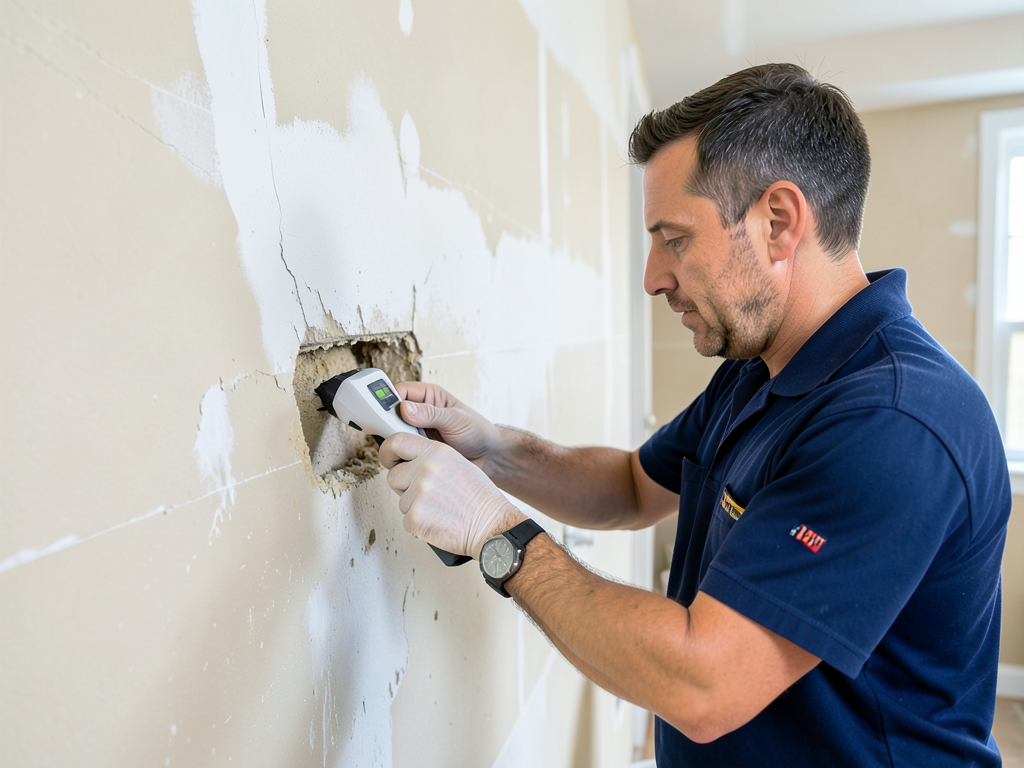
Professional technicians use moisture meters and thermal imaging cameras to find hidden moisture. This diagnostic process reveals water in wall cavities under flooring and inside insulation where the naked eye cannot see it.. Read more about Using Thermal Imaging to Find Hidden Water Leaks Behind Walls in Fall Creek Place.
The moisture mapping process creates a blueprint for targeted drying. It identifies which materials need attention and prevents over drying of unaffected areas.
Industrial Dehumidification
Consumer dehumidifiers cannot handle flood conditions. Professional grade equipment removes 20 to 30 gallons of water from the air per day compared to 1 to 2 gallons for residential units.. Read more about Why Your Whole House Humidifier Might Be Causing Hidden Wall Leaks in Decatur Township.
The key is achieving specific humidity levels. We target 40 percent relative humidity to prevent mold growth and material damage. This requires continuous monitoring and equipment adjustment.
Air Movement and Circulation
High velocity air movers create evaporation across wet surfaces. This process must be balanced with dehumidification to prevent moisture from simply circulating through your home.
Proper air movement patterns prevent stagnant humid zones where mold thrives. Technicians calculate the exact number and placement of air movers based on cubic footage and material types.
Insurance Implications: Why Secondary Damage Claims Get Denied
Many Indianapolis homeowners discover too late that their insurance policies have specific exclusions for secondary damage. Understanding these limitations is crucial.
Most policies cover sudden and accidental water damage. They do not cover damage that occurs due to neglect or delayed response. This is where secondary damage becomes a financial nightmare.
Insurance companies often argue that secondary damage was preventable. They may deny claims for mold growth or warped flooring if you did not take immediate action after the initial water event.. Read more about Cleaning Up After a Failed Sump Pump Battery Backup in Geist.
The burden of proof falls on you to show you took reasonable steps to mitigate damage. This means calling professionals within 24 hours and following their recommendations.
Cost Comparison: Primary vs Secondary Damage Repairs
The financial impact of secondary damage extends far beyond the initial repair costs. Here is a comparison of typical scenarios:
| Damage Type | Typical Repair Cost | Timeline | Additional Issues |
|---|---|---|---|
| Primary Water Damage | $1000 – $4000 | 3-5 days | None if addressed promptly |
| Secondary Damage | $5000 – $25000+ | 2-4 weeks | Mold remediation structural repairs |
| Combined Damage | $8000 – $40000+ | 3-6 weeks | Health risks insurance disputes |
The multiplier effect is real. Every day you wait can add thousands to your final bill.
Professional Assessment: When to Call the Experts
Knowing when to call professionals can prevent secondary damage entirely. Here are situations that require immediate expert attention:
Standing Water Over One Inch Deep
Any amount of standing water requires professional extraction. Consumer wet vacuums cannot remove water from carpet padding or subfloors where it continues to cause damage.
Water in Multiple Rooms
When water affects more than one room the risk of secondary damage increases exponentially. The interconnected nature of modern homes means moisture spreads quickly through shared wall cavities and HVAC systems.
Category 2 or 3 Water Events
Clean water from a supply line is Category 1. Water from washing machines or dishwashers is Category 2. Sewage or flood water is Category 3.
Categories 2 and 3 require professional sanitization to prevent health risks and secondary contamination. These water types carry bacteria and contaminants that continue to cause damage even after the water is gone.
The Cost of Professional Prevention vs DIY Mistakes
Many homeowners try to save money by handling water damage themselves. This often leads to much higher costs when secondary damage occurs.
Professional water damage restoration in Indianapolis typically costs $1500 to $5000 for a standard residential flood. This includes proper drying equipment moisture monitoring and antimicrobial treatments.. Read more about Finding a Restoration Company in Indianapolis That Also Handles the Full Rebuild.
DIY attempts often miss critical steps. Without moisture meters you cannot verify when materials are truly dry. Without industrial dehumidifiers you cannot achieve the humidity levels needed to prevent mold growth.
The most expensive mistake is thinking you saved money by not calling professionals. When secondary damage occurs the costs can be five to ten times higher than professional prevention would have cost.
Call (317) 703-7676 Today to Prevent Costly Secondary Damage
Every hour counts when water enters your Indianapolis home. The moisture is already spreading. The clock is ticking on secondary damage.
Our certified technicians arrive within 60 minutes with industrial drying equipment and moisture detection technology. We follow IICRC S500 standards to ensure your home is dried properly the first time.
Don’t wait until you see mold or warped floors. By then the damage is already done and the costs have multiplied.
Call (317) 703-7676 now for emergency water damage restoration in Indianapolis. We are available 24/7 and work directly with your insurance company to protect your home and your wallet.. Read more about Emergency Content Pack Out and Storage for Flooded Homes in Homecroft.
Frequently Asked Questions
How quickly does secondary water damage occur?
Secondary damage can begin within 24 hours of the initial water event. Mold growth often starts within 24 to 48 hours in Indianapolis’ humid climate. Wood floors begin warping within 48 to 72 hours. The longer you wait the more extensive and expensive the damage becomes.
Can I prevent secondary water damage myself?
You can take initial steps like removing standing water and increasing ventilation. However professional equipment and expertise are needed to prevent secondary damage completely. Consumer dehumidifiers and fans cannot achieve the moisture levels required to prevent mold growth in Indianapolis’ humid climate.
Does homeowners insurance cover secondary water damage?
Coverage depends on your specific policy and the circumstances. Most policies cover sudden and accidental damage but exclude damage from neglect or delayed response. Secondary damage often falls into these excluded categories. Document everything and contact your insurance company immediately after water damage occurs.
What makes Indianapolis homes more susceptible to secondary damage?
Indianapolis’ combination of clay soil high humidity and freeze-thaw cycles creates perfect conditions for secondary damage. Our summer humidity often exceeds 80 percent which accelerates mold growth. Clay soil retains moisture and puts pressure on foundations. These local factors make professional drying essential for Indianapolis homes.
How do professionals detect hidden moisture?
Professionals use moisture meters that measure water content in materials. Thermal imaging cameras detect temperature differences that indicate moisture presence. They also use hygrometers to measure air humidity and psychrometric calculations to determine proper drying conditions. This technology finds moisture in wall cavities under flooring and inside insulation where it cannot be seen.
What is the difference between Category 1 2 and 3 water damage?
Category 1 is clean water from supply lines. Category 2 is gray water from appliances like washing machines. Category 3 is black water from sewage or flooding. Categories 2 and 3 carry contaminants that require professional sanitization. They also create higher risks for secondary damage and health hazards.
How long does professional water damage restoration take?
Most residential water damage restoration takes 3 to 5 days for complete drying. This includes water extraction drying monitoring and antimicrobial treatment. Complex cases with extensive secondary damage may take 1 to 2 weeks. Your restoration company should provide daily progress updates and moisture verification before considering the job complete.. Read more about Comparing National Restoration Franchises and Local Indianapolis Family Owned Companies.
Should I stay in my home during water damage restoration?
This depends on the extent of damage and your health conditions. For minor damage you can often stay in unaffected areas. For extensive damage or Category 3 water events temporary relocation is recommended. Your restoration company can advise based on air quality testing and moisture levels throughout your home.
What documents should I keep for insurance purposes?
Keep all receipts for emergency services water extraction and drying equipment. Document damage with photos and videos before any cleanup begins. Keep a log of all communications with your insurance company and restoration professionals. These documents support your claim and demonstrate you took reasonable steps to mitigate damage.
How can I prevent water damage in the future?
Regular maintenance prevents most water damage. Check your sump pump annually clean gutters twice yearly and inspect washing machine hoses every six months. Consider installing water leak detectors near water heaters and under sinks. For Indianapolis homes proper grading and downspout extensions help prevent foundation water intrusion.
Understanding Your Local Risks: Indianapolis Neighborhoods and Water Damage
Different Indianapolis neighborhoods face unique water damage risks based on age construction and location. Understanding these risks helps you prepare and respond appropriately.
Historic neighborhoods like Meridian-Kessler and Old Northside often have older plumbing and foundation issues. Many homes in these areas were built before modern building codes and may lack proper moisture barriers.
Suburban areas like Carmel and Fishers typically have newer construction but may face challenges with soil compaction and drainage. These homes often have finished basements that are expensive to repair when water damage occurs.
Areas near the White River including parts of Broad Ripple face higher groundwater risks. The high water table in these neighborhoods means basements are constantly under pressure from groundwater.
Understanding your specific neighborhood risks helps you prepare for potential water damage and respond appropriately when it occurs.
The Professional Advantage: Why Certification Matters
Not all water damage restoration companies follow the same standards. Professional certification through organizations like the IICRC ensures your restoration follows industry best practices.
Certified technicians understand the science of drying. They know how to calculate proper equipment needs based on your home’s specific conditions. They understand the importance of moisture content goals and how to verify when materials are truly dry.
uncertified contractors may use inadequate equipment or incorrect drying procedures. This often leads to incomplete drying and secondary damage that could have been prevented.
Ask about certification and insurance before hiring any water damage restoration company. Your home and your wallet depend on getting this right the first time.
Final Thoughts: The Cost of Inaction
Secondary water damage is not just a possibility. It is a certainty if water is not properly addressed. The question is not if it will happen but when and how much it will cost.
The financial impact extends beyond repair costs. Secondary damage often requires temporary relocation. It can decrease your home’s value. It may even affect your ability to sell in the future.
Health risks from mold and bacteria create additional concerns. These can affect your family’s wellbeing for years after the initial water event.
The solution is simple. Take immediate action when water enters your home. Call professionals who understand secondary damage and how to prevent it. The cost of prevention is always less than the cost of repair.
Don’t let secondary water damage turn your home repair into a financial disaster. Call (317) 703-7676 now for emergency water damage restoration in Indianapolis. We are ready to protect your home and your investment 24 hours a day seven days a week.
Your home deserves professional care. Your family deserves a safe healthy environment. Don’t wait until secondary damage costs you thousands. Take action now and protect what matters most.
Call (317) 703-7676 today. Your home’s future depends on the choices you make right now. For more information, visit FEMA Water Damage Prevention.
You may also find this helpful. What to Do When a Fire Sprinkler Accidentally Floods Your Downtown Indy Office.
You may also find this helpful. Cleaning Up a Major Bathtub Overflow in Your Bates-Hendricks Rental Property.
You may also find this helpful. Your Rights as a Renter When Your Downtown Indy Apartment Suffers Water Damage.
You may also find this helpful. Can Luxury Vinyl Plank Flooring Be Reinstalled After a Flood in Your Haughville Home?.
{
“@context”: “https://schema.org”,
“@type”: “BlogPosting”,
“headline”: “What Is Secondary Water Damage (And Why It Costs So Much to Fix)”,
“description”: “Discover how hidden moisture causes secondary water damage in Indianapolis homes and why delayed action can double your repair costs. Learn the warning signs now.”,
“wordCount”: 2771,
“datePublished”: “2026-04-13T15:04:00.000Z”,
“dateModified”: “2026-04-13T15:04:00.000Z”,
“inLanguage”: “en-US”,
“mainEntityOfPage”: {
“@type”: “WebPage”,
“@id”: “https://apexwaterdamagerestorationindianapolis.com”
},
“publisher”: {
“@type”: “LocalBusiness”,
“name”: “Apex Water Damage Restoration Indianapolis”,
“url”: “https://apexwaterdamagerestorationindianapolis.com”
},
“author”: {
“@type”: “Organization”,
“name”: “Apex Water Damage Restoration Indianapolis”,
“url”: “https://apexwaterdamagerestorationindianapolis.com”
},
“image”: {
“@type”: “ImageObject”,
“url”: “https://apexwaterdamagerestorationindianapolis.com/wp-content/uploads/2026/03/what-is-secondary-water-damage-and-why-it-costs-so-1.png”
}
}
{
“@context”: “https://schema.org”,
“@type”: “LocalBusiness”,
“name”: “Apex Water Damage Restoration Indianapolis”,
“url”: “https://apexwaterdamagerestorationindianapolis.com”,
“address”: {
“@type”: “PostalAddress”,
“addressLocality”: “Indianapolis”
},
“areaServed”: {
“@type”: “City”,
“name”: “Indianapolis”
}
}
{
“@context”: “https://schema.org”,
“@type”: “FAQPage”,
“mainEntity”: [
{
“@type”: “Question”,
“name”: “How quickly does secondary water damage occur?”,
“acceptedAnswer”: {
“@type”: “Answer”,
“text”: “Secondary damage can begin within 24 hours of the initial water event. Mold growth often starts within 24 to 48 hours in Indianapolis’ humid climate. Wood floors begin warping within 48 to 72 hours. The longer you wait the more extensive and expensive the damage becomes.”
}
},
{
“@type”: “Question”,
“name”: “Can I prevent secondary water damage myself?”,
“acceptedAnswer”: {
“@type”: “Answer”,
“text”: “You can take initial steps like removing standing water and increasing ventilation. However professional equipment and expertise are needed to prevent secondary damage completely. Consumer dehumidifiers and fans cannot achieve the moisture levels required to prevent mold growth in Indianapolis’ humid climate.”
}
},
{
“@type”: “Question”,
“name”: “Does homeowners insurance cover secondary water damage?”,
“acceptedAnswer”: {
“@type”: “Answer”,
“text”: “Coverage depends on your specific policy and the circumstances. Most policies cover sudden and accidental damage but exclude damage from neglect or delayed response. Secondary damage often falls into these excluded categories. Document everything and contact your insurance company immediately after water damage occurs.”
}
},
{
“@type”: “Question”,
“name”: “What makes Indianapolis homes more susceptible to secondary damage?”,
“acceptedAnswer”: {
“@type”: “Answer”,
“text”: “Indianapolis’ combination of clay soil high humidity and freeze-thaw cycles creates perfect conditions for secondary damage. Our summer humidity often exceeds 80 percent which accelerates mold growth. Clay soil retains moisture and puts pressure on foundations. These local factors make professional drying essential for Indianapolis homes.”
}
},
{
“@type”: “Question”,
“name”: “How do professionals detect hidden moisture?”,
“acceptedAnswer”: {
“@type”: “Answer”,
“text”: “Professionals use moisture meters that measure water content in materials. Thermal imaging cameras detect temperature differences that indicate moisture presence. They also use hygrometers to measure air humidity and psychrometric calculations to determine proper drying conditions. This technology finds moisture in wall cavities under flooring and inside insulation where it cannot be seen.”
}
},
{
“@type”: “Question”,
“name”: “What is the difference between Category 1 2 and 3 water damage?”,
“acceptedAnswer”: {
“@type”: “Answer”,
“text”: “Category 1 is clean water from supply lines. Category 2 is gray water from appliances like washing machines. Category 3 is black water from sewage or flooding. Categories 2 and 3 carry contaminants that require professional sanitization. They also create higher risks for secondary damage and health hazards.”
}
},
{
“@type”: “Question”,
“name”: “How long does professional water damage restoration take?”,
“acceptedAnswer”: {
“@type”: “Answer”,
“text”: “Most residential water damage restoration takes 3 to 5 days for complete drying. This includes water extraction drying monitoring and antimicrobial treatment. Complex cases with extensive secondary damage may take 1 to 2 weeks. Your restoration company should provide daily progress updates and moisture verification before considering the job complete.”
}
},
{
“@type”: “Question”,
“name”: “Should I stay in my home during water damage restoration?”,
“acceptedAnswer”: {
“@type”: “Answer”,
“text”: “This depends on the extent of damage and your health conditions. For minor damage you can often stay in unaffected areas. For extensive damage or Category 3 water events temporary relocation is recommended. Your restoration company can advise based on air quality testing and moisture levels throughout your home.”
}
},
{
“@type”: “Question”,
“name”: “What documents should I keep for insurance purposes?”,
“acceptedAnswer”: {
“@type”: “Answer”,
“text”: “Keep all receipts for emergency services water extraction and drying equipment. Document damage with photos and videos before any cleanup begins. Keep a log of all communications with your insurance company and restoration professionals. These documents support your claim and demonstrate you took reasonable steps to mitigate damage.”
}
},
{
“@type”: “Question”,
“name”: “How can I prevent water damage in the future?”,
“acceptedAnswer”: {
“@type”: “Answer”,
“text”: “Regular maintenance prevents most water damage. Check your sump pump annually clean gutters twice yearly and inspect washing machine hoses every six months. Consider installing water leak detectors near water heaters and under sinks. For Indianapolis homes proper grading and downspout extensions help prevent foundation water intrusion.”
}
}
]
}
{
“@context”: “https://schema.org”,
“@type”: “BreadcrumbList”,
“itemListElement”: [
{
“@type”: “ListItem”,
“position”: 1,
“name”: “Home”,
“item”: “https://apexwaterdamagerestorationindianapolis.com”
},
{
“@type”: “ListItem”,
“position”: 2,
“name”: “Blog”,
“item”: “https://apexwaterdamagerestorationindianapolis.com/blog”
},
{
“@type”: “ListItem”,
“position”: 3,
“name”: “What Is Secondary Water Damage (And Why It Costs So Much to Fix)”
}
]
}
{
“@context”: “https://schema.org”,
“@type”: “Service”,
“serviceType”: “Water Damage Restoration”,
“provider”: {
“@type”: “LocalBusiness”,
“name”: “Apex Water Damage Restoration Indianapolis”,
“url”: “https://apexwaterdamagerestorationindianapolis.com”
},
“areaServed”: {
“@type”: “City”,
“name”: “Indianapolis”
},
“description”: “Discover how hidden moisture causes secondary water damage in Indianapolis homes and why delayed action can double your repair costs. Learn the warning signs now.”
}