
What to Do When Your Geist Waterfront Basement Starts Taking on Water
Water seeping into your basement near Geist Reservoir creates immediate panic. The first 24 hours determine whether you save your home’s structure or face thousands in repairs. This guide walks you through exactly what to do when water invades your basement and why Geist properties face unique flooding risks. EPA mold prevention guidelines.
Geist waterfront homes sit on soil with high clay content and near the reservoir’s elevated water table. When heavy rains hit or sump pumps fail, water pressure builds against basement walls. You need to act fast to prevent foundation cracks, mold growth, and electrical hazards. Who to Call for Emergency Water Damage Restoration in Carmel.
Immediate Steps to Take When Water Enters Your Basement
Safety comes first. Before entering standing water, shut off electricity to the affected area at your breaker panel. Water conducts electricity and creates lethal shock risks. If you cannot access the panel safely, call an electrician immediately. Complete Water Damage Repair for Historic Homes in Meridian-Kessler.
Next, identify the water source. Clear water from a broken supply line differs from contaminated water from sewer backup or groundwater intrusion. Contaminated water requires professional protective equipment and specialized cleaning protocols. Professional Sewage Cleanup and Sanitization Services in Greenwood.
Stop the water flow if possible. For supply line breaks, shut off your main water valve. For groundwater, you cannot stop the source, but you can begin water removal to prevent further damage. Emergency Water Removal Services in Noblesville That Respond 24-7.
Document everything for insurance. Take photos and videos of all affected areas before starting cleanup. Insurance adjusters need evidence of the initial damage extent.. Read more about What to Expect During the Initial Water Damage Inspection and Assessment.
Begin water removal immediately. Use a wet vacuum for small amounts or call professionals for larger volumes. Every hour water sits increases damage and mold risk exponentially.
Why Geist Waterfront Properties Face Higher Flood Risks
Geist Reservoir’s proximity creates specific challenges for homeowners. The reservoir’s water level fluctuates seasonally, affecting the surrounding water table. Homes built near the shoreline sit on soil that becomes saturated quickly during heavy rains.
Central Indiana’s clay-heavy soil does not drain well. When water cannot percolate through soil, it builds pressure against foundation walls. This hydrostatic pressure forces water through cracks, joints, and porous concrete.. Read more about What to Do When Spring Snow Melt Overwhelms Your Foundation in Noblesville.
Many Geist homes have finished basements with valuable contents. Water damage to finished spaces costs significantly more to repair than unfinished basements. Carpeting, drywall, and insulation in finished basements absorb water rapidly.
Older homes near the reservoir often have outdated drainage systems. Original sump pumps may not handle current rainfall volumes. French drains installed decades ago can become clogged with sediment.
Seasonal freeze-thaw cycles in Indianapolis cause soil expansion and contraction. This movement creates new foundation cracks each year, providing more entry points for water.
Professional Water Extraction Process for Geist Basements
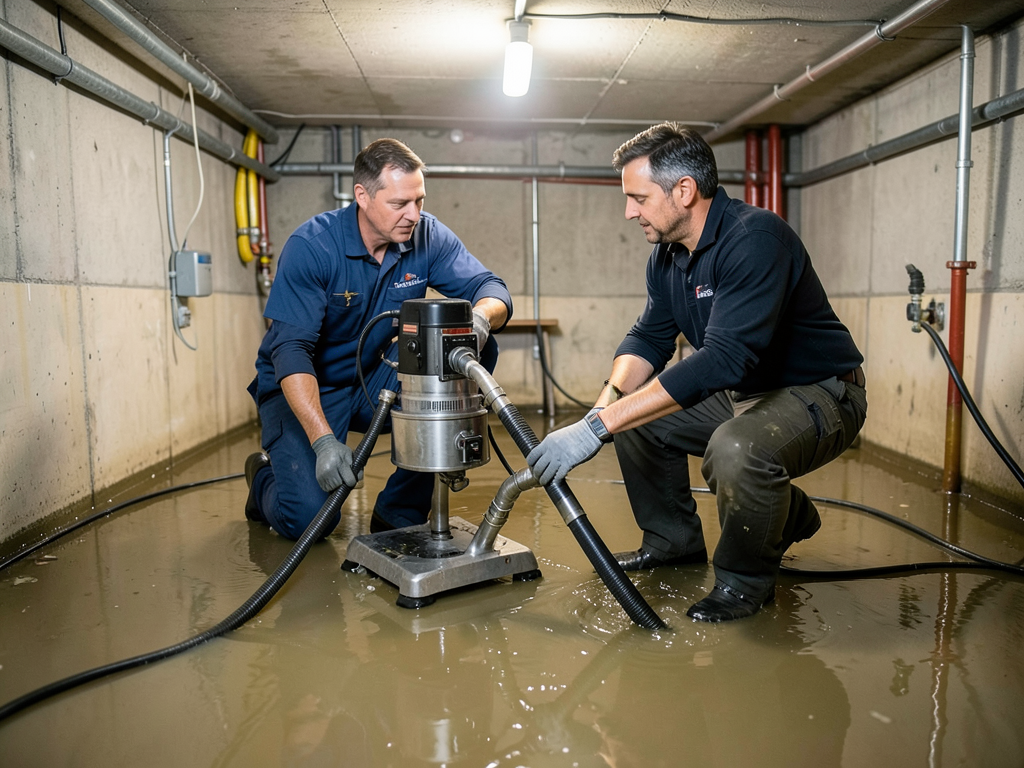
Professional extraction uses industrial-grade equipment that removes water far faster than consumer tools. Truck-mounted extraction units pump out thousands of gallons per hour. This speed prevents secondary damage and reduces drying time.
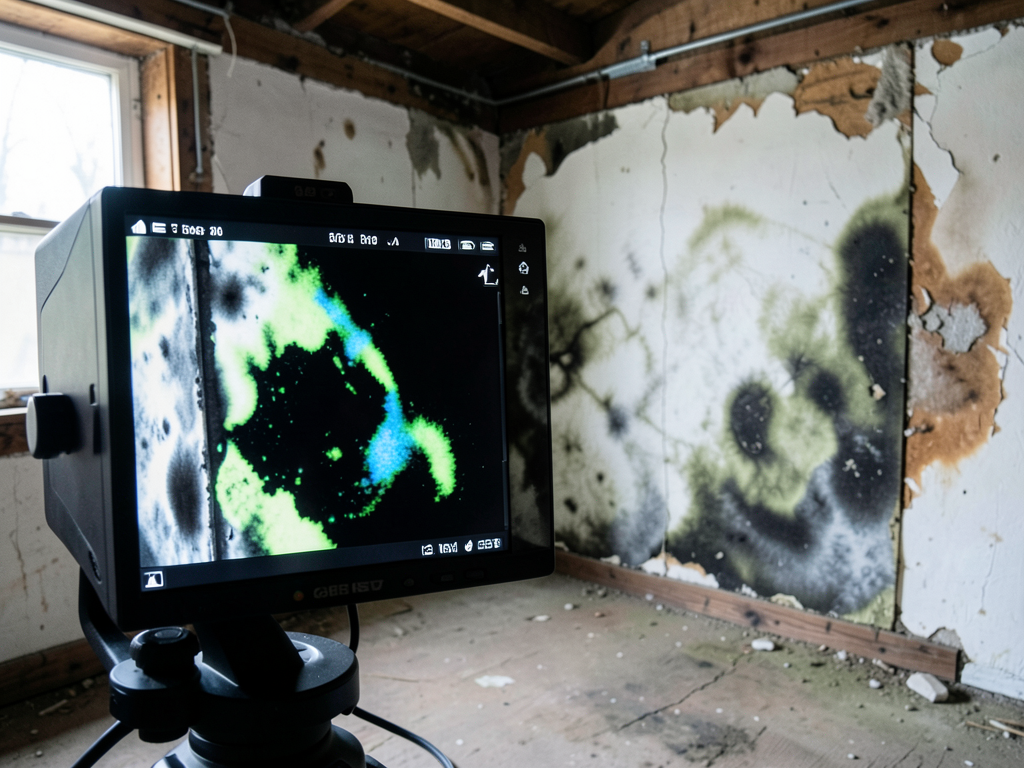
The process begins with moisture mapping using thermal imaging cameras. These devices detect water behind walls and under flooring without destructive testing. You see exactly where water traveled and what materials absorbed moisture.
Professional technicians categorize water contamination levels. Category 1 water comes from clean sources like broken pipes. Category 2 contains some contamination from appliances or rainwater. Category 3 includes sewage, floodwater, or groundwater with pathogens.
Extraction equipment varies by water volume and contamination level. For clean water, high-powered truck-mounted vacuums remove standing water quickly. For contaminated water, technicians use specialized pumps with filtration systems to prevent cross-contamination.
After bulk water removal, structural drying begins immediately. Industrial air movers create high-velocity airflow across wet surfaces. This airflow accelerates evaporation rates by up to 600 percent compared to natural drying.
Dehumidification runs continuously during drying. Low-grain refrigerant dehumidifiers remove moisture from air, preventing condensation on cool surfaces. This process maintains optimal drying conditions regardless of outside humidity.
Moisture monitoring continues throughout the process. Technicians measure moisture content in wood, drywall, and concrete daily. Drying continues until materials reach safe moisture levels, typically 12-16 percent for wood framing.
Common Causes of Basement Flooding in Geist
Sump pump failure represents the most frequent cause of basement flooding in Geist homes. During heavy rains, sump pumps work continuously. Power outages, mechanical failures, or overwhelmed pumps allow water to back up into basements.
Foundation cracks develop from soil pressure, settling, or freeze-thaw cycles. Even hairline cracks allow significant water entry during heavy rains. Water pressure can force gallons through tiny openings.
Gutter and downspout failures direct water toward foundations instead of away from homes. Clogged gutters overflow. Downspouts ending near foundations deposit hundreds of gallons during storms.
Sewer line backups occur when municipal systems cannot handle heavy rainfall volumes. Water pressure forces sewage back through floor drains and toilets into basements.
Window well flooding happens when drainage systems fail. Accumulated water in window wells presses against basement windows, forcing entry through seals or glass.
Water heater failures release 40-80 gallons of water quickly. Supply line breaks under pressure can release water continuously until shut off.
Equipment Used in Professional Water Extraction
Truck-mounted extraction units provide the most powerful water removal capability. These units generate vacuum pressure up to 20 inches of mercury and pump water at rates exceeding 100 gallons per minute.
Portable extraction units work in areas truck-mounted equipment cannot access. These units still provide significant power for removing water from stairs, upper floors, or tight spaces.
Submersible pumps handle large volumes of standing water. These pumps can move thousands of gallons per hour and work in deep water situations where vacuums cannot operate.
Moisture meters measure water content in materials. Penetrating meters use probes to test wood and drywall. Non-penetrating meters use electromagnetic signals to detect moisture without surface damage.
Thermal imaging cameras reveal hidden moisture patterns. These devices detect temperature differences caused by evaporative cooling from wet materials. You see water behind walls without opening them.
Air movers create directional airflow across wet surfaces. Professional units move air at velocities up to 3,000 feet per minute. This high velocity accelerates surface evaporation dramatically.
Dehumidifiers remove moisture from air to prevent secondary damage. Low-grain refrigerant units can remove 20-30 gallons of water per day from the air in affected spaces.
Insurance Considerations for Basement Water Damage
Homeowner insurance policies cover sudden and accidental water damage but exclude gradual damage and flooding. Burst pipes, appliance failures, and sudden groundwater entry typically qualify for coverage.
Flood insurance through the National Flood Insurance Program covers surface water entry from external sources. This separate policy becomes necessary when water enters through doors or windows from outside.
Documenting damage thoroughly improves claim outcomes. Take photos before cleanup begins. Keep receipts for emergency services. Create detailed inventories of damaged items with approximate values.
Professional restoration companies often bill insurance directly. This service simplifies the process for homeowners dealing with stressful situations. Companies familiar with insurance procedures know what documentation adjusters require.
Category 3 water damage requires specific cleaning protocols. Insurance companies expect professional remediation for contaminated water to prevent health hazards and secondary damage. Safe and Permanent Mold Remediation for Homes in Broad Ripple.
Delaying professional help often increases claim costs. Water spreads quickly through building materials. Mold begins growing within 24-48 hours in favorable conditions.
Preventing Future Basement Flooding
Regular sump pump maintenance prevents failures. Test pumps monthly by pouring water into the pit. Replace pumps every 5-7 years before they fail unexpectedly. Install battery backup systems for power outage protection.
Improve exterior drainage away from foundations. Grade soil to slope away from homes at 1 inch per foot for at least 6 feet. Extend downspouts to discharge water at least 5 feet from foundations.
Clean gutters and downspouts twice yearly. Remove leaves and debris that cause overflow. Check for proper slope and secure mounting.
Seal foundation cracks with hydraulic cement or epoxy injection. Small cracks expand over time. Professional sealing prevents water entry and structural damage.
Install water alarms in basements to provide early warning. These devices detect moisture and sound alarms before significant damage occurs. Some connect to smartphone apps for remote monitoring.
Consider interior drainage systems for chronic moisture problems. French drains or baseboard drainage systems collect water before it enters living spaces. These systems connect to sump pumps for removal.
Regular plumbing inspections identify potential failure points. Check supply lines, water heaters, and appliance connections annually. Replace aging components before they fail.. Read more about The Connection Between Landscaping and Basement Seepage in Fishers.
Health and Safety Concerns After Basement Flooding
Category 3 water contains harmful pathogens, bacteria, and viruses. Sewage backup introduces E. coli, salmonella, and other dangerous microorganisms. Groundwater may contain pesticides, fertilizers, or industrial contaminants.
Mold growth poses serious health risks. Exposure to mold spores causes respiratory problems, allergic reactions, and other health issues. Vulnerable individuals face increased risks from mold exposure.. Read more about Understanding the Health Risks of Long Term Dampness in Your Carmel Basement.
Structural damage creates safety hazards. Water weakens building materials. Wet drywall becomes heavy and may collapse. Warped flooring creates trip hazards.
Electrical hazards persist after water removal. Water can travel through walls and affect wiring in unexpected locations. Always have electrical systems inspected after flooding.
Chemical hazards may exist in flooded basements. Stored chemicals mix when submerged. Cleaning products, paints, and solvents create toxic combinations in standing water.
Proper personal protective equipment becomes essential when dealing with contaminated water. N95 respirators, waterproof gloves, and protective clothing prevent exposure to harmful substances.
Cost Factors for Professional Water Extraction Services
Water extraction costs depend on several factors. Volume of water affects equipment needs and labor time. More water requires larger equipment and longer extraction times.
Contamination level impacts procedures and disposal requirements. Category 3 water requires specialized cleaning, protective equipment, and proper disposal of contaminated materials.
Accessibility affects labor costs. Basements with narrow stairs or limited entry points require more time and effort to access and work in confined spaces.
Finished space restoration costs more than unfinished areas. Carpeting, drywall, and trim require removal and replacement. Content manipulation and protection add labor hours.
Insurance coordination may affect pricing structures. Some companies offer direct insurance billing, which can influence how services are quoted and delivered.
Emergency response timing impacts costs. After-hours calls, weekends, and holidays often carry premium rates due to overtime and scheduling adjustments.
Choosing the Right Water Extraction Company
Certification matters when selecting restoration professionals. IICRC certification indicates technicians trained in current restoration standards and procedures. Certified companies follow industry best practices.
Experience with local conditions benefits homeowners. Companies familiar with Geist’s specific challenges understand regional soil conditions, building practices, and common failure patterns.
Insurance coordination experience simplifies claims processes. Companies that regularly work with insurance adjusters know documentation requirements and can help navigate coverage questions.
Equipment quality affects results. Professional-grade extraction and drying equipment removes water faster and more thoroughly than consumer alternatives. This speed prevents secondary damage.
Response time becomes critical in emergencies. Companies offering 24/7 service with rapid dispatch minimize damage by beginning extraction quickly.
References and reviews indicate reliability. Check for consistent positive feedback about professionalism, communication, and results. Look for reviews mentioning similar situations to yours.
Frequently Asked Questions
How long does water extraction take?
Initial water removal typically takes 4-8 hours depending on volume and access. Complete structural drying requires 3-5 days with professional equipment. Category 3 contamination may extend timelines due to additional cleaning requirements.
Can I handle basement flooding myself?
Small clean water spills under 10 square feet may be manageable with proper equipment. However, contaminated water, large volumes, or finished space damage requires professional handling to prevent health risks and ensure complete drying.
Will my insurance cover water damage?
Coverage depends on the water source and your policy. Sudden internal plumbing failures typically qualify. External flooding requires separate flood insurance. Gradual damage and maintenance issues usually exclude coverage.
How much does professional water extraction cost?
Costs range from $1,000 to $10,000+ depending on water volume, contamination level, and damage extent. Category 3 contamination and finished space restoration increase costs significantly. Most companies provide free estimates.
How can I prevent basement flooding?
Maintain sump pumps, improve exterior drainage, seal foundation cracks, and install water alarms. Regular plumbing inspections and gutter maintenance also prevent many common causes of basement flooding.
- Safety Assessment
Shut off electricity, identify water source, and determine contamination level before entering flooded areas.
- Water Removal
Extract standing water using appropriate equipment based on volume and contamination category.
- Moisture Mapping
Use thermal imaging and moisture meters to identify all affected areas and materials.
- Structural Drying
Deploy air movers and dehumidifiers to accelerate evaporation and remove moisture from air.
- Monitoring and Verification
Take daily moisture readings until all materials reach safe drying standards.
Basement flooding near Geist Reservoir creates unique challenges that require immediate professional attention. The combination of high water tables, clay soil, and finished basement spaces means water damage spreads quickly and causes extensive problems if not addressed properly.
Understanding the risks specific to Geist properties helps homeowners prepare for potential flooding scenarios. Professional water extraction services use industrial equipment and proven techniques to remove water quickly and prevent secondary damage like mold growth.
Acting fast when water enters your basement makes the difference between a manageable cleanup and a major restoration project. Document damage, begin water removal immediately, and call professionals for contaminated water or large volumes.
Don’t wait for water damage to worsen. Call (317) 703-7676 today to schedule your inspection and protect your Geist waterfront home from costly water damage. Our certified technicians arrive within 60 minutes to begin emergency water extraction and prevent further structural damage to your property. For more information, visit FEMA flood insurance information.
{
“@context”: “https://schema.org”,
“@type”: “BlogPosting”,
“headline”: “What to Do When Your Geist Waterfront Basement Starts Taking on Water”,
“description”: “Geist homeowners face unique basement flooding risks due to high water tables near the reservoir. Learn immediate steps to take and how professional extraction prevents structural damage.”,
“wordCount”: 2272,
“datePublished”: “2026-03-15T09:18:00.000Z”,
“dateModified”: “2026-03-15T09:18:00.000Z”,
“inLanguage”: “en-US”,
“mainEntityOfPage”: {
“@type”: “WebPage”,
“@id”: “https://apexwaterdamagerestorationindianapolis.com”
},
“publisher”: {
“@type”: “LocalBusiness”,
“name”: “Apex Water Damage Restoration Indianapolis”,
“url”: “https://apexwaterdamagerestorationindianapolis.com”
},
“author”: {
“@type”: “Organization”,
“name”: “Apex Water Damage Restoration Indianapolis”,
“url”: “https://apexwaterdamagerestorationindianapolis.com”
},
“image”: {
“@type”: “ImageObject”,
“url”: “https://apexwaterdamagerestorationindianapolis.com/wp-content/uploads/2026/03/what-to-do-when-your-geist-waterfront-basement-sta-1.png”
}
}
{
“@context”: “https://schema.org”,
“@type”: “LocalBusiness”,
“name”: “Apex Water Damage Restoration Indianapolis”,
“url”: “https://apexwaterdamagerestorationindianapolis.com”,
“address”: {
“@type”: “PostalAddress”,
“addressLocality”: “Indianapolis”
},
“areaServed”: {
“@type”: “City”,
“name”: “Indianapolis”
}
}
{
“@context”: “https://schema.org”,
“@type”: “FAQPage”,
“mainEntity”: [
{
“@type”: “Question”,
“name”: “How long does water extraction take?”,
“acceptedAnswer”: {
“@type”: “Answer”,
“text”: “Initial water removal typically takes 4-8 hours depending on volume and access. Complete structural drying requires 3-5 days with professional equipment. Category 3 contamination may extend timelines due to additional cleaning requirements.”
}
},
{
“@type”: “Question”,
“name”: “Can I handle basement flooding myself?”,
“acceptedAnswer”: {
“@type”: “Answer”,
“text”: “Small clean water spills under 10 square feet may be manageable with proper equipment. However, contaminated water, large volumes, or finished space damage requires professional handling to prevent health risks and ensure complete drying.”
}
},
{
“@type”: “Question”,
“name”: “Will my insurance cover water damage?”,
“acceptedAnswer”: {
“@type”: “Answer”,
“text”: “Coverage depends on the water source and your policy. Sudden internal plumbing failures typically qualify. External flooding requires separate flood insurance. Gradual damage and maintenance issues usually exclude coverage.”
}
},
{
“@type”: “Question”,
“name”: “How much does professional water extraction cost?”,
“acceptedAnswer”: {
“@type”: “Answer”,
“text”: “Costs range from $1,000 to $10,000+ depending on water volume, contamination level, and damage extent. Category 3 contamination and finished space restoration increase costs significantly. Most companies provide free estimates.”
}
},
{
“@type”: “Question”,
“name”: “How can I prevent basement flooding?”,
“acceptedAnswer”: {
“@type”: “Answer”,
“text”: “Maintain sump pumps, improve exterior drainage, seal foundation cracks, and install water alarms. Regular plumbing inspections and gutter maintenance also prevent many common causes of basement flooding.”
}
}
]
}
{
“@context”: “https://schema.org”,
“@type”: “HowTo”,
“name”: “Emergency Water Extraction Process”,
“step”: [
{
“@type”: “HowToStep”,
“position”: 1,
“name”: “Safety Assessment”,
“text”: “Shut off electricity, identify water source, and determine contamination level before entering flooded areas.”
},
{
“@type”: “HowToStep”,
“position”: 2,
“name”: “Water Removal”,
“text”: “Extract standing water using appropriate equipment based on volume and contamination category.”
},
{
“@type”: “HowToStep”,
“position”: 3,
“name”: “Moisture Mapping”,
“text”: “Use thermal imaging and moisture meters to identify all affected areas and materials.”
},
{
“@type”: “HowToStep”,
“position”: 4,
“name”: “Structural Drying”,
“text”: “Deploy air movers and dehumidifiers to accelerate evaporation and remove moisture from air.”
},
{
“@type”: “HowToStep”,
“position”: 5,
“name”: “Monitoring and Verification”,
“text”: “Take daily moisture readings until all materials reach safe drying standards.”
}
],
“image”: “https://apexwaterdamagerestorationindianapolis.com/wp-content/uploads/2026/03/what-to-do-when-your-geist-waterfront-basement-sta-1.png”
}
{
“@context”: “https://schema.org”,
“@type”: “BreadcrumbList”,
“itemListElement”: [
{
“@type”: “ListItem”,
“position”: 1,
“name”: “Home”,
“item”: “https://apexwaterdamagerestorationindianapolis.com”
},
{
“@type”: “ListItem”,
“position”: 2,
“name”: “Blog”,
“item”: “https://apexwaterdamagerestorationindianapolis.com/blog”
},
{
“@type”: “ListItem”,
“position”: 3,
“name”: “What to Do When Your Geist Waterfront Basement Starts Taking on Water”
}
]
}
{
“@context”: “https://schema.org”,
“@type”: “Service”,
“serviceType”: “Water Damage Restoration”,
“provider”: {
“@type”: “LocalBusiness”,
“name”: “Apex Water Damage Restoration Indianapolis”,
“url”: “https://apexwaterdamagerestorationindianapolis.com”
},
“areaServed”: {
“@type”: “City”,
“name”: “Indianapolis”
},
“description”: “Geist homeowners face unique basement flooding risks due to high water tables near the reservoir. Learn immediate steps to take and how professional extraction prevents structural damage.”
}