
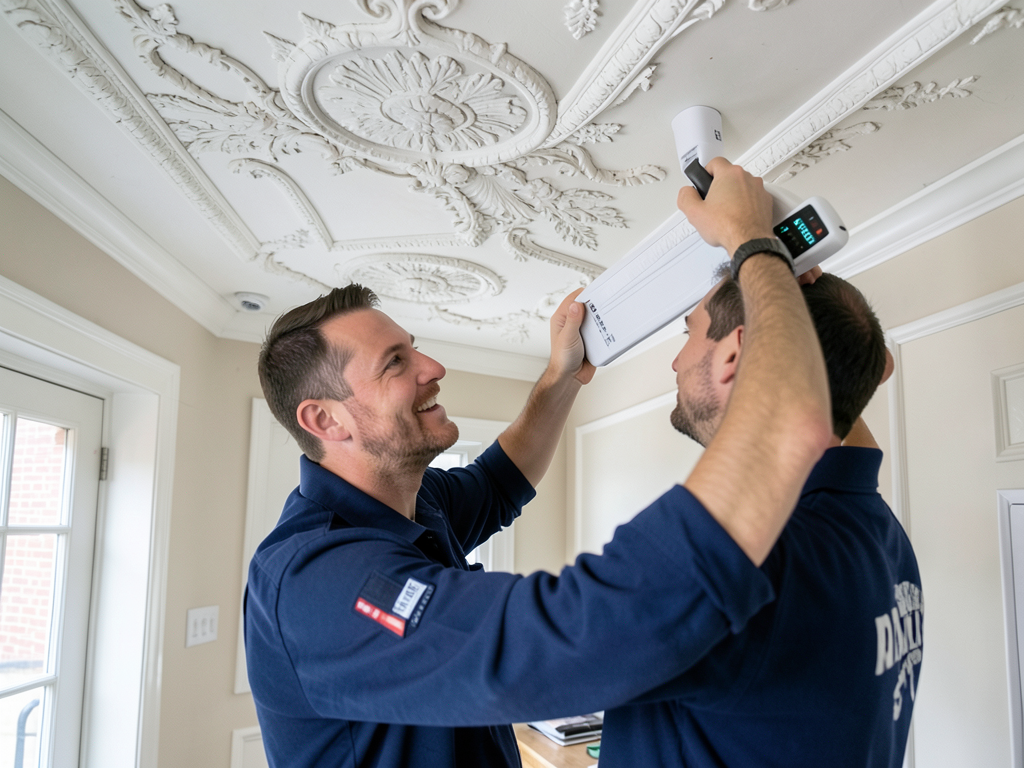
Dealing with Ceiling Leaks from Upstairs Neighbors in Mass Ave Condos
Water dripping through your ceiling in a Mass Ave condo creates immediate panic. You need answers fast about who pays for repairs and what steps to take before more damage spreads through your historic Indianapolis unit. Indiana Code § 32-25-3-2.
Indiana condo law makes liability clear once you understand the leak source. If the problem starts in your upstairs neighbor’s unit their homeowners insurance typically covers repairs to your ceiling and belongings. If it comes from a common element like a roof or shared pipe the condo association’s master policy handles it.
The key is acting fast. Water damage in historic Mass Ave buildings spreads quickly through original plaster and hardwood. Every hour counts when preventing mold growth in Indiana’s humid climate. Who to Call for Emergency Water Damage Restoration in Carmel.
Call (317) 703-7676 for 24/7 emergency water extraction before secondary damage sets in. Complete Water Damage Repair for Historic Homes in Meridian-Kessler.
Understanding Indiana Condo Water Damage Liability
Indiana Code § 32-25-3-2 defines condo ownership boundaries clearly. Your unit includes everything from the interior paint inward while common elements cover shared walls roofs and mechanical systems. This distinction determines who pays for what.
Most Mass Ave condos have two insurance policies working together. The association carries a master policy covering the building structure and common areas. You need your own HO-6 policy for personal property and the interior of your unit.
When a pipe bursts upstairs liability follows the water’s path. If the upstairs owner’s negligence caused the leak their insurance covers your damages plus your deductible. If it’s a random accident with no negligence both policies may split costs based on your governing documents. Emergency Water Removal Services in Noblesville That Respond 24-7.
Common Leak Sources in Mass Ave Buildings
Historic Mass Ave condos built in the early 1900s have unique vulnerabilities. Original plumbing systems often use galvanized steel pipes that corrode from the inside out. These pipes fail without warning sending water cascading through multiple floors.. Read more about Hidden Signs of Water Damage Behind Your Bathroom Tiles (And How to Check).
Second-floor units face extra risk from bathroom fixtures. Toilets showers and washing machines cause most ceiling leaks. A failed wax ring seal or cracked supply line can dump gallons before anyone notices.. Read more about How to Stop a Flooding Dishwasher Before It Ruins Your Kitchen Cabinets.
Roof leaks affect top-floor units most severely. Mass Ave’s older buildings have flat or low-slope roofs that pond water during Indiana’s heavy spring rains. Failed flashing around chimneys or HVAC units creates entry points for water.. Read more about What to Expect During the Initial Water Damage Inspection and Assessment.
Kitchen appliances on upper floors pose another threat. Dishwashers and ice makers use flexible supply lines that degrade over time. One small crack can flood your ceiling below before the leak detector trips.
Emergency Steps After Discovering a Ceiling Leak
Stop the water source first if you can access it safely. Locate your upstairs neighbor’s unit and ask them to shut off the nearest water valve. If they’re not home call building maintenance or the fire department for help.
Document everything with photos and video before cleanup begins. Insurance adjusters need clear evidence of damage extent and water migration patterns. Capture ceiling stains bubbling paint and any personal property damage.
Move valuables out of the affected area immediately. Water conducts electricity so turn off power to the room if you see water near outlets or fixtures. Don’t risk electrical shock trying to save furniture.
Place buckets under active leaks to minimize floor damage. Use plastic sheeting to protect undamaged areas. Every drop you catch reduces your claim amount and cleanup time.
Mass Ave’s Unique Water Damage Challenges
Historic buildings in the Mass Ave cultural district require specialized restoration approaches. Original plaster walls absorb water like sponges wicking moisture several feet beyond visible damage. Standard drywall techniques won’t work on these surfaces.
Many Mass Ave condos feature original hardwood floors that cup and warp when wet. These floors need careful drying to prevent permanent buckling. Replacement often costs more than restoration when dealing with century-old materials. Safe and Permanent Mold Remediation for Homes in Broad Ripple.
The neighborhood’s mixed-use buildings create additional complications. Commercial spaces below residential units mean water damage affects businesses not just homes. This raises liability stakes and repair urgency.
Mass Ave’s older electrical systems weren’t designed for modern water extraction equipment. Restoration teams must work around limited outlet capacity and potentially unsafe wiring in some buildings.
Insurance Coverage Breakdown for Condo Water Damage
| Damage Type | Upstairs Owner’s HO-6 | Association Master Policy | Your HO-6 |
|---|---|---|---|
| Personal Property | No | No | Yes |
| Unit Interior | Maybe* | No | Yes |
| Structural Ceiling | Maybe* | Maybe† | No |
| Common Elements | No | Yes | No |
*If negligence proven †Depends on governing documents
Negligence changes everything. If your upstairs neighbor knew about a small leak and ignored it their insurance becomes fully responsible. Document any prior warnings or maintenance requests to strengthen your claim.
Subrogation allows your insurance company to recover costs from the responsible party’s insurer. This process can take months but ultimately protects you from paying deductibles for someone else’s mistake.
Preventing Future Ceiling Leaks in Your Condo
Install water leak detectors in high-risk areas like under sinks and behind toilets. Modern sensors send smartphone alerts when they detect moisture often before visible damage occurs.
Replace rubber washing machine hoses every five years. Stainless steel braided hoses cost more but prevent catastrophic failures that flood multiple units.
Schedule annual plumbing inspections for older buildings. A licensed plumber can identify corrosion loose fittings and other issues before they cause major damage.
Know your condo association’s emergency procedures. Find out who handles after-hours maintenance calls and keep their contact information readily available.
Working with Restoration Professionals
Choose companies familiar with historic Indianapolis buildings. Mass Ave’s construction methods differ significantly from modern condos requiring specialized knowledge of plaster repair and moisture mapping.
Verify proper licensing and insurance before hiring. Indiana requires water damage restoration companies to carry specific certifications and liability coverage.
Ask about drying equipment options. Some historic buildings can’t accommodate large dehumidifiers due to electrical limitations or noise restrictions.
Request a detailed scope of work before restoration begins. Historic materials often need custom approaches that standard restoration companies don’t offer.
Legal Considerations for Condo Water Damage
Indiana follows the “source of the leak” rule for liability determination. Courts look at where water originated not where damage appears. This means tracing the water path becomes crucial for insurance claims.
Document all communications with your upstairs neighbor and the condo association. Written records prove invaluable if liability disputes arise later.
Understand your governing documents’ repair responsibilities. Some Mass Ave associations require unit owners to repair damage to their own ceilings regardless of leak source.
Consider consulting an attorney specializing in Indiana condo law for complex cases. Legal guidance helps navigate disputes between multiple insurance companies.
Common Mistakes That Cost You Money
Delaying professional help allows water to spread deeper into building materials. What starts as a small ceiling stain can become major structural damage within 48 hours. Professional Sewage Cleanup and Sanitization Services in Greenwood.
Cleaning up before documenting damage weakens your insurance claim. Take photos first then begin emergency mitigation steps.
Assuming the upstairs neighbor will handle everything leaves you responsible for preventable damage. Take charge of your unit’s protection immediately.
Using household fans instead of professional drying equipment risks incomplete moisture removal. Hidden dampness causes mold growth and structural issues months later.
Mass Ave Building Specific Considerations
Many Mass Ave buildings lack individual water shutoff valves for each unit. This means stopping a leak might require shutting down water to multiple units creating additional complications.. Read more about Why Your Roof in Lockerbie Square Might Leak After a Heavy Indiana Downpour.
Historic preservation guidelines may restrict certain restoration materials or methods. Work with contractors who understand these requirements and can suggest compliant alternatives.
Older buildings often have shared plumbing stacks that complicate leak source identification. A problem on one floor might actually originate several floors above.
Mass Ave’s mixed-use nature means water damage can affect retail businesses below residential units. This raises liability stakes and may require faster response times.
Emergency Contact Information
Keep these numbers handy for water damage emergencies in Mass Ave condos:
- Building Management: [Your Association’s Emergency Number]
- Indianapolis Water Department: (317) 924-3311
- Emergency Restoration: (317) 703-7676
Quick access to these contacts saves precious minutes when water starts pouring through your ceiling.
Frequently Asked Questions
Who pays for ceiling repairs if my upstairs neighbor’s pipe bursts?
Liability depends on the leak source and governing documents. If the upstairs owner was negligent their insurance typically covers your repairs. If it was accidental with no negligence costs may be split between policies based on your condo’s specific rules.
How quickly does mold grow after a ceiling leak?
Mold can begin growing within 24-48 hours in Indianapolis’s humid climate. Fast water extraction and drying prevent mold growth. Professional drying equipment removes moisture from building materials that household fans cannot reach.
Should I file an insurance claim for a small ceiling leak?
Yes even small leaks can indicate bigger problems. Document the damage and contact your insurance company. They can help determine if a claim is worthwhile and guide you through the process.
Can I repair historic plaster myself after water damage?
Historic plaster requires specialized techniques different from modern drywall. DIY repairs often fail causing more damage. Professional restoration ensures proper moisture removal and appropriate repair materials for historic buildings.
What if my condo association refuses to help with repairs?
Review your governing documents to understand repair responsibilities. If the association is responsible but uncooperative document all communications and consider legal consultation. Some disputes require mediation or legal intervention to resolve.
Call (317) 703-7676 today to schedule your inspection and protect your Mass Ave condo from escalating water damage.
{
“@context”: “https://schema.org”,
“@type”: “BlogPosting”,
“headline”: “Dealing with Ceiling Leaks from Upstairs Neighbors in Mass Ave Condos”,
“description”: “Learn who pays for ceiling leaks in Mass Ave condos and what steps to take fast. Indiana condo law and historic building challenges explained.”,
“wordCount”: 1599,
“datePublished”: “2026-03-22T09:57:00.000Z”,
“dateModified”: “2026-03-22T09:57:00.000Z”,
“inLanguage”: “en-US”,
“mainEntityOfPage”: {
“@type”: “WebPage”,
“@id”: “https://apexwaterdamagerestorationindianapolis.com”
},
“publisher”: {
“@type”: “LocalBusiness”,
“name”: “Apex Water Damage Restoration Indianapolis”,
“url”: “https://apexwaterdamagerestorationindianapolis.com”
},
“author”: {
“@type”: “Organization”,
“name”: “Apex Water Damage Restoration Indianapolis”,
“url”: “https://apexwaterdamagerestorationindianapolis.com”
},
“image”: {
“@type”: “ImageObject”,
“url”: “https://apexwaterdamagerestorationindianapolis.com/wp-content/uploads/2026/03/dealing-with-ceiling-leaks-from-upstairs-neighbors-1.png”
}
}
{
“@context”: “https://schema.org”,
“@type”: “LocalBusiness”,
“name”: “Apex Water Damage Restoration Indianapolis”,
“url”: “https://apexwaterdamagerestorationindianapolis.com”,
“address”: {
“@type”: “PostalAddress”,
“addressLocality”: “Indianapolis”
},
“areaServed”: {
“@type”: “City”,
“name”: “Indianapolis”
}
}
{
“@context”: “https://schema.org”,
“@type”: “FAQPage”,
“mainEntity”: [
{
“@type”: “Question”,
“name”: “Who pays for ceiling repairs if my upstairs neighbor’s pipe bursts?”,
“acceptedAnswer”: {
“@type”: “Answer”,
“text”: “Liability depends on the leak source and governing documents. If the upstairs owner was negligent their insurance typically covers your repairs. If it was accidental with no negligence costs may be split between policies based on your condo’s specific rules.”
}
},
{
“@type”: “Question”,
“name”: “How quickly does mold grow after a ceiling leak?”,
“acceptedAnswer”: {
“@type”: “Answer”,
“text”: “Mold can begin growing within 24-48 hours in Indianapolis’s humid climate. Fast water extraction and drying prevent mold growth. Professional drying equipment removes moisture from building materials that household fans cannot reach.”
}
},
{
“@type”: “Question”,
“name”: “Should I file an insurance claim for a small ceiling leak?”,
“acceptedAnswer”: {
“@type”: “Answer”,
“text”: “Yes even small leaks can indicate bigger problems. Document the damage and contact your insurance company. They can help determine if a claim is worthwhile and guide you through the process.”
}
},
{
“@type”: “Question”,
“name”: “Can I repair historic plaster myself after water damage?”,
“acceptedAnswer”: {
“@type”: “Answer”,
“text”: “Historic plaster requires specialized techniques different from modern drywall. DIY repairs often fail causing more damage. Professional restoration ensures proper moisture removal and appropriate repair materials for historic buildings.”
}
},
{
“@type”: “Question”,
“name”: “What if my condo association refuses to help with repairs?”,
“acceptedAnswer”: {
“@type”: “Answer”,
“text”: “Review your governing documents to understand repair responsibilities. If the association is responsible but uncooperative document all communications and consider legal consultation. Some disputes require mediation or legal intervention to resolve.”
}
}
]
}
{
“@context”: “https://schema.org”,
“@type”: “BreadcrumbList”,
“itemListElement”: [
{
“@type”: “ListItem”,
“position”: 1,
“name”: “Home”,
“item”: “https://apexwaterdamagerestorationindianapolis.com”
},
{
“@type”: “ListItem”,
“position”: 2,
“name”: “Blog”,
“item”: “https://apexwaterdamagerestorationindianapolis.com/blog”
},
{
“@type”: “ListItem”,
“position”: 3,
“name”: “Dealing with Ceiling Leaks from Upstairs Neighbors in Mass Ave Condos”
}
]
}
{
“@context”: “https://schema.org”,
“@type”: “Service”,
“serviceType”: “Water Damage Restoration”,
“provider”: {
“@type”: “LocalBusiness”,
“name”: “Apex Water Damage Restoration Indianapolis”,
“url”: “https://apexwaterdamagerestorationindianapolis.com”
},
“areaServed”: {
“@type”: “City”,
“name”: “Indianapolis”
},
“description”: “Learn who pays for ceiling leaks in Mass Ave condos and what steps to take fast. Indiana condo law and historic building challenges explained.”
}